

A happy Monstera deliciosa starts at the root zone. Native to tropical forest floors, these plants crave a chunky, airy substrate that drains fast yet holds just enough moisture for those thick aerial roots to drink between waterings. Dense garden soil suffocates them fast, which is why serious indoor plant people lean toward light, porous blends amended with bark, perlite, charcoal, and coco coir. The lineup below mixes ready-to-use specialty soils, classic container blends you can lean on, and standalone amendments for folks who prefer to dial in their own mix.
Your Options, Compared

Legigo 4 Quarts Organic Perlite

FoxFarm Ocean Forest Potting Soil 1.5 cu ft

Char Bliss Organic Biochar 8 Qts

Legigo 15 Quarts Organic Perlite

Legigo 20 Quarts Organic Perlite

Legigo 6 Quarts Organic Perlite
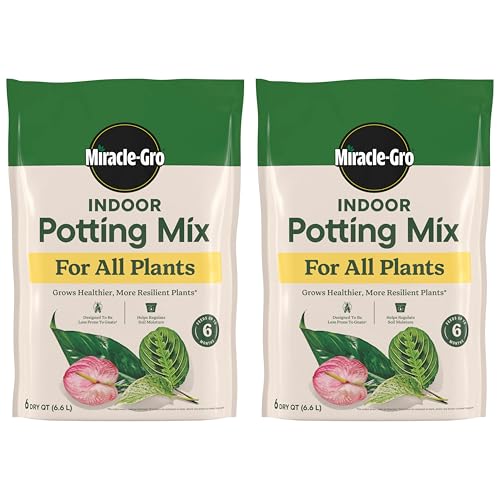
Miracle-Gro Indoor Potting Mix 6 qt 2-Pack
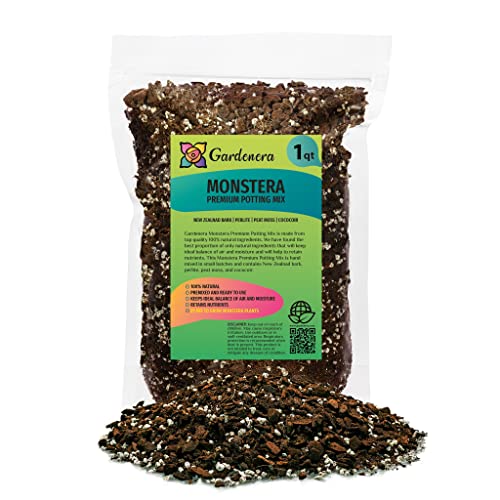
Gardenera Premium Monstera Potting Soil 1 Quart

Gardenera Professional Monstera Spray Fertilizer Mist 8oz

Gardenera Monstera Organic Superfood Spray Mist 8oz
A Deeper Look At The Lineup
Coarse perlite is the unsung hero of any Monstera mix, and this 4-quart bag from Legigo is sized just right for a single repotting job. Perlite is a lightweight volcanic stone that’s heated until it pops, creating those familiar white pellets full of air pockets. Mixed into a base soil, it opens up channels so water drains fast and oxygen reaches the roots.
For a small Monstera in a 6 to 8-inch pot, a four-quart bag lets you blend roughly one part perlite to two or three parts potting soil without running short. Beginners often find perlite easier to work with than bark because the uniform particles don’t shift around in the pot as much.
The Helpful Details
- Coarse grade perlite resists breaking down into dust during mixing
- Neutral pH so it won’t shift your soil’s acidity over time
- Four-quart size suits one standard Monstera repotting
- Pulls excess water away from roots after a thorough soak
Things To Consider
- Floating perlite tends to migrate to the top of pots after repeated watering
- You’ll still need a base potting medium to blend it with
- Dust during pouring means working over a tarp or outdoors is easier
Who It Suits Best
Solo Monstera owners repotting one plant in a modest container.
Skip It When
FoxFarm Ocean Forest Potting Soil serves you better if you’d rather skip amendment math and use a ready-made blend.
FoxFarm Ocean Forest is the kind of bag you crack open and the smell of earthworm castings and forest floor hits you immediately. This 1.5 cubic foot bale covers a generous collection of Monsteras, and the light, aerated texture means you can often use it straight without adding extra perlite. The blend combines earthworm castings, fish meal, crab meal, sphagnum peat moss, and sandy loam for a nutrient-loaded starting point.
For aroid collections, the pre-charged fertility is a real timesaver during the active growing season. In our view, the texture works well for Monsteras that prefer a slightly richer feed, though some growers still cut it with extra orchid bark for the chunkiest possible mix.
Useful Touches
- Pre-amended with organic meals and castings so no starter fertilizer is needed
- Light, fluffy texture promotes strong drainage for indoor containers
- One bag covers roughly four to six standard Monstera repottings
- Buffered pH designed for general container use out of the bag
Worth Noting
- Some owners report gnats appear if the bag sits open for long stretches
- Not as chunky as a specialty Monstera mix straight from the package
- Heavier than perlite-heavy blends, so moving large pots takes effort
Quick Facts
Made For
Plant keepers juggling several tropicals who want one dependable base soil.
Look Elsewhere When
Gardenera Premium Monstera Potting Soil is a stronger match if you only want enough mix for one plant.
Biochar is charcoal made for soil, and Char Bliss from Plantonix is OMRI-listed for organic gardening. The 8-quart bag suits a Monstera grower who likes to mix their own substrate. Biochar’s claim to fame is its porous structure, which holds onto nutrients and water in tiny pockets and slowly releases them back to roots. In a custom Monstera blend, it acts as a long-term reservoir.
It pairs naturally with the perlite bags in this roundup if you’re building an airy aroid mix from scratch. You’ll typically use it at 10 to 20 percent of total volume so the chunky bark and perlite still drive drainage.
Features That Help
- Slow-release nutrient holding cuts down on fertilizer washout
- Improves water retention without making soil soggy
- OMRI-listed, so it fits organic gardening routines
- Lightweight enough to mix evenly into a bucket of substrate
Trade Offs
- Charcoal dust can stain hands and surfaces during mixing
- Needs to be combined with other components to function as a full medium
Best Suited To
Tinkerers who blend their own aroid mix in a bucket or tote.
A Better Fit Elsewhere
FoxFarm Ocean Forest Potting Soil saves you the measuring cups if you’d rather grab one ready-to-use bag.
Stepping up from the 4-quart option, this 15-quart Legigo bag targets owners with a few Monsteras on the repotting schedule. Perlite doesn’t compress the way peat moss does, so the coarse grade keeps soil fluffy across multiple pots. For Monstera collections in the 8 to 12-inch pot range, 15 quarts goes a long way toward boosting aeration.
You can blend this perlite into FoxFarm Ocean Forest or mix it with coco coir and bark for a custom aroid substrate. Mid-bulk perlite like this often makes sense for households with a handful of plants that all share a watering routine.
A Few Strong Suits
- Bulk size lowers the per-quart cost compared to small bags
- Coarse grade resists compacting under frequent watering
- pH neutral, so it pairs cleanly with peat-based or coco-based bases
Minor Gripes
- Bag resealing can be tricky once opened, so a clip or bin helps
- Still requires a base soil or coir to function as a complete medium
Who Should Grab It
Multi-plant households batching their repotting into one weekend project.
Consider Something Else When
Miracle-Gro Indoor Potting Mix is the simpler call if you only want one bag to open and use as-is.
The 20-quart Legigo bag is the largest perlite option in the lineup and is aimed at people who treat aroid mixes like a small production. For serious Monstera, philodendron, and anthurium collections, this much perlite keeps the substrate supply steady for months. A scoop of perlite in every fresh pot keeps soil structure from collapsing over time.
Storing the bag in a dry corner or a lidded bin prevents moisture from seeping in. Heavy-duty users often blend a master batch of perlite, orchid bark, coco chips, and activated charcoal in a storage tote.
Standout Benefits
- Bulk volume suited for repotting multiple large Monsteras
- Volcanic origin keeps the medium stable through repeated waterings
- Long shelf life if stored dry and sealed between sessions
Honest Caveats
- Overkill for owners with one or two houseplants
- You’ll need a dedicated bin or bucket for mixing batches
Feature Snapshot
Whose Shelf It Belongs On
Collectors running multiple aroids in 10-inch and larger pots.
Swap It Out When
Legigo 4 Quarts Organic Perlite is a smarter scale for a single small Monstera.
For first-time Monstera owners still learning what “well-draining” actually means, a 6-quart bag of perlite is a low-commitment way to experiment. It bridges the gap between the tiny 4-quart and the bigger 15-quart options, giving you room to play with ratios. A common beginner recipe mixes one part perlite to two parts standard potting soil for a balance that doesn’t drown small roots.
The same volcanic-stone origins mean it’s pH-neutral and free of added nutrients, so it won’t fight whatever base soil you choose. Pour slowly into a bowl before mixing to keep the inevitable dust plume to a minimum.
Positive Takeaways
- Manageable size for newcomers learning soil ratios
- Coarse texture stands up to monthly watering cycles
- Easy to combine with bark or coir for chunkier aroid mixes
Some Limits To Know
- May run short for owners repotting more than two medium pots
- Doesn’t include any organic matter on its own
The Right Fit
New plant parents with one Monstera and a willingness to experiment.
Reach For A Different Pick When
Char Bliss Organic Biochar fits better for anyone ready to dive into a custom substrate blend.
Miracle-Gro’s Indoor Potting Mix arrives in a two-pack of 6-quart bags, which is helpful for people who repot often and rotate out tired soil. The blend mixes sphagnum peat moss, coir, and perlite for a balanced, lightweight medium that handles routine indoor watering without compacting. Monsteras grow well in this when mixed with extra orchid bark or perlite for additional drainage.
This is the route to take when the goal is a familiar, nationally available product that you can find in most garden centers. The 2-pack format keeps a backup bag on hand for the next repotting session.
Useful Strengths
- Lightweight blend reduces strain when repotting large pots
- Two-pack format keeps a backup bag ready for the next project
- Wide availability simplifies restocking mid-season
Worth Bearing In Mind
- Drains well but not as chunky as a custom aroid mix out of the bag
- You’ll likely want to add bark or extra perlite for mature Monsteras
Quick Technical Notes
Perfect Match For
Routine caretakers who want a familiar mix on the shelf for quick top-offs.
A Better Fit Elsewhere
FoxFarm Ocean Forest Potting Soil is worth the upgrade if you want richer organic content for a hungry Monstera.
Gardenera’s Premium Monstera Potting Soil is formulated specifically for Monstera deliciosa, often called the Swiss cheese plant. The blend pulls together peat moss, perlite, coco coir, biochar, worm castings, and bark, which hits most of the texture marks aroid growers look for. Quick drainage sits at the core of the recipe to help prevent the brown spots and root rot that plague overwatered Monsteras.
The 1-quart bag is sized for a single small to mid-sized plant rather than a whole collection. If you’re new to the hobby and want a blend tuned for Monstera without doing any measuring, this is one of the most focused options in the lineup.
Good Reasons To Consider
- Recipe targets Monstera-specific drainage and root health
- Includes organic matter from worm castings and biochar
- One-quart size avoids waste for single-plant owners
Less Ideal Details
- Small bag won’t cover large specimens in 12-inch or bigger pots
- Specialty pricing per quart runs higher than big-box basics
Technical Highlights
Built With In Mind
Owners of a single Monstera who want a blend that’s already tuned for the species.
Where A Sibling Pick Shines
Legigo 15 Quarts Organic Perlite is the smarter buy for anyone scaling up a multi-plant collection.
Foliar feeding is a quick complement to a solid soil routine, and this Gardenera mist is built specifically for Monstera foliage. The 3-1-2 NPK ratio leans toward gentle nutrition, which suits a plant that doesn’t need heavy feeding during the indoor months. Spraying a fine mist on the large, fenestrated leaves can help deliver nutrients directly where the plant can absorb them.
It pairs naturally with any of the soil and amendment options in this roundup, acting as a leaf-care topper rather than a soil replacement. For travelers or busy schedules, a spray bottle beats mixing dry fertilizer in a watering can.
Real-World Strengths
- Gentle 3-1-2 ratio supports steady growth without burning leaves
- Spray format speeds up leaf care on large Monstera foliage
- Compact 8oz bottle stores easily in a plant care kit
Practical Considerations
- Foliar feeding supplements soil, so a base mix is still required
- Misting leaves under direct sun can leave spots, depending on your light setup
The Details
Who Will Love This
Busy plant parents who want a quick leaf-care boost between soil waterings.
Another Choice May Suit
Gardenera Monstera Organic Superfood Spray Mist suits owners chasing a broader nutrient profile for the foliage.
The Organic Superfood Spray Mist from Gardenera expands the foliar category with a micro-fungi enriched formula and a list of 18 vitamins and minerals aimed at leaf health. Micro-fungi in a foliar spray can support the leaf surface microbiome, which matters for plants with broad foliage that collect dust indoors. This rounds out the lineup for owners who like pairing a quality soil with leaf-level nutrition.
It still rides alongside the soil picks rather than replacing them. For anyone chasing richer leaf color and steadier growth, this mist offers a more loaded nutrient profile than the basic spray above.
A Few Highlights
- Micro-fungi enrichment supports the leaf surface microbiome
- 18 listed vitamins and minerals give a wider nutrient base
- Same convenient 8oz spray bottle format
Possible Compromises
- Slightly higher cost per ounce than the simpler spray above
- Foliar feeding alone won’t replace a well-built soil mix
Right Fit For
Monstera keepers who focus on leaf appearance and want a fuller foliar nutrient profile.
Not Your Match When
Miracle-Gro Indoor Potting Mix makes more sense for owners who want everything handled at the soil level instead.
Picking The Right Soil Setup For Your Monstera
Monstera deliciosa is an aroid, a family of plants that evolved in loose, chunky forest-floor debris rather than dense soil. That tells you almost everything you need to know: drainage and airflow matter far more than raw nutrient density. A blend that holds too much water around the roots leads to yellowing leaves, mushy stems, and root rot faster than almost any other indoor plant problem.
Start with the pot. Drainage holes are non-negotiable, and a pot that’s too big holds extra moisture the plant can’t drink. As a rough rule, the new pot should be only one to two inches wider in diameter than the current root ball. From there, the substrate mix does the heavy lifting.
The two big variables in any Monstera mix are organic matter and aeration. Organic matter, like peat moss, coco coir, worm castings, and compost, holds moisture and feeds the roots. Aeration comes from chunky, low-density ingredients like perlite, orchid bark, pumice, and biochar. The sweet spot for most Monsteras lives somewhere between a 50/50 organic-to-aeration ratio and a 60/40 split leaning organic.
How Drainage Drives Root Health
Drainage isn’t about how fast water leaves the bottom of the pot. It’s about how much air stays in the soil after a watering. Compacted, dense soil drives oxygen out, and Monstera roots suffocate. Coarse perlite and orchid bark create permanent air pockets that refill with oxygen between waterings, which is why aroid growers obsess over texture more than brand names.
Why pH Matters For Monstera
Most Monstera species prefer a slightly acidic to neutral substrate, roughly between 5.5 and 7.0 on the pH scale. Standard peat-based mixes and most perlite amendments sit comfortably in that range. Biochar and worm castings tend to buffer pH gently, which is another reason custom builders like them for long-term containers.
Matching Mix To Plant Size
Small, juvenile Monsteras in 4 to 6-inch pots benefit from a finer, more moisture-retentive blend because their root systems can’t reach far for water. Larger, mature specimens in 10-inch and bigger containers thrive in chunkier mixes with more bark and perlite, since the larger soil volume dries out more slowly and the plant can drink deeper. Tailoring the chunk size to the pot size is one of the most overlooked levers in indoor Monstera care.
Smart Buying Tips For Monstera Soil
Pitfalls Shoppers Hit
The most common slip is grabbing an outdoor garden soil or a topsoil blend, which compacts badly in containers. Another trap is trusting any mix labeled “houseplant” without checking the ingredient list, since some heavy, peat-only blends drown aroids fast. Buying perlite in tiny bags without comparing volume also tends to inflate cost when a mid-bulk 15 or 20-quart option covers far more pots.
Where The Extra Money Goes
Premium mixes like Gardenera Premium Monstera Potting Soil cost more per quart because the recipe is tuned, the ingredients are screened, and the bark grades are consistent. That translates into fewer fines and dust, which keeps the substrate from compacting as quickly. Specialty foliar sprays like the Gardenera Superfood Mist cost more than basic fertilizer because of the micro-fungi cultures and broader nutrient profile. For a single Monstera or a small collection, the upgrade usually pays off in steadier leaf development and less repotting stress.
Frequently Asked Questions
Do Monsteras Need Special Soil?
Yes, Monsteras do best in a chunky, well-draining aroid mix rather than dense garden soil or standard potting mix alone. A blend of peat moss or coco coir, perlite, and orchid bark replicates the airy forest-floor debris they grow in naturally and helps prevent root rot.
Can I Use Regular Potting Soil For Monstera?
You can use regular potting soil for Monstera, but it’s safer to cut it with perlite, orchid bark, or coco chips. Straight bagged potting mix holds too much moisture for the thick aroid roots, especially in non-terracotta pots. A 2:1 ratio of potting soil to perlite is a common starting point.
How Often Should I Repot My Monstera?
Most Monsteras benefit from repotting every one to two years, typically in spring or early summer when active growth resumes. Signs it’s time include roots circling the bottom of the pot, water running straight through without absorbing, or slow growth despite good light.
Is Coco Coir Better Than Peat Moss For Monstera?
Coco coir is often considered better than peat moss for Monstera because it retains moisture without becoming hydrophobic when it dries, which peat moss can do. Coir also has a more sustainable supply chain. Both work in a Monstera mix, and many growers blend them for a balanced water profile.
Do Monstera Foliar Sprays Replace Fertilizer?
Monstera foliar sprays do not fully replace fertilizer, since the roots still absorb most of the nutrients a plant needs. Sprays like the Gardenera mist options work best as a supplement to a solid soil routine, especially for leaf shine and quick uptake between regular feedings.
Final Verdict
A great Monstera soil setup comes down to drainage, airflow, and the right scale of bag for your collection. For a one-plant household, Gardenera Premium Monstera Potting Soil or the smaller Legigo perlite bags make the project painless. For multi-plant collections, FoxFarm Ocean Forest plus a bulk perlite bag covers most needs. Pair any of those with a Gardenera foliar mist if you want leaves that look as healthy as the roots underneath.
