

A Monstera deliciosa doesn’t ask for much from the gardener who tends it, but the soil around its roots quietly decides whether the plant thrives or just survives. The right blend keeps water moving instead of pooling, feeds the slow appetite of an aroid, and gives those aerial roots something honest to grip. The wrong bag turns a happy plant into a yellowing, sulking mess within a season. This roundup looks at ten soil mixes and amendments that actually suit Monsteras in real homes, from chunky tropical blends to plain perlite you’d mix into your own recipe.
A Quick View Of The Lineup

ZeeDix 3QT Coarse Perlite
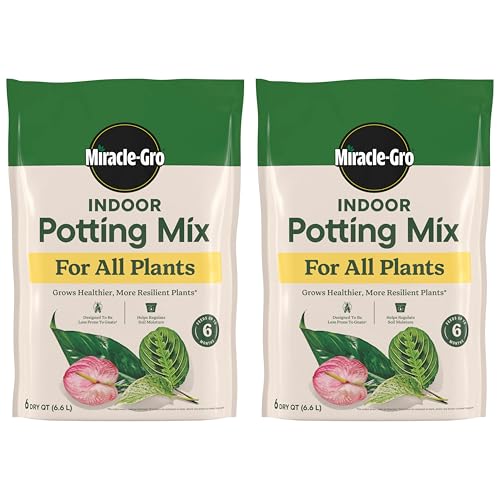
Miracle-Gro Indoor Potting Mix 6 qt. 2-Pack

Miracle-Gro Indoor Potting Mix 6 qt.

ZeeDix 6QT Coarse Perlite

ZeeDix 3QT Tropical Potting Mix
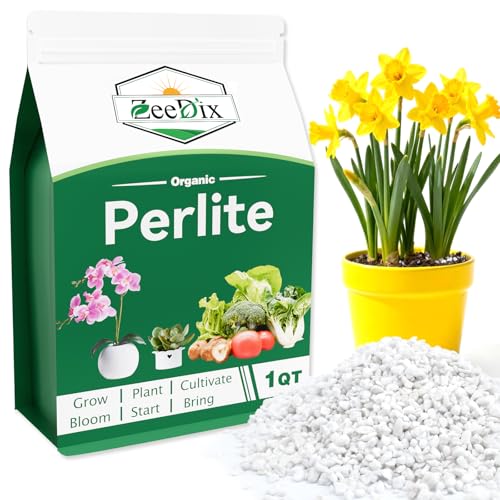
ZeeDix 1QT Coarse Perlite
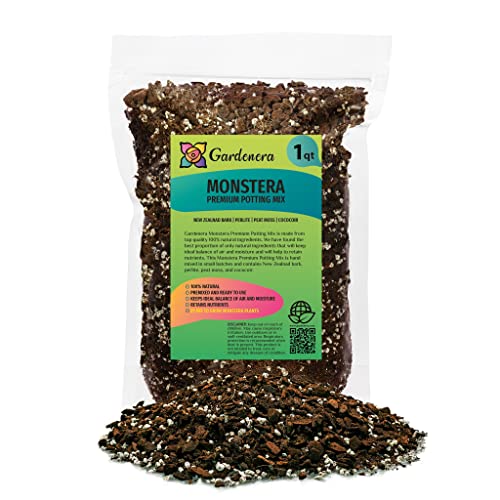
Gardenera Premium Monstera Potting Soil

Gardenera Monstera Spray Fertilizer Mist

Gardenera Monstera Organic Superfood Mist

ZeeDix 1QT Tropical Potting Mix
More On The Choices That Made The List
Coarse perlite earns its place in nearly every Monstera recipe, and ZeeDix’s 3-quart bag is the easiest entry point for anyone mixing their own aroid blend at home. The expanded volcanic granules are light enough to lift a dense peat-heavy mix without sinking to the bottom of the pot, which keeps air pockets alive around the root zone.
Compared with the larger ZeeDix 6QT bag (covered later), this smaller option suits a single repot or a quick refresh of one tired Monstera. For most apartments with a few houseplants, the size feels right and the bag stores cleanly on a closet shelf.
Everyday Wins
- Improves drainage and aeration when blended into standard potting soil
- Neutral pH that won’t shift a Monstera’s nutrient availability
- Lightweight and easy to pour straight from the bag without a mess
- Reusable across multiple repots if sifted and rinsed between uses
Things To Consider
- Pure perlite holds almost no nutrients, so it works only as an amendment, not a standalone medium
- Dust at the bottom of the bag can clog drainage holes if poured in directly
- Over time the granules compact slightly and may need refreshing during each annual repot
Who It Suits Best
DIY mixers who already own a base potting soil and want to dial up the porosity without committing to a giant bag.
A Better Fit Elsewhere
Skip this pick if you’d rather skip the mixing altogether, since Gardenera Premium Monstera Potting Soil arrives pre-blended with similar aeration.
This 2-pack gives a beginner plenty of headroom to repot a Monstera and still have leftover mix for pothos, snake plants, and the rest of the indoor jungle. The blend uses sphagnum peat moss, coir, and perlite in a ratio that most general houseplants tolerate well, which matters when you’re still learning how each species behaves.
Unlike the Gardenera blend below, this isn’t engineered around aroid-specific drainage, so you may find yourself reaching for extra perlite to keep a thirsty Monstera happy. For most new plant owners, though, the convenience of a ready-to-pour bag outweighs the trade-off.
Positive Points
- Generous 12-quart total volume covers multiple plants or large pots
- Lightweight texture is easy to work into root balls without compacting
- Coir component helps the mix re-wet evenly after drying out
Trade Offs
- Not specifically tuned for aroids, so drainage may run tight in deep pots
- Nutrient charge fades after a couple of months and requires supplemental feeding
- Packaging is bulky and hard to reseal once opened
Made For
New plant owners who want a forgiving, widely available mix to start with before investing in specialty blends.
Consider Something Else When
You want a recipe designed for aroids from the first scoop, since ZeeDix 3QT Tropical Potting Mix is blended specifically for Monsteras and their cousins.
Where the previous Miracle-Gro bag leans general-purpose, this 6-quart sibling swaps in coconut coir and skips compost and bark, which the brand claims makes it less hospitable to fungus gnats. For a Monstera in a warm living room, that single feature can save a season of swatting tiny flies near the potting bench.
You trade some of the bulk of the 2-pack for a more deliberate blend aimed at indoor container plants. If your collection sprawls across shelves and windowsills, the smaller bag still stretches nicely through a handful of repots.
Everyday Perks
- Less prone to fungus gnat infestations thanks to the bark-free, compost-free formula
- Coir holds moisture without waterlogging, which suits Monsteras that dislike bone-dry soil
- Designed for climbing, foliage, flowering, and tropical plants in one bag
Worth Noting
- Feeding window is finite, so plan to add liquid fertilizer after several months
- Smaller volume than the 2-pack, so larger collections may need backup bags
- Some owners report a faint earthy smell right out of the bag that fades within a day
Right Fit For
Gardeners juggling several houseplant species who want one bag that handles Monstera, pothos, and foliage plants without splitting hairs.
Look Elsewhere When
Your goal is an aroid-only mix engineered for chunky drainage, since Gardenera Premium Monstera Potting Soil is dialed in for that exact need.
The 6-quart sibling to ZeeDix’s smaller perlite bag makes sense once you’ve caught the soil-mixing bug and want to amend every houseplant you own. Doubling the volume saves a return trip to the retailer and keeps a working supply on hand for the next round of repots.
For most multi-plant households, the bag is a smarter buy than two of the 3-quart versions, assuming you have somewhere dry to store the surplus. In compact apartments, you may find the bag awkward to stash once opened.
What Stands Out
- Generous 6-quart volume handles multiple repots in one session
- Same coarse grade as the smaller ZeeDix bag for consistent results
- Useful across succulents, orchids, and tropical aroids alike
Some Limits To Know
- Bulk format demands a dry storage spot, since perlite can absorb ambient moisture over time
- No nutritional value, so it must be paired with a richer base soil
- Pouring from a larger bag raises more perlite dust during repotting
Best Suited To
Repotting several plants at once or stocking up for the spring growing season ahead of time.
Skip It When
You only own one or two plants and don’t need the extra supply, since ZeeDix 3QT Coarse Perlite covers a single job with less storage pressure.
This 5-in-1 tropical blend is the first bag on the list engineered with aroids specifically in mind. The label mentions Monstera, pothos, philodendron, and fern, which covers most of the popular indoor jungle staples a beginner collects in the first year.
The pre-mixed format saves you from buying three or four amendments and guessing at ratios, which is genuinely helpful if measuring cups aren’t part of your plant routine. Compared with the Gardenera Monstera blend reviewed later, this bag trades some ingredient transparency for a more accessible price point.
Features That Help
- Pre-blended 5-in-1 formula opens and pours with no extra measuring
Where It May Fall Short
- Smaller 3-quart bag may not cover a large Monstera in a deep pot
Who Will Love This
Aroid collectors with a small to medium Monstera who want a single bag tuned to their plants rather than a general-purpose mix.
Another Choice May Suit
Owners of larger or more mature Monsteras needing richer biological inputs should consider Gardenera Premium Monstera Potting Soil for its worm castings and biochar content.
The 1-quart perlite bag is the right size for a single 6-inch Monstera repot or a quick rescue mission on a waterlogged plant. It also works well as a top-dress layer to improve the look and drainage of a decorative pot.
If your shelf space is already claimed by other houseplant supplies, the small bag fits into a drawer or a covered bin without dominating the closet. For most first-time Monstera owners, this is the perlite size that actually matches how often they repot.
Well-Handled Touches
- Right-sized for a single small repot
- Stores easily in tight shelving or apartment closets
Minor Gripes
- Too small for batch soil mixing across multiple plants
- Bag format can tear at the seam if roughly handled
Perfect Match For
Apartment dwellers tending one or two small Monsteras who only need a handful of cups of perlite per repot.
Reach For A Different Pick When
You’re amending several pots in the same session, since ZeeDix 6QT Coarse Perlite gives you more room to work.
Gardenera’s blend is the only bag on this list built around Monstera deliciosa from the ingredient list up. The formula leans on organic aged bark, coco coir, and perlite, with biochar and worm castings layered in for slow-release biological activity that supports strong leaf development.
Compared with the broader Miracle-Gro blends above, this mix trades some versatility for genuine aroid focus. You won’t need to top it with extra amendments to get chunky, well-draining texture right out of the bag, which makes it a sensible pick for someone repotting a prized Monstera for the first time.
A Few Strong Suits
- Ingredient list targets Monstera-specific drainage and aeration needs
- Biochar and worm castings add gentle biological nutrition alongside the base mix
- Quick-draining structure reduces the risk of root rot in deeper pots
- Backed by a brand that publishes a transparent ingredient breakdown
Possible Compromises
- 1-quart bag runs small for very large or multiple Monsteras
- Premium positioning makes it pricier per quart than general mixes
- Biochar can darken the mix and shed fine particles during initial watering
Who Should Grab It
Dedicated Monstera owners who want a bag engineered for their plant instead of a general indoor blend with perlite added later.
Swap It Out When
You tend a wide mix of houseplants in one bag, since ZeeDix 3QT Tropical Potting Mix covers pothos and philodendron in the same scoop.
A foliar (leaf-surface) feed isn’t a soil replacement, but it belongs in this conversation because Monstera leaves drink in nutrients through their surface as well as their roots. The 3-1-2 ratio leans slightly nitrogen-heavy, which supports the broad green leaves Monsteras are loved for.
Unlike the soil products on this list, the spray format means no mixing, no measuring, no flush risk. It pairs naturally with any of the soil mixes above, especially the Gardenera Monstera Potting Soil reviewed earlier.
What Makes Sense
- 3-1-2 nutrient ratio favors lush leaf growth without overwhelming tender stems
- Spray format skips measuring spoons and dilution math
- Compact 8-oz bottle fits on a windowsill without dominating the shelf
Things To Weigh
- Foliar feeding only reaches leaves, so root-zone nutrition still matters
- Small bottle runs out quickly on large or multiple Monsteras
- Misting should happen away from direct sun to avoid leaf burn
Built With In Mind
Routine leaf-care gardeners who already have their soil dialed in and want a simple foliar boost between waterings.
Where Another Pick Suits Better
You want nutrients delivered through the root zone instead of the leaves, in which case Gardenera Monstera Organic Superfood Mist offers a richer biological blend.
This sibling spray to the previous Gardenera mist trades a simple N-P-K ratio for a wider nutrient blend. The label references 18 key vitamins and minerals, and the formula leans on micro-fungi enrichment that aims to support soil microbiome health over time.
If the standard mist feels too plain and you want a more biological feeding approach, this bottle earns its place on the shelf. It’s the rare Monstera product designed to feed the soil life alongside the plant itself, which mirrors how Monsteras behave in their native tropical habitat.
Where It Excels
- Broad 18-nutrient blend covers more than basic N-P-K feeding
- Micro-fungi component encourages a living, breathable root zone
- Organic positioning suits gardeners avoiding synthetic fertilizer salts
Factors To Consider
- Organic and micro-fungi blends can carry a noticeable scent on application
- Bottle still small at 8 oz, so heavy feeders may run through it fast
- Effects build over weeks, so impatient gardeners may not see immediate change
Whose Shelf It Belongs On
Organic-leaning households that prefer biological feeding routines and want to support soil life alongside leaf growth.
Not Your Match When
You prefer a quick, no-frills nitrogen-forward feed, since Gardenera Monstera Spray Fertilizer Mist keeps things simple at a 3-1-2 ratio.
The smallest ZeeDix tropical bag on the list is a tidy way to test whether a pre-mixed aroid blend works in your home before committing to a bigger volume. It opens, pours, and gets a starter Monstera into fresh soil without leaving much leftover to store.
For most people buying their very first tropical mix, the size removes the pressure of figuring out what to do with a half-used bag. Once your plant outgrows the pot, you can size up with confidence.
Real-World Strengths
- Pre-blended tropical formula skips the measuring step
- Compact 1-quart bag suits starter Monsteras in 4- to 6-inch pots
- Ready to use straight from the bag without extra ingredients
Details To Watch
- Bag volume won’t cover larger Monstera upgrades without buying multiples
- Limited published detail on the exact ingredient balance
Right Fit For
First-time Monstera owners who want a small, forgiving starting bag before scaling up to a larger blend.
Reach For A Different Pick When
Your plant is already in a deep pot or you want richer biological content, since Gardenera Premium Monstera Potting Soil brings worm castings and biochar to the table.
What To Weigh Before Choosing Soil For A Monstera
A Monstera in the wild climbs trees and roots into loose bark and leaf litter, which is the opposite of dense garden soil. Indoor mixes need to mimic that airy structure or the roots will suffocate and rot. Drainage, particle size, and organic content matter far more than brand recognition on the bag.
Drainage And Aeration
The single biggest decision is how fast water moves through the mix after a thorough soak. A blend that holds onto moisture for a week suits forgetful waterers, while a chunkier, perlite-heavy recipe rewards attentive care and prevents soggy root zones. Look for mixes that list perlite, orchid bark, coco chips, or pumice in the ingredient list, since these create the air pockets Monstera roots need to breathe.
Ingredient Quality And Longevity
Peat moss is the standard base for many commercial mixes, but coco coir is a more sustainable alternative that re-wets reliably after drying out. Worm castings, biochar, and compost add slow-release nutrition that feeds the soil life between waterings. Higher-end blends publish these ingredients clearly, while budget bags tend to keep them vague.
Bag Size And Storage Reality
A 6-quart bag sounds reasonable until you realize half of it will sit in a closet for months if you only own two plants. Buy what you can use in a single repotting season, and store opened bags in a sealed bin to keep moisture and pests out. Perlite is the easiest to store long-term since it stays stable in the bag indefinitely.
Matching Mix To Plant Stage
Small starter Monsteras in 4-inch pots tolerate slightly richer blends, since their limited root mass benefits from extra moisture retention. Larger, mature plants with extensive root systems do better in chunky, fast-draining mixes that prevent the core from staying wet. Picking the right texture for the plant’s stage avoids the common pattern of yellowing leaves months after a “perfect” repot.
Key Considerations Across These Picks
Common Shopping Slip Ups
The most frequent mistake is grabbing a general-purpose indoor mix and assuming it works for aroids out of the bag. Those blends often hold too much moisture and lack the chunky structure Monsteras need, leading to yellowing leaves and root rot weeks later. Check the ingredient list for perlite, bark, or coco chips before you buy, and plan to amend a general mix if those components aren’t already in the bag.
Where The Extra Money Goes
Premium aroid blends cost more because they include organic inputs like worm castings, biochar, and aged bark that budget mixes skip. Those ingredients feed soil microbes, improve drainage, and reduce the need for frequent fertilizing. If you tend a single prized Monstera, the upgrade is worth it. For a wider collection of mixed houseplants, a general blend plus a perlite amendment delivers similar results for less.
Frequently Asked Questions
Do Monsteras Need Special Soil?
Yes. Monsteras are aroids, which means their roots evolved to grab onto loose organic matter in tropical canopies rather than sit in dense garden soil. A chunky, well-draining mix with bark, perlite, or coco coir replicates that environment and prevents the root rot that kills most indoor Monsteras within a year.
Can I Use Regular Potting Soil For Monstera?
You can, but you should amend it. Standard indoor mixes hold more moisture than Monsteras prefer, so blending in roughly a third to a half of perlite or orchid bark brings the texture closer to what the plant expects. Skipping the amendment usually means watering less often and accepting slower growth.
How Often Should I Repot A Monstera?
Most Monsteras benefit from fresh soil every 18 to 24 months, though fast-growing specimens in warm rooms may need annual repotting. Signs that soil is breaking down include slower growth, water running straight through the pot, or visible compaction at the surface. Refresh the mix rather than always sizing up, especially if the root mass looks healthy.
Should I Add Fertilizer To Monstera Soil?
A fresh bag of quality mix supplies enough nutrients for the first few months, after which a balanced liquid fertilizer or foliar mist keeps growth steady through the growing season. Cut back feeding during winter when light levels drop, since Monsteras naturally slow their growth and don’t use extra nutrients efficiently.
Is Perlite Necessary For Monstera?
Perlite isn’t strictly required, but it’s the easiest way to add long-lasting aeration to a mix. Alternatives include orchid bark, pumice, and coco chips, which serve a similar function. If your bag already contains chunky components, you can skip perlite entirely.
Closing Remarks
Choosing soil for a Monstera deliciosa isn’t about chasing a single magic bag. It’s about matching drainage, texture, and organic content to the conditions in your home and the stage of your plant. Start with a blend that breathes well, refresh the mix every year or two, and watch how the leaves respond. Healthy fenestrations (the signature splits in mature leaves) and steady new growth are the most honest signals that the soil underneath is doing its job.
