

Chrysanthemums reward gardeners who pay attention to the soil beneath them. Whether you’re transplanting store-bought mums into fall containers or starting fresh cuttings in spring, the growing medium sets the tone for the whole season. A good mix holds moisture without staying soggy, drains well after a heavy rain, and gives roots room to push out and grab nutrients.
Container mums suffer fast when their soil compacts or dries out, and in-ground plantings need a base that drains and breathes. The picks below cover both situations, from rich organic blends built for flowering perennials to lighter mixes suited for tight patio pots. A few stretch beyond the mum-specific use case and work as solid all-purpose container soils, which makes them useful long after the fall color fades.
The Main Contenders
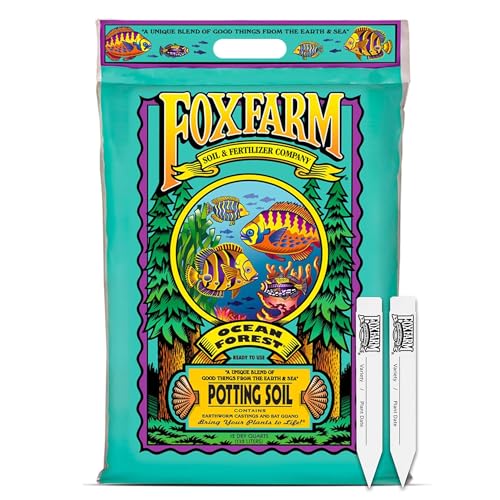
FoxFarm Ocean Forest Potting Soil with Plant Tags, 12 Quarts

FoxFarm Ocean Forest Potting Soil, 1.5 cu ft

Miracle-Gro Potting Mix, 16 qt. (2-Pack)

Wonder Soil Compressed Coco Coir 3-Pack, 30 Quarts

Coast of Maine Cobscook Blend In-Ground Garden Soil, 1 cu ft
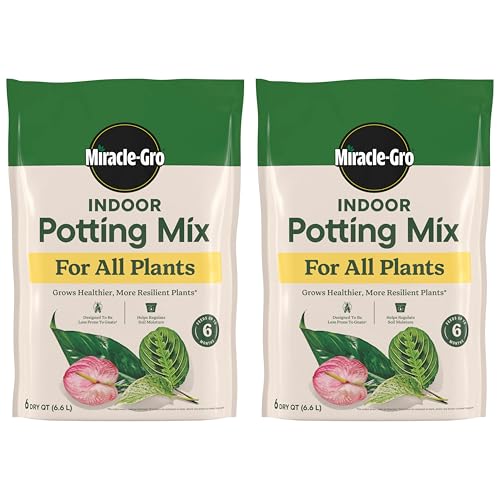
Miracle-Gro Indoor Potting Mix, 6 qt., 2-Pack

FoxFarm Ocean Forest Potting Soil for Containers, 12 Quart

rePotme Bromeliad and Jewel Classic Potting Soil Mix – Mini Bag
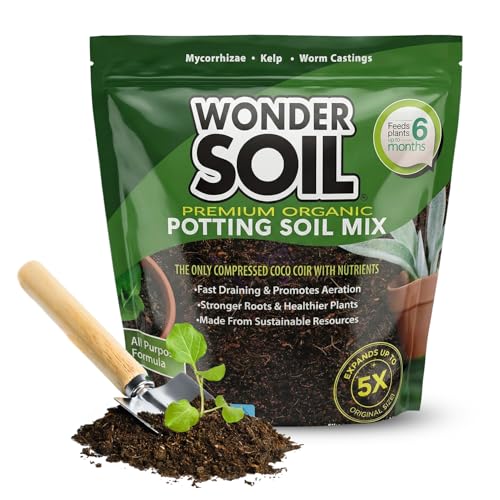
Wonder Soil Organic Potting Soil, 3 lb Bag Expands to 12 Quarts

Wonder Soil Compressed Coco Coir Block, 10 lb Expands to 72 Quarts
Meet The Standout Selections
For gardeners stepping up a fall mum display, this FoxFarm bag arrives ready to use. The 12-quart size hits a sweet spot for three or four medium containers, so you aren’t stuck storing half a bale in the garage after the planting is done. It blends earthworm castings, fish meal, and crab meal into a light, airy texture that suits mums’ relatively shallow root systems.
The included plant tags are a small touch that matters when you’re juggling multiple varieties. Comparing it to the larger FoxFarm options later in this list, this 12-quart size feels tuned for a single seasonal project rather than a whole landscape overhaul.
Why It Works Well
- Light, aerated texture promotes healthy root spread in container mums.
- Pre-mixed organic amendments give fall-planted mums a strong nutritional start.
- The 12-quart volume matches a typical front-porch mum refresh without major waste.
- Two plant tags let you label varieties and planting dates without buying extras.
- Ready out of the bag, so there’s no mixing or additional amendment required.
Trade Offs To Consider
- Organic components carry a mild earthy scent that may draw curious pets for the first day.
- Light texture dries faster in small terra-cotta pots during hot, windy stretches.
Whose Garden It Belongs In
Backyard growers refreshing a handful of porch containers for autumn color.
Reach For A Different Pick When
The FoxFarm Ocean Forest Potting Soil, 1.5 cu ft (item 2) is the smarter reach when you’re repotting a dozen large containers in one go.
Same trusted Ocean Forest recipe, scaled up for serious planting sessions. At 1.5 cubic feet, this bag comfortably fills several large mum planters or a long window box without forcing you to ration soil between containers. The blend of earthworm castings, fish meal, and crab meal gives mums a slow-release nutrient profile that carries them through their bloom cycle.
Compared to the smaller 12-quart FoxFarm entry above, this one cuts down on packaging per quart. It also suits mixed plantings beyond mums, including shrubs and vegetable starts, so the leftover bag won’t sit in the corner going stale.
The Helpful Details
- 1.5 cubic feet covers a dozen or more medium mum containers in a single batch.
- Light, aerated texture keeps roots oxygenated through wet fall weather.
- Recognized blend with consistent quality across batches and seasons.
- Versatile enough to stretch into vegetable and herb containers after mums finish.
Points To Keep In Mind
- The larger bag is heavier to carry and awkward on stairs or uneven garden paths.
- Stores best in a dry shed because the open texture absorbs moisture quickly.
- Slightly higher per-bag cost than smaller sizes, though lower per quart.
Feature Snapshot
Best Suited To
Active gardeners planting large mum groupings or refreshing multiple patio containers in a single session.
Look Elsewhere When
The Miracle-Gro Potting Mix, 16 qt. (2-Pack) is the leaner option for tighter budgets and smaller mum displays.
Miracle-Gro’s outdoor potting mix is a familiar staple, and this two-pack stretches the volume without breaking anyone’s budget. The mix is designed to feed potted plants for up to six months, which lines up neatly with mum bloom cycles through summer and fall. It’s a forgiving option for first-time gardeners who want steady, predictable results without studying amendment ratios.
The lighter texture works in standard outdoor containers, though in large mums that get heavy rain, you may want to check drainage holes stay clear. Comparing it to the FoxFarm options, the difference is mostly in the nutrient approach. Miracle-Gro leans on a synthetic feed, while FoxFarm leans organic, and that’s the main fork for shoppers to weigh.
What Pays Off
- Up to six months of built-in feeding reduces the need for separate fertilizer schedules.
- Two-pack format keeps total cost lower per quart.
- Widely available and easy to find replacement bags season to season.
- Suitable for vegetables, herbs, and annuals beyond mums.
Small Caveats
- Synthetic nutrient profile may not suit gardeners committed to organic-only practices.
- Bag contents can compact during shipping, so fluffing before potting helps aeration.
Built With In Mind
First-time mum growers and budget shoppers who want predictable results with minimal extra feeding.
Skip It When
Wonder Soil Compressed Coco Coir 3-Pack (item 4) is the right call for organic-leaning gardeners with limited storage space.
Apartment dwellers and balcony gardeners know the struggle of hauling big soil bags up narrow stairwells. This Wonder Soil set ships as three compact bricks that expand to roughly 30 quarts once hydrated, which solves the storage and transport problem in one move. The coir base, supplemented with worm castings and other organic amendments, holds moisture while still letting excess water drain.
Compared to the Miracle-Gro two-pack above, this option leans fully organic and peat-free. It’s a quieter environmental profile, though the expansion step takes a few minutes of preparation before potting actually begins.
Where It Helps
- Compressed format dramatically reduces shelf space in small apartments and closets.
- Peat-free coco coir base appeals to gardeners avoiding peat harvesting.
- Pre-loaded with organic amendments for a healthier start.
- Lightweight bricks are easier to carry than equivalent volume in heavy bags.
Practical Considerations
- Each brick needs water and a few minutes to fully expand before use.
- Coir drains faster than peat-based mixes, so mums in sunny spots may need more frequent watering.
Who Should Grab It
Urban and small-space gardeners planting mums in containers where storage and weight matter as much as the soil itself.
Swap It Out When
The Miracle-Gro Indoor Potting Mix (item 6) makes more sense for mum houseplants that need steadier moisture in low-light rooms.
In-ground mums need something different from container mums. They need soil that loosens the native bed, feeds the roots slowly, and resists compaction through a season of rain and frost. Coast of Maine’s Cobscook Blend is built for that job, layering sphagnum peat moss, compost, and aged bark into a rich, dark medium that improves sandy, clay, or compacted beds.
This is a different category from the FoxFarm and Miracle-Gro picks above, which target containers. Where those aim to retain moisture inside a pot, this blend aims to aerate and feed an existing garden soil structure.
What Makes Sense
- Loosens heavy or compacted native soil for healthier root penetration.
- Sphagnum peat moss and compost deliver a steady organic nutrient release.
- Works equally well as a bed amendment or a top-dressing layer.
- Useful across perennial borders, not just mum plantings.
Honest Caveats
- Heavier and bulkier than container mixes, so it’s not ideal for second-floor balconies.
- One bag covers a smaller footprint than the bag size suggests, depending on native soil density.
Feature Card
Perfect Match For
Garden owners establishing or refreshing in-ground mum beds, perennial borders, and lawn patches.
Not Your Match When
The FoxFarm Ocean Forest Potting Soil with Plant Tags (item 1) is the better container-focused option for porch displays.
Mums kept indoors as houseplants need a blend that balances water retention with airflow, since indoor pots dry out more slowly than outdoor ones. This Miracle-Gro indoor mix combines sphagnum peat moss, coir, and perlite for that balance. The two-pack format keeps a backup bag ready for the next repotting.
It contrasts with the Wonder Soil coir entry above by including perlite for structure rather than relying on coir alone. Indoor gardeners working in lower light will appreciate the lighter feel and the way the blend resists the soggy-compact pattern that often kills indoor mums.
Bright Spots
- Peat, coir, and perlite trio delivers balanced moisture without waterlogging.
- Lightweight enough to handle easily during indoor repotting sessions.
- Two-pack keeps a usable reserve on hand for the next transplanting.
Worth Noting
- Not formulated for outdoor beds, so it works best as a dedicated indoor medium.
- The 6-quart volume fills only a few mid-size pots per bag.
Who It Suits Best
Apartment gardeners and indoor plant collectors who keep mums on windowsills through winter.
Consider Something Else When
The rePotme Bromeliad and Jewel Classic Potting Soil Mix (item 8) is the pick for tighter pots where free-draining structure is critical.
FoxFarm offers several Ocean Forest variants in the 12-quart range, and this container-focused version leans into the classic blend of aged forest products, sandy loam, and sphagnum peat moss. The result is a slightly denser texture than the plant-tag version earlier in the list, which can help stabilize taller mum stems in deeper pots.
It still carries the fish meal and crab meal profile that has made Ocean Forest a recognizable name among mum growers. For gardeners already comfortable with the brand, this is the familiar choice, just dressed up with a more container-specific label.
Useful Touches
- Trusted FoxFarm blend in a manageable 12-quart size for casual mum refreshes.
- Aged forest products and sandy loam add weight for sturdier stem support.
- Ready out of the bag with no mixing required.
Less Ideal Details
- Slightly denser than other FoxFarm options, which can compact over a full growing season.
- No bundled plant tags compared to the sibling 12-quart bag above.
The Right Fit
Existing FoxFarm fans who want a familiar container blend at a familiar size.
A Better Fit Elsewhere
Wonder Soil Organic Potting Soil, 3 lb Bag (item 9) is a stronger match for gardeners seeking a peat-free medium in small quantities.
rePotme built its reputation on small-batch, fresh-blended mixes aimed at growers who pay attention to drainage. This classic mix is no exception, designed for free-draining containers where soggy roots are the biggest threat. Even though the bag is labeled for bromeliads and jewel-type plants, the airy structure works equally well for potted mums that hate wet feet.
The mini-bag format keeps cost manageable for a single repotting, and the freshness matters more here than with mass-market brands. Compared to Miracle-Gro’s indoor mix above, this one is lighter and faster-draining, which suits tight pots and humid indoor spots.
The Case For It
- Custom free-draining blend prevents the soggy-compact pattern that hurts mum roots.
- Made fresh in small batches, which is unusual in this category.
- Mini-bag size keeps you from overbuying for a single repotting.
Some Limits To Know
- Small bag means repurchasing for any larger planting session.
- Higher per-quart cost than mass-market container mixes.
- Drains quickly enough that very small pots may need daily watering in summer.
Made For
Detail-oriented indoor gardeners who care about drainage more than feed duration.
Another Choice May Suit
The Miracle-Gro Indoor Potting Mix (item 6) suits shoppers who want lower per-quart cost and longer feed.
This single Wonder Soil bag hits a practical middle ground. The 3-pound compressed block expands to roughly 12 quarts once hydrated, with worm castings, perlite, mycorrhizae, and kelp pre-blended into the coir base. That’s enough to fill three or four small mum containers without committing to a multi-bag pack.
Compared to the larger 72-quart Wonder Soil block later in this list, this bag suits growers who just need one season’s worth of medium. It’s also peat-free, which lines up with the values of organic-leaning gardeners who might otherwise reach for the FoxFarm options.
Positive Takeaways
- Single-bag quantity fits small mum displays without leftover waste.
- Peat-free coco coir with perlite and worm castings delivers organic nutrition.
- Compressed format keeps the unopened bag light and easy to store.
- Family- and pet-friendly formulation for households that watch what goes into the soil.
Potential Drawbacks
- Expansion requires warm water and a few minutes of stirring for full hydration.
- Coarser perlite pieces may float to the surface during the first few waterings.
Quick Facts
Who Will Love This
Organic-leaning gardeners with a few mums to pot and limited storage space.
Where A Sibling Pick Shines
Wonder Soil Compressed Coco Coir 3-Pack, 30 Quarts (item 4) is the better value when you’re repotting a dozen or more containers.
For gardeners redesigning a full mum bed or staging a community planting event, the 10-pound Wonder Soil block delivers serious volume from a single, easy-to-store item. Hydrate the block in a wheelbarrow or large tub and watch it expand to roughly 72 quarts of usable coir, all pre-loaded with worm castings and other amendments.
Compared to the smaller Wonder Soil entries above, the per-quart cost drops noticeably here, though the trade-off is the upfront effort of breaking apart and hydrating one large block. The peat-free, organic profile remains the same across all three Wonder Soil picks on this list.
Advantages To Know
- One block expands to roughly 72 quarts, ideal for full bed renovations.
- Peat-free organic profile aligns with sustainable gardening values.
- Lower per-quart cost than the single-bag Wonder Soil option above.
- Single-block format takes up far less shelf space than equivalent bagged soil.
Things That May Matter
- Requires a large container and several minutes to fully hydrate before use.
- 10-pound block is heavy to maneuver before hydration, especially on stairs.
- Expanded volume may outpace the needs of casual small-container gardeners.
Who It Suits Best
Serious gardeners planning large mum plantings, community beds, or full-yard renovations.
Consider Something Else When
Miracle-Gro Potting Mix, 16 qt. (2-Pack) is a leaner buy for casual gardeners refreshing a few patio pots.
What To Weigh Before Choosing Soils For Mums
Mums have a few quirks worth planning around. They’re shallow-rooted heavy drinkers, so drainage and moisture retention both matter more than raw nutrient content.
Container vs. In-Ground Use. Container mums need a lighter, faster-draining blend that won’t compact through a season of watering. In-ground mums need a richer amendment that loosens native soil and feeds over time. Mismatching those two is the most common reason mums struggle, so confirm where each bag will be used before checking out.
Moisture Behavior. Peat-heavy blends hold water longer and suit dry climates or forgetful waterers. Coir-heavy blends drain faster and reward more attentive watering schedules. Both work; the right pick depends on your daily routine and how much sun the planting area receives.
Organic vs. Synthetic Feeding. Organic amendments release slowly and improve soil biology over time. Synthetic feeds deliver a measured nutrient push that suits tight bloom windows. Container mums planted a few weeks before a fall event often benefit from the synthetic approach, while long-term in-ground plantings lean organic.
Storage and Handling. Compressed coir bricks ship light and store small, which matters for apartment gardeners. Bagged blends are heavier but ready to use. Plan based on where the soil will sit before planting day.
Key Considerations Across These Picks
Pitfalls Shoppers Hit
Buying the cheapest bag on the shelf often backfires with mums. Dense, low-cost mixes compact fast, and compacted soil chokes the shallow roots these flowers rely on. Look for blends that list peat moss, coir, perlite, or bark as primary ingredients rather than “topsoil” or “fill.”
Another common slip is ignoring pot size. A small mum in a 10-inch pot won’t use the same volume as a large mum in a 16-inch planter, so matching bag size to pot count prevents overbuying or running short halfway through the project.
Where The Extra Money Goes
Premium blends charge more for specific things: aged and screened organic amendments, balanced drainage components, and consistent batch quality. Those features show up as steadier growth and fewer transplant shock issues.
For a single seasonal mum display, the upgrade rarely matters. For a perennial bed you’re building around for years, the better ingredients repay themselves through stronger root systems and richer soil biology season after season.
Frequently Asked Questions
Do mums prefer acidic or neutral soil?
Mums grow best in slightly acidic to neutral soil, roughly in the 6.5 to 7.0 pH range. Most quality potting mixes already sit in that range, so mums rarely need pH adjustment unless native soil is unusually alkaline.
Can I use garden soil for potted mums?
Garden soil compacts quickly in containers and often brings along weeds and pests. A dedicated potting mix with peat, coir, or bark stays lighter and drains more evenly, which is what container mums need to thrive.
How often should I water mums in containers?
Container mums usually need watering every other day during warm weather, and sometimes daily once they’re fully leafed out. Check the top inch of soil, and water when it feels dry rather than on a fixed schedule.
Should I fertilize mums after planting?
If the potting mix already feeds for several months, hold off on extra fertilizer for the first month. After that, a balanced liquid feed every two to three weeks supports continued bud development through the bloom cycle.
When is the best time to repot mums?
Early spring, just as new growth emerges, is the ideal window. Fall-planted mums can also be moved into larger containers as long as root systems are handled gently and the soil stays moist during recovery.
Closing Thoughts
The right soil for mums comes down to matching the medium to the planting situation, container or ground, and to the gardener’s routine. Light, airy blends work in pots, while richer amendments give in-ground beds a longer-term boost. Pick the option that fits the project in front of you, and the blooms usually follow.
