

Palm trees like a mix that drains fast, holds some moisture, and stays loose enough for thick roots to push through. Most palms actually dislike rich, peaty houseplant soil, because waterlogged roots quickly turn into rot. The right blend leans on sand, perlite, pine bark, or coco coir to mimic the airy, well-drained ground palms naturally grow in.
If you’re repotting a parlor palm on a windowsill or planting a majesty palm in a patio pot, the soil choice matters as much as the pot. This lineup covers ready-to-use potting mixes, compressed coco coir blocks, and mulches you can blend in for drainage.
A Closer Look At The Lineup
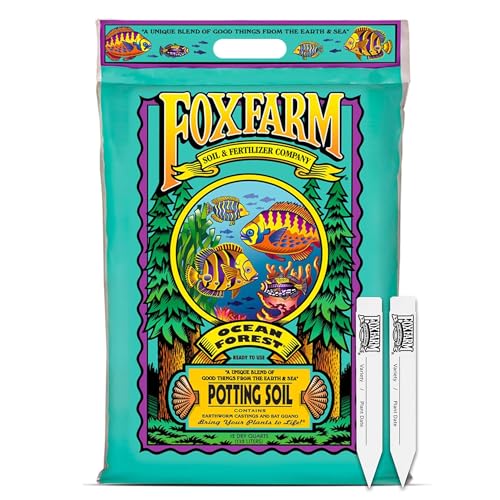
FoxFarm Ocean Forest Potting Soil with 2 Plant Tags, 12 Quarts

FoxFarm Ocean Forest Potting Soil, 1.5 cu ft

PlantBest Coco Mulch Compressed Block 9.1 lb (64 Quarts)

Wonder Soil 30-Quart Compressed Coco Coir 3-Pack

GARDENWISE Organic Olive Tree Potting Mix (3 Quarts)

Coast of Maine Cobscook Blend In-Ground Garden Soil (1 cu ft)
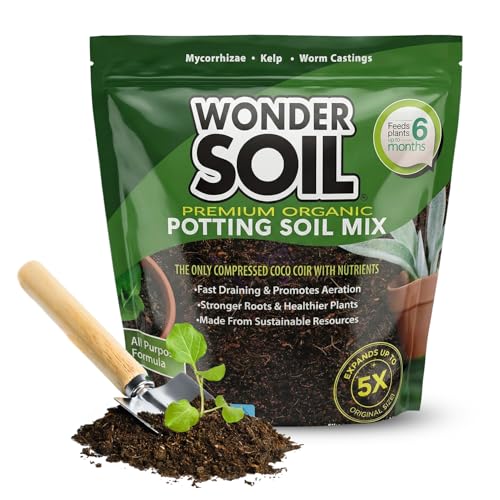
Wonder Soil Organic Potting Soil 12 Quarts (3 lb Bag)

Wonder Soil 72-Quart Compressed Coco Coir Block (10 lb)

PlantBest Coco Peat Garden Soil (Peat-Free Concentrate)

PlantBest Coco Mulch Compressed Block 9.1 lb (64 Quarts)
Inside Each Recommended Option
A 12-quart bag is the sweet spot for a single repotting session, and the FoxFarm Ocean Forest blend is widely used as a base for tropical container plants. The texture is light and aerated (meaning air moves freely between particles), which helps palm roots push through without compacting around them.
For most people repotting a parlor palm, majesty palm, or areca palm in a 10- to 14-inch pot, this size is plenty. The included plant tags help you keep track of varieties and transplant dates, a small touch that matters once you start collecting multiple palms.
Noteworthy Benefits
- Light, aerated texture that resists compaction in container palms
- Ready to use straight from the bag with no mixing required
- Fish meal, crab meal, and earthworm castings feed palms during the active growing season
- Compact 12-quart bag fits inside a small closet or potting bench shelf
- Two plant tags let you label variety and repot date on the spot
Things To Consider
- Smaller bag means you’ll need more for a large patio planter or multiple repottings
- Holds moisture a bit more than pure palm mixes, so you may want to add extra perlite for areca palms
Who It Suits Best
Anyone repotting a single mid-size indoor palm or working through a small batch of houseplants who wants a nutrient-rich, ready-to-go mix.
Where Another Pick Suits Better
If you’re repotting several large palms in one go, the FoxFarm Ocean Forest 1.5 cu ft bag covers more ground per dollar.
The bigger sibling to the 12-quart bag, the 1.5 cu ft FoxFarm Ocean Forest gives you the same blend at a more useful scale for serious palm collections. If you maintain several container palms on a patio or in a sunroom, this size keeps you stocked through the spring repotting rush.
Compared to the smaller bag above, this one trades closet-friendly portability for fewer trips to restock. The light, aerated texture still leans toward moisture retention, so plan to cut it with extra perlite for palms that prefer drier feet.
Where It Excels
- 1.5 cu ft volume handles multiple medium to large palms in one purchase
- Same trusted FoxFarm blend as the smaller bag, with no formula trade-off
- Reduces bag clutter versus buying several small bags at once
- Pre-amended with earthworm castings for a nutrient boost at transplant time
Worth Noting
- Heavy bag (around 35-40 lbs depending on moisture), tough to carry up apartment stairs
- Needs perlite or pumice mixed in for palms that demand sharp drainage
- Once opened, the bag has no reseal flap, so you’ll want a clip or bin to keep it fresh
Right Fit For
Palm collectors repotting multiple plants in the same season who want to buy in bulk without sacrificing blend quality.
Skip It When
If your apartment has no easy ground-level storage, the Wonder Soil 12-quart compressed bag is far easier to haul and store.
Coco mulch is a smart top-dressing and soil amendment for palms because coconut husk fibers break down slowly and resist matting. The PlantBest block ships as a 9.1 lb slab, expands to about 64 quarts when you add water, and covers roughly 17.5 square feet at a 1-inch depth.
If you store soil in a small garage or shed, the compressed form is a real space saver. It also weighs less than a comparable bag of bark mulch, so carrying it out to the patio is far easier.
Everyday Perks
- Expands to roughly 64 quarts from a single 9.1 lb block, replacing bulky bags
- Covers up to 17.5 square feet as mulch around palms and tropical beds
- Organic coconut fiber resists compaction on top of palm root zones
- Easier to store and transport than loose mulch in heavy plastic bags
Trade Offs
- You’ll need a large tub or wheelbarrow to hydrate and break the block apart
- On its own, it isn’t a complete potting mix for palms, so it works best blended with sand, perlite, or bark
Made For
Tropical gardeners who want a renewable mulch to top-dress palm beds or mix into heavier clay soil for better airflow.
Another Choice May Suit
For a pre-amended coco coir that already includes perlite and worm castings, the Wonder Soil 12-Quart bag works straight out of the package.
Wonder Soil’s 30-quart 3-pack arrives as three compressed bricks that expand with water into a fluffy growing medium. Unlike plain coco coir, this version comes pre-loaded with worm castings, mycorrhizae (beneficial fungi that help roots absorb nutrients), and kelp, so the blend feeds palms right away.
For someone crafting their own palm mix, this gives you a nutrient-enriched base to cut with perlite or pine bark. In our view, it’s a smart middle ground between a fully prepared potting mix and a raw amendment.
Useful Touches
- Three bricks expand to roughly 30 quarts combined, enough for several medium palms
- Pre-loaded with worm castings, mycorrhizae, and kelp to jump-start root growth
- Dry, lightweight bricks are easy to ship, store, and carry up stairs
- Peat-free formula suits gardeners avoiding traditional peat bogs
Points To Note
- Holds moisture well, so sandy-soil palms like Bismarckia may need extra perlite for drainage
- Bricks take 5 to 10 minutes to fully hydrate, longer than some gardeners expect
- Single bag expansion is around 10 quarts, which can run short for one very large container
Who Will Love This
DIY soil blenders who like tweaking ratios and want a coir base that already includes organic amendments.
A Better Fit Elsewhere
If you prefer a fully blended, ready-to-pour mix, the FoxFarm Ocean Forest 1.5 cu ft bag saves the mixing step.
Mediterranean-style palms like European fan palms and dwarf date palms thrive in conditions similar to olive trees, and the GARDENWISE Olive Tree Mix is built for that exact environment. It balances fast drainage with enough organic matter to hold moisture between waterings.
For people growing drought-tolerant palms in pots on a sunny balcony or patio, this mix skips the rich, water-holding blends that cause root rot. The 3-quart size is targeted at one or two small-to-medium containers.
Positive Points
- Fast-draining formula prevents soggy roots in dry-loving palms
- Organic ingredients including worm castings and compost feed palms for roughly a year
- Limestone content balances pH (soil acidity) for Mediterranean species
- Works indoors and outdoors without separate mixes
Honest Caveats
- Only 3 quarts, so larger majesty palms or areca palms will need multiple bags
- May dry out quickly in unglazed terracotta pots during summer heat
Perfect Match For
Container gardeners focused on Mediterranean and arid-climate palms who want a purpose-built mix without DIY blending.
Look Elsewhere When
Tropical humidity-loving palms like lady palms will do better in a richer, moisture-retentive base such as FoxFarm Ocean Forest.
The Coast of Maine Cobscook Blend is an in-ground garden soil rather than a container mix, which makes it ideal for planting palms directly into landscape beds. It combines sphagnum peat moss, compost, and aged bark, giving outdoor soil a richer texture and better water-holding capacity.
If you’re preparing a planting hole for a queen palm or windmill palm in sandy or clay-heavy ground, this blend loosens and enriches the area before transplant. The trade-off is that it isn’t a standalone container mix, so it’s better suited to in-ground applications.
Real Benefits
- Compost and aged bark feed palms through their first growing season
- Sphagnum peat moss helps sandy soil hold moisture around new roots
- Loosens compacted or clay-heavy planting sites for easier root establishment
- Works as a top-dress to reduce weeds around established palms
Less Ideal Details
- Too dense for indoor containers without significant perlite added
- 1 cu ft bag is modest for large landscape installations, so larger palms require multiple bags
Best Suited To
Landscape gardeners planting palms directly in the ground or amending tired beds around existing tropical gardens.
Reach For A Different Pick When
Indoor palm growers in pots should look at the Wonder Soil 12-Quart compressed bag for a fluffier container-ready medium.
Wonder Soil’s 12-quart bag ships as a 3 lb compressed brick that expands to a full 12 quarts once you add water. The formula includes worm castings, perlite (a volcanic mineral that improves drainage and aeration), mycorrhizae, and kelp, so you get drainage plus nutrition in a single product.
This is one of the easier picks for apartment dwellers with no real storage space. The brick fits in a kitchen drawer until you’re ready to repot, and perlite is already mixed in, which saves a step.
Reasons It Performs
- Pre-blended perlite adds drainage without requiring separate purchases
- Worm castings, mycorrhizae, and kelp feed palms for up to four months
- Compressed 3 lb brick fits on a shelf and expands to 12 quarts of finished mix
- Pet-safe and family-safe formula for households with curious kids or animals
Points To Keep In Mind
- 12 quarts only covers one or two small to medium palms, not large patio planters
- Hydration takes a few minutes and a large bucket, which can feel fussy the first time
Built With In Mind
Apartment growers and small-space gardeners who want a clean, shelf-friendly product that delivers drainage and nutrients in one go.
Swap It Out When
For drought-tolerant palms that prefer even sharper drainage, the GARDENWISE Olive Tree Mix is purpose-built for that profile.
The 72-quart block is the largest Wonder Soil option in this lineup, expanding to roughly 72 quarts of finished coir from a single 10 lb slab. For palm growers running a small nursery operation or repotting a dozen plants at once, this single block replaces multiple bagged mixes.
You still get the same worm castings, mycorrhizae, and kelp amendments as the smaller Wonder Soil bags, so nutrition is consistent. The honest read is that this only makes sense if you have a large container, a wheelbarrow, and the time to fully hydrate one big brick.
What Pays Off
- 10 lb block expands to 72 quarts, enough for several large palms in one purchase
- Same nutrient-loaded formula as the smaller Wonder Soil bags
- Replaces the clutter of multiple smaller bags in a garden shed
- Cost-per-quart tends to drop as volume scales up
Practical Considerations
- Requires a sizeable container or wheelbarrow to hydrate without mess
- Once expanded, 72 quarts is hard to store if you don’t use it all at once
- Coir alone lacks perlite, so you may still need to buy a separate drainage amendment
Whose Shelf It Belongs On
Active palm collectors or hobbyists with multiple repotting sessions lined up in the same week.
Not Your Match When
Casual growers with one or two palms will find the Wonder Soil 12-quart bag far more manageable for occasional use.
PlantBest’s coco peat block is triple-washed and low in salts, which gives it a cleaner starting point than many bulk coir products. It expands to roughly 79 quarts or 2.65 cubic feet from a single 11 lb block, making it a high-yield concentrate for serious blenders.
For gardeners who’ve had root-tip burn from cheap coir in the past, the triple-wash step is a meaningful difference. It still functions as an amendment rather than a complete mix, so pair it with perlite and bark for full palm performance.
What Works In Its Favor
- Triple-washed formula reduces salt content that can stress palm roots
- Expands to about 79 quarts from an 11 lb block, an efficient storage-to-volume ratio
- Peat-free choice for gardeners avoiding traditional peat harvesting
- Clean, low-dust hydration compared to some bark-heavy alternatives
Small Limitations
- Not a complete mix on its own, so you’ll need perlite or pumice for proper palm drainage
- Block expands quickly once water hits it, so prep your bin before opening
Who Should Grab It
DIY mixers who want a clean, low-salt coco base to combine with perlite, orchid bark, or charcoal for a custom palm blend.
Consider Something Else When
If you want amendments already mixed in, the Wonder Soil 30-Quart 3-Pack comes with worm castings and perlite included.
The PlantBest 9.1 lb compressed mulch block is essentially the smaller cousin of the coco mulch covered earlier, with identical expansion to roughly 64 quarts and 17.5 square feet of coverage. It targets the same use case, mulching around tropical beds and palm groupings, just from a slightly newer packaging line.
If you’ve been unable to find the other PlantBest mulch in stock, this version is a near-identical alternative. It still works best as a top-dress or amendment rather than as a standalone palm soil.
A Favorable Mix
- Expands to roughly 64 quarts and covers up to 17.5 square feet when laid 1 inch thick
- Compressed 9.1 lb block is far easier to carry than equivalent bagged mulch
- Coconut fibers resist matting, helping water reach palm roots beneath
- Useful for refreshing mulch layers around established palms in tropical beds
Factors To Consider
- Hydration needs a large tub and a few minutes of manual breaking apart
- Acts as an amendment, not a full potting mix, so it doesn’t replace a base soil for containers
The Right Fit
Tropical gardeners refreshing mulch layers around outdoor palms or building up bed depth over a growing season.
Where A Sibling Pick Shines
For a product that doubles as a soil amendment and a top-dress, the Wonder Soil 72-quart block offers pre-loaded nutrients the mulch-only block skips.
What Matters In A Palm-Friendly Soil
Drainage is the single biggest factor for palms. A mix that holds water too long suffocates roots and invites fungal issues, especially in indoor pots without outdoor airflow. Look for ingredients that create air pockets: perlite, pumice, pine bark, and coarse sand all help water move through quickly while still retaining some moisture.
Texture matters as much as the ingredient list. A loose, gritty blend resists compaction over months of watering, which lets new feeder roots spread out. Dense, peat-heavy soils tend to settle into a soggy mass at the bottom of containers, and that’s where palm root rot usually begins.
Match the mix to your climate and palm type. Tropical understory palms like parlor and majesty palms tolerate richer, moisture-retentive blends. Mediterranean and arid palms, including European fan palms and Bismarckia, prefer faster-draining mixes with less organic matter. If you’re planting in the ground, amend generously with coarse material so the planting hole doesn’t hold a water pool around the root ball.
Key Considerations Across These Picks
Common Buying Slip Ups
Choosing a general-purpose houseplant mix for a palm is one of the most frequent mistakes. Those blends usually retain too much moisture and lack the grit palms need, especially in deeper containers where the bottom stays wet. Another common slip is buying a large compressed block without checking whether you have a tub large enough to hydrate it. Blocks expand fast, and a too-small container means messy overflow.
Where The Extra Money Goes
Higher-tier palm mixes often include pre-blended perlite, organic amendments like worm castings or kelp, and in some cases limestone for pH balance. Those additions save you from buying separate perlite and fertilizer bags, and they shorten the time between repotting and active growth. The upgrade is worth it for gardeners with several palms, but a single mid-size indoor palm does perfectly well in a more basic, well-draining blend supplemented with a little extra perlite.
Frequently Asked Questions
Do palms need special soil?
Yes. Palms do best in a loose, well-draining mix that still holds some moisture. Dense, peat-heavy houseplant soils tend to stay too wet at the root level and cause rot.
Can I use regular potting soil for palms?
You can, but you’ll want to cut it with perlite, pumice, or pine bark to improve drainage. Most general potting mixes retain more water than palms prefer.
Is cactus soil good for palms?
Cactus soil drains faster than typical palm mixes, so it works for arid palms like Bismarckia or European fan palms. Tropical palms prefer a slightly more moisture-retentive blend with organic matter added.
How often should I repot a palm?
Most indoor palms benefit from repotting every 2 to 3 years, or when roots start circling the drainage holes. Spring and early summer are the best windows because palms push new growth then.
Do palms like coffee grounds in their soil?
Used coffee grounds add mild acidity and organic matter, but they’re best composted first or used sparingly. Fresh grounds can compact and throw off moisture levels around palm roots.
Wrap Up
The right soil sets the foundation for healthy palm growth, and the best choice depends on whether you’re working with indoor pots, large patio containers, or in-ground beds. Match the drainage level to your palm species, and don’t be afraid to amend a basic mix with perlite or pine bark. A little attention to the soil up front saves a lot of troubleshooting down the road.
