

Potted palms live or die by their substrate. In a tight root zone, water either drains like a sieve or sits until roots rot, and most bagged mixes on the shelf are tuned for general houseplants rather than a majesty or areca palm’s preference for steady moisture without saturation. If your fronds are yellowing at the tips, the soil beneath them is the first place to investigate. This roundup pairs ten container-friendly mixes and supplements with the practical differences between them, so you can match a bag to the palm, the pot, and the light it actually lives in.
A Quick View Of The Lineup
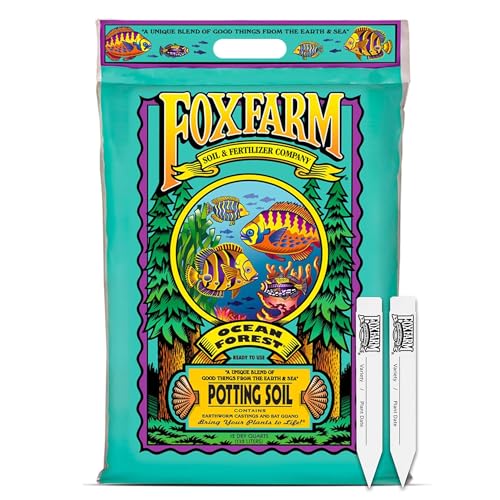
FoxFarm Ocean Forest Potting Soil with 2 Plant Tags, 12 Quarts

FoxFarm Ocean Forest Potting Soil, 1.5 cu ft

Wonder Soil Compressed Coco Coir, 30 Quarts (3-Pack)

Gardenwise Organic Olive Tree Potting Mix, 3 Quarts
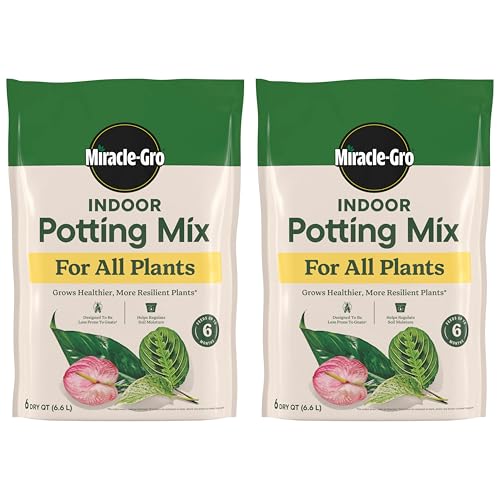
Miracle-Gro Indoor Potting Mix, 6 qt, 2-Pack
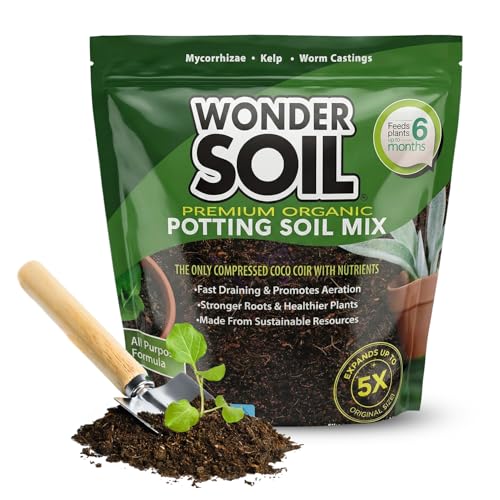
Wonder Soil Organic Coco Coir, 12 Quarts

Wonder Soil Compressed Coco Coir, 72 Quarts
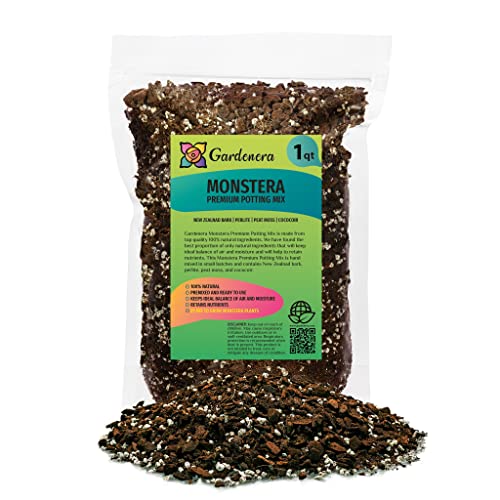
Gardenera Premium Monstera Potting Soil, 1 Quart

Gardenera Professional Monstera Spray Fertilizer Mist, 8 oz

Gardenera Professional Monstera Organic Superfood Spray Mist, 8 oz
Inside Each Recommended Option
FoxFarm’s Ocean Forest in the 12-quart size is a sensible starting point for someone repotting a single parlor palm or areca into a fresh container. The texture is light and aerated, so newly disturbed roots find oxygen rather than being smothered in dense loam. Because it ships ready-to-use, you can move straight from bag to pot without measuring amendments, which removes a step beginners often skip.
Where this bag earns its spot is the inclusion of fish meal, crab meal, and earthworm castings, which together feed the soil biology that palms rely on for steady nutrient uptake. Compared with the bigger 1.5 cu ft FoxFarm sibling further down the list, this smaller format is easier to carry up a stairwell and easier to store in a closet. You may find 12 quarts light for anything beyond a 10-inch pot, so plan to top off with another bag if you are stepping up.
Reasons It Performs
- Ready-to-use straight from the bag, no amendment math required
- Light, aerated texture suits palms that resent compacted roots
- Includes organic nutrient sources like earthworm castings, fish meal, and crab meal
- Small 12-quart volume is genuinely portable for apartment dwellers
- Comes with two plant tags to mark variety and repot date
Things To Consider
- The 12-quart size runs out quickly in pots over 10 inches across
- Not specialty-tuned, so very large palms may want added perlite for faster drainage
Right Fit For
Beginners repotting a single parlor palm, majesty palm, or areca into a modest container who want a forgiving, ready-to-use mix without juggling separate amendments.
Look Elsewhere When
You are repotting several mature palms in 14-inch or larger containers, where the FoxFarm 1.5 cu ft bag gives far better value per quart.
If your palm collection extends beyond a single specimen, the 1.5 cu ft Ocean Forest is the same proven blend in a workload-friendly volume. The light, aerated feel holds moisture long enough between waterings to keep fronds from crisping, yet still lets excess water run through rather than pooling at the root crown. That balance matters most for palms in decorative indoor pots without aggressive drainage holes.
You trade the convenience of the smaller 12-quart bag for a noticeably better cost-per-quart, which adds up fast once you start filling 12-inch and 14-inch pots. The bag is heavy, so plan a clear path from the door before you open it, and store the remainder in a lidded bin to keep it from drying out between repottings. This format suits people running a real rotation of indoor plants rather than the occasional rescue repot.
Everyday Wins
- Large volume lowers the per-quart cost for multi-palm households
- Same aerated texture as the smaller Ocean Forest bag
- Designed for all container plants, so leftover soil stays useful
- Earthworm castings support steady biological activity in the root zone
Honest Caveats
- Heavy bag to haul up stairs or across an apartment
- Best paired with perlite for palms in low-drainage decorative pots
- Once opened, remaining soil needs a sealed bin to keep moisture steady
Feature Snapshot
Whose Shelf It Belongs On
Collectors maintaining several indoor palms and other container plants who want a proven, repeatable base mix at a sensible per-quart cost.
Reach For A Different Pick When
You only need a small amount for one tiny pot, in which case the 12-quart FoxFarm Ocean Forest is the lighter, less wasteful choice.
The Wonder Soil 3-pack delivers 30 quarts of expanded coir from three small compressed bricks, which is a genuinely different ownership experience from a heavy bag of pre-mixed soil. You hydrate the brick, watch it swell, and fluff it before planting, which keeps shipping weight low and storage trivial in a studio apartment. Coco coir is also a peat-free route, which matters if you prefer to keep peat bogs out of your gardening footprint.
For palms specifically, coir drains faster than standard potting soil and holds air around roots, a profile that suits majesty palms and cat palms that hate sitting in water. Compared with the FoxFarm Ocean Forest picks above, this is a much more minimal base: it leans on amendments like worm castings for nutrition rather than carrying a full nutrient blend in the bag. You will likely want to fertilize on a steady schedule once palms settle in, which the foliar mists later in this list are designed for.
Key Advantages
- Three small bricks store easily on a closet shelf until needed
- Peat-free coco coir supports palm-friendly drainage and airflow
- Pre-loaded with worm castings so you start with biological life in the mix
- Hydration is fast, the bricks expand to usable volume in minutes
Practical Considerations
- Coir alone dries faster than peat-based mixes, so watering frequency rises
- You will likely need a fertilizer routine since the nutrient load is modest
Best Suited To
Small-space gardeners and shipping-conscious shoppers who want a compact, peat-free base they can hydrate on demand for a few indoor palms.
Skip It When
You prefer a single ready-to-pour bag with no hydration step, in which case the FoxFarm Ocean Forest 12-quart bag is a smoother experience.
Mediterranean-style plants share a lot of root-zone preferences with palms, and the Gardenwise Olive Tree mix leans into that overlap. It is built to mimic the loose, gritty soils olives and other sun-loving shrubs evolved in, which means water moves through it quickly rather than hanging around. For a ponytail palm or a Mediterranean fan palm in a sunny window, that fast drainage is exactly the brief.
The 3-quart pouch is small enough to treat as a trial rather than a commitment, useful if you are trying a different palm in a different corner of the room and want a substrate tuned to drier conditions. Worm castings, compost, and limestone support a balanced pH and steady nutrition, which suits long-term container growing. Where it falls short is volume: a 3-quart bag covers one modest pot, not a repotting weekend across the whole plant shelf.
Everyday Advantages
- Fast-draining profile mirrors what sun-loving palms naturally prefer
- Organic ingredients like worm castings and compost feed soil biology
- Limestone helps stabilize pH in containers over time
- Small pouch format works well as a trial for one new palm
Worth Bearing In Mind
- Only 3 quarts fills a single small-to-medium pot
- Formulated for Mediterranean shrubs first, palms as a fit-by-extension
- Drains fast enough that low-light palms may need more frequent watering
Made For
Gardeners growing ponytail palms, Mediterranean fan palms, or olive trees who want a substrate tuned for dry-loving, fast-draining conditions.
Consider Something Else When
You are repotting multiple moisture-loving palms like areca or parlor, where the Wonder Soil 30-quart 3-pack gives a friendlier water curve.
Miracle-Gro’s Indoor Potting Mix is the easy-to-find, no-surprise option that anchors a lot of houseplant care routines. The blend combines sphagnum peat moss, coir, and perlite, which is a sensible trio for moisture retention with built-in aeration. The 2-pack gives you 12 quarts, enough for one solid repot or several small top-offs across a windowsill of indoor palms.
You give up the richer organic inputs of FoxFarm’s Ocean Forest in exchange for a lighter-weight bag and broader retail availability. For most beginners, that tradeoff is worth it because you can grab a replacement bag locally without reordering. The mix is also formulated without bark or compost that sometimes carries fungus gnats into living rooms, which matters if your palm shares space with a couch.
Notable Upsides
- Widely available in physical stores, easy to replace in a pinch
- Peat, coir, and perlite blend balances moisture and airflow
- Lightweight formula is easier to carry and pour than denser mixes
- Two-pack format stretches across multiple small palm pots
A Few Limitations
- Lacks the organic nutrient load of FoxFarm’s blends
- Peat base compacts over time, so refresh every 12 to 18 months
- Less forgiving for palms in pots without drainage holes
At A Glance
Who Should Grab It
First-time palm owners who want a forgiving, widely available mix and are willing to fertilize on a routine schedule.
Swap It Out When
You want richer organic nutrition baked into the soil itself, where the FoxFarm Ocean Forest 12-quart bag pulls ahead.
The 3 lb bag of Wonder Soil in the 12-quart expanded format is the right size for one mid-size palm repot. It carries the same peat-free coco coir base as the 30-quart 3-pack, with perlite and worm castings mixed in to support drainage and soil life. The compressed format means the package arrives as a brick you hydrate on a tarp or in a bucket before planting.
Compared with the Miracle-Gro Indoor mix above, this is a more hands-on experience: you mix in water, fluff the coir, and end up with a lighter, airier medium. That trade-off pays off for palms in bright light where overwatering is the most frequent failure. For low-light rooms with slower water uptake, you may find yourself watering more often than with peat-heavy mixes.
Advantages To Know
- 12-quart expanded volume is well-matched to a single mid-size palm pot
- Includes perlite for drainage and worm castings for soil biology
- Peat-free and lightweight to ship and store
- Pre-amended with kelp and mycorrhizae for stronger early root growth
Smaller Caveats
- Hydration step adds a few minutes of prep before potting
- Coir dries faster than peat, so monitor watering in low light
Who It Suits Best
Anyone repotting a single parlor, areca, or majesty palm who prefers a peat-free, lighter mix and doesn’t mind a quick hydration step.
Not Your Match When
You want a pour-and-plant bag with zero prep, in which case the Miracle-Gro Indoor 2-pack keeps the routine simpler.
The 10 lb compressed block expands to 72 quarts of coir, which is enough substrate for an entire palm shelf or a serious repotting session. For households running multiple large palms in 12 to 16-inch pots, the cost per quart drops sharply versus buying several smaller bags. The block arrives dense and compact, so a bucket or wheelbarrow is the practical hydration vessel of choice.
You get the same peat-free, perlite-and-castings-amended blend as the smaller Wonder Soil options, just at scale. Owners commonly break the block apart in a wheelbarrow with a hose to expand it in batches, which keeps the mess contained and lets you mix only what you need. If your palm collection is small orcasual, this volume is overkill, but for serious container gardeners, the math works.
The Practical Payoff
- 10 lb block expands to 72 quarts, the best per-quart cost in the lineup
- Peat-free coco coir suits bright-light palms that hate sitting in water
- Pre-loaded with worm castings, perlite, kelp, and mycorrhizae
- Compact block format is easier to ship and store than pre-bagged mix
Potential Sticking Points
- Hydration takes 15 to 30 minutes and a large container
- Excess expanded coir must be stored sealed to prevent drying out
- Smaller collections will not get through it before it loses freshness
Quick Facts
Perfect Match For
Multi-palm households or patio gardeners who want a high-volume, peat-free base at the lowest cost per quart in the roundup.
A Better Fit Elsewhere
You maintain just one or two indoor palms, where the Wonder Soil 12-quart bag is a less wasteful commitment.
Although it is marketed for monsteras, the Gardenera Premium mix is a quick-draining aroid blend that translates well to bright-light palms. It leans on aged bark, coco coir, perlite, peat moss, biochar, and worm castings, which together create an airy, chunky texture. That texture is the point: it keeps water moving through the root zone rather than settling, which matters for palms prone to root rot.
The trade-off is the 1-quart size, which only covers a small starter pot or a single top-up. Once you see how much faster a palm responds in a chunky, well-aerated medium, you may want to scale up. The honest read is that this bag works best as a trial of a faster-draining philosophy rather than as your full substrate supply.
Real-World Strengths
- Chunky, bark-and-perlite texture supports aggressive root aeration
- Coir and peat moss balance moisture without waterlogging
- Biochar and worm castings add slow-release organic support
- Well-suited for palms in bright light with frequent watering schedules
Things To Weigh
- Only 1 quart fills a small pot, not a full repot
- Chunkier texture means more frequent watering in dry indoor air
- Premium ingredients command a higher per-quart cost than bulk mixes
Built With In Mind
Palm growers willing to water more often in exchange for a chunky, aroid-style medium that resists compaction in bright, warm rooms.
Where A Sibling Pick Shines
You want a larger volume at lower cost for several palms, where the FoxFarm Ocean Forest 1.5 cu ft bag gives far better reach.
Foliar feeding is a useful supplement to a solid potting mix, especially for palms that have been in the same container for a year or more. The Gardenera Spray Mist uses a gentle 3-1-2 nitrogen-phosphorus-potassium ratio, which is mild enough for regular use without burning leaf tips. A quick mist on the fronds gives palms a top-up between soil-based feedings, which is convenient if you tend to forget granular fertilizer schedules.
This is a supplement, not a substitute: the underlying soil still needs to drain and feed the roots. Think of the mist as a refresher for the leaves, not the whole plant. You may find the 8 oz bottle small if you have many palms, since each frond gets the spray rather than the soil.
Positive Points
- Gentle 3-1-2 ratio suits regular foliar use on indoor palms
- Mist format is faster than mixing liquid fertilizer
- Useful bridge between soil feedings during active growth months
- Compact 8 oz bottle fits on a windowsill or plant cart
Where It Is Less Suited
- Foliar feeding is not a replacement for soil-based nutrition
- 8 oz runs out quickly across multiple palms
- Spray coverage is less effective on dusty or waxy fronds
Who Will Love This
Palm owners who want a low-effort foliar boost alongside a quality soil base, especially during spring and summer growth spurts.
Another Choice May Suit
You want a richer nutrient program baked into the substrate itself, where the FoxFarm Ocean Forest picks carry more upfront.
The Organic Superfood Mist is the more botanical cousin of the standard Gardenera spray, leaning on micro-fungi enrichment and a broader vitamin-and-mineral blend. For palm growers who prefer to keep their care routine as organic-leaning as possible, this mist layers biological life onto the leaves in addition to the soil biology already working below.
It occupies the same niche as the previous Gardenera spray but tilts toward organic-minded gardeners who want a wider nutrient profile on the foliage. You still need a well-draining base mix underneath, so pair it with one of the FoxFarm or Wonder Soil picks earlier in this roundup. For households with curious kids or pets that brush against leaves, the spray format also limits mess compared with liquid fertilizers.
Features That Help
- Organic-leaning formula with micro-fungi enrichment for biological activity
- Broad 18-vitamin-and-mineral blend supports foliage between soil feedings
- Spray format avoids the spills of liquid fertilizer bottles
- Pairs naturally with coco-coir-based mixes that already support soil biology
Details To Watch
- 8 oz still runs out quickly across a multi-palm collection
- Micro-fungi enrichment works best on clean, dust-free fronds
- Foliar mist is a supplement, not a substitute for soil nutrition
The Right Fit
Organic-leaning palm growers who want a foliar boost that complements, rather than replaces, a peat-free or organic-rich soil base.
Consider Something Else When
You are after a simpler conventional foliar spray, in which case the Gardenera 3-1-2 mist one spot earlier is the cleaner choice.
What To Weigh Before Choosing A Potting Mix
Drainage Beats Everything Else
Palms in containers share one critical preference: roots that breathe. A mix heavy in dense loam stays wet, suffocates roots, and invites the kind of rot that shows up as yellowing lower fronds. Aim for substrates that list perlite, pine bark, coco coir, or coarse sand as visible ingredients. The FoxFarm Ocean Forest blends and the Wonder Soil coir options both clear that bar, while a peat-only mix compacts over time and works against you.
Match The Mix To Your Watering Habits
Honest watering habits matter more than the bag on the shelf. If you tend to water lightly and often, a peat-heavy mix like Miracle-Gro Indoor will hold moisture long enough to forgive you. If you water deeply on a schedule, faster-draining mixes like the Gardenera aroid blend or the Wonder Soil 72-quart block reward you with healthier roots. For most indoor palms, the middle path of an aerated peat-and-coir blend is the safest starting point.
Volume And Storage Shape The Real Cost
A cheap 12-quart bag can cost more per quart than a heavy 1.5 cu ft bag, and a coir brick looks small until you add water. Calibrate the purchase to your actual collection size, the storage space you have, and how often you repot. The Wonder Soil 3-pack earns its keep in small apartments, while the FoxFarm 1.5 cu ft is the better deal for steady multi-palm work.
Don’t Skip The Drainage Holes
No substrate fully rescues a palm in a container that holds standing water. Even the best-draining mix pools at the bottom of a pot without holes, which is how healthy root systems become mush. If your decorative pot lacks drainage, set the palm in a nursery pot inside it and lift the inner pot out after watering.
Key Considerations Across These Picks
Where Shoppers Go Wrong
A common slip is choosing a mix based on the bag rather than the plant. Bagged garden soil and topsoil are not potting mixes: they compact in containers and starve roots of air, which is the fastest path to a sick palm. Another pitfall is trusting that “indoor mix” means “for any indoor plant”, when in reality some indoor mixes lean peat-heavy and others lean bark-and-perlite-heavy. Always check the ingredient list against the moisture profile your specific palm prefers, and refresh the substrate every 12 to 18 months since organic components break down over time.
What The Higher Tier Buys
The premium mixes in this roundup carry richer organic inputs: earthworm castings, fish meal, crab meal, biochar, and mycorrhizae. Those amendments support the soil food web, which translates to more consistent nutrient uptake over months rather than weeks. Spending up makes the most sense when you are repotting a mature, valuable palm you plan to keep for years, or when you maintain a rotation of containers where the soil’s biological activity compounds across plants.
Frequently Asked Questions
Do Palms Need Special Soil Compared To Other Houseplants?
Yes. Palms want a mix that drains quickly yet still holds some moisture, with enough organic matter to feed slow, steady growth. Standard houseplant mixes often hold too much water, while cactus mixes dry out too fast. The aerated blends in this roundup sit comfortably between those two extremes.
Can I Use Outdoor Garden Soil For A Potted Palm?
Outdoor garden soil is generally a poor choice for containers. It compacts under regular watering, drains slowly, and can carry pests or pathogens into an indoor environment. A bagged potting mix engineered for containers is a safer and more predictable foundation.
How Often Should I Repot A Potted Palm?
Most indoor palms do well with a fresh pot and new substrate every 12 to 24 months. Younger palms grow faster and may need yearly attention, while mature specimens can stretch the interval. Fresh substrate also resets drainage and nutrient availability, which matters as organic components break down.
Is Coco Coir Better Than Peat Moss For Palms?
Coco coir drains faster and stays aerated longer than peat, which suits palms in bright, warm rooms. Peat holds more water and breaks down faster, which works in lower light but requires careful watering. Both can support healthy palms when paired with perlite or bark for additional airflow.
Do Potted Palms Need Fertilizer On Top Of Good Soil?
Yes, eventually. Even rich mixes like FoxFarm Ocean Forest deliver their strongest nutrition in the first several weeks, after which palms benefit from steady feeding during the growing season. A foliar mist or a diluted liquid fertilizer covers the gap without overwhelming the roots.
The Takeaway
The right mix depends less on brand loyalty and more on how the palm in front of you actually lives: light level, pot size, watering rhythm, and how often you want to repot. Start with a peat-and-coir blend for most indoor palms, lean toward chunky aroid mixes for bright, warm corners, and pair any soil with steady feeding once the plants settle in. Match the bag to your real routine and the rest of the care gets easier.
