

Growing a peach tree in a container opens up a real problem: most bagged garden soils stay too wet, and a stone-fruit root system punishes you for it. The right mix for a potted peach tree needs sharp drainage, enough organic matter to feed steady growth, and enough weight to anchor a tree that may reach six feet in a tub. Below are ten soils and amendments worth your attention, with notes on which reader profiles each one actually serves.
A Fast Comparison Of The Options

Miracle-Gro Cactus, Palm & Citrus Potting Mix, 8 qt.
Bonsai Jack Gritty Mix, 2 Quarts
Boniosz Gritty Mix, 2 lb

Wonder Soil Compressed Coco Coir, 30 Quarts

FoxFarm Ocean Forest Potting Soil, 12 Quart

Biotolot Chunky Perlite, 3 Quarts
Biotolot Orchid Bark, 2 Quarts
Wonder Soil Coco Coir, 12 Quarts

Wonder Soil Coco Coir Block, 72 Quarts

Biotolot Bonsai Soil Mix, 2 Quarts
Taking A Closer Look At The Options
The Miracle-Gro Cactus, Palm & Citrus Potting Mix shows up at most garden centers, and for a first-time container peach grower that’s part of its appeal. The texture leans gritty, built around forest products, sphagnum peat moss, sand, and perlite. That combination matters for stone fruit: peach roots want moisture, but they refuse to sit in it.
Eight quarts fills roughly a 10-inch pot, which suits a young whip or a single-season trial tree. If your climate runs cool and wet through spring, you may want to push the drainage further by cutting it with extra perlite.
Real-World Strengths
- Fast-draining formula reduces the risk of soggy roots in a container
- Carries starter plant food, so newly potted trees get a feed window
- Easy to find in stock at most retailers
- Coarse texture helps anchor a young tree against summer wind
Things To Consider
- Eight quarts runs out fast on anything larger than a 12-inch pot
- Bag-to-bag consistency can vary, so check texture before potting
Right Fit For
First-time growers working with a small container and a young peach whip on a patio.
Where Another Pick Suits Better
For a richer, more organic blend that feeds a hungry tree longer, the FoxFarm Ocean Forest Potting Soil serves better.
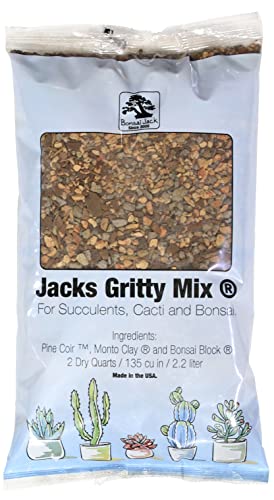
Where the Miracle-Gro pick eases a beginner in, the Bonsai Jack Gritty Mix pushes toward the other end of the spectrum. This is a pine-fine, calcined-clay blend engineered for plants that absolutely refuse wet feet, and that description fits a potted peach tree during a wet spring. The mix is calibrated to a pH around 5.5, slightly acidic, which lines up with stone-fruit preferences.
Two quarts covers one medium container, and the airy structure rewards growers who water carefully rather than on a fixed schedule.
Advantages To Know
- Pumice-and-bark base sheds water fast to prevent root rot
- Optimized pH window matches what peach trees prefer
- Lightweight bag is easy to carry to a balcony or rooftop
Worth Noting
- Holds less moisture than peat-based mixes, so daily checks matter in summer
- Two quarts is a small bag for a large tub
Feature Snapshot
Made For
Experienced growers who water by feel and want a free-draining, pH-tuned blend for a potted peach tree.
Swap It Out When
If you need richer organic feeding out of the bag, switch to Wonder Soil Organic Potting Soil.
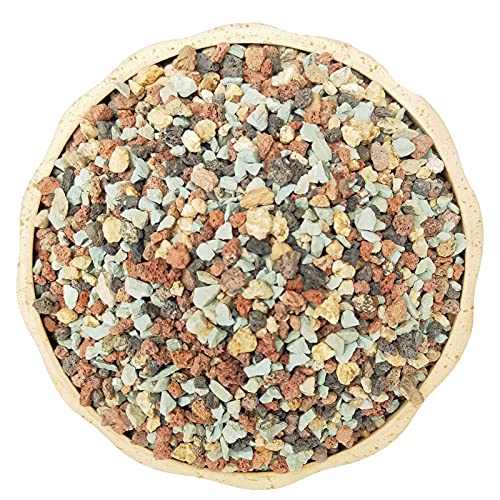
Boniosz’s gritty mix reads like a smaller cousin to the Bonsai Jack option, leaning on red and black lava rock, maifanitumis, diatomite, and green zeolite. The mineral-heavy profile drains fast and keeps the root zone airy, which is exactly what a young stone-fruit tree wants in a small starter pot.
Two pounds fills a few small containers, and the chunky particles are easy to spot and adjust when you’re topping up a pot.
A Favorable Mix
- Mineral blend fights compaction over a full growing season
- Tuned pH supports nutrient uptake in containers
- Lightweight stones give roots room to branch
Honest Caveats
- Low organic content, so you’ll need a regular liquid feed schedule
- Small bag means frequent reorders for larger plantings
- Chunky pieces can shift during heavy watering
Best Suited To
Balcony growers working with 8- to 12-inch starter pots who already have a fertilizer routine in place.
Consider Something Else When
For a single bag that handles a big planter, step up to the Wonder Soil Coco Coir Block, 72 Quarts.
Wonder Soil’s compressed bricks solve a real problem for apartment growers: shelf space. Three small bricks arrive in a tight box, then expand to roughly 30 quarts once water hits them. The finished coir carries worm castings, mycorrhizae, and kelp amendments, so the mix feeds as it hydrates.
The base is coco coir, a fiber that holds moisture while still letting air move. For a potted peach, that balance keeps the root zone from going bone-dry during a heat wave.
The Value In It
- Compact shipping format fits in a closet or under a sink
- Pre-loaded with organic amendments that feed for months
- Peat-free base renews from a coconut byproduct
- Expands on demand, so you only hydrate what you need
Room For Improvement
- Coir alone can stay too damp for stone fruit, so blending in perlite helps
- Bricks need a bucket and a stir, not just a watering can
Quick Facts
Who It Suits Best
Apartment and balcony growers who want a peat-free, organic base that doesn’t take over their storage closet.
Look Elsewhere When
For a pre-mixed gritty blend that doesn’t need extra amendments, the Bonsai Jack Gritty Mix is the cleaner choice.
FoxFarm’s Ocean Forest leans into the organic side of container growing. The blend pairs aged forest products, sandy loam, and sphagnum peat moss, then layers in fish meal, crab meal, and earthworm castings for a slow nutrient release. The result is a darker, richer mix than the cactus blends earlier in this list.
For a hungry young peach tree, that organic load can carry the first half of the growing season without supplemental feeding. The texture is lighter than it looks, so pot weight stays manageable on a balcony.
Positive Takeaways
- Built-in organic nutrients feed a young tree through early summer
- Aerated texture keeps roots from suffocating in deeper containers
- Lightweight enough to lift into a tall planter without help
- Twelve-quart bag covers a 14-inch container with room to spare
Points To Keep In Mind
- Richer mix holds moisture longer, so water less often than with cactus blends
- Strong organic smell fades after the first week outdoors
Perfect Match For
Mid-size container peach growers who want organic feeding out of the bag and don’t mind watering on the lighter side.
Not Your Match When
If you battle persistent overwatering, the Bonsai Jack Gritty Mix gives you a faster-draining safety net.
Biotolot’s chunky perlite isn’t a complete soil, but it’s the most flexible amendment here. The 1/4-inch particle size opens up airflow and drainage in any base mix you already own. For peach trees specifically, perlite keeps peat or coir from collapsing into a dense, soggy mass mid-season.
Three quarts is enough to lighten roughly 8 quarts of base mix, and the particles hold their shape under foot traffic and watering.
Everyday Perks
- pH-neutral particles don’t shift the soil’s acid balance
- Stable structure resists crushing over a full growing season
- Lightweight bag is easy to store on a shelf
- Mixes cleanly into both organic and mineral bases
Some Limits To Know
- Dust off before mixing, especially indoors, to keep the air clear
- Not a stand-alone growing medium, so it pairs with another item on this list
Built With In Mind
Tinkerers who already have a base soil on hand and want to dial in drainage for a single potted peach tree.
A Better Fit Elsewhere
For an all-in-one mix that needs no further blending, the Bonsai Jack Gritty Mix saves a step.
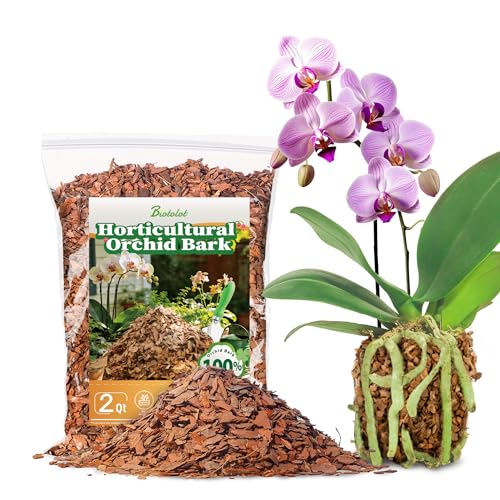
Pine bark isn’t just for orchids. Screened to roughly 1/2-inch pieces, this Biotolot bark opens up airflow in a dense potting mix and gives peach roots something coarse to grip. The chunky pieces break down slowly, so a single amendment lasts more than one growing season.
Two quarts is a small bag, but bark stretches a long way when blended at a 20 to 30 percent ratio.
What Earns Its Place
- Natural voids boost oxygen around the root zone
- Carefully screened pieces contain no dye or filler
- Slow breakdown means fewer refresh cycles
Practical Considerations
- Two quarts is a small volume for large planters
- Bark floats briefly during the first few waterings
- Adds acidity over time, so monitor pH on long-term plantings
Spec Overview
Who Should Grab It
Growers who want to stretch a peat-heavy base mix into something airier for a peach tree’s roots.
Reach For A Different Pick When
If you need a complete, ready-to-use soil in one bag, the FoxFarm Ocean Forest Potting Soil is more convenient.
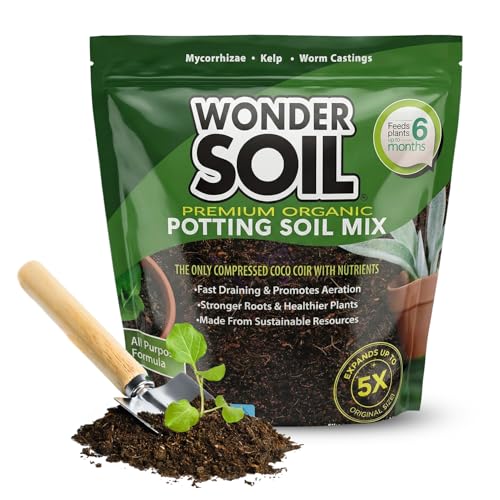
The 12-quart Wonder Soil bag is the smaller sibling of the 30-quart brick pack reviewed earlier. Same compressed coir base, same worm castings, mycorrhizae, kelp, and perlite blend. The bag weighs only a few pounds, so it’s the easier option for anyone hauling soil up staircases or through a narrow hallway.
Expanded, it fills a single 12- to 14-inch pot, which matches the size most first-time container peach growers start with.
Notable Upsides
- Lightweight dry bag is simple to carry up stairs
- Organic amendments feed the tree for the first stretch of the season
- Peat-free base keeps indoor air cleaner during expansion
Factors To Consider
- Coarser texture than the larger Wonder Soil block, so it may need an extra perlite boost
- Smaller volume requires a second bag for any planter over 14 inches
Right Fit For
First-time indoor or balcony peach growers who want one bag of organic, ready-to-plant mix without hauling a heavy sack.
Skip It When
For a more mineral-driven blend that drains harder, the Bonsai Jack Gritty Mix is a stronger starting point.
The 72-quart Wonder Soil block is the volume play in this list. A single 10-pound brick expands to roughly six cubic feet of coir-based mix, enough to fill several large planters or refresh a whole patio row of container trees. Same organic amendments as the smaller bags, same peat-free base.
You’ll need a tub, a hose, and a few minutes of stirring to break it apart fully, but the work happens once and the payoff is a season’s worth of soil.
Where It Excels
- One block covers multiple large containers
- Compressed form saves on shipping and storage space
- Pre-amended mix feeds a young tree through early summer
Possible Compromises
- Takes real effort to hydrate and break apart
- Once expanded, 72 quarts fills a lot of storage if you don’t use it immediately
- Coarse coir fibers benefit from added perlite for peach trees
Whose Shelf It Belongs On
Growers running a small backyard nursery or managing multiple large planters who want one bulk order.
A Better Fit Elsewhere
For a single small patio pot, the smaller Wonder Soil Coco Coir, 12 Quarts keeps things simpler.
Biotolot’s bonsai mix closes out this list with a no-blend, all-in-one option. The blend pulls together pine bark, black and red volcanic rock, green zeolite, and perlite. Each component plays a role: bark for slow organic matter, lava rocks for pH balance, zeolite for moisture retention, perlite for airflow.
For a peach tree that wants a fast-draining but not bone-dry root zone, that combination sits right in the middle of what a container planting needs.
Bright Spots
- Ready-to-use straight from the bag, no mixing required
- Mineral blend keeps the root zone open across a full season
- All components are derived from natural sources
- Lava rock and zeolite help buffer pH swings in tap water
Details To Watch
- Two-quart bag is small for any pot over 12 inches
- Mineral profile drains hard, so plan for more frequent watering in heat
Quick Technical Notes
Who Will Love This
Growers who want a single bag they can pour into a pot without extra blending or amendments.
Another Choice May Suit
For a richer organic base with built-in feed, the FoxFarm Ocean Forest Potting Soil fits a hungrier young tree.
What Matters Most Before Choosing Soils For Peach Trees In Pots
Drainage Is The First Filter
Peach tree roots are vulnerable to waterlogging in containers more than in ground plantings, because a pot has limited surface area for evaporation. Look for mixes built around coarse particles: perlite, pumice, lava rock, or pine bark. A bag that feels gritty between your fingers is a good sign.
Organic Feed Versus Mineral Drainage
Some mixes lean organic, with worm castings and kelp feeding the tree for months. Others lean mineral, draining fast but demanding a regular fertilizer routine. Young, fast-growing peach trees respond well to richer organic bases in their first season. Established trees in hot climates often do better in mineral blends where water moves through quickly.
Sizing The Bag To Your Planter
A 14-inch patio pot holds roughly 10 to 12 quarts of mix. Anything smaller leaves you buying a second bag mid-season, and anything bigger is waste unless you plan ahead. Measure your container at the top rim, then match bag volume to that footprint plus a small margin.
Container Weight And Location
A wet 15-gallon planter is heavy. Coir-based mixes stay lighter than peat blends, and mineral mixes like Bonsai Jack weigh less still. For balconies, rooftops, or any spot you need to move the pot, lean lighter.
Mistakes Worth Dodging And Why A Premium Bag Costs More
Wrong Turns To Avoid
Buying a moisture-holding mix for a peach tree is the most common slip-up. Garden soils and standard indoor mixes keep roots too wet, and the tree declines slowly enough that the cause is hard to spot. Another pitfall is skipping the drainage layer at the bottom of the pot or forgetting to lift the pot off the ground so excess water can escape.
What Separates Premium From Basic
A premium bag usually earns its place through particle uniformity, screened mineral components, and built-in organic amendments that you’d otherwise buy separately. A basic cactus blend covers the drainage side but leaves you mixing in your own feed. The trade-off depends on how much blending and fertilizing you want to do yourself.
Frequently Asked Questions
Do peach trees really need a special soil in pots?
Yes. Container peach trees rely entirely on the mix you give them, so drainage and nutrient balance matter more than they would in open ground. A cactus or citrus blend usually works better than a generic potting soil.
Can I just use garden soil from my yard?
Most yard soil compacts in a pot and holds too much water around the root zone. It also brings weed seeds and potential pathogens. A bagged mix designed for containers is the safer starting point.
How often should I repot a container peach tree?
Most growers repot every two to three years, refreshing the mix and stepping up to a slightly larger container if roots are circling. Between repottings, top-dress with fresh compost or a slow-release feed each spring.
Is organic or mineral soil better for peach trees?
It depends on your watering habits. Organic mixes hold moisture and feed steadily, which helps forgetful waterers. Mineral mixes drain harder and reward growers who check soil moisture daily. Both can produce a healthy tree.
Do I need to add perlite to a bagged mix?
Not always, but perlite improves drainage in any blend. If your chosen bag feels dense or holds water for more than a day, mix in a handful of perlite or pine bark to open the texture.
Closing Remarks
The best soil for your potted peach tree comes down to your watering style, your climate, and how much fuss you want to manage. Drainage comes first, organic feed helps in the first season, and a mineral blend rewards careful hands. Pick the option that matches your routine, refresh the mix every couple of years, and your container peach should reward you with steady growth.
