

Peperomia plants are the quiet overachievers of the indoor garden: compact, forgiving, and endlessly varied in leaf color and texture. The catch hides beneath the soil line. These semi-succulent beauties store moisture in their leaves but despise wet feet, which means a standard moisture-holding potting mix often turns into a slow rot sentence. A gritty, well-aerated blend keeps the root zone just moist enough without suffocating it. The ten picks below span ready-to-use cactus and succulent blends, mineral-only substrates, and perlite amendments for the DIY crowd. You’ll see how each one handles drainage, what it costs in nutrition, and where it fits among the others.
The Picks In Brief

LECHUZA MONOPON Mineral Potting Soil 1.4 Dry gal

Legigo 4 Quarts Organic Perlite

Micro Landscape Design Lithops Soil Mix

Miracle-Gro Cactus, Palm & Citrus Mix 8 qt
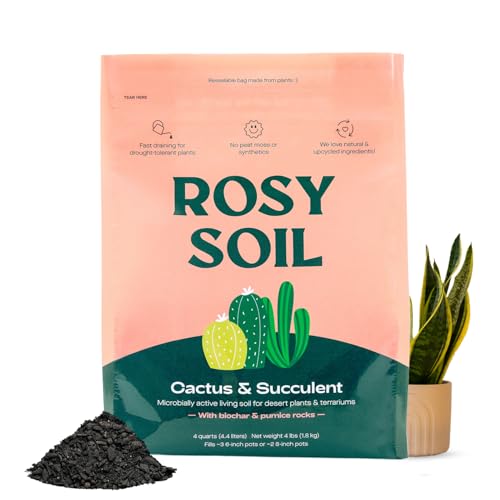
Rosy Soil Cactus & Succulent Mix 4 Quarts

Miracle-Gro Indoor Potting Mix 6 qt 2-Pack

Legigo 15 Quarts Organic Perlite

Legigo 20 Quarts Organic Perlite

Legigo 6 Quarts Organic Perlite
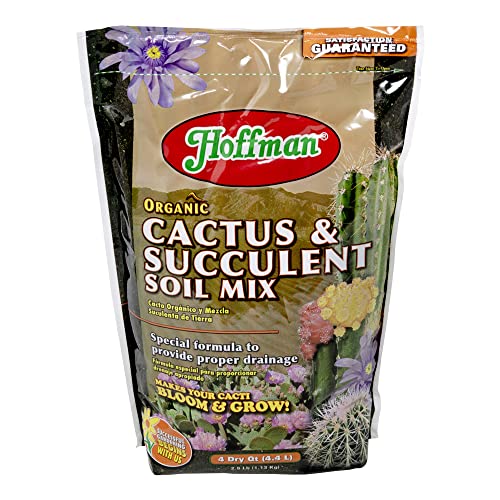
Hoffman 10404 Cactus & Succulent Mix 4 qt
A Closer Look At Each Pick
This is the outlier on the list, and that is exactly the point. Instead of the peat-and-perlite blends that dominate indoor gardening shelves, this 1.4 dry-gallon bag holds 100% natural pumice, a porous volcanic stone that stores moisture in its pores and releases it back to roots on demand. Peperomia owners who have lost plants to root rot in standard potting mix tend to gravitate here for a second attempt.
You can use it straight as a full substrate in conventional pots with drainage holes, or layer it at the bottom of a planter as a coarse drainage layer beneath a richer mix. The bag ships unfed, so you control every drop of fertilizer that reaches the plant. Indoor gardeners with a LECHUZA self-watering planter also use this to refill the inner reservoir zone.
The Helpful Details
- 100% peat-free pumice composition protects bog ecosystems while keeping your potting routine low-waste
- Mineral structure resists compaction over months, so air pockets around peperomia roots stay open
- Unfertilized base lets you feed lightly with each watering rather than burning tender roots
- Reusable as a drainage layer when you refresh the top mix, stretching the bag across multiple repottings
Things To Consider
- All-mineral substrate means nutrients must come from you, which can catch first-time growers off guard
- Pumice dust at the bottom of the bag is normal but you’ll want to wear a mask when pouring
At A Glance
Who It Suits Best
Owners rebuilding after root rot and anyone running a LECHUZA self-watering planter who wants a matching substrate.
Consider Something Else When
Beginner peperomia keepers may prefer Miracle-Gro Cactus, Palm & Citrus Mix for its ready-to-use nutrient content.
If you want to stretch one bag across a few test mixes, this 4-quart pail of coarse perlite is the smallest size in the Legigo lineup. Perlite itself is expanded volcanic glass, a lightweight white grit full of tiny air pockets that prevent soil from settling into a dense mass. For peperomia, that translates directly into faster drainage and happier roots.
The pH-neutral character means it won’t nudge your soil toward acidity or alkalinity, which keeps nutrient uptake predictable. Compared with the LECHUZA MONOPON reviewed above, this is a supporting player rather than a standalone medium, so plan on blending it with peat-free potting mix or coco coir at roughly a one-to-one ratio.
Strong Points
- Coarse grade creates lasting air channels that don’t collapse after a few waterings
- pH-neutral blend sidesteps the lockout issues that acidic amendments can cause
- Even particle sizing for predictable texture across small pots
Worth Noting
- A 4-quart bag covers only a handful of small peperomia repottings before you run out
- Perlite floats to the surface during heavy watering, so the top dressing may shift over time
- Bag-to-bag consistency can vary slightly, occasionally including some fines you’ll want to sift out
Best Suited To
Experimenters dialing in a custom peperomia blend for one or two starter pots.
Skip It When
Anyone repotting an entire shelf should step up to Legigo 15 Quarts or 20 Quarts for better per-quart value.
Lithops and peperomia share a disdain for wet feet, which is why a dedicated lithops blend can double as a peperomia substrate for the right grower. This 2-quart mix arrives blended for plants that need exceptional drainage and air movement around their roots, anchoring the plant while letting moisture exit quickly. The seller also throws in a bonus live mini lithops so you can test the medium under real conditions.
For peperomia specifically, the blend works best for thick-leaved varieties like Peperomia obtusifolia or Peperomia rotundifolia that lean closer to succulent behavior. Thin-leaved types such as Peperomia caperata may want a touch more organic matter mixed in to hold a bit of moisture.
Useful Highlights
- Specialized drainage formula prevents the soggy pockets that rot fleshy peperomia roots
- Includes anchorage grit that holds stems upright as the plant matures
- Small 2-quart size makes it easy to test before committing to a bigger cactus blend
- Bonus live lithops gives you a built-in moisture-monitoring plant
Honest Caveats
- The included lithops needs brighter light than most peperomia, so the bonus can be a commitment
- Bag leans extremely fast-draining, which means you’ll water peperomia more often than in standard mixes
Right Fit For
Collectors with thick-leaved peperomia varieties or anyone curious about mesembs who wants one mix for both.
Not Your Match When
Shelving an entire collection of soft-leaved peperomia is easier with Hoffman 10404 Cactus & Succulent Mix, which holds a touch more moisture.
Miracle-Gro’s cactus blend is the closest thing to a default starter soil for peperomia beginners, and that’s not a criticism. The fast-draining formula combines forest products, sphagnum peat moss, sand, and perlite in a ratio that’s forgiving without being waterlogged. The included plant food gives newly potted peperomia a gentle nutrient push through the first several weeks.
An 8-quart bag covers roughly a dozen small 4-inch pots, depending on how much perlite you fold in to suit your conditions. Compared with the all-mineral LECHUZA MONOPON, this mix holds a touch more moisture, which suits shadier corners where peperomia dry out more slowly between drinks.
Noteworthy Benefits
- Built-in feeding trims your fertilizing routine for the first month or two after potting
- Widely stocked and easy to replenish across most regions
- Forgiving texture holds enough moisture for thin-leaved peperomia without staying wet
- Larger 8-quart bag offers better value for multi-plant households
Points To Note
- Pre-charged fertilizer can burn sensitive roots if you add your own feed too soon after potting
- Peat component is less sustainable than the mineral-only LECHUZA option
Quick Facts
Perfect Match For
First-time peperomia owners who want one bag that drains well and feeds gently out of the package.
Look Elsewhere When
Sustainability-minded growers rebuilding from scratch will prefer the peat-free LECHUZA MONOPON mineral substrate.
Most succulent mixes are sterile by design, but Rosy Soil takes a different angle with beneficial fungi, microorganisms, and worm castings folded into a chunky blend. The texture stays loose and airy rather than packing down, which is exactly what peperomia roots need to access oxygen between waterings. Worm castings add a gentle organic nutrient buffer without making the mix heavy.
The 4-quart size fits a handful of small pots, and the chunky pieces anchor top-heavy specimens better than fine sand-heavy blends. If your peperomia collection has been through a string of compacted, suffocating mixes, this lighter, biologically active approach may be the change of pace worth trying.
Real Benefits
- Living soil biology supports long-term root health beyond simple drainage
- Chunky structure resists compaction even after months of repeated watering
- Worm castings provide slow-release nutrition without synthetic fertilizer spikes
- Stays loose enough for delicate peperomia root hairs to push through easily
Things To Weigh
- Biologically active mix has a finite shelf life once opened, so plan to use it within a season
- Higher organic content means a touch slower drying than pure mineral blends
Who Should Grab It
Curious growers who want biology in the pot, not just grit, and prefer organic inputs over synthetic plant food.
Swap It Out When
Anyone managing thick-leaved peperomia in a small terrarium may prefer the mineral-only LECHUZA MONOPON for tighter moisture control.
Miracle-Gro’s indoor blend isn’t marketed for cacti, which is exactly why it lands on a peperomia list with one extra step. The mix balances sphagnum peat moss, coir, and perlite into a lighter, water-retentive blend that suits most general houseplants. For peperomia, you simply bump up the grit by folding in extra perlite from the Legigo range to push drainage closer to cactus-mix territory.
The 6-quart 2-pack format delivers 12 quarts total, enough to repot a sizeable mixed collection in one session. The coir component helps the medium rewet evenly after drying, avoiding the dry-patch problems that plain peat mixes sometimes show.
The Case For It
- Larger format lowers per-quart cost compared to single bags
- Coir component rewets more reliably than peat-only mixes
- Lightweight texture makes hauling bags from the doorstep easier
- Versatile base that adapts with added perlite for peperomia needs
Trade Offs
- Not formulated for succulents, so you’ll need to amend before potting peperomia
- Holds more moisture than cactus blends, raising rot risk if used straight
Feature Snapshot
Whose Shelf It Belongs On
Mixed houseplant households with peperomia, pothos, and philodendrons sharing the same care routine.
Reach For A Different Pick When
Pure peperomia-only collections save effort by going straight to Miracle-Gro Cactus, Palm & Citrus Mix and skipping the amendment step.
Stepping up from the 4-quart pail, this 15-quart bag covers serious repotting territory. Coarse perlite at this volume lets you refresh an entire shelf of peperomia in a single session, with leftover perlite stored dry in the bag for future top-ups or propagation projects. The pH-neutral character keeps the blend from swinging acidic.
Compared with the smaller Legigo 4 Quarts, the per-quart savings here are noticeable, which matters when you’re mixing multiple custom blends for different peperomia varieties. Perlite also doubles as a sterile rooting medium for leaf cuttings, so a bulk bag pulls double duty in an active propagation setup.
Practical Advantages
- Bulk size drops the per-quart cost compared to small pails
- Same coarse grade as the 4-quart for consistent results across repotting sessions
- Doubles as a propagation medium for peperomia leaf cuttings
- Stays usable in dry storage for months without losing structure
Small Caveats
- Bag is bulky to store in small apartments, so plan a shelf spot before ordering
- Pouring from a large bag can stir up dust indoors without a slow pour
The Right Fit
Collectors with a dozen or more peperomia pots, or anyone running a propagation station alongside the main shelf.
A Better Fit Elsewhere
Single-plant owners should stay with the Legigo 4 Quarts pail to keep storage manageable.
The 20-quart bag is the workshop-scale option in the Legigo range, sized for plant studios, community garden projects, or anyone preparing bulk substrate mixes ahead of a repotting marathon. Coarse perlite at this volume fills propagation trays and large terrarium bases just as easily as it aerates individual peperomia pots.
The bag is plain and functional rather than decorative, which makes sense given most of it ends up mixed into other media. Compared with the LECHUZA MONOPON reviewed earlier, this is a supporting amendment rather than a complete substrate, so you’ll still need a base mix or coco coir to pair it with for peperomia.
What It Does Well
- Largest format in the lineup drops the cost per quart further
- Plenty of material for mixing custom substrate in a five-gallon bucket
- Useful beyond peperomia for seed-starting and bulb storage
Where It Is Less Suited
- Bare minimum need is multiple ongoing projects to use 20 quarts before it loses freshness
- Large bag demands dedicated storage space in dry indoor conditions
Made For
Studio growers, classroom plant programs, or community gardeners mixing bulk substrate for several collections at once.
Where Another Pick Suits Better
Casual indoor gardeners with a handful of peperomia pots will overspend on the Legigo 15 Quarts instead.
The 6-quart pail hits the middle ground between Legigo’s smallest and bulk sizes, which suits a mid-sized peperomia shelf without committing to workshop-scale bags. Coarse perlite here fills three to five small pots when mixed at a one-to-one ratio with your base substrate, or refreshes the top layer of an established pot to restore drainage around the crown.
Even particle sizing helps the perlite distribute predictably throughout the mix, so you don’t end up with perlite-heavy pockets and perlite-free zones. For peperomia varieties that struggle in standard mixes, blending this perlite into a peat-free base usually clears up drainage issues without a full repot.
What Stands Out
- Middle size avoids the waste of bulk bags for small collections
- Works as both an amendment and a top-dressing refresh for older pots
- pH-neutral character keeps nutrient balance predictable
Less Ideal Details
- Per-quart cost sits between the 4-quart and 15-quart options, so the value story is average
- Some bags ship with a small amount of fine dust that needs sifting for propagation use
Who Will Love This
Mid-level collectors with a few peperomia pots who want one pail that covers several repotting sessions.
Another Choice May Suit
Tight budgets and single-pot growers get better value from the Legigo 4 Quarts pail.
Hoffman’s cactus and succulent mix has been a quiet workhorse on garden center shelves for years, and the 10404 formulation is the version most peperomia keepers reach for as a dependable baseline. The professionally formulated blend is pH-balanced and pre-mixed for jungle and desert cacti, which means the drainage profile sits in a similar zone that peperomia prefer.
The 4-quart bag fits a handful of small pots and stores neatly on a shelf. The blend encourages both bloom and root development without leaning heavily on synthetic fertilizer, which matters for sensitive peperomia varieties that react poorly to aggressive feeding.
Practical Pluses
- pH-balanced blend reduces the risk of nutrient lockout from acidic pockets
- Professional formulation consistently drains well across bag-to-bag purchases
- Encourages root development for newly potted peperomia without harsh fertilizers
- Compact 4-quart size stores easily on most plant shelves
Minor Gripes
- Smaller bag means more frequent repottings require multiple purchases
- Texture runs slightly finer than the LECHUZA pumice, so watering cadence needs a closer eye
Spec Overview
Built With In Mind
Set-and-forget peperomia owners who want a known-good bag from a recognized brand without mixing amendments.
Wrong Turns To Avoid
Collectors rebuilding an entire shelf of peperomia at once may prefer the larger Miracle-Gro Cactus, Palm & Citrus 8-quart bag.
What Matters Most Before Choosing Soils For Peperomia
Drainage sits at the top of the list for a reason. Peperomia store water in their fleshy leaves and stems, so a substrate that lingers wet after watering creates the conditions for root rot to set in within days. Aim for a mix that runs through quickly but still holds enough moisture to get through a few days between waterings.
Particle size matters more than brand recognition. Coarse perlite, pumice, and chunky orchid bark all create lasting air pockets that fine sand and peat moss cannot match. Fine components settle into a dense mass over time, choking off the oxygen exchange that peperomia roots need.
pH stability keeps nutrient uptake from drifting into problematic zones. A pH-balanced blend or a pH-neutral amendment like perlite prevents the acidic or alkaline swings that lock out key nutrients. Most peperomia prefer a slightly acidic range near 6.0, and a balanced substrate helps maintain that window without constant testing.
Pre-fertilized versus unfertilized mixes change the early care routine. Built-in plant food saves time for the first month but limits your control over feeding intensity. Unfertilized blends like LECHUZA MONOPON let you dial in feeding for sensitive varieties that react badly to standard nutrient doses.
Sustainability factors have real weight for many indoor gardeners. Peat-free mineral substrates protect sensitive bog ecosystems, while peat-based mixes remain the cheaper and more common option. The choice often comes down to personal values and how often you repot.
Key Considerations Across These Picks
Common Shopping Slip Ups
The biggest mistake is grabbing a standard indoor potting mix and hoping peperomia will adjust. These blends hold water for a week or more, which is exactly the conditions that turn healthy roots into mush within days. The second mistake is sizing pots too large for the root ball, since excess substrate stays wet longer than the plant can drink. Always match the pot to the root mass and use a blend that drains within a minute or two of watering. Skipping the drainage hole is the third classic trap. Even the best cactus blend cannot save a peperomia sitting in standing water at the bottom of a sealed pot.
Where The Extra Money Goes
Premium mineral substrates like LECHUZA MONOPON cost more per quart because pumice processing and peat-free sourcing carry higher production costs. The trade is a longer-lasting substrate that resists compaction, supports beneficial airflow, and lets you control every drop of fertilizer. For thin-leaved peperomia in shadier corners, a budget cactus blend works perfectly well. For thick-leaved varieties prone to rot, the premium mineral route often pays for itself by keeping plants alive through seasonal transitions. Higher-tier living-soil blends like Rosy Soil add biological activity that supports long-term root health, which can justify the cost for growers who plan to keep plants in the same pot for multiple seasons.
Frequently Asked Questions
Can I use regular potting soil for peperomia?
Regular indoor potting soil holds too much moisture for peperomia and frequently causes root rot. Amending it with coarse perlite at a one-to-one ratio improves drainage enough for many varieties, though purpose-built cactus blends drain more reliably out of the bag.
How often should I repot peperomia?
Most peperomia thrive with repotting every two to three years, or whenever roots circle the pot or push through drainage holes. The slow growth habit means peperomia tolerate being slightly root-bound better than most houseplants.
Do peperomia need fertilizer in their soil?
Pre-fertilized blends feed peperomia for roughly four to six weeks after potting. Beyond that, a diluted balanced liquid fertilizer every four to six weeks during the growing season supports steady leaf production without burning sensitive roots.
What drainage ratio works best for peperomia?
A roughly one-to-one ratio of cactus mix to perlite works well for most varieties, while thick-leaved types like Peperomia obtusifolia tolerate an even grittier blend closer to pure mineral substrate.
Is peat-free soil better for peperomia?
Peat-free mineral substrates drain consistently and protect sensitive ecosystems, which suits peperomia well. Peat-based mixes also work when amended generously with perlite or pumice, though the texture compacts faster over time.
Closing Remarks
The best peperomia soil is the one that fits your watering habits, light levels, and willingness to mix amendments. Beginners usually land well with a ready-to-use cactus blend like Miracle-Gro Cactus, Palm & Citrus or Hoffman 10404. Rebuilders and rot-recovery growers tend to gravitate toward mineral substrates like LECHUZA MONOPON. Mixers and propagation-heavy collectors get the most mileage from perlite amendments in their preferred bag size. Whichever route you pick, drainage and air flow come first, and nutrients come second.
