

A raised planter box is only as good as what you fill it with. Gardeners building cedar beds on a patio, apartment dwellers setting up a single window box, and anyone repotting tomatoes onto a balcony all run into the same wall: garden soil from the yard compacts fast, drains poorly, and can carry weeds or fungus. Purpose-built planter mixes solve that by balancing drainage, moisture retention, and nutrition in a lightweight blend.
This roundup sorts through ten widely available options built for containers, including all-purpose blends, specialty mixes for succulents, and chunky aroid blends for indoor planters. The picks lean toward what you can realistically find, mix, and trust, with a focus on texture, ingredient quality, and how the mix behaves over a full growing season.
A Fast Comparison Of The Options

FoxFarm Ocean Forest Potting Soil, 1.5 cu ft

Molly’s Aroid Potting Mix, 3 Dry Quarts

Hoffman 10410 Organic Cactus and Succulent Soil Mix, 10 Quarts

FoxFarm Ocean Forest Potting Soil, 12 Quart (2 Pack)

FoxFarm Ocean Forest Potting Soil, 12 Quart

FoxFarm Happy Frog Potting Soil, 2 cu ft

FoxFarm Ocean Forest Potting Soil, 2 x 12 Quart

Miracle-Gro Potting Mix, 8 qt (2-Pack)
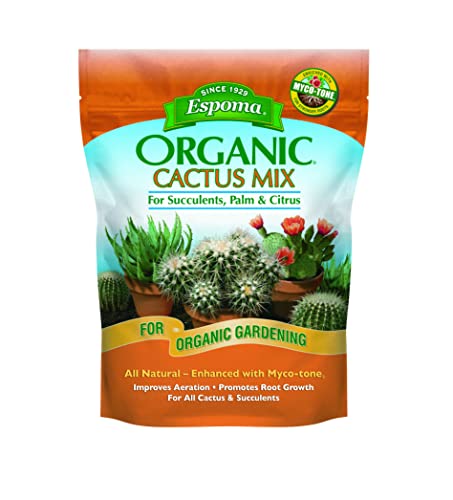
Espoma Organic Cactus Potting Soil Mix, 4 qt

Coast of Maine Bar Harbor Blend, 16 qt
More Details On Our Top Picks
FoxFarm’s Ocean Forest has become a default pick for container gardeners who want one bag that handles tomatoes, herbs, and flowering annuals without a second thought. The 1.5 cubic foot size hits a sweet spot for filling one or two mid-size planter boxes without leaving you with a half-used sack taking up shed space.
The texture is light and fluffy right out of the bag, with a dark, earthy color that signals organic content. You can plant directly into it, which speeds up weekend bed builds compared to mixes that need amendment first.
Where It Delivers
- Ready to use straight from the bag, no mixing required for most container projects
- Light, aerated texture that resists compaction in deep planter boxes
- Works across vegetables, herbs, and flowering annuals in a single bed
- Holds moisture long enough to forgive a missed watering in summer heat
Things To Consider
- Bag weight is substantial at 1.5 cu ft, so plan a drop spot close to your beds
- Smaller bags may cost more per cubic foot than the 2 cu ft FoxFarm options
Feature Snapshot
Who It Suits Best
Home growers filling a single cedar raised bed or a pair of patio planters with a mix of edibles and flowers.
Where Another Pick Suits Better
For a single tall planter filled with succulents, the Hoffman 10410 Organic Cactus and Succulent Soil Mix drains faster and matches the plants’ needs more closely.
Molly’s Aroid Mix is a soil-free blend built for the kind of planters that sit in your living room, not the backyard. It targets plants that demand airflow around their roots: monsteras, philodendrons, pothos, and the wider aroid family.
Where the FoxFarm blends above lean on rich organic matter, this one stays chunky and mineral-heavy. That texture makes overwatering genuinely hard to do, which matters when your planter is a decorative ceramic pot without drainage perfection.
The Upside
- Chunky texture that drains fast and resists compaction in indoor pots
- Soil-free formula cuts down on fungus gnat issues in living room planters
Trade Offs
- Smaller 3 quart volume is geared to indoor pots, not full raised beds
- Chunky pieces can shift in tall, narrow planters and may need a top-dress to look tidy
- Not formulated for vegetables or outdoor annuals, so use case is narrow
Right Fit For
Apartment plant parents running a shelf of monsteras, philodendrons, and other aroids in decorative indoor planters.
Skip It When
You need to fill a 4×8 raised bed for tomatoes, where the FoxFarm Ocean Forest 1.5 cu ft bag scales much better for the volume.
Hoffman’s cactus and succulent mix exists for the plants that hate wet feet. The blend targets growers keeping jade, aloe, burro’s tail, and barrel cactus alive in containers, where standard potting soil stays too damp for too long.
The 10 quart size is enough to repot a small collection of succulents or fill a dedicated succulent planter box on a sunny patio. The grain is coarse, the color is pale, and water runs through it fast, which is exactly the point.
Key Advantages
- Fast-draining grain that prevents root rot in cactus and succulent planters
- Loosens heavy soils when blended into clay-based planter beds
- Reduces caking over time, so the surface stays workable through the season
Worth Noting
- Too lean and dry for vegetables, herbs, or moisture-loving annuals
- Plants in this mix will need more frequent watering than they would in richer blends
Spec Overview
Made For
Plant parents running a succulent or cactus planter on a sunny patio where standard potting mix stays too wet.
Reach For A Different Pick When
You want one bag for mixed vegetables and flowers, in which case the Miracle-Gro Potting Mix 2-Pack handles the variety better.
This 2-pack of FoxFarm Ocean Forest in 12 quart bags comes with two plant tags thrown in, which is a small touch that helps new gardeners keep track of variety names and planting dates. The smaller bag size makes each one manageable to carry, even up apartment stairs.
Same FoxFarm Ocean Forest formula as the larger 1.5 cu ft pick, just split into two 12 quart bags. Useful for anyone with limited storage space or a small car who struggles with the bigger single-bag option.
What Pays Off
- Smaller bags are easier to haul and store than the 1.5 cu ft option
- Plant tags included for tracking variety and planting date
Honest Caveats
- Per-cubic-foot cost runs higher than the 2 cu ft FoxFarm Happy Frog
- Two bags means twice the plastic to deal with for the same total volume
Best Suited To
First-time planter box builders working from a small space who want manageable bag sizes and a few label tags to start tracking what they planted.
Look Elsewhere When
You are filling a long raised bed, where the FoxFarm Happy Frog 2 cu ft covers more ground with one bag.
The 12 quart single bag of FoxFarm Ocean Forest hits a useful middle ground. It is enough to fill a medium vegetable planter or repot a handful of houseplants without dragging a 40 pound sack across the yard.
FoxFarm builds this mix around aged forest products, sandy loam, and sphagnum peat moss, which gives it a workable texture for a wide range of container projects. The 12 quart bag also stores more easily in a garage corner than the larger 2 cu ft options.
Bright Spots
- Light, aerated texture that supports strong root development in vegetable boxes
- Single 12 quart bag is easier to handle and store than 1.5 cu ft options
- Works for seedlings, plant starts, and established container plantings alike
Points To Keep In Mind
- One bag may not be enough to fill a large raised bed, plan on multiples
- Rich organic content means a mild earthy smell on first opening, which fades fast
Key Product Details
Whose Shelf It Belongs On
Vegetable gardeners running a patio planter box who want one bag that can handle a season of tomatoes, peppers, and herbs without swapping blends.
Not Your Match When
You grow mostly succulents, where the Hoffman 10410 Cactus and Succulent Mix matches the dry conditions those plants need.
Happy Frog is FoxFarm’s other flagship potting soil, and the 2 cu ft bag is the size to grab when you have a serious raised bed to fill. The blend leans on earthworm castings and aged forest products, so it is built for plants that want steady nutrition through a long growing season.
Where Ocean Forest is the company’s all-rounder, Happy Frog runs a bit more refined. Container fruit trees, blueberries in pots, and long-season tomato planters tend to respond well to its slightly richer base.
The Good Stuff
- 2 cu ft volume covers a full raised bed or several large planters in one bag
- Earthworm castings feed soil life that supports root development over time
Small Caveats
- Bag is heavy, around 40 pounds, so plan a drop point near your beds
- Higher organic content means it can dry out faster in shallow planters during heat waves
Feature Card
Who Will Love This
Backyard gardeners filling a 4×8 raised bed or running several large planters with fruit trees and long-season vegetables.
A Better Fit Elsewhere
For a single small herb box, the FoxFarm Ocean Forest 12 Quart bag is enough volume without the heavy lift.
Two 12 quart bags of FoxFarm Ocean Forest add up to roughly 24 quarts, which is enough to fill a medium raised bed or a handful of patio planters without dragging a 40 pound sack. For most home gardeners, this 2-pack sits in the practical middle of the size options.
You get the same aged forest products, sandy loam, and sphagnum peat moss blend as the single 12 quart bag, just doubled. The split also helps if your car is small or your storage shed is short on floor space.
Real-World Strengths
- Two smaller bags are easier to carry and store than the 2 cu ft Happy Frog
- Covers a full medium raised bed or several patio planters in one purchase
A Few Limitations
- Total cost runs higher than the 1.5 cu ft Ocean Forest single bag at the same volume
- More plastic packaging than the single-bag options
Perfect Match For
Container gardeners refreshing a few planters each season who want the FoxFarm Ocean Forest formula without committing to a heavy single bag.
Another Choice May Suit
If you want richer organic content for long-season fruit trees, the FoxFarm Happy Frog 2 cu ft delivers more nutrition per bag.
Miracle-Gro’s potting mix is the kind of bag you find at every big box store, and the 8 quart 2-pack is a sensible size for a balcony herb garden or a small flower planter. The formula is built around outdoor container use, covering annuals, perennials, vegetables, herbs, and shrubs in one blend.
The standout feature is the built-in feeding: this mix is designed to feed container plants for up to six months, which trims the to-do list for gardeners who would rather not remember a fertilizing schedule. For a starter planter, that convenience is hard to beat.
A Favorable Mix
- Feeds plants for up to six months, cutting down on fertilizing chores
- Two 8 qt bags handle a small flower or herb box without excess
Where It May Fall Short
- Lighter on organic content than the FoxFarm blends, so it can dry out faster in summer
- Smaller 8 qt bag size means more packaging if you need to scale up to a large bed
- Not formulated for cactus or succulents, which need sharper drainage
Built With In Mind
Casual gardeners who want one bag that handles a season of annual flowers or patio vegetables with minimal extra feeding.
Swap It Out When
You want richer organic inputs for a long-season vegetable bed, where the FoxFarm Happy Frog 2 cu ft provides more depth of nutrition.
Espoma’s cactus mix steps in for gardeners who want an organic option for their dry-loving plants. The blend covers cactus, succulents, palms, and citrus, so it works whether you are potting a jade plant on the windowsill or moving a small patio palm into a fresh container.
At 4 quarts, the bag is sized for repotting a few plants or topping off a small succulent planter, not filling a full raised bed. The organic angle also matters for anyone trying to keep their container garden closer to a natural input list.
The Helpful Details
- Organic formula suits gardeners who avoid synthetic soil amendments
- Works for cactus, succulents, palms, and citrus in the same bag
Details To Watch
- Small 4 quart bag is best for individual repots, not full planter boxes
- Designed for dry-loving plants, so it is not a general-purpose mix
Who Should Grab It
Organic-focused gardeners repotting a few cacti, succulents, or small palms in containers around the house or patio.
Consider Something Else When
You need a larger volume for an outdoor succulent planter, where the Hoffman 10410 Cactus and Succulent Mix 10 quart bag covers more pots per purchase.
Coast of Maine’s Bar Harbor Blend is the most distinctive mix on this list, with a formula built around sphagnum peat moss, compost, perlite, lobster and crab shell meal, and kelp meal. The sea-based meals are a Maine signature, and they feed container plants in a way that mineral fertilizers do not.
The 16 quart bag covers a wide range of uses, from houseplants to vegetable planter boxes. If you grow edibles and want one bag with a richer organic story than the mainstream options, this is the one to reach for.
Practical Pluses
- Organic and natural ingredients suit growers avoiding synthetic feeds
- Lobster and crab shell meal add calcium and chitin that support root development
- Works for houseplants, flowers, vegetables, and herbs in the same bag
Some Limits To Know
- Per-bag cost is higher than the mainstream FoxFarm and Miracle-Gro options
- 16 quarts may not be enough to fill a large raised bed, plan on multiple bags
Quick Facts
The Right Fit
Edible gardeners running a small vegetable or herb planter who want organic ingredients and a richer flavor story in the soil.
Where A Sibling Pick Shines
For a budget-friendly volume fill on a large patio bed, the FoxFarm Happy Frog 2 cu ft delivers more cubic feet per dollar.
What Matters When Choosing a Planter Box Soil
Container soil lives a harder life than ground soil. Roots cannot spread beyond the box, water drains out the bottom instead of soaking deep, and the mix compacts over time as you water and tend. A few attributes make the difference between a planter that thrives and one that sulks.
Drainage And Aeration
The most important job of a planter mix is to hold enough moisture for roots to drink, then let the excess drain away. Air pockets around the roots matter as much as water, because roots need oxygen to function. Perlite (the small white volcanic pieces), pine bark, and coarse sand all help create that balance. In small planters without much soil volume, drainage matters even more because there is no margin for soggy conditions. For succulent and cactus planters, sharp drainage is non-negotiable.
Organic Content And Nutrition
Most all-purpose planter mixes include some combination of peat moss, compost, worm castings, and aged forest products to hold moisture and feed plants. The FoxFarm blends lean heavily on this side, which is why they work well for vegetables and flowering annuals. Specialty mixes for cacti and succulents keep organic content low on purpose, since rich soil holds too much water for dry-climate plants.
Volume And Bag Practicality
Bag size matters more than people expect. A 2 cu ft bag is a real load to carry up stairs or across a yard, and a half-empty sack of potting soil has a way of growing mold in storage. Smaller bags like the 12 quart FoxFarm options or the 8 quart Miracle-Gro 2-pack are easier to manage, though per-cubic-foot cost climbs.
Matching The Mix To The Plant
The honest read is that no single bag covers every plant. Succulents want fast drainage, aroids want chunky airflow, and vegetables want steady moisture and nutrition. For mixed planters, the all-purpose FoxFarm and Coast of Maine options are the safe bet. For specialized planters, the cactus and aroid mixes earn their place by doing one thing well.
Common Pitfalls To Watch For
Where Shoppers Go Wrong
A frequent mistake is grabbing a cheap garden soil or topsoil for a planter box. Ground soil compacts fast in containers, which suffocates roots and leads to slow growth. Another slip is ignoring the plant type: cactus soil in a vegetable bed dries out too fast, and rich all-purpose mix in a succulent planter holds too much water.
When Paying More Pays Off
Premium organic blends like the Coast of Maine Bar Harbor tend to cost more per bag, but the inputs (lobster shell meal, kelp meal, compost) feed soil life over time. For a long-season vegetable planter, that extra nutrition often shows up in harvest weight and flavor. For a one-season annual flower box, the mainstream FoxFarm and Miracle-Gro options deliver enough nutrition at a friendlier price.
Frequently Asked Questions
Can I Use Regular Garden Soil In A Planter Box?
Garden soil compacts inside a container, which suffocates roots and slows drainage. A purpose-built potting mix is the better choice for planter boxes.
How Often Should I Replace The Soil In My Planter Box?
Most gardeners refresh the top few inches each season and fully replace the soil every two to three years, depending on the crop.
Do I Need To Add Fertilizer To Potting Mix?
All-purpose mixes like the FoxFarm and Miracle-Gro options include enough nutrition to start. Long-season vegetables benefit from supplemental feeding through the summer.
What Is The Best Soil For A Raised Vegetable Bed?
A rich, well-draining mix with compost and organic content, such as the FoxFarm Ocean Forest or Happy Frog, works well for most vegetables in raised beds.
Can I Mix Different Soils Together?
Yes, blending a cactus mix with compost is a common way to adjust drainage and nutrition for a specific plant’s needs.
The Takeaway
The right planter mix comes down to what you are growing and the volume you need to fill. All-purpose FoxFarm and Coast of Maine blends handle most vegetables, herbs, and flowers. Cactus and succulent planters want the Hoffman or Espoma dry-climate blends. Indoor aroid planters do best with a chunky, soil-free mix like Molly’s. Match the bag to the plant, the size to the bed, and a good growing season is a lot more likely.
