

Pink Princess philodendrons demand airy, well-draining substrates that mimic their native tropical floor, and the wrong medium quickly turns those prized pink leaves into yellow mush. Whether you’re repotting a new arrival or rescuing a root-bound specimen, the right soil mix sets the tone for every watering decision that follows. This guide rounds up ten strong options worth considering, from dedicated aroid blends to versatile indoor mixes that can be amended to suit.
A Fast Comparison Of The Options

Rosy Soil Plant Food Organic Fertilizer 4 Quarts

Perfect Plants Organic Pothos Soil 8 qt
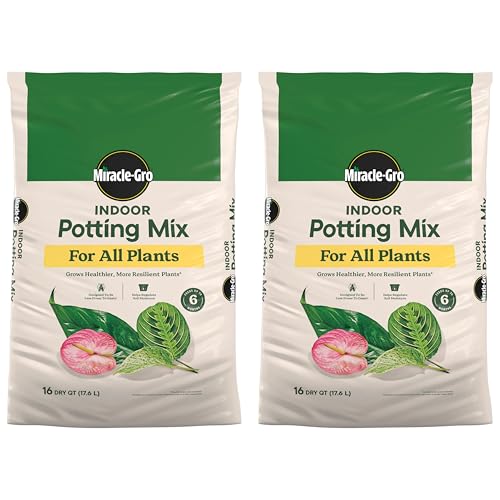
Miracle-Gro Indoor Potting Mix 16 qt 2-Pack

Molly’s Aroid Potting Mix Chunky 3 Dry Quarts

AROID Potting Mix Premium Soil for Aroids 8 QTS

Miracle-Gro Indoor Potting Mix 6 qt 6-Month Feed

Gardenera Carnivorous Plant Soil 1 Quart

rePotme Bromeliad and Jewel Classic Soil Mini Bag

Gardenera Premium Potting Mix for Hoya 1 Quart

Coast of Maine Acid-Loving Planting Soil 20 qt 2-Pack
The Details Behind The Selections
Rosy Soil Plant Food leans heavily into a biological profile, blending biochar, kelp meal, worm castings, bokashi, compost, and mycorrhizae into a four-quart bag aimed at indoor and patio growers. For a Pink Princess, that translates into a soil amendment rather than a standalone substrate, which means it’s most useful when stirred into a chunkier base mix rather than used on its own.
The organic ingredient list reads like a starter course in living soil, and you won’t find synthetic boosters hiding in the formula. If you compost at home or keep worm bins, the inclusion of worm castings feels intuitive. Most indoor plant parents mixing this into a standard aroid blend will find it complements perlite and bark nicely.
Practical Pluses
- Mycorrhizae supports root health and nutrient uptake over time, which matters for slow-growing variegated philodendrons.
- Biochar and worm castings improve long-term soil structure, so a single amendment can stretch across multiple repottings.
- Free of synthetic additives, making it friendlier around curious pets and small children.
- Versatile across tropicals, succulents, herbs, and flowering houseplants beyond your Pink Princess.
Things To Consider
- It’s marketed as plant food, not a complete substrate, so expect to mix it into a chunkier aroid base rather than pot up directly.
- Organic blends sometimes carry a faint earthy smell during the first few waterings, which can drift in small rooms.
Who It Suits Best
Organic-leaning indoor gardeners building a custom aroid mix and want a biological boost layered into their standard chunky base.
Consider Something Else When
Molly’s Aroid Potting Mix is a stronger single-bag option for anyone who wants a ready-to-use chunky substrate without an extra amendment step.
Perfect Plants leans on coco coir as the backbone, a fibrous material derived from coconut husks that holds moisture while still letting air circulate around roots. For a Pink Princess sitting in a typical decorative nursery pot, that balance keeps the medium damp enough between waterings without sitting wet.
The eight-quart volume covers a healthy handful of small to medium repottings, so it suits anyone refreshing a starter collection or staging multiple new arrivals. Compared with the heavier Rosy Soil amendment, this one feels closer to a finished medium that can be poured straight into a pot.
Strong Points
- Coco coir resists compaction, so the medium stays fluffy for months rather than turning dense.
- Drains excess moisture quickly, a real plus if your watering schedule tends toward enthusiastic.
- Eight quarts handles several smaller pots in one purchase.
Trade Offs
- Pothos-targeted blends run slightly more moisture-retentive than a pure aroid mix, so a few perlite additions may help in deeper pots.
- Coco coir starts nutrient-light, meaning you’ll likely want to feed alongside watering.
Made For
Beginners repotting their first Pink Princess who want forgiving moisture management without buying a dozen separate amendments.
Look Elsewhere When
The AROID Potting Mix from Top Tier Genetics is a stronger match for collectors who want chunkier bark and pumice built into the bag.
Miracle-Gro’s indoor mix draws on a familiar blend of sphagnum peat moss, coconut coir, and perlite, all of which are standard ingredients in general-purpose houseplant soils. The 32-quart two-pack arrives ready to refresh a sizeable collection, and the lightweight texture makes it easy to work with during a marathon repotting session.
For a Pink Princess, the bigger concern is drainage, since this mix isn’t as chunky as a dedicated aroid substrate. You’ll likely want to fold in extra perlite or orchid bark before potting, especially for mature specimens with thick aerial roots.
Where It Delivers
- Lightweight texture is easy on the wrists during multi-plant repotting sessions.
- Two-pack covers a wide household collection in a single delivery.
- Coir and peat blend holds moisture steadily without constant rehydration.
Points To Note
- Lacks the bark and pumice content that aroids prefer, so amending is almost required.
- Peat-based blends can dry out and resist rewetting if you let them go too long between drinks.
Best Suited To
Multi-plant households that want one versatile bag to cover tropicals, foliage plants, and the occasional Pink Princess alongside everything else.
Skip It When
Molly’s Aroid Potting Mix offers the chunky, soil-free structure your philodendron craves without forcing you to blend your own add-ins.
Molly’s Aroid Mix skips traditional soil entirely and builds the blend around chunky components that resist compaction. For a Pink Princess, that means generous airflow around the root zone, which directly addresses the root rot risk that scares most collectors.
The three-dry-quart bag feels modest next to the bulkier Miracle-Gro two-pack, but it’s calibrated for a single plant refresh rather than a household overhaul. The mix also leans gnat-resistant, a small bonus for anyone keeping plants in a bedroom or living area.
Strengths Worth Knowing
- Soil-free formulation makes overwatering nearly impossible, which lowers stress for new plant parents.
- Chunky texture keeps the medium airy, supporting thick aerial roots on mature philodendrons.
- Gnat-resistant profile is a real advantage on shelves where fungus gnats tend to multiply.
Worth Noting
- Smaller bag size means heavy collectors may need multiple purchases.
- Chunky mixes dry out faster, so expect more frequent watering in warm rooms.
Right Fit For
Anyone who tends to overwater or struggles with fungus gnats and wants a forgiving aroid substrate right out of the bag.
Not Your Match When
The AROID Potting Mix from Top Tier Genetics suits collectors who want similar chunkiness but with worm castings layered in for nutrient density.
Top Tier Genetics markets this mix squarely at the aroid collector, calling out Monstera, Philodendron, Alocasia, and Anthurium by name. The eight-quart bag includes orchid bark, coco husk, and pumice to keep the structure loose, while worm castings and mycorrhizae handle the fertility side.
Biochar rounds out the ingredient list, contributing to longer-term soil stability that benefits slow-growing variegated plants. For a Pink Princess, that translates into a substrate designed for the exact conditions this species prefers, with less guesswork than a general indoor mix.
The Value In It
- Formulated specifically for philodendrons and their cousins, removing the need for custom blending.
- Bark, coco husk, and pumice deliver strong airflow and quick drainage.
- Worm castings and mycorrhizae support steady growth without overfeeding.
- Eight-quart volume handles several medium-sized repottings.
Soft Spots
- Dedicated aroid blends cost more per quart than general-purpose indoor mixes.
- Heavier bark content can make small pots tip-heavy once the plant matures.
Who Should Grab It
Dedicated aroid collectors running a multi-species shelf who want one bag that handles philodendrons, monsteras, and alocasias in one go.
A Better Fit Elsewhere
Molly’s Aroid Potting Mix suits shoppers who prefer a soil-free version with similar chunkiness and slightly easier watering margins.
Miracle-Gro’s smaller six-quart bag drops compost and bark from the formula, which the brand points to as a fungus-gnat deterrent. Coconut coir carries the moisture side, helping the medium re-wet cleanly after a dry stretch.
For a Pink Princess, the built-in feeding window of up to six months means less routine fertilizer fuss during the active growing season. The smaller bag suits single-plant refreshes, especially in apartments where storage space is tight.
Why It Works Well
- Designed without compost or bark, reducing the materials that tend to shelter fungus gnats.
- Coir helps the medium re-wet evenly after it dries out, avoiding hydrophobic pockets.
- Six-month feeding window reduces the number of fertilizer applications per year.
Room For Improvement
- Texture is finer than a true aroid mix, so chunky amendments are still recommended for mature plants.
- Six-quart volume runs out quickly for collectors with more than a couple of plants.
Whose Shelf It Belongs On
Indoor gardeners with one or two houseplants who want a low-maintenance blend that won’t invite fungus gnats to move in.
Another Choice May Suit
Perfect Plants Organic Pothos Soil suits shoppers managing a slightly larger tropical collection who prefer a coir-led base.
Gardenera’s carnivorous blend centers on peat moss, coco coir, and perlite in proportions aimed at Venus flytraps and sundews. That formula runs low in nutrients and slightly acidic, which is the opposite of what most aroids prefer but useful in specific situations.
The 1-quart bag is tiny and serves as a specialty supplement rather than a primary substrate for a Pink Princess. It can be useful when mixing custom blends that lean toward the acidic side or supporting a small companion plant collection.
Everyday Perks
- Handcrafted blend uses natural ingredients without synthetic fillers.
- Low-nutrient profile suits plants that struggle in richer soils.
- Small bag fits easily on a shelf alongside other specialty mixes.
Honest Caveats
- Designed for carnivorous plants, not aroids, so using it solo for a Pink Princess will leave the medium nutrient-starved.
- One-quart size covers only a single small pot.
Perfect Match For
Plant keepers who maintain a side collection of acid-loving species alongside their philodendrons and want one specialty bag in the toolkit.
Swap It Out When
The AROID Potting Mix from Top Tier Genetics is a far better primary substrate if your goal is philodendron-specific nutrition and aeration.
rePotme positions this mix as a multi-purpose houseplant blend blended fresh and aimed at free-draining performance. The mini bag runs about two quarts, which makes it a measured choice for single-plant refreshes rather than full-shelf overhauls.
For a Pink Princess, the appeal is consistency: smaller batches tend to arrive fresher and don’t sit in warehouses for months. Owners commonly report that small-batch mixes arrive with a slightly damp feel and pleasant earthy aroma right out of the bag.
A Few Highlights
- Free-draining structure supports healthy root systems across tropical houseplants.
- Smaller batch size tends to mean fresher product on arrival.
- Versatile enough for ivy, fig, jade, and philodendron-family plants.
Small Caveats
- Per-quart cost runs higher than larger bags, so multi-plant refreshes add up.
- Multi-purpose focus means it’s not as aroid-specialized as dedicated blends.
Built With In Mind
Collectors refreshing a single specimen who value freshness and a hand-blended feel over bulk pricing.
Reach For A Different Pick When
The AROID Potting Mix from Top Tier Genetics suits shoppers who want a chunkier, aroid-targeted blend at a larger volume.
Gardenera’s Hoya mix combines Canadian peat moss, perlite, mulch, worm castings, charcoal, and lime in proportions tuned for epiphytic tropicals. That ingredient list overlaps with aroid preferences, though the lime addition shifts pH slightly upward.
The 1-quart size makes this a smart trial bag for anyone curious about a new blend without committing to a larger volume. For a Pink Princess, it works as a baseline substrate that you may want to amend with extra bark for thicker root zones.
Reasons It Performs
- Charcoal supports long-term freshness and helps neutralize odors in the root zone.
- Worm castings provide gentle organic nutrition without burn risk.
- Compact bag suits apartment dwellers with limited storage.
Points To Keep In Mind
- Designed for Hoyas rather than philodendrons, so chunky amendments are usually necessary.
- One-quart volume won’t carry a full collection refresh.
Who Will Love This
Tinkerers who enjoy testing small bags before committing to a larger purchase and don’t mind adding bark or perlite to dial in texture.
A Better Fit Elsewhere
Molly’s Aroid Potting Mix offers a ready-to-use aroid blend at a similar small-volume size for shoppers who prefer less amending.
Coast of Maine crafts this soil around acid-loving outdoor plants like rhododendrons, azaleas, ferns, and blueberries. The 40-quart two-pack suits patio containers and outdoor beds rather than small indoor shelves, and the low-pH profile is a defining feature.
For a Pink Princess, this blend sits outside the typical use case since philodendrons prefer a more neutral pH range. It earns a spot on this list as a strong patio and outdoor option for gardeners who move their tropicals outside during warm months and want a dedicated acid-friendly medium nearby.
Key Advantages
- OMRI-listed organic formulation reflects nature-conscious sourcing practices.
- Two-pack delivers 40 quarts, ideal for patio beds and large outdoor containers.
- Lightweight texture stays workable across multiple repotting sessions.
Less Ideal Details
- Low pH doesn’t match typical philodendron preferences, so use it for outdoor setups or mixed beds.
- Larger bag format is bulky for apartment storage and indoor use.
The Right Fit
Outdoor and patio gardeners maintaining acid-loving plant collections who want a bulk organic compost for seasonal refreshes.
Where A Sibling Pick Shines
The AROID Potting Mix from Top Tier Genetics is the better indoor companion for philodendrons kept on shelves year-round.
What Matters Most Before Choosing Soils For Pink Princess Philodendron
Drainage And Aeration
Pink Princess philodendrons develop thick aerial roots that demand generous airflow, and the fastest path to root rot is a dense, slow-draining substrate. Look for chunky components like orchid bark, pumice, perlite, or coco husk that keep the medium loose. A coarse texture also helps water flush through rather than pool at the bottom of the pot.
Moisture Retention Without Saturation
The substrate should hold enough moisture to bridge several days between waterings without staying soggy. Coco coir and peat moss both retain water, but they behave differently over time. Coir rewets cleanly after drying, while peat can become hydrophobic if neglected. Balancing both ingredients keeps the medium forgiving for travel days and irregular schedules.
Nutrient Content And Feeding Rhythm
Aroids appreciate gentle nutrition rather than heavy feedings. Worm castings and biochar provide slow-release support without the burn risk of synthetic fertilizers. Many owners combine a mild base mix with periodic diluted liquid feed during active growth to keep variegation vivid without pushing excessive leaf production.
Indoor Suitability And Pest Pressure
Indoor mixes without compost or bark tend to discourage fungus gnats, which can otherwise colonize damp organic matter. Smaller bags also help if storage is tight, since opened soil degrades over time. For bedroom and living-room placements, the lower the organic debris, the fewer the uninvited visitors.
Key Considerations Across These Picks
Common Shopping Slip Ups
A frequent mistake is grabbing a standard outdoor potting soil for an indoor aroid, then watching the leaves yellow within weeks as the medium compacts. Another pitfall is choosing the largest bag on the shelf without checking the ingredient list, since bulk mixes often rely heavily on peat. Pick a substrate specifically built for tropicals, and amend with bark if the texture feels too fine.
What The Higher Tier Buys
Dedicated aroid mixes cost more per quart because they include orchid bark, pumice, worm castings, and biochar rather than inexpensive peat. That added structure pays off in fewer root issues and stronger growth over the long haul. For collectors with several philodendrons on a dedicated shelf, the upgrade is usually worth the extra spend compared with constantly amending a cheaper base.
Frequently Asked Questions
What type of soil does a Pink Princess philodendron need?
A Pink Princess thrives in a chunky, well-aerated aroid mix that includes orchid bark, perlite, coco coir, and worm castings for steady nutrition. Avoid dense garden soils that compact and trap moisture around the roots.
Can I use regular potting soil for a Pink Princess?
Regular indoor potting soil works only after you amend it with extra perlite, orchid bark, or pumice to improve drainage. Using it straight from the bag typically leads to waterlogged roots and yellowing leaves.
How often should I repot my Pink Princess philodendron?
Most Pink Princess philodendrons benefit from repotting every one to two years, ideally during the active growing season in spring or early summer. Refresh the medium and step up the pot size only when the roots have clearly filled the current container.
Do Pink Princess philodendrons like acidic soil?
Pink Princess philodendrons prefer a slightly acidic to neutral pH range, roughly between 5.5 and 7.0. Strongly acidic mixes designed for blueberries or azaleas aren’t necessary and may slow nutrient uptake.
Should I add bark or perlite to my aroid mix?
Adding orchid bark and perlite improves airflow and drainage, which directly reduces the risk of root rot in philodendrons. Even dedicated aroid mixes often benefit from a small top-up of bark for mature specimens with thick aerial roots.
The Takeaway
The substrate you choose shapes every watering decision that follows, so picking a chunky, well-draining aroid blend pays dividends in stronger growth and cleaner variegation. Match the bag to your collection size, your watering habits, and whether your Pink Princess lives indoors year-round or moves to a shaded patio in summer. A thoughtful mix now means fewer rescue missions later.
