

Growing potatoes in containers rewards you with fluffy, homegrown tubers in a fraction of the space a backyard row demands. The catch is that spuds demand a loose, well-draining medium rich enough to fuel heavy top growth yet breathable enough to let stolons swell underground. Off-the-shelf garden soil tends to compact in pots, choking roots and inviting rot. The right bagged mix sets up a healthy root zone from the first fill.
Below is a curated list of container-friendly soils and soil amendments that play well with potato culture. Read on for the standout features, real trade-offs, and the kind of gardener each product suits best.
The Picks In Brief
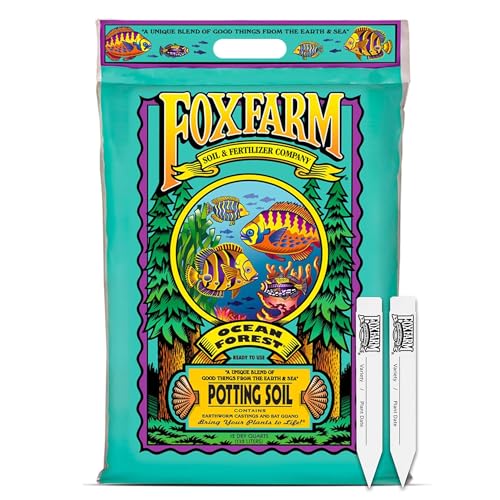
FoxFarm Ocean Forest Potting Soil 12 Quarts with Plant Tags

FoxFarm Ocean Forest Potting Soil 1.5 cu ft

PlantBest Coco Mulch Compressed Block 9.1 lb

WONDER SOIL Coco Coir 3-Brick 30 Quart Pack

GARDENWISE Organic Olive Tree Potting Mix 3 Quarts
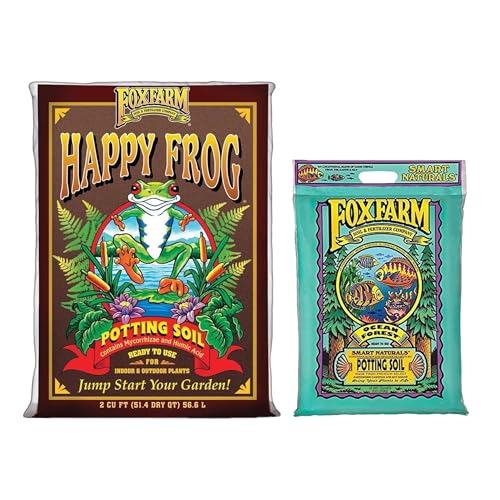
FoxFarm Happy Frog 2 cu ft + Ocean Forest 12 qt Bundle
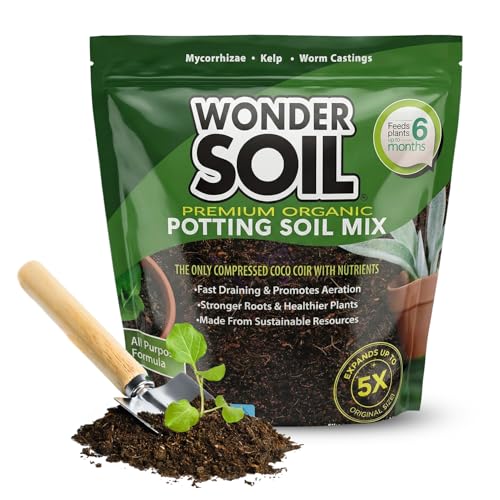
WONDER SOIL Organic Potting Soil 12 Quart Bag

WONDER SOIL Coco Coir 72 Quart Block

PlantBest Coco Peat Garden Soil Concentrated Potting Mix

PlantBest Coco Mulch Compressed Block 9.1 lb
Why These Options Stand Out
This 12-quart FoxFarm Ocean Forest bag lands as a starter-friendly option for growers testing the potato-pot waters. The texture arrives light and already aerated, so you skip the backbreaking chore of fluffing up dense native dirt before each planting. Earthworm castings, fish meal, and crab meal feed the medium organically while potato roots push down.
The included plant tags are a small but thoughtful touch, especially for beginners juggling multiple seed potato varieties in a tight patio corner. You can label each pot the moment you plant, sidestepping the classic end-of-season mystery of which container held which spud.
Good Reasons To Consider
- Ready out of the bag, no mixing required for impatient gardeners
- Earthworm castings support steady nutrient release through tuber set
- Light, aerated texture resists compaction in tall potato towers
- Includes two plant tags for tracking varieties and planting dates
- Compact 12-quart size fits a couple of medium grow bags without waste
Worth Noting
- Smaller volume means rebuying mid-season for anyone running many large pots
- Richer organic blends can stay moist longer, so overwatering remains a risk in shaded balconies
Quick Facts
Made For
Beginners planting a couple of potato grow bags on a sunny patio or balcony and wanting a fuss-free start.
Consider Something Else When
Garden beds and larger towers demand more volume, so the FoxFarm Ocean Forest Potting Soil 1.5 cu ft bag is a smarter scale-up.
The same FoxFarm Ocean Forest blend shows up here in a generous 1.5 cubic foot bag sized for serious potato projects. Filling several grow bags or a potato tower demands volume, and this format keeps you from juggling six smaller bags across one season. The airy texture holds up across multiple waterings without turning into a heavy brick.
Compared with the smaller FoxFarm Ocean Forest Potting Soil 12 Quarts bag, this option trades convenience for economy at scale. Apartment growers with rooftop beds will appreciate having one heavy bag to haul rather than a stack of lighter ones.
Well-Handled Touches
- 1.5 cubic foot volume covers most medium potato tower setups in one purchase
- Earthworm castings feed hungry potato plants through tuber bulking
- Light texture maintains airflow around roots for the full season
- Ready to plant straight from the bag with zero amendments
Points To Note
- Heavier full bag is awkward to carry up stairwells to rooftop gardens
- Once opened, the remaining soil benefits from being sealed and stored somewhere dry
Right Fit For
Multi-pot growers and rooftop gardeners running several potato containers who want one bulk purchase per season.
Look Elsewhere When
Tight storage closets rule out the bulky bag, in which case PlantBest Coco Mulch Compressed Block 9.1 lb arrives flat and expands on demand.
Coir is the fibrous husks of coconuts, prized as a soil amendment because it holds moisture while letting air reach roots. This PlantBest compressed brick arrives as a dense 9.1-pound block that fluffs up dramatically once water hits it. Gardeners working from a small apartment closet can finally stock up on soil without dedicating half a closet to bulky bags.
The expansion ratio is dramatic, turning one brick into roughly 64 quarts of usable material. Mix it into a richer base, or use it as a top-dress mulch layer to slow moisture loss on hot patio afternoons.
What Earns Its Place
- Compact brick fits on a shelf, freeing garage and closet space
- Expands to roughly 64 quarts, covering multiple medium potato pots
- Coir resists compaction and keeps soil loose through the season
- Useful as both an amendment and a top-dress mulch
A Few Limitations
- Expansion requires a large bucket and a fair amount of water to hydrate fully
- Coir alone carries few nutrients, so blending with a richer mix or feeding on a schedule matters
Best Suited To
Apartment growers short on storage who want to mix their own light, fluffy potato blend without hauling heavy bags.
Where Another Pick Suits Better
Anyone wanting nutrients already mixed in should reach for WONDER SOIL Coco Coir 3-Brick 30 Quart Pack, which arrives pre-loaded with worm castings.
WONDER SOIL arrives as three compressed bricks that hydrate into roughly 30 quarts of coir-based growing medium. The blend comes pre-loaded with worm castings, mycorrhizae (beneficial fungi that help roots grab nutrients), and kelp, sparing you from buying amendments separately. For a first-time potato grower, that convenience carries real weight.
The compact format slides neatly onto a shelf until planting day. The bricks hydrate quickly with a watering can, so you can stage your medium indoors and carry finished soil out to the patio in batches.
What Helps Most
- Pre-amended with worm castings and mycorrhizae for stronger root systems
- Three-brick format keeps storage tidy before planting day
- Expands to about 30 quarts, enough for a small potato patch in pots
- Peat-free composition suits eco-conscious gardeners
Honest Caveats
- Hydration step takes planning since you need a large container ready to go
- Smaller total volume than the FoxFarm Ocean Forest 1.5 cu ft bag for the same footprint
Perfect Match For
First-time potato growers who want a nutrient-boosted coir blend without juggling separate amendment bags.
Skip It When
You need a heavier feed for a long potato season, in which case the FoxFarm Happy Frog 2 cu ft + Ocean Forest 12 qt Bundle delivers richer organic matter straight from the bag.
This olive tree blend was engineered to mimic the loose, gritty soils of the Mediterranean, leaning toward fast drainage rather than moisture retention. Potatoes tolerate that drainage better than most gardeners realize, especially in humid climates where tubers sit in soggy medium. Lime in the mix keeps pH closer to the slightly acidic range spuds prefer.
You may find this blend works as a base layer beneath a richer amendment, balancing moisture without suffocating roots. The 3-quart size makes sense for a single experimental pot rather than a whole potato patch.
Useful Strengths
- Fast-draining texture protects tubers from rot in humid climates
- Worm castings and compost deliver organic matter to fuel growth
- Limestone buffers pH for slightly acidic-loving potato roots
Factors To Consider
- Only 3 quarts fills a small pot, requiring multiples for larger towers
- Drainage runs fast, so watering frequency rises in summer heat
Who Should Grab It
Garden tinkerers in humid regions who want a fast-draining base to blend with coir or compost for potato pots.
Reach For A Different Pick When
You need a balanced all-in-one, in which case FoxFarm Ocean Forest Potting Soil 12 Quarts with Plant Tags handles the average patio setup out of the bag.
This bundle pairs a 2-cubic-foot bag of Happy Frog potting soil with a 12-quart bag of Ocean Forest, letting you match different mediums to different crops in the same season. Happy Frog leans toward gentle feeding for sensitive roots, while Ocean Forest delivers a richer organic punch for heavy feeders like potatoes. Splitting the work this way gives gardeners real flexibility.
Used together, the two blends create a layered approach that suits potatoes sitting alongside tomatoes or herbs in shared patio beds. The combination also reduces the chance of accidentally starving a hungry crop.
The Good Stuff
- Two distinct blends support varied crops across the patio
- Happy Frog adds soil microbes that improve nutrient uptake
- Ocean Forest handles the heavy-feeding side of potato culture
- Bundle format spares you separate shipping on two big bags
Less Ideal Details
- Bundled two bags are heavy to receive and stage at once
- Overkill for anyone running only one or two small pots
Whose Shelf It Belongs On
Multi-crop patio gardeners who want flexibility to feed different plants with different soils from a single delivery.
Where A Sibling Pick Shines
Single-crop potato growers may prefer the FoxFarm Ocean Forest Potting Soil 1.5 cu ft bag alone, since simpler stocking beats variety.
A single 3-pound bag that fluffs up to about 12 quarts makes this WONDER SOIL option a tidy pick for tight spaces. The compressed format slips into a kitchen drawer until planting day, then expands in a bowl of water within minutes. For balcony gardeners working with one or two small pots, that low-fuss prep is the whole appeal.
Perlite (small white volcanic rock that improves drainage and aeration) joins worm castings and kelp in the dry mix, giving you a finished medium that drains well without being airy to a fault. It suits potatoes that prefer a steady balance of moisture and oxygen at the root zone.
Points In Its Favor
- Tiny compressed bag fits in a drawer until needed
- Pre-mixed perlite improves drainage for healthy tuber development
- Worm castings and kelp add gentle organic nutrition
- Peat-free and pet-safe composition appeals to family patios
Trade-Offs To Consider
- 12-quart expansion only fills one or two small pots at most
- Single-bag format costs more per quart than the 72-quart block
Who It Suits Best
Balcony growers with one or two small potato pots who want a fuss-free, drawer-storable soil.
A Better Fit Elsewhere
Anyone needing more than a couple of pots should grab the WONDER SOIL Coco Coir 72 Quart Block for better per-quart value.
The 72-quart WONDER SOIL block anchors the heavy-duty end of the lineup, hydrating into enough medium for a serious potato planting. A 10-pound brick arriving on your doorstep replaces the cumulative volume of several traditional bags, and the worm castings, mycorrhizae, and kelp feed the expanded coir for several months. Bulk gardeners running many pots through the season will appreciate the math.
The trade-off shows up at hydration time. You need a sizeable tub and a hose or watering can ready, plus a few minutes of patient fluffing. Once the work is done, the medium stores loosely in bins until each pot needs filling.
The Upside
- 72-quart expansion covers a multi-pot potato setup in one block
- Mycorrhizae boost root efficiency for stronger tuber development
- Peat-free composition supports eco-friendly gardening
- Lower per-quart cost than smaller coir bags over a full season
Where It Is Less Suited
- Hydration step demands a large container and a fair amount of water upfront
- Expanded medium needs somewhere dry to store if you cannot use it all at once
Who Will Love This
Whole-season growers running a half-dozen or more potato pots who want one bulk purchase to see them through harvest.
Not Your Match When
Casual patio growers with one small pot should reach for WONDER SOIL Organic Potting Soil 12 Quart Bag instead, since smaller scale avoids the hydration hassle.
PlantBest markets this block as a peat-free alternative for gardeners wary of harvesting sensitive peat bogs. The 11-pound compressed brick expands to roughly 79 quarts, edging out most rivals for sheer volume per pound. Triple-washing lowers salt content, which matters since excess salts can stunt tender potato roots.
The lighter profile suits layering into a richer compost base, blending roughly half-and-half for a balanced potato medium. Coconuts by nature carry fewer native nutrients than peat, so plan to feed on a schedule once tubers start forming.
Strong Points
- Triple-washed to lower salt content that could harm young roots
- Expands to roughly 79 quarts, covering several medium pots
- Peat-free composition appeals to eco-conscious growers
- Compact brick stores flat on a shelf until planting day
Trade Offs
- Carries fewer native nutrients than richer peat-based blends
- Hydration requires a sizeable tub and a few minutes of work
Who It Suits Best
Eco-focused gardeners avoiding peat who want a clean, low-salt coir base to mix with compost for potato pots.
Swap It Out When
You want nutrients already mixed in, in which case WONDER SOIL Coco Coir 3-Brick 30 Quart Pack arrives pre-amended with worm castings and kelp.
The final pick is technically a mulch rather than a complete potting soil, but experienced container growers reach for coconut mulch as a moisture-locking top dress. Spread an inch or two over the surface of your potato pot and it slows evaporation on hot patio afternoons. The same 9.1-pound brick covers up to roughly 17.5 square feet once expanded.
Used alongside any of the other soils on this list, this block rounds out a smart watering strategy for summer. Lay it on after the final hilling, the practice of mounding soil around emerging stems, and the medium beneath stays evenly moist between waterings.
Bright Spots
- Compressed brick saves shelf space until needed
- Top-dressing mulch reduces watering frequency in heat
- Organic coconut fibers suppress light weed seed germination
- Breaks down slowly over the season, enriching the underlying soil
Things To Weigh
- Not a standalone medium, so it needs to be paired with a base soil
- Hydration step still requires a tub and water before spreading
Built With In Mind
Container gardeners in hot or windy climates who want to stretch watering cycles during potato tuber bulking.
Another Choice May Suit
Growers wanting an all-in-one medium should skip this mulch and grab the FoxFarm Happy Frog 2 cu ft + Ocean Forest 12 qt Bundle instead.
What Matters Most When Picking a Potato Potting Medium
Potatoes need a loose, well-draining medium that still holds enough moisture to keep tubers swelling steadily through summer. Heavy garden soil compacts in containers, choking roots and inviting rot, so a light, airy texture ranks at the top of the priority list. Look for mixes built around peat, coconut coir, or composted bark, which resist compaction far better than dense loam.
Drainage matters as much as aeration. Saturated roots rot fast, and tubers sitting in standing water develop scab and other issues. Avoid any blend that feels sticky or heavy right out of the bag. A handful squeezed and released should crumble, not clump.
Nutrient content shapes how often you feed. Rich, organic-matter-heavy mixes like FoxFarm Ocean Forest feed potatoes for a chunk of the season without supplemental fertilizer. Leaner coir blocks demand regular feeding since they ship with very few native nutrients.
Texture and Aeration
Air pockets in the medium let stolons (the underground stems that swell into tubers) expand freely. Mixes with perlite, pumice, or coarse compost hold their structure through repeated waterings. Avoid fine, dusty soils that settle into a dense layer at the bottom of pots over time.
Moisture Retention
Potatoes prefer steady moisture, not wet feet. Coco coir holds water without becoming waterlogged, which is why it shows up so often in container blends. Sandy or fast-draining mixes dry out fast in summer, demanding daily watering that not every patio gardener can keep up with.
Volume and Storage
A compressed brick saves closet space compared with bulky bags, but the hydration step requires planning. Pre-mixed bags trade convenience for shelf hogging, so think about where you will store the bag before planting day and whether a wheelbarrow trip is in your future.
Reading Between the Soil Bags
Pitfalls Shoppers Hit
Choosing a “garden soil” rather than a “potting mix” is the most common mistake, since garden soil is engineered for in-ground beds and compacts badly in containers. Reaching for the cheapest bag regardless of crop also backfires, since lean bargain mixes demand so much supplemental feeding that the savings evaporate. Finally, skipping the drainage layer at the bottom of the pot leaves tubers sitting in pooled water after every watering, inviting rot.
Where The Extra Money Goes
Premium blends cost more because they include richer amendments like earthworm castings, bat guano, and aged forest products that feed plants organically over weeks. Cheaper mixes lean on bulk fillers with little nutritional value, forcing a strict fertilizer schedule to keep plants thriving. For gardeners short on time or new to feeding schedules, that built-in nutrition pays for itself in fewer rescue doses and steadier growth.
