

Plumeria reward growers who give their roots room to breathe, and that starts with the medium in the pot. Tropical growers from coastal Hawaii to humid Florida share the same core frustration: bagged soils stay wet too long, roots suffocate, and a healthy-looking plant suddenly drops its leaves. The right base mix solves that with fast drainage, enough organic matter to feed heavy bloomers, and a texture that mimics the loose, gritty soils where these trees thrive in the wild.
This list focuses on mixes that genuinely work as components of a plumeria blend, plus a few pre-blended options that can stand alone with light amendment. Use it to shortcut the trial-and-error phase and head straight toward a mix your plumeria will actually root into.
The Main Contenders
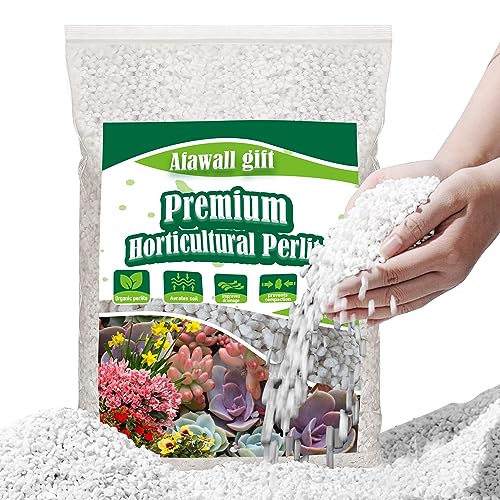
Afawall gift 2QT Perlite for Plants Organic Horticultural Amendment
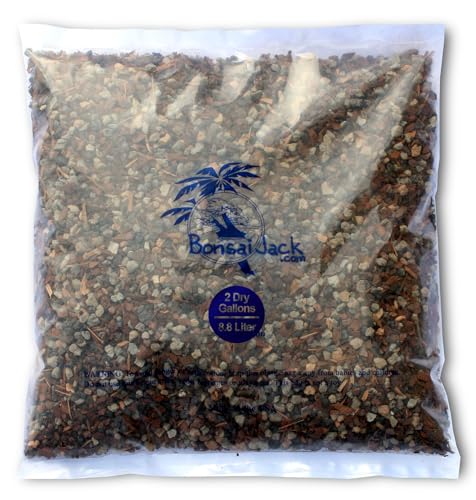
Bonsai Jack Universal Organic Bonsai Soil Mix #221, 2 Gallons

Kempf Compressed Coco Coir Pith Block, 10 lb

Miracle-Gro Moisture Control Potting Mix, 16 qt

AROID Potting Mix Chunky Aerated Soil, 4 QTS
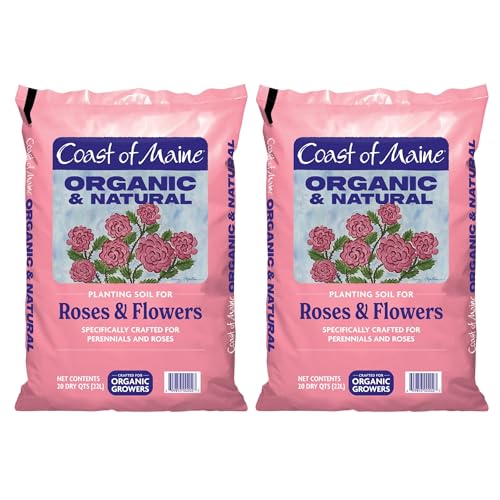
Coast of Maine Roses and Flowers, 20qt (Pack of 2)

Miracle-Gro Indoor Potting Mix, 6 qt., 3-Pack

Miracle-Gro Indoor Potting Mix, 6 qt.

Hoffman Organic African Violet Soil Mix, 4 Dry Quarts

The Bonsai Supply Bonsai Soil Mix, 4 qts
Inside Each Recommended Option
Perlite is the single most useful amendment for plumeria, and this 2-quart bag from Afawall gift delivers the basics at a small-batch size. Perlite is a heat-expanded volcanic glass that holds its shape in the pot, creating permanent air pockets that roots travel through instead of suffocating in soggy peat.
For most hobbyists mixing their own plumeria blend, perlite makes up roughly a third of the total volume. It is inert, so it will not steal nutrients from your fertilizer, and it does not break down the way bark or coco does over a single growing season.
Positive Takeaways
- Screened to a consistent medium grade that blends easily without sinking to the bottom of the pot.
- Lightweight enough to ship affordably and to mix into large batches without wearing out your wrists.
- Improves drainage fast, which matters most for plumeria during cool, cloudy stretches when pots dry slowly.
Worth Noting
- The 2-quart volume is small; larger collections or multi-tree collections will burn through it quickly.
- Dust at the bottom of the bag is common and should be rinsed or shaken out before use.
Who It Suits Best
Plumeria growers dialing in a custom mix who need a reliable drainage amendment without buying a 50-pound industrial sack.
Look Elsewhere When
Growers who want a ready-to-pour blend should reach for the AROID Potting Mix instead, since it already includes perlite alongside bark and coir.
Bonsai Jack built its reputation on the kind of fast-draining, pre-screened gritty mixes that plumeria also responds to. The #221 blend arrives washed and screened, so you can pot directly without sifting out fines that would otherwise settle at the drainage hole.
The pH of the mix is balanced around 6.4, sitting just slightly acidic, which lines up with what plumeria prefers in containers. Particle sizing is optimized for water absorption and evaporation, so the medium dries predictably between waterings, even in humid coastal summers.
What It Does Well
- Pre-washed particles mean less dust and fewer fines clogging your drainage holes.
- Balanced pH removes one variable from the equation for growers who do not test their own mixes.
- Two-gallon volume suits small collections of plumeria cuttings and young trees without waste.
Points To Note
- It is a premium-priced bag compared to commodity potting soils, which can sting for casual growers.
- The blend contains very little organic matter, so you will likely want to supplement with worm castings or compost for feeding heavy bloomers.
Key Specs
Right Fit For
Growers who want a pre-screened, hands-off base that drains fast and is willing to add organic amendments on top.
Where Another Pick Suits Better
If you prefer richer organic content straight out of the bag, the Coast of Maine Roses and Flowers blend delivers compost-forward nutrition without extra work.
Coco coir is a byproduct of the coconut industry, and this Kempf block compresses a serious amount of material into a small package. The 10-pound brick expands to roughly 18 gallons once hydrated, which is enough to amend a dozen mid-size plumeria pots with room to spare.
The fibrous structure holds moisture while still letting air reach the roots, and unlike peat it rewets easily after drying out. For plumeria growers who mix in bulk, that rewetting behavior matters during long summer stretches when watering slips by a day.
Positive Points
- One brick replaces several bags of bagged coir, saving shelf space in a crowded garden shed.
- High water-holding capacity reduces how often you water during peak summer heat.
- pH sits near neutral and adds organic matter without the hydrophobic tendencies of dry peat.
Trade Offs
- Requires soaking time and a bucket or wheelbarrow to hydrate before use, which adds a step to potting day.
- Coir alone stays too wet for plumeria, so it must be cut with perlite or pumice for safe results.
Made For
Growers repotting multiple plumeria at once who want a shelf-friendly base ingredient at a low cost per gallon.
Swap It Out When
If you only need to pot up one tree and want zero prep, the Hoffman African Violet Soil Mix arrives ready to scoop straight from the bag.
Miracle-Gro Moisture Control is the mainstream option most growers encounter first, and for plumeria it works best as a base to amend rather than a stand-alone medium. The AquaCoir blend absorbs extra water and releases it slowly, which helps casual waterers avoid the feast-or-famine cycle that stresses tropicals.
It feeds plants for up to six months after potting, which suits plumeria during the active growing season. The catch is drainage: this mix holds moisture longer than plumeria prefer, so cutting it with perlite or pumice is the safer route for most growers.
What Pays Off
- Widely available at garden centers and general retailers, easy to grab in a pinch.
- Built-in feeding reduces how often you need to mix fertilizer into your routine.
- Coarser texture than basic garden soil, so it does not compact as fast in patio containers.
Practical Considerations
- Moisture-control formula retains more water than plumeria like, so perlite amendment is a near-must.
- The 16-quart bag is on the smaller side for anyone repotting a half-dozen mature trees.
Quick Facts
Best Suited To
New plumeria parents who want a forgiving, easy-to-find bag and are willing to add perlite for drainage.
Skip It When
Experienced growers who prefer building their own gritty blend should reach for Bonsai Jack Universal instead and skip the built-in moisture retention.
The AROID mix from Top Tier Genetics was developed for chunky-rooted tropicals like Monstera and Philodendron, but the same air-loving root architecture applies to plumeria in smaller containers. Orchid bark, coco husk, and pumice combine to keep the medium loose, while worm castings and mycorrhizae deliver slow-release nutrition.
Biochar adds long-term porosity, helping the mix hold structure across seasons rather than collapsing into a soggy brick. For plumeria cuttings and young plants in 4 to 8-inch pots, this blend can be used straight from the bag with no extra amendment needed.
Useful Strengths
- Pre-blended with perlite-free drainage ingredients, so it works immediately for tropical species.
- Mycorrhizal inoculant supports root development on cuttings that have not yet established.
- Lightweight texture makes frequent inspection of small pots easier during propagation.
Less Ideal Details
- Four-quart volume runs out fast for anyone with more than a few small plumeria.
- The chunky texture dries faster than typical potting soils, so water-holding growers may need to adjust their routine.
Feature Snapshot
Whose Shelf It Belongs On
Plumeria growers rooting cuttings or maintaining young plants in small containers who want a ready-to-use blend that breathes.
Not Your Match When
Anyone repotting a mature, multi-foot plumeria will burn through this 4-quart bag and save money mixing their own with the Afawall perlite and a bulk bark source.
Coast of Maine built this blend around composted leaves, manure, and aged bark, and the OMRI-listed organic certification matters to growers avoiding synthetic fertilizers. For plumeria planted in-ground in coastal or sandy soils, it adds the organic matter those sites often lack.
The two-bag pack totals 40 quarts, which is a useful volume for refreshing raised beds or top-dressing around established trees. In containers, it stays workable only when cut heavily with perlite or pumice, since pure compost holds too much moisture for plumeria roots.
Everyday Wins
- OMRI-listed formula appeals to organic-focused gardeners and edible-landscape growers.
- Compost-rich texture feeds soil biology, which over time improves native ground around plumeria trees.
- The pack-of-two format keeps shipping efficient per quart compared to single small bags.
Worth Bearing In Mind
- Too moisture-retentive for solo container use, so perlite amendment is required.
- Smaller pieces of bark break down within a single growing season and may need refreshing annually.
Built With In Mind
Growers in sandy or depleted coastal soils who want to enrich a planting hole or raised bed for in-ground plumeria.
Consider Something Else When
Pure-container growers should look at Miracle-Gro Indoor Potting Mix instead, which is engineered for pot use straight from the bag.
The 3-pack of Miracle-Gro Indoor Potting Mix gives casual plumeria growers three ready-to-scoop bags without having to reorder mid-season. The formula is blended for a wide range of foliage and flowering houseplants, with coconut coir that helps the medium re-wet evenly after drying.
Because the mix contains no compost or bark, it is less prone to fungus gnats, which is a real benefit for plumeria kept near windows or in living spaces. Feeds for up to six months, reducing the number of fertilizer reminders during the slow winter months.
A Favorable Mix
- Three-bag pack covers a full repotting session with spares for top-dressing or mid-season touch-ups.
- Coir-based re-wetting helps avoid the dry-pocket problem common with peat-heavy mixes.
- Designed to be less prone to fungus gnats, a common complaint in indoor plumeria collections.
Smaller Caveats
- The blend still holds more moisture than plumeria prefer, so adding perlite is wise.
- 6-quart bags are awkward to store if your shed or closet space is tight.
Who Will Love This
Indoor plumeria growers who want a tidy multi-pack and prefer a low-gnat option for living-room or sunroom plants.
Reach For A Different Pick When
If you only need a single bag to pot up one tree, the standard 6-quart Miracle-Gro Indoor Potting Mix avoids the leftover clutter.
The single 6-quart bag of Miracle-Gro Indoor Potting Mix is the same formula as the 3-pack, just sized for one-off purchases. For plumeria growers who only repot occasionally, this avoids the storage hassle of stacking extra bags in a closet or under the bench.
The blend handles tropicals, foliage plants, and flowering houseplants equally well, which means a single bag can serve mixed indoor collections. Coconut coir holds and releases water while helping the soil re-wet, which limits the dry-shrinkage that plagues pure-peat mixes.
Real-World Strengths
- Single-bag format keeps storage simple for apartment growers and small-space gardeners.
- Coir ingredient helps the medium rewet uniformly rather than beading off the top.
- Six-month feeding window lets new plumeria roots settle before you resume a fertilizer schedule.
Practical Considerations
- Moisture retention is higher than plumeria prefer, so amending with perlite is recommended.
- The 6-quart volume covers only one mid-size plumeria, not a whole bench of trees.
Perfect Match For
Plumeria parents repotting a single tree at a time who want a fuss-free bag that doubles for other houseplants on the same shelf.
A Better Fit Elsewhere
Growers managing several plumeria should pick the 3-pack version instead, since per-bag cost drops and you avoid running out mid-pot.
Hoffman designed this blend for African violets, but the core recipe of sphagnum peat moss and vermiculite translates surprisingly well as a plumeria amendment. Vermiculite is a heat-expanded silicate mineral that holds both water and air, much like perlite but with a softer, less floaty texture.
For plumeria growers who find perlite too dusty or who want a smoother-looking surface in decorative pots, this mix offers an alternative. It arrives ready to use, no soaking required, which makes it a quick option for emergency repotting.
The Case For It
- Sphagnum peat moss provides light acidity and steady moisture without sudden dry-downs.
- Vermiculite aerates the root zone while staying put rather than floating to the surface like perlite.
- Ready-to-use format requires no prep work, ideal for last-minute transplanting.
Honest Caveats
- Holds more water than plumeria prefer in cool weather, so drainage holes and light watering are critical.
- The 4-quart bag is small for any grower with more than one medium-size tree.
Key Product Details
Who Should Grab It
Growers looking to lighten up a heavy compost blend who want a finer texture than perlite offers.
Where A Sibling Pick Shines
If you want a ready-to-pour mix with built-in bark and pumice, the AROID Potting Mix is a closer match for chunky-rooted plumeria.
The Bonsai Supply’s 4-quart blend arrives pre-mixed and sifted, which saves the chore of running dry mix through a screen before potting. It targets the same drainage, pH balance, and water-retention goals that plumeria roots reward in shallow training pots.
For hobbyists experimenting with bonsai-style plumeria in shallow containers, this mix performs similarly to a custom gritty blend. Larger containers may require combining it with coir or compost for moisture buffering in hot weather.
Notable Upsides
- Pre-sifted texture removes fines, so drainage holes stay clear longer.
- Balanced pH and aeration suit plumeria kept in shallow training containers.
- Convenient 4-quart size suits hobbyist growers who pot up one tree at a time.
A Few Limitations
- Limited organic content means supplementing with slow-release fertilizer for heavy bloomers.
- Smaller bag size means frequent repotters will reorder often.
The Right Fit
Plumeria hobbyists experimenting with bonsai-style training pots who want a pre-sifted, fast-draining mix on hand.
Not Your Match When
Growers repotting into large containers should reach for the Bonsai Jack 2-gallon bag, which provides similar characteristics in a more economical volume.
What Matters Most When Picking A Plumeria Mix
Drainage Comes Before Anything Else
Plumeria roots rot quickly in saturated soil, so particle size and drainage matter more than brand name. Look for mixes that include chunky bark, perlite, pumice, or coarse sand, and avoid anything that feels powdery or dense out of the bag. A quick squeeze test helps: a good mix crumbles loosely, while a poor mix stays clumped like modeling clay.
Match The Mix To Your Climate
Growers in humid coastal or tropical zones can push the moisture-retentive end of the spectrum with coir-heavy blends. Dry inland growers often benefit from extra perlite or pumice to keep water moving through the root zone. Indoor growers face lower evaporation rates and should lean toward the grittier options on this list.
Pre-Mixed vs. DIY Components
Pre-mixed blends like the AROID or Miracle-Gro Indoor options save time and remove guesswork for newer growers. DIY builders who already keep perlite, coir, and bark on hand save money per pot and can fine-tune ratios. For most plumeria collections of fewer than five trees, pre-mixed is the more practical choice.
Key Considerations Across These Picks
Mistakes Worth Dodging
Skipping perlite is the most common plumeria soil mistake, since bagged mixes alone rarely drain fast enough. Reusing old potting soil without refreshing it introduces salt buildup and root debris that strangle new roots. Pots without drainage holes trap water at the bottom and undo every other good decision in this list.
Where The Extra Money Goes
Premium mixes like Bonsai Jack cost more because the particles are pre-screened and washed, removing fines that clog drainage over time. The upgrade pays off for growers who repot often, who keep large collections, or who simply want fewer watering variables to manage. Casual growers with one or two trees may find the budget end of this list entirely sufficient for healthy plumeria.
Frequently Asked Questions
Can I use regular potting soil for plumeria?
Standard indoor potting soil holds too much water for plumeria and should be cut with at least 30 percent perlite or pumice before use. Pure potting soil leads to root rot in most climates within a single season.
How often should I repot my plumeria?
Most plumeria benefit from a fresh medium every two to three years, or whenever roots circle the pot and water runs straight through without absorbing. Spring, just as new growth begins, is the safest window for repotting.
Is cactus or succulent soil a good substitute?
Cactus mixes share the gritty, fast-draining profile plumeria prefer and work well as a base, though they often lack organic matter for feeding. Add a small amount of worm castings or compost if using cactus soil solo.
Do plumeria need fertilizer in the soil mix?
Built-in feeding helps young cuttings establish, but mature plumeria respond better to a separate fertilizer schedule during the active growing season. Soil-mix feeding alone usually under-delivers nutrients for heavy bloomers.
Should I use the same mix for cuttings and mature trees?
Cuttings root best in a grittier, lower-nutrient blend like perlite-heavy mixes or the AROID option, while mature trees benefit from more organic matter to support flowering. Adjust the ratio as your plumeria moves from propagation to production.
Bottom Line
The right plumeria soil is the one that drains fast enough to keep roots breathing through a wet week. Start with a gritty pre-mixed blend if you want convenience, or build your own from perlite, coir, and bark if you keep multiple trees. Either way, drainage beats brand loyalty every time, and your plumeria will tell you within a season if the mix is right.
