

Blueberries reward gardeners who get the soil right, and getting it right means understanding what these woody shrubs actually crave. They want acidity, drainage, organic matter, and a steady supply of moisture without sitting in a swamp. Most bagged potting soils are blended for neutral-pH flowers and vegetables, which is why blueberries often struggle when planted in the wrong medium.
This roundup walks through the growing media, soil conditioners, and pH adjusters that matter for blueberry beds and containers. You’ll find compressed coconut coir for building acidity and structure, premium potting blends for containers, elemental sulfur and lime for correcting pH, gypsum for breaking up heavy clay, and a soil revitalizer that wakes up tired beds. Pick the combination that matches your soil test and your planting setup.
A Snapshot Of The Selections

PlantBest Coco Mulch Compressed Block 9.1 lb

Miracle-Gro Potting Mix, 16 qt. (2-Pack)
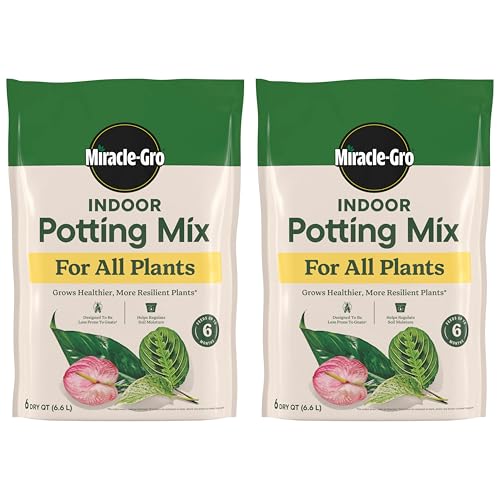
Miracle-Gro Indoor Potting Mix for All Plants, 6 qt., 2-Pack

FoxFarm Ocean Forest Potting Soil for Container Gardens, 12 Quart

Earth Science Fast Acting Lime Granules, 5 lb

Earth Science RevitaSoil, 4 lb, Up to 16 Sq. Ft.

Earth Science Fast Acting Gypsum Granules, 5 lb

PlantBest Coco Peat Garden Soil, Concentrated Peat-Free Mix

PlantBest Coco Mulch Compressed Block 9.1 lb (Bulk)

Earth Science Fast Acting Sulfur Granules, 5 lb
Meet The Standout Selections
If you’re prepping a backyard blueberry bed and dread hauling heavy bags from the car, this compressed block earns its place in the shed. The 9.1 lb brick slips under one arm and, once you add water, opens up into roughly 64 quarts of soft coconut coir mulch. That same texture helps blueberry roots stay cool and moist through summer, which is exactly the shallow, fibrous root system these shrubs depend on.
Beyond convenience, coconut coir naturally leans slightly acidic, giving soil a gentle nudge toward the 4.5 to 5.5 range blueberries prefer. Use it as a 2 to 3 inch top-dressing over an in-ground bed, or blend it into a custom mix for raised planters alongside peat and perlite.
Practical Advantages
- One block replaces multiple bulky mulch bags, freeing up garage space
- Coir resists compaction, so water reaches roots instead of pooling on the surface
- Organic composition feeds soil life slowly without sudden nutrient swings
- Light texture discourages weeds while letting rain soak through cleanly
Things To Consider
- You’ll need a large bucket or wheelbarrow for the expansion, since coir swells several times over
- On its own, coir lacks nutrients, so plan to layer it over enriched soil rather than use it as a standalone medium
Who It Suits Best
Garden owners establishing a new in-ground blueberry bed who want a clean, lightweight acidic mulch without wrestling 40 lb bags.
Where Another Pick Suits Better
Container gardeners filling patio pots should reach for Miracle-Gro Indoor Potting Mix, which arrives ready-to-plant with nutrients already mixed in.
For a large blueberry planting in half-whiskey barrels or big ceramic pots, the two-pack of 16 qt bags covers real ground without running short. Miracle-Gro designed this blend for outdoor containers, and the texture stays loose enough for the air exchange blueberry roots need. The built-in feeding program runs up to six months, which lines up nicely with a single growing season for a young bush.
One honest note: this mix is balanced for general ornamentals rather than acid lovers, so count on adding sulfur or amending with peat to drop the pH. Used as a base and tweaked with the right acidifiers, it carries a row of containerized blueberries through summer reliably.
Useful Touches
- Two-bag format suits a multi-pot patio setup without forcing a second trip
- Six-month feed cuts down on midseason fertilizer juggling
- Consistent texture makes pot-to-pot transplants uniform, which simplifies watering
Trade Offs
- Not acid enough on its own, so you’ll still need sulfur or peat for true blueberry performance
- Tends to dry out faster in terracotta than in plastic, which matters in hot July stretches
Feature Snapshot
Made For
Backyard growers with three or more large patio containers who want a dependable base mix and don’t mind adding an acidifier on top.
Look Elsewhere When
You want a ready-to-plant acidic blend without extra amendments, in which case FoxFarm Ocean Forest Potting Soil is the better fit.
Compact blueberry varieties, especially dwarf northern types, do surprisingly well in smaller pots on a sunny patio or even a bright enclosed porch. This indoor-leaning blend combines sphagnum peat moss, perlite, and coir into a light, moisture-buffering mix. That balance matters because small pots dry out fast, and blueberries sulk when their roots swing from wet to bone-dry.
The peat base is naturally acidic, which gives you a head start toward blueberry-friendly pH compared to a general outdoor mix. For indoor or sheltered settings where rain isn’t washing nutrients through the pot, this blend holds structure without compacting.
Key Advantages
- Sphagnum peat component pushes pH toward the acidic side blueberries prefer
- Perlite keeps drainage sharp in smaller pots where compaction is a common issue
- Two-pack volume matches the size of several mid-size patio planters
Worth Noting
- Still not acidic enough alone for peak blueberry performance in zones with alkaline tap water
- You’ll want to refresh the top inch of mix annually, since peat breaks down and settles over time
Right Fit For
Apartment dwellers and patio gardeners growing one or two dwarf blueberry shrubs in 10 to 14 inch pots.
Skip It When
You’re planting a full backyard hedge and want a higher-volume bag, where Miracle-Gro Potting Mix 16 qt covers more ground per dollar.
FoxFarm’s Ocean Forest blend has built a quiet reputation among container gardeners for good reason. It combines aged forest products, sphagnum peat moss, sandy loam, and amendments like fish meal, crab meal, and earthworm castings into a dark, loose, ready-to-plant mix. For blueberries in large decorative pots, that blend gives roots both organic richness and the gritty drainage they crave.
The earthy smell is a giveaway that biology is alive in the bag, and blueberries respond to biologically active soil with stronger early growth. If you’re potting up a high-value patio specimen, this is the kind of foundation that pays back over several seasons.
What Makes Sense
- Fish and crab meal deliver slow-release nitrogen that young blueberry canes appreciate
- Light, aerated texture reduces the risk of root rot in deep patio containers
- Earthworm castings add trace minerals beyond what a basic NPK mix offers
Honest Caveats
- Higher cost per quart than basic blends, so it pays off most for one or two showcase pots
- The included fertility is front-loaded, meaning a second-season feeding plan is essential
Best Suited To
Experienced gardeners who want a premium, ready-to-use mix for a single high-yield blueberry in a statement container.
Consider Something Else When
You’re filling a row of raised beds on a budget, where PlantBest Coco Peat blocks deliver more volume at a lower cost.
Lime seems like an odd entry in a blueberry roundup, yet it earns a spot for one specific scenario. If your native soil has swung too far below the 4.0 mark from years of pine-needle mulching or sulfur applications, plants can’t access certain nutrients even in acidic ground. A light lime application pulls pH back into the 4.5 to 5.5 sweet spot without the slow waiting game traditional lime dust plays.
The granular form spreads evenly with a basic lawn spreader or by hand over a small bed, and the included calcium supports cell wall strength in new canes. Treat it as a corrective tool rather than a routine amendment, used only when a soil test shows pH has dropped too low.
Bright Spots
- Granular format spreads without the dust cloud of traditional lime powder
- Fast-acting formulation shows measurable pH change within weeks, not months
- Adds calcium, supporting strong cane development during the establishment year
A Few Limitations
- Using too much swings pH alkaline, locking out iron and manganese that blueberries need
- Always retest soil six to eight weeks after application, since a single over-application is hard to undo
Feature Card
Perfect Match For
Experienced growers who test soil regularly and need to nudge pH back upward after over-acidifying a bed.
Not Your Match When
You’re starting fresh in alkaline soil and need to drop pH, in which case Earth Science Fast Acting Sulfur Granules do the opposite job.
If your established blueberry bed has started producing smaller leaves or shorter new canes, the issue often lies below the mulch layer. RevitaSoil works as a soil revitalizer built around earthworm castings and natural nutrients, designed to re-energize beds that have lost their biological punch. One 4 lb bag treats up to 16 square feet, which lines up with a typical backyard planting.
This isn’t a stand-alone growing medium. Think of it as a seasonal top-up worked into the top few inches of existing soil, where root activity is highest. Applied in early spring, it feeds the soil life that, in turn, feeds the bushes.
Where It Helps
- Earthworm castings improve nutrient cycling without forcing a sudden growth spike
- Coverage rate matches the dimensions of a typical small backyard berry patch
- Works on both indoor and outdoor plantings, giving flexibility for overwintered potted bushes
Points To Keep In Mind
- Not a complete replacement for fresh potting mix in containers that have gone hard and root-bound
- Effects build over a season or two, so don’t expect dramatic changes within the first month
Who Should Grab It
Home gardeners with established in-ground blueberry shrubs showing slow growth and ready to invest in long-term soil health.
Reach For A Different Pick When
You’re starting a new container planting and need a complete medium, where FoxFarm Ocean Forest Potting Soil gives you a finished mix from the bag.
Heavy clay and blueberries don’t get along. Water sits around the crown, roots suffocate, and iron chlorosis sets in even when pH looks right on paper. Gypsum works on that exact problem by loosening dense clay particles and improving water penetration without altering pH. For a blueberry bed carved out of a clay-heavy yard, this is the conditioner that makes everything else work.
The Nutri-Bond technology claims to reduce nutrient runoff, meaning calcium and other amendments stay in the root zone where they’re actually useful. Apply it once at planting and again at the start of the second season if drainage still feels sluggish.
Useful Highlights
- Improves drainage in tight clay without raising pH, which suits blueberry’s acid preference
- Adds calcium for cell wall strength without the alkalinity that traditional lime carries
- Helps repair salt-compacted soil along driveways or salted roadside edges
Practical Considerations
- Works slowly in dense clay, so plan on reapplying or pairing with raised-bed construction for stubborn sites
- Always water the area thoroughly after spreading, since gypsum needs moisture to move into the soil profile
Feature Card
Built With In Mind
Suburban gardeners converting a clay-heavy side yard into a blueberry bed who need drainage help before any other amendment makes sense.
A Better Fit Elsewhere
If your soil is already loose and loamy, skip gypsum and put the budget toward PlantBest Coco Mulch for ongoing top-dressing.
The 11 lb compressed block expands to roughly 79 quarts of fluffy coir, enough to mix a serious batch of custom blueberry soil. Because the coir is triple-washed and screened for low salt content, it’s a safer foundation than cheaper coir blocks that occasionally carry residual sodium from processing. For gardeners who want full control over their blend, this is the starting point.
Mix it with perlite for drainage and a slow-release acidifying fertilizer, and you’ve got a blueberry container medium that rivals anything pre-bagged. The peat-free angle also matters for growers who prefer to skip peat moss for sustainability reasons, and the compressed format keeps storage simple.
Why It Works Well
- Triple-washed processing reduces the salt load that sensitive blueberry roots dislike
- One block fills multiple large containers or a full raised-bed frame
- Lightweight format is easier to carry upstairs to rooftop or balcony gardens
Less Ideal Details
- Requires additional amendments to become a complete medium, so budget time for mixing
- Holds a lot of water once saturated, which means dialing back irrigation in cool spring weather
Whose Shelf It Belongs On
Hands-on gardeners who like blending their own soil and want a consistent, low-salt coir base for multiple blueberry containers.
Swap It Out When
You’d rather skip the mixing step entirely, in which case FoxFarm Ocean Forest Potting Soil arrives ready to plant straight from the bag.
The bulk-format sibling of the first pick, this 9.1 lb block delivers the same 64 quarts of expanded coir but skews toward larger multi-bed projects. If you’re mulching a hedgerow of highbush blueberries or refreshing the top-dressing on a sizable raised bed each spring, this format covers more square footage without breaking your back loading bags.
Compared with bagged hardwood mulch, coconut coir stays put through heavy rain rather than floating into the lawn. It also breaks down slowly, so a single spring application typically lasts the whole growing season without needing a mid-summer refresh.
What Pays Off
- One block covers up to 17.5 square feet at a 2 inch depth, ideal for a small hedge row
- Coir resists floating during storms, keeping walkways and lawn edges cleaner
- Long decomposition rate means fewer seasonal touch-ups than bark mulch
Worth Bearing In Mind
- You still need a soaking tub or wheelbarrow for hydration, since the block expands several times its dry size
- Higher up-front cost than bargain mulch bags, though the longevity often balances the difference
Best Suited To
Homeowners with three or more mature blueberry bushes who want a single delivery to handle the whole bed.
Another Choice May Suit
Single-bush container growers should grab the smaller PlantBest Coco Mulch block from pick one rather than over-ordering.
For most backyard sites with neutral or slightly alkaline soil, elemental sulfur is the long-game answer that pulls pH into blueberry-friendly territory. The fast-acting granular form begins working as soil bacteria convert it into sulfuric acid, gradually dropping the reading over several weeks. One spring application typically sets the stage for a strong planting season.
Pair it with peat or coir at planting time, and you’ll have an acidic foundation from the top layer down. For established beds where pH has crept upward over the years, a yearly light application keeps iron and manganese available, which is what produces that deep green leaf color instead of yellowing between the veins.
Real Benefits
- Granular form spreads evenly without the airborne dust of powdered sulfur
- Lowers pH steadily, giving blueberry roots access to locked-in iron and manganese
- One 5 lb bag handles a small in-ground bed or several raised boxes
Some Limits To Know
- Results depend on soil bacteria activity, so cold or dormant beds respond more slowly than warm, biologically active ones
- Always retest pH six to eight weeks after spreading, since over-application lingers for seasons
Feature Card
Who Will Love This
First-time blueberry planters dealing with neutral or alkaline native soil who need to drop pH before the bushes go in.
Where A Sibling Pick Shines
For acidic mulching rather than pH correction, PlantBest Coco Mulch adds organic matter on top of whatever soil chemistry you’re working with.
Choosing The Right Foundation For Blueberry Success
Blueberries demand an acidic, well-drained, organic-rich root zone that most native garden soil simply can’t offer on its own. Start by testing your soil pH before planting, since blueberries thrive in the 4.5 to 5.5 range, well below the neutral 6.5 to 7.0 most vegetables prefer. A basic home soil test kit tells you whether you’re starting from acidic ground or need to amend aggressively with sulfur.
Texture matters just as much as chemistry. Blueberry roots are fine and fibrous, so they struggle in compacted clay or fast-draining sand. Coconut coir, peat moss, and aged pine bark all loosen the root zone while holding the moisture blueberries need without waterlogging. In heavy native soil, raised beds filled with a custom blend outperform in-ground plantings for most home gardeners.
Container growing sidesteps native soil entirely, which is appealing in regions with alkaline clay or rocky subsoil. Choose pots at least 16 inches deep with generous drainage holes, and refresh the medium every two to three years since organic components break down and settle. For in-ground plantings, top-dress annually with acidic mulch and re-test pH each spring to catch drift before it locks out nutrients.
Key Considerations Across These Picks
Pitfalls Shoppers Hit
The most common mistake is assuming any bagged potting mix works for blueberries. General-purpose blends are blended for neutral pH, and blueberries planted in them often survive a season or two before showing yellow leaves and stunted growth. Always check that a mix either runs acidic on its own or pairs with an acidifier you plan to apply.
Another trap is over-correcting pH in either direction. Adding sulfur to already-acidic soil, or lime to ground that’s already in the 5.0 range, can swing the reading into a zone where blueberries can’t access iron. A $15 soil test prevents years of frustration, and the sulfur and lime options on this list work best as measured responses rather than routine additions.
What The Higher Tier Buys
Premium blends like FoxFarm Ocean Forest earn their higher price through biologically active ingredients like earthworm castings, fish meal, and crab meal, which feed soil life over months rather than dumping a quick nitrogen charge. For a single patio specimen, that biological richness translates into stronger first-year establishment and better fruit set in year two.
Compressed coconut products cost more per block than bargain mulch bags, but the trade shows up in handling and longevity. One 9 lb block replaces several heavy bags, stores on a garage shelf, and breaks down slowly enough to last a full growing season. For anyone with a bad back or limited storage, the upgrade pays back in convenience alone.
Frequently Asked Questions
What pH Do Blueberries Need In The Soil?
Blueberries grow best in soil with a pH between 4.5 and 5.5, which is more acidic than what most garden plants tolerate. Soil testing before planting lets you know whether you’re starting in range or need to amend with elemental sulfur over several weeks.
Can Regular Potting Mix Be Used For Blueberries?
General potting mix works as a base, but it’s not acidic enough on its own for blueberries to access iron properly. Blending it with peat moss or coconut coir, or top-dressing with sulfur, brings the pH into the right range.
How Often Should Blueberry Soil Be Replaced Or Refreshed?
In containers, refresh the top few inches of mix each spring and consider a full replacement every two to three years. In-ground beds benefit from an annual acidic mulch top-dressing and a periodic pH check to catch any drift.
Do Blueberries Need Special Fertilizer Along With Acidic Soil?
Yes, blueberries respond to acid-loving plant fertilizers that include ammonium sulfate rather than nitrate forms. Apply in early spring as new growth begins, and avoid over-fertilizing since the fine root system burns easily.
Is Coconut Coir A Good Substitute For Peat Moss In Blueberry Soil?
Coconut coir works well as a peat alternative, holding moisture and adding organic matter while staying slightly acidic. Triple-washed coir is preferred to avoid salt buildup that sensitive blueberry roots dislike.
Wrap Up
The right soil foundation turns blueberries from a struggling novelty into a backyard staple, and the best approach combines a structural medium, an acidic mulch, and pH adjustments matched to your native soil. Test first, amend with intention, and top-dress yearly so the conditions stay in range as the seasons stack up. With the right combination from this list, a small bed or a single patio pot can produce armfuls of berries for years to come.
