

A fresh cutting sits in its starter pot, leafless stem and all, waiting for a reason to push roots. The medium you tuck it into decides whether that wait ends in a thriving plant or a soggy disappointment. Whether you’re trialing herbs on the windowsill or scaling up a backyard nursery, the right blend of aeration, drainage, and nutrition shapes every propagation outcome. This roundup gathers nine picks worth your attention, from nutrient-rich bagged soils to airy amendments and microbial boosters that give tender stems a running start.
The Shortlist At A Glance
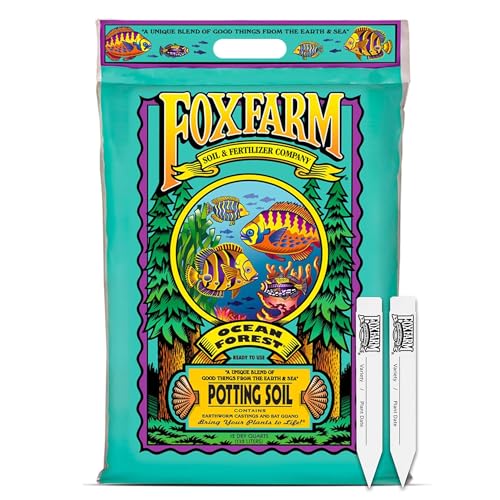
FoxFarm Ocean Forest Potting Soil with 2 Plant Tags, 12 Quarts
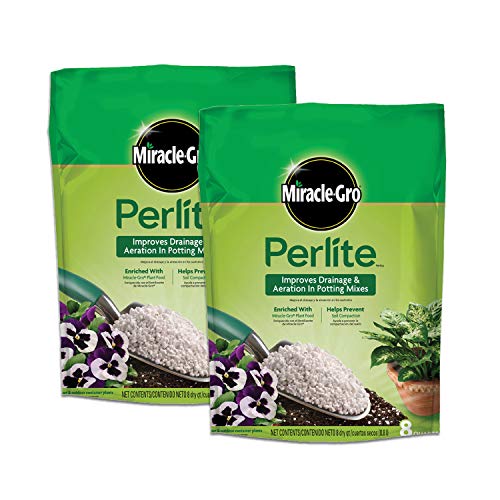
Miracle-Gro Perlite, 8 qt. (2-Pack)

Myco Bliss Powder (200 g) Mycorrhizal Fungi Inoculant
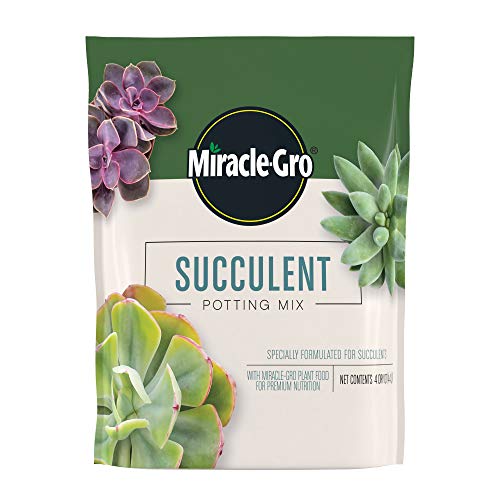
Miracle-Gro Succulent Potting Mix, 4 qt.

Miracle-Gro Moisture Control Potting Mix, 8 qt. (2-Pack)

FoxFarm Ocean Forest Potting Soil for Container Gardens 12 Quart

Miracle-Gro Indoor Potting Mix 6 qt., 3-Pack

Miracle-Gro Indoor Potting Mix 6 qt.

Myco Bliss Powder (1lb) Mycorrhizal Fungi Inoculant
More Details On Our Top Picks
FoxFarm’s Ocean Forest has earned a quiet following among propagators who want one bag to cover most jobs, and this 12-quart version includes two bonus plant tags to keep varieties straight during the rooting phase. The blend leans on aged forest products, sphagnum peat moss, and earthy amendments like fish meal, crab meal, and earthworm castings, which together feed young cuttings without shocking tender root tissue. The texture stays light and airy right out of the bag, so stems slide in easily and air pockets remain around the callus where new roots form. For beginners starting a tray of mixed herbs or experienced growers trialing woody ornamentals, this soil cuts the guesswork of measuring and mixing your own amendments.
The convenient size works well for small projects, think a windowsill of coleus cuttings or a single flat of tomato starts, and the included tags let you mark planting dates without grabbing a marker. Compared to the bagged mixes later in this list, Ocean Forest brings more organic nutrition to the table, so cuttings often need less supplemental feeding in the first month. You may find the rich blend a touch dense for desert-loving succulents, where the Miracle-Gro Succulent Mix handles things better. For most general propagation, however, this bag clears the bar.
What Earns Its Place
- Ready-to-use out of the bag with no mixing required, saving setup time
- Fish meal, crab meal, and earthworm castings feed cuttings gently during the rooting window
- Light, aerated texture encourages root penetration without compacting around stems
- Two included plant tags help track varieties and planting dates from day one
- Works for both indoor houseplants and outdoor container projects
Points To Keep In Mind
- The organic nutrient content can be too rich for drought-tolerant cuttings like cacti and succulents
- Twelve quarts fills roughly a few mid-size pots, so larger propagation runs may need multiple bags
Key Product Details
Whose Shelf It Belongs On
Beginners and intermediate propagators working on small to mid-size container projects who want a ready-to-use soil that feeds cuttings through the early rooting stage.
Reach For A Different Pick When
Miracle-Gro Succulent Potting Mix suits you better when most of your cuttings are succulents, cacti, or other drought-tolerant species that need sharper drainage.
Perlite isn’t a soil in the traditional sense; it’s a heat-expanded volcanic mineral that cutters of every experience level reach for when their mix feels too heavy. The Miracle-Gro 8-quart two-pack delivers sixteen quarts of coarse, bright-white particles that lift a dense blend into something airier and far less prone to compaction. For propagation specifically, perlite creates the kind of oxygen-rich environment that new root hairs crave, and it drains fast enough to keep stems sitting in moisture from rotting. Mix it half-and-half with peat or coco coir for a classic cutting blend, or stir a third into your favorite bagged potting soil to loosen things up.
The two-pack format is handy for anyone running multiple propagation trays at once, since perlite goes fast when you’re filling small cell trays. Unlike the ready-to-use FoxFarm blend reviewed above, this product assumes you already have a base soil or are willing to mix your own, so it’s a supplemental buy rather than a complete solution. You may find the dust annoying during pouring, so dampening the perlite lightly before mixing keeps airborne particles down. For growers who like dialing in their own ratios, perlite is the workhorse amendment that almost every other product in this list plays nicely with.
Advantages To Know
- Dramatically improves aeration and drainage when blended into any base soil
- Helps prevent soil compaction around delicate cutting sites
- Two-pack offers sixteen quarts for multi-tray propagation setups
- Lightweight and sterile, so it introduces no pests or pathogens
Some Limits To Know
- Not a standalone growing medium, so it must be mixed with soil, peat, or coir
- Pouring creates fine dust, so wearing a simple mask or pre-dampening helps during use
- Has no nutrient content, meaning cuttings need a separate feeding plan once rooted
Right Fit For
DIY propagators who prefer to mix their own cutting medium and want a reliable, budget-friendly aeration amendment on hand.
Consider Something Else When
FoxFarm Ocean Forest Potting Soil is the better match for beginners who’d rather skip the measuring step and grab a ready-to-use blend straight from the bag.
Mycorrhizae are beneficial fungi that form symbiotic relationships with plant roots, and Myco Bliss packs five strains into a concentrated 200-gram jar at roughly 1,000 propagules per gram. For propagators, that matters because cuttings develop brand-new root systems from scratch, and giving those roots a microbial partner early on can speed establishment and improve nutrient uptake down the line. The powder format makes it easy to dust onto cutting wounds before sticking, sprinkle into potting holes, or blend into your propagation mix. Think of it as a probiotic for your starter pots rather than a fertilizer, working alongside whatever soil you choose.
The 200-gram size covers a substantial propagation workload without committing to a bulk container, which is handy if you’re trialing inoculants for the first time. Compared to the larger one-pound Myco Bliss jar reviewed later, this version suits casual users and indoor growers with smaller plant collections. The catch is that mycorrhizae don’t colonize every plant family equally, so brassicas and some other species show limited response, but most flowering, fruiting, and foliage cuttings benefit noticeably. For anyone serious about root development, this jar earns a spot in the propagation toolkit.
Useful Highlights
- Five-strain formula targets a broader range of plant species than single-strain inoculants
- Highly concentrated at 1,000 propagules per gram, so a little goes a long way
- Versatile application: dust on cuttings, blend into soil, or sprinkle near roots
- 200-gram size suits indoor hobbyists and small-batch propagators
Trade Offs To Consider
- Effectiveness varies by plant family, with brassicas showing limited colonization response
- Powder requires direct contact with roots to colonize, so surface applications alone underdeliver
- Not a substitute for soil or fertilizer, only a supplement layered into your existing routine
Best Suited To
Curious growers and indoor propagators who want to boost root development with a science-backed microbial supplement at a manageable jar size.
Skip It When
Myco Bliss Powder (1lb) fits you better if you’re propagating across a larger garden or running dozens of trays and want fewer reorders.
Succulent and cactus cuttings fail for one reason above all others: too much moisture held too long around the stem. Miracle-Gro’s Succulent Potting Mix solves that problem with a fast-draining blend of sphagnum peat moss and perlite that lets water run through quickly while still giving roots something to grip. One 4-quart bag fills a single 8-inch container, which makes sizing straightforward for small propagation batches of aloe, echeveria, jade, and burro’s tail. The texture feels gritty and loose, almost sandy in places, which is exactly what desert-adapted cuttings want during their rooting phase.
This mix makes sense when your propagation tray leans heavily toward drought-tolerant species, since richer blends like FoxFarm Ocean Forest stay wet longer than succulents tolerate. Compared to the perlite amendment reviewed earlier, this product delivers a complete ready-to-use medium rather than an additive you have to measure and mix. You may find the 4-quart bag too small for serious production runs, so larger operations might prefer buying multiple bags or mixing their own with bulk perlite. For a windowsill full of jade cuttings or a small echeveria project, however, the size is just right.
What Helps Most
- Formulated specifically for drought-tolerant species that need sharp drainage
- Reduces the risk of stem rot during the vulnerable early rooting phase
- Ready-to-use convenience skips the perlite-and-peat measuring step
- Compatible with popular cuttings like aloe vera, cacti, echeveria, and burro’s tail
Where It Is Less Suited
- Only 4 quarts per bag, so larger succulent propagation runs require buying multiples
- Drains too quickly for thirsty tropicals or foliage cuttings that prefer steady moisture
Who Should Grab It
Propagators working with succulents, cacti, and other drought-loving cuttings who need a specialized mix that protects against stem rot.
Swap It Out When
Miracle-Gro Moisture Control Potting Mix suits you better if most of your cuttings are tropical houseplants that prefer steady, even moisture.
Some propagators water religiously on schedule, while others forget for a day or two and pay the price. Miracle-Gro Moisture Control Potting Mix targets the second group with an AquaCoir formula built around sphagnum peat moss, coir, and a wetting agent that absorbs and releases water more evenly than basic potting soils. The two-pack gives you sixteen quarts, which is enough to fill multiple propagation trays or a row of mid-size starter containers. The blend feeds plants for months, meaning cuttings that take a few extra weeks to root don’t run out of nutrition before they get established.
The wetting agent component helps soil rehydrate after drying out, a common frustration with peat-heavy mixes that start to repel water when they get bone-dry. Compared to the FoxFarm Ocean Forest reviewed earlier, this product trades some organic richness for more forgiving water management, so cuttings under inconsistent care stand a better chance. You may find the moisture retention a touch heavy for succulents, where the Succulent Mix handled earlier fits the bill. For tropicals, herbs, and general houseplant propagation, however, this blend gives beginners a real margin of error.
Practical Advantages
- AquaCoir formula absorbs significantly more water than basic potting soils
- Feeds plants for months, supporting slow-rooting cuttings through establishment
- Two-pack format provides sixteen quarts for multi-tray projects
- Wetting agent helps soil rehydrate after drying out, easing rewetting stress
Details To Watch
- Holds more moisture than drought-tolerant cuttings prefer, so avoid it for succulents and cacti
- Two-pack bags are bulky and require some storage space before opening
Feature Snapshot
Who It Suits Best
Busy propagators and beginners with inconsistent watering routines who want a forgiving mix that protects cuttings from drying out.
Look Elsewhere When
Miracle-Gro Succulent Potting Mix is the better match when your propagation tray is mostly succulents or cacti that demand fast drainage.
This is the same FoxFarm Ocean Forest blend covered earlier in the roundup, sold here in a 12-quart bag without the bonus plant tags. For propagators who already own labels and markers, the simpler packaging trims a few cents while delivering the same aged forest products, sphagnum peat moss, and earthy amendments like fish meal and earthworm castings that made the first FoxFarm pick a fan favorite. That consistency means you can switch between the two depending on which bag is available without recalibrating your watering or feeding schedule.
The 12-quart size handles several mid-size containers or a generous propagation tray, making it a sensible volume for backyard nurseries and serious indoor setups alike. Compared to the perlite amendment reviewed second, this is a complete ready-to-use soil, so no mixing is required before sticking cuttings. You may find the rich organic blend too moisture-retentive for cacti and succulents, where the dedicated Succulent Mix reviewed fourth fits better. For most other propagation projects, though, this bag carries the same reliable quality as its tagged sibling.
Features That Help
- Identical blend to the tagged version, just without the bundled plant tags
- Aged forest products and sandy loam support aeration and drainage simultaneously
- Organic amendments like fish meal and earthworm castings feed cuttings gently
- Twelve quarts covers multi-pot projects without running short mid-batch
Honest Caveats
- No plant tags included, unlike the sister product reviewed first
- Organic richness can hold more moisture than drought-tolerant cuttings prefer
Made For
Propagators who already have labels on hand and want the proven Ocean Forest blend in a slightly stripped-down, value-oriented package.
Where A Sibling Pick Shines
The tagged FoxFarm Ocean Forest version is a better match when you’d use the included plant tags and want everything in one purchase.
For indoor propagators running multiple trays at once, the three-pack format of Miracle-Gro Indoor Potting Mix delivers eighteen quarts of houseplant-blended soil in one shipment. The formula feeds indoor plants for months and is blended for a wide variety of container plants, including climbing, foliage, flowering, and tropical species. The mix is designed to be less prone to fungus gnats because it contains no compost or bark, both of which are common shelters for those annoying little flyers. Coconut coir holds and releases water while helping soil re-wet, which matters indoors where air tends to stay drier than greenhouses expect.
The three-bundle format makes sense for anyone managing a dedicated propagation corner or a year-round indoor garden rather than occasional experiments. Compared to the single 6-quart bag reviewed next, this option delivers the same formula at a better per-quart value, assuming you’ll use the volume before the bags lose freshness. You may find the indoor blend slightly less nutrient-dense than outdoor formulations, since indoor plants typically need less feeding intensity. For pothos, philodendrons, monsteras, and most common houseplant cuttings, however, this three-pack clears the bar cleanly.
Real Benefits
- Three-bundle format delivers eighteen quarts for ongoing indoor propagation projects
- Coir-rich formula helps soil re-wet evenly after drying out indoors
- Designed without compost or bark to reduce fungus gnat pressure
- Blended for a wide range of houseplant types from foliage to flowering
Some Limits To Know
- Three-pack bags require storage space before opening
- Indoor nutrient levels are lighter than outdoor mixes, so heavy feeders may want supplemental feeding
Best Suited To
Committed indoor propagators with active houseplant collections who want a reliable, gnat-resistant mix in a bulk-friendly format.
Consider Something Else When
The single 6-quart Miracle-Gro Indoor Potting Mix is a better match for casual propagators who only need one bag for occasional cuttings.
This single 6-quart bag carries the same formula as the three-pack reviewed just above, which makes it the entry point for anyone wanting to test Miracle-Gro’s indoor blend without committing to bulk. The mix feeds houseplants for months, holds moisture through coconut coir, and skips the compost and bark that tend to shelter fungus gnats. For propagation specifically, that gnat resistance matters because newly rooted cuttings are vulnerable to pest pressure, and starting in a less inviting medium buys you time before any infestations find a foothold.
The 6-quart size fills a couple of mid-size starter pots or one propagation tray comfortably, suiting casual propagators who root a few cuttings at a time. Compared to the rich FoxFarm Ocean Forest blends reviewed earlier, this indoor mix trades some organic complexity for a lighter, less nutrient-dense profile that matches houseplant conditions. You may find the formula too mild for heavy feeders or outdoor use, where FoxFarm or moisture-control blends perform better. For pothos, philodendrons, and tropical foliage cuttings under indoor conditions, though, this bag is a sensible starter.
Real-World Strengths
- Single-bag size suits casual propagators testing the indoor formula
- Coir component improves water retention and rewetting behavior
- Designed without compost or bark, reducing fungus gnat shelter
- Works for climbing, foliage, flowering, and tropical houseplant cuttings
Practical Considerations
- Six-quart bag runs out quickly for active multi-tray propagators
- Lighter feeding profile means heavy feeders may need supplemental nutrients sooner
Perfect Match For
Casual indoor propagators rooting the occasional pothos or philodendron cutting who want a small, manageable bag without bulk commitments.
Where A Sibling Pick Shines
The three-pack version of Miracle-Gro Indoor Potting Mix fits you better when you run multiple trays and want a better per-quart value.
The one-pound Myco Bliss jar covers roughly twice the volume of the 200-gram container reviewed third, which makes it the practical choice for serious propagators and small-scale nursery operators. The same five-strain formulation runs through both sizes at 1,000 propagules per gram, so you’re trading jar size rather than concentration. For outdoor garden beds, large tray setups, or anyone mixing inoculant into bulk soil ahead of a busy propagation season, this format reduces reorder frequency and lowers the per-gram cost over the long run.
Application stays flexible: dust the powder directly onto cutting wounds, blend it into potting soil at filling time, or sprinkle it into transplant holes when moving rooted cuttings to their next container. Compared to the smaller 200-gram jar, this version assumes you actually use enough inoculant to justify the volume before the product loses potency over time. You may find a full pound overkill for windowsill propagators rooting a handful of cuttings at a time, where the 200-gram option handled earlier makes more sense. For garden-scale or multi-tray operations, however, this jar earns its shelf space.
Positive Takeaways
- Larger one-pound jar suits garden-scale and high-volume propagation runs
- Same five-strain blend and 1,000 propagules per gram concentration as the smaller jar
- Reduces reorder frequency for active propagators and small nurseries
- Works across indoor cuttings, outdoor beds, and potting soil applications
Trade-Offs To Consider
- Full pound is more product than casual windowsill propagators will use before freshness wanes
- Powder still requires direct root contact to colonize effectively, so application method matters
Who Will Love This
Active propagators, small nursery operators, and garden-scale growers who need a substantial inoculant supply at a better per-gram cost.
A Better Fit Elsewhere
Myco Bliss Powder (200 g) suits you better when you’re propagating casually indoors and want a smaller, more manageable jar size.
What Matters When Picking A Cutting Medium
Matching The Mix To The Plant
The first call is whether your cuttings want moisture held or pushed away. Tropical foliage, herbs, and most flowering stems prefer a steady, even dampness, so blends with coir or peat at the core tend to perform well. Succulents, cacti, and other drought-adapted cuttings want the opposite, so fast-draining mixes built around perlite and grit save them from rot. Before choosing, identify whether your target species stores water in its leaves or relies on constant soil moisture, then match the medium’s drainage profile to that habit.
Drainage And Aeration Working Together
Aeration and drainage sound like the same thing, but they’re complementary rather than identical. Drainage is how quickly water leaves the pot, while aeration is how much oxygen remains in the soil after that water moves through. Cuttings need both: water to keep tissues hydrated, and oxygen to fuel the metabolic work of pushing new roots. Amendments like perlite boost both properties at once, which is why they appear in so many propagation blends.
Nutrition During The Rooting Window
Fresh cuttings don’t need much feeding at the start, since they have no roots to absorb nutrients with, but they do benefit from mild, organic nutrition as new roots establish. Rich blends like those containing earthworm castings or fish meal provide slow-release feeding without the burn risk that synthetic fertilizers pose to tender tissue. Heavier feeders may want a dedicated feeding schedule once roots are visible, while light feeders can stay in a gentle propagation mix for weeks.
Key Considerations Across These Picks
Common Slip Ups When Buying
The most frequent mistake is grabbing an all-purpose mix for drought-tolerant cuttings, then watching stems turn mushy within a week. Succulents and cacti genuinely need fast-draining blends, and substituting a peat-heavy general mix almost guarantees rot. The opposite error happens when drought-loving cuttings get an overly rich, moisture-retentive medium, which suffocates roots and invites fungal problems. Match the medium to the species’ natural moisture tolerance, and most propagation failures take care of themselves.
Another slip is ignoring the perlite option entirely. Even when a bagged mix seems fine, blending in extra perlite at a one-to-three ratio with soil can dramatically improve aeration for cuttings that resent compacted media. The amendment is inexpensive, multiplies across many trays, and pays back in healthier root systems.
Where The Extra Money Goes
Higher-tier propagation blends tend to invest in ingredient quality rather than volume, using aged organic matter, real earthworm castings, and carefully screened perlite that won’t break down mid-season. Cheaper mixes often rely on fresh wood byproducts and lower-grade peat that can temporarily tie up nitrogen as they decompose, starving young roots just when they need nutrition most.
Spending up makes sense when you’re propagating valuable or slow-rooting plants where each cutting matters, and the failure cost outweighs the bag savings. For casual herb propagation or quick-rooting annuals, a value-tier blend paired with perlite delivers perfectly acceptable results. The upgrade pays off in scenarios demanding consistency, like nursery production or rare plant propagation, where uniform rooting success justifies a few extra dollars per quart.
Frequently Asked Questions
What Soil Works Best For Rooting Cuttings?
A light, well-draining mix with perlite or coarse sand blended into peat or coco coir works best for most cuttings, since it holds enough moisture for hydration while letting oxygen reach developing roots.
Can I Use Regular Potting Soil For Cuttings?
Regular potting soil works for some cuttings, but it often holds more moisture and compacts more than ideal, so blending in perlite at roughly a one-to-three ratio improves rooting success for most species.
Is Perlite Necessary For Propagation?
Perlite isn’t strictly required, but it dramatically improves drainage and aeration, which are the two properties cuttings need most during the vulnerable rooting phase.
How Long Does It Take Cuttings To Root In Soil?
Rooting time varies widely by species, but most herbaceous cuttings show roots within two to four weeks, while woody cuttings can take six to twelve weeks or longer under the right conditions.
Should I Fertilize Cuttings Right Away?
Fertilizing right away usually does more harm than good, since fresh cuttings have no roots to absorb nutrients and salts can burn tender tissue, so waiting until roots are visible before light feeding is the safer path.
