

Raised beds turn a stubborn patch of ground into a manageable growing zone, but the soil inside them does the real work. Native dirt compacts fast in a frame, drainage shifts, and nutrients disappear within a single season. A good raised-bed medium holds moisture without turning soggy, feeds roots steadily, and gives carrots, tomatoes, and salad greens the loose texture they need to push downward.
This shortlist focuses on soils, amendments, and mulches that genuinely improve what goes into a frame. Every pick here solves a specific problem, from boosting aeration in dense beds to locking moisture into shallow-rooted crops.
How The Shortlist Stacks Up

MODELLOR Coco Coir Bricks, 4-Pack (5 lb)

Coco Bliss + Perlite Bliss Bundle
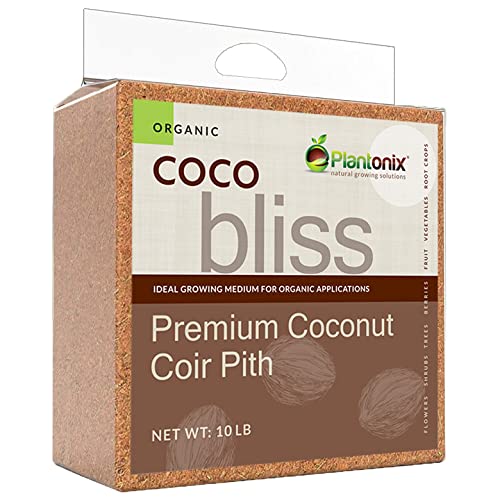
Coco Bliss Coco Coir Brick (10 lb)

Earth Science Earthworm Castings, 3 lb

FoxFarm Ocean Forest Potting Soil, 1.5 cu ft

PlantBest Coco Mulch Compressed Block, 9.1 lb
PVP Industries Horticultural Coarse Vermiculite

PlantBest Coco Peat Garden Soil, 11 lb Block

PlantBest Coco Mulch Block, 9.1 lb (Non-Organic)
Why These Options Stand Out
Four small bricks that hydrate in a bucket and turn into fluffy fiber make this the easiest entry point for a brand-new bed. The triple-washed process keeps soluble salts low, which matters because coco coir that hasn’t been rinsed can scorch tender roots in a confined frame.
Each brick swells to roughly 9 gallons total, enough to amend one 4×4 raised bed or top up a couple of containers. You won’t fill a frame from scratch here, but as a soil conditioner mixed into denser ground, it loosens texture and improves water-holding without becoming waterlogged.
Reasons It Performs
- Compact bricks fit on a shelf, ideal for small storage sheds
- Low salt content protects seedlings and herbs in confined frames
- pH-balanced fiber blends smoothly with compost and native topsoil
- Pre-measured 4-pack takes the guesswork out of small batch hydration
Things To Consider
- Four small bricks take a while to hydrate individually if filling multiple beds at once
- Coco coir on its own carries almost no nutrients, so pairing with compost is essential
- Widely reported to need nitrogen supplementation when used as a primary medium
Key Specs
Who It Suits Best
First-time raised-bed builders filling a single small frame who want a clean, low-fuss medium without wrestling heavy bags.
Where Another Pick Suits Better
Gardeners building a larger bed from scratch will get more volume per dollar from the PlantBest Coco Peat Garden Soil block.
This bundle pairs a 10-pound coco coir block with an 8-quart bag of horticultural perlite, two ingredients that solve opposite problems in a raised bed. The coir holds moisture around roots while the perlite keeps the mix from compacting under repeated watering.
Both components are OMRI-listed, which matters if you keep an organic kitchen garden and want documentation to back it up. For most home beds, a 60/40 coir-to-perlite ratio gives you the airy, fast-draining structure that tomatoes, peppers, and root crops prefer over the heavier native soil you’d otherwise shovel in.
Strong Points
- Two-in-one bundle covers both water retention and drainage in one shipment
- OMRI-listed ingredients support organic gardening goals
- Medium-coarse perlite grade resists breakdown over multiple seasons
- Pre-rinsed coir cuts down on the cloudy runoff that stains nearby paving
Worth Noting
- Two components still require manual mixing in a wheelbarrow or tub
- Perlite dust during pouring is widely reported; wet the perlite before handling
- Heavier than a single compressed brick once both items are hydrated
Right Fit For
Intermediate gardeners setting up a vegetable bed who want to control their own aeration-to-moisture ratio from scratch.
Skip It When
If you prefer a ready-to-pour bag with no mixing, FoxFarm Ocean Forest Potting Soil removes the blending step entirely.
A 10-pound block of screened coco coir that hydrates into a much larger volume of loose fiber than the compact shape suggests. The multi-screen filtering process pulls out stray fibers, sand, and rock fragments that typically clog finer seed-starting trays.
Unlike the bundle above, this pick is just the coir component, which leaves you free to blend it with your own compost, native topsoil, or perlite in whatever ratio your bed needs. OMRI-listing here carries weight for organic-certified plots where input documentation matters at audit time.
Key Advantages
- Cleaner fiber output thanks to multi-pass screening, easier on delicate seed trays
- Single-component design lets you customize the final mix to your bed
- Renewable coconut source appeals to peat-free gardeners
- Long storage life as a dry block takes up minimal shed space
Trade Offs
- Still requires you to supply compost or fertilizer for nutrient value
- 10 lb block needs a sizeable tub for full hydration without overflow
Feature Card
Made For
Repeat gardeners refreshing established beds each spring with a consistent, organic-approved amendment they trust.
Not Your Match When
First-time builders who want everything in one bag should look at FoxFarm Ocean Forest instead, which already includes nutrients.
Worm castings work as a soil amendment rather than a standalone growing medium, and this 3-pound bag from Earth Science focuses the formula on feeding the soil biology rather than filling volume. Castings add a slow-release source of organic matter that keeps raised beds productive over multiple seasons.
The dense, dark texture blends into the top few inches of a bed without clumping, which makes it useful as a mid-season side-dress around heavy feeders like tomatoes and squash. In a raised bed that already has decent structure, this is the layer that keeps yields climbing year after year.
Well-Handled Touches
- Slow nutrient release matches raised-bed watering cycles without leaching
- Improves moisture retention in sandy or fast-draining bed mixes
- Small 3 lb bag is easy to store and reapply throughout the season
- Safe around edibles and herbs without burn risk
Points To Keep In Mind
- Castings alone won’t fill a bed; this is an amendment, not a base medium
- Higher cost per cubic foot than coir or compost-based options
Who Should Grab It
Vegetable gardeners with an established bed who want to refresh tired soil mid-season without a full rebuild.
Consider Something Else When
Builders filling a brand-new frame need bulk first, and the PlantBest Coco Peat block covers that scale more affordably.
FoxFarm’s Ocean Forest arrives ready to use straight from the bag, no hydration or mixing required. The blend combines earthworm castings, fish meal, and crab meal into a rich, dark medium that feeds plants for the first several weeks after transplant.
At 1.5 cubic feet, a single bag suits a small to mid-size raised bed or several large containers. The light, aerated texture holds moisture while still letting roots breathe, which is the balance most native garden soil simply cannot deliver in a raised frame.
What Earns Its Place
- Pre-mixed and ready to pour, no extra amendments needed at setup
- Built-in organic nutrients support transplants through early establishment
- Aerated texture resists compaction in frequently watered beds
- Lightweight bag is easier to handle than dense native topsoil
Honest Caveats
- Nutrients deplete within a few weeks, so supplemental feeding is required mid-season
- Higher cost per cubic foot than DIY coir-and-compost blends
Quick Facts
Best Suited To
Builders filling a new bed in a single afternoon who prefer a pre-blended premium mix over assembling their own components.
Look Elsewhere When
Budget-conscious gardeners refreshing multiple large beds will save more with the PlantBest Coco Peat block plus their own compost.
This compressed coconut block earns its place as a top-layer mulch rather than a base soil. Hydrate it once and it spreads across roughly 17.5 square feet, which is enough to cover a generous 4×8 raised bed with a thick moisture-locking blanket.
Raised beds dry out faster than in-ground plots because their sides are exposed to air on every face. A 2-inch coco mulch layer cuts evaporation noticeably and keeps soil temperature steadier through midsummer heat, which translates into less watering work and happier roots.
Good Reasons To Consider
- Single 9.1 lb block covers up to 17.5 sq ft, generous bed coverage
- Organic coconut source supports sustainable gardening practices
- Reduces watering frequency by slowing surface evaporation
- Helps suppress weed germination in pathways and bed borders
Trade-Offs To Consider
- Top-dressing only; not a substitute for base fill soil
- Coco fibers mat over time and may need refreshing each season
Whose Shelf It Belongs On
Gardeners in hot, dry climates who battle constant watering and want a sustainable alternative to bark mulch.
Another Choice May Suit
If you want one product to fill the bed itself, the FoxFarm Ocean Forest bag handles base and finishing in one pass.
Vermiculite is a heat-expanded mineral that holds water like a sponge while still leaving pore space for air, which is why seed-starting mixes have used it for decades. PVP Industries’ coarse grade suits the larger particle work of raised-bed conditioning, where it loosens compacted layers without breaking down quickly.
Unlike perlite, vermiculite stays put in a frequently watered bed rather than floating to the surface. For gardeners who raise root crops or build their own seed-starting blends for transplant into raised frames, this mineral amendment earns its place as a multi-season input.
Positive Points
- pH-neutral and odorless, won’t shift your bed’s chemistry
- Coarse grade resists breakdown across multiple growing seasons
- Improves moisture distribution in fast-draining raised bed mixes
Room For Improvement
- Not a standalone growing medium; needs to be mixed with compost or coir
- Dust during pouring is widely reported, so wetting before handling helps
Perfect Match For
Gardeners who build their own seed-starting and bed mixes and want a long-lasting mineral conditioner.
Reach For A Different Pick When
If you want a single bag that covers a whole bed with no blending, the FoxFarm Ocean Forest mix is the more convenient route.
The largest compressed coco block on this list expands into roughly 79 quarts of loose fiber, which covers a 4×8 raised bed when blended with compost. Triple-washing and a low salt reading make it a peat-free alternative to traditional peat-based mixes.
For gardeners who want one block per season rather than juggling multiple small bricks, this format consolidates the work. A wheelbarrow and a hose turn the dense 11-pound shape into a wheelbarrow-full of usable medium in under half an hour.
Practical Advantages
- Highest yield-to-weight ratio on the list at roughly 79 quarts expanded
- Peat-free sourcing aligns with sustainable gardening practices
- Single block format reduces packaging and storage clutter
- Triple-washed to keep salt levels low in sensitive root zones
Small Caveats
- Requires a sizeable tub or wheelbarrow for clean hydration
- Still needs compost or fertilizer added for crop nutrition
Technical Highlights
Built With In Mind
Multi-bed gardeners who refill their raised frames each spring and want one brick per bed rather than a pile of small ones.
Swap It Out When
Small-space gardeners with a single 4×4 bed will find the MODELLOR 4-pack bricks easier to handle and store.
This second PlantBest mulch block delivers the same coverage as its organic sibling above but in a non-organic format, which suits gardeners focused purely on coverage and water savings rather than certification. One 9.1 lb brick hydrates to roughly 64 quarts of mulch.
Raised bed pathways and borders benefit most from this product, where a thick 2 to 3 inch layer keeps weeds from creeping in and reduces how often you haul out the hose. The compressed brick format is what makes it worthwhile for a small shed where bulky mulch bags would not fit.
What Makes Sense
- 64-quart expanded yield covers a generous border or pathway area
- Compressed shape stores easily in tight garden sheds
- Helps moderate soil temperature in exposed raised bed sides
A Few Limitations
- Not labeled organic, so it doesn’t suit certified organic plots
- Mulch-only role means it cannot stand in for base fill
Who Will Love This
Practical gardeners who want a budget-friendly mulch for bed borders and don’t need organic certification.
Where A Sibling Pick Shines
Organic-focused gardeners should reach for the PlantBest Coco Mulch Block above, which carries the organic label.
Building The Right Mix For Your Bed
A raised bed is only as productive as the medium inside it, and that medium behaves differently from in-ground soil because it has no native subsoil to draw from. The structure you build at setup determines how often you water, how easily roots penetrate, and how much feeding your crops demand through the season.
Texture and drainage come first. A bed that holds too much water suffocates roots, while one that drains too fast leaves tomatoes thirsty. Coco coir and vermiculite both retain moisture while leaving pore space for air, and perlite pushes drainage even further for crops that hate wet feet like Mediterranean herbs.
Nutrients need a plan, not an accident. Most amendments on this list contribute structure rather than food, which is why pairing them with compost or worm castings matters. Earthworm castings deliver slow-release nutrition, while a bagged potting mix like FoxFarm Ocean Forest starts seedlings with a built-in meal that tapers off after a few weeks.
Volume calculations save returns. A 4×4 bed at 12 inches deep holds roughly 16 cubic feet, which is far more than a single compressed brick provides. For full fills, plan on multiple blocks or several bags, and for top-ups, a single 10-pound brick refreshes a small frame comfortably.
Mulch finishes the work. A 2-inch top layer of coco mulch cuts evaporation and suppresses weeds, which matters more in raised beds than in ground plots because the exposed sides dry out faster. Treat mulch as the closing layer rather than an optional extra.
What To Watch Before You Commit
Traps First Timers Fall Into
First-time builders often fill raised beds with native topsoil straight from the yard, which compacts badly in a frame and drains poorly. Bagged mixes or amended coir blends keep the structure loose from the start.
Another common slip is skipping the compost layer, leaving the bed mostly inert fiber. Coco coir and perlite improve texture but carry almost no nutrients, so without compost or castings, crops stall mid-season.
When Paying More Pays Off
Premium bagged mixes cost more per cubic foot because the manufacturer has already blended compost, aeration, and starter nutrients. For a single small bed where convenience matters, the higher spend saves hours of measuring and mixing.
A budget build still works well, but it requires buying coir, perlite, and compost separately and blending them yourself, which is the better value when you need several beds filled at once.
Frequently Asked Questions
How much soil does a 4×4 raised bed actually need? A 4×4 bed at 12 inches deep holds roughly 16 cubic feet of medium, which means a single 1.5 cu ft bag falls well short. Most gardeners need three to four bags of bagged mix or two large compressed bricks plus several bags of compost to fill one frame properly.
Can I use regular garden soil in a raised bed? Native garden soil tends to compact in a raised frame because the bed lacks the natural subsoil drainage of an in-ground plot. Bagged mixes or coir-based blends stay loose longer, which suits the confined root zone inside a frame.
Do I need to replace raised bed soil every year? Full replacement is usually unnecessary, but adding 2 to 3 inches of compost or worm castings each spring restores the organic matter that crops use up. A mid-season top-up of coco coir or vermiculite helps if the bed has started to compact.
Is coco coir better than peat moss for raised beds? Coco coir renews quickly and holds moisture without the acidity of peat, which suits most vegetable crops. Peat moss is widely available but tends to be more acidic and breaks down faster, so coco coir has become the more common raised-bed choice.
How often should I water a raised bed compared to ground soil? Raised beds dry out faster on every side, so most need watering two to three times per week in summer, sometimes daily during heat waves. A 2-inch mulch layer cuts that frequency noticeably and keeps soil temperature steadier for roots.
Final Verdict
The right soil choice depends on where you are in the building process. Filling a new bed for the first time points toward FoxFarm Ocean Forest for convenience or the PlantBest Coco Peat block for budget-conscious volume. Refreshing an established frame works best with coco coir plus compost, topped with worm castings for a slow nutrient release. Whatever you choose, treat the bed as a layered system rather than a single bag, and your harvests will reflect the care you put in at setup.
