

Rosemary asks very little of a gardener, except when it asks for everything at once. This drought-loving Mediterranean herb wants soil that drains fast, breathes well, and never sits soggy around its roots. Gardeners working with small patios, kitchen windowsills, or balconies often run into trouble with standard potting mixes that hold too much moisture, leading to yellowing needles and root rot.
The ten picks below lean into the gritty, well-aerated conditions rosemary craves. Each one brings a different approach, from compressed coco coir bricks to chunky perlite and pine bark, so you can match the medium to your climate, pot size, and watering style.
A Quick View Of The Lineup

Plantonix Char Bliss Organic Biochar Soil Amendment (8 Qts)

Wonder Soil Compressed Coco Coir 30 Quarts with Worm Castings
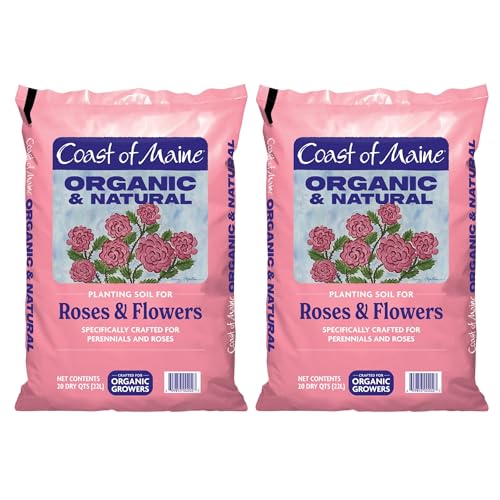
Coast of Maine Roses and Flowers Organic Planting Soil (20qt, Pack of 2)

Biotolot Chunky Perlite 3 Quarts (1/4 inch)
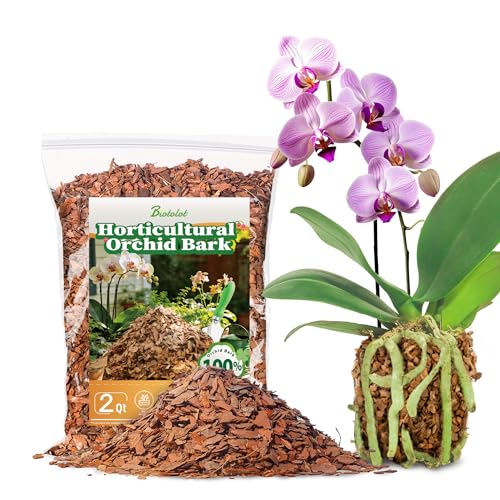
Biotolot Orchid Bark 2qt Horticultural Grade Mulch

Miracle-Gro Indoor Potting Mix for All Plants, 6 qt., 2-Pack

rePotme Bromeliad and Jewel Classic Potting Soil Mix (Mini Bag, 2 Qts)
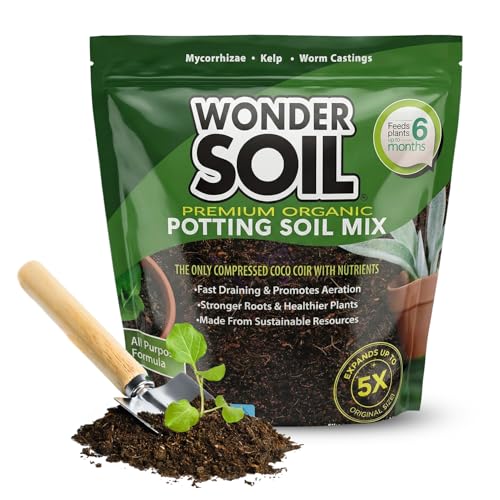
Wonder Soil Organic Coco Coir 12 Quarts with Worm Castings and Perlite

Wonder Soil Compressed Coco Coir Block 72 Quarts with Worm Castings

Biotolot Bonsai Soil 2qt Organic Potting Mix with Volcanic Rock
More On The Choices That Made The List
Biochar functions a little differently from the rest of this list, because it is an amendment rather than a standalone potting medium. Char Bliss arrives as a wood-derived charcoal product (carbon-rich material made by heating organic matter in a low-oxygen environment) that you blend into your existing mix to improve nutrient retention and water-holding capacity without making the substrate heavy.
For rosemary specifically, you only need a small percentage by volume, since too much biochar can swing the mix toward moisture retention rather than drainage. Gardeners working with depleted patio soil or struggling to keep nutrients around fast-draining mixes often find that even a scoop or two makes a visible difference over a season.
Where It Excels
- Boosts cation exchange (the soil’s ability to hold positively charged nutrient ions and release them to roots) so rosemary gets steadier access to minerals between waterings.
- Adds long-term porosity without decomposing the way compost does, meaning the airy structure holds up across many months.
- OMRI-listed for organic gardening, helpful for herb growers who want to keep their kitchen-garden inputs clean.
- The 8-quart size stretches a long way since you only blend in a small fraction per pot.
Things To Consider
- Not a complete medium on its own, so you still need a base of coir, peat, or another potting mix to fill the pot.
- Charcoal dust can stain hands and clothing during mixing, so working outdoors or over a tarp makes cleanup easier.
Quick Facts
Who It Suits Best
Organic-focused herb growers building their own gritty rosemary mix from scratch and wanting a long-lasting soil conditioner to anchor nutrient availability.
Where Another Pick Suits Better
Beginners who want a ready-to-pot medium straight from the bag may prefer Miracle-Gro Indoor Potting Mix for All Plants for a simpler start.
Coco coir (a fibrous byproduct of coconut husks, valued for its neutral pH and light texture) forms the backbone of this expanded option. Wonder Soil ships as three compressed bricks that fluff up to roughly 30 quarts once water hits them, which is handy for anyone storing soil in a small apartment closet or garage corner.
The inclusion of worm castings and mycorrhizae (beneficial fungi that form symbiotic partnerships with plant roots) gives the coir a mild nutrient push, though you will still want to lean toward a lean feeding schedule for rosemary. For gardeners repotting several herbs at once, the bulk format spreads cost across many containers.
The Helpful Details
- Compressed format saves serious shelf space compared to bagged loose mixes.
- Pre-loaded with worm castings, kelp, and mycorrhizae for an early-stage nutrient boost.
- Peat-free composition appeals to gardeners avoiding peat-bog harvest.
- Expands quickly once hydrated, so repotting day moves along without long soaking delays.
Honest Caveats
- Coir alone holds more moisture than rosemary prefers, so blending in extra perlite or bark is wise.
- The three-brick pack requires a large bucket or tub to expand properly without overflow.
Made For
Balcony gardeners potting up multiple rosemary plants alongside other herbs, who want bulk coir at a manageable price point.
Not Your Match When
Someone seeking a one-step, gritty ready-to-use blend should look at Biotolot Bonsai Soil 2qt Organic Potting Mix with Volcanic Rock for the rocky texture rosemary loves out of the bag.
Coast of Maine built this blend with compost-heavy organic matter, balancing moisture retention against drainage for flowering plants. The two-bag pack totals 40 quart, which fills several mid-size terracotta or glazed ceramic pots without running short mid-repotting.
Rosemary is not the primary target crop here (the formulation skews toward roses and perennials), so gardeners often amend it with extra perlite or coarse sand before planting. In our view, that extra step is worthwhile for anyone growing rosemary in larger outdoor containers where compost-rich nutrition helps drive woody stem growth.
A Strong Showing
- Compost-rich organic content supports the steady, woody development rosemary needs in larger pots.
- OMRI-listed composition fits organic herb-garden workflows.
- The two-pack format delivers enough volume for raised planters or multiple patio containers.
- Designed to balance moisture retention and drainage, giving you a workable base to amend from.
Points To Note
- Heavier and more moisture-retentive than rosemary prefers straight out of the bag, so amending is almost always required.
- Heavier bags can be awkward to carry upstairs to rooftop or balcony gardens.
Feature Snapshot
Right Fit For
Garden-style rosemary in big outdoor containers or raised beds, where compost-rich nutrition supports larger woody plants.
Look Elsewhere When
Indoor windowsill growers in small pots will find Biotolot Chunky Perlite 3 Quarts (1/4 inch) more useful for sharpening drainage in a smaller container.
Perlite (a heat-expanded volcanic mineral that looks like lightweight white popcorn) is the workhorse amendment for anyone serious about Mediterranean herb drainage. Biotolot’s chunky 1/4-inch grade offers larger air pockets than fine perlite, which suits rosemary’s thick, woody roots.
This is a component, not a finished medium. Gardeners blend it at roughly 20–40% of total volume with coir, peat, or compost to build a fast-draining, airy substrate that mirrors rosemary’s native rocky hillside soils.
Key Advantages
- pH-neutral and structurally stable, so it does not shift the soil’s chemistry as it ages.
- Chunky particle size creates large air channels that keep roots oxygenated and dry between waterings.
- Lightweight enough to mix easily into dense potting blends without much effort.
- Works across many other potted plants, including succulents and orchids, so leftovers stay useful.
Trade Offs
- Floats to the surface during heavy watering, so the top of the pot can develop a white perlite crust over time.
- Dust during pouring can irritate lungs, so a quick mist of water before mixing reduces airborne residue.
At A Glance
Best Suited To
DIY mixers who already own a base substrate and want to customize a gritty, well-draining blend for rosemary and other drought-tolerant herbs.
Swap It Out When
Beginners wanting a ready-to-use blend should consider Wonder Soil Compressed Coco Coir Block 72 Quarts with Worm Castings as a more complete starting point.
Pine bark brings organic structure without the sogginess of compost. Biotolot screens their bark to about 1/2 inch, which creates chunky pieces full of voids that let air circulate around roots. For rosemary, that airflow is the whole game.
The bark works well both as a mix-in (blending 30–50% by volume with lighter coir or peat) and as a top-dress mulch that keeps the soil surface from crusting or splashing during watering. Since bark breaks down slowly, you may find it lasts across multiple growing seasons before needing refresh.
The Practical Payoff
- Large voids between bark pieces give roots the airflow rosemary craves.
- Screened to roughly 1/2 inch with no dyes or fillers, so you get consistent texture straight from the bag.
- Doubles as a coarse mulch on top of pots to slow surface evaporation.
- Slow decomposition rate means the airy structure holds up over many months.
Practical Considerations
- Bark alone lacks nutrients, so pairing with a richer base mix or slow-release amendments helps.
- Larger bark pieces can shift in shallow pots, so deeper containers give a more stable planting.
Whose Shelf It Belongs On
Container gardeners in humid climates where extra airflow around the root zone really matters, since bark’s voids help rosemary dry out faster between waterings.
Where Another Pick Suits Better
Someone who wants a fully combined, ready-to-plant mix without measuring and blending might prefer Miracle-Gro Indoor Potting Mix for All Plants for a simpler routine.
Miracle-Gro’s indoor blend combines sphagnum peat moss, coco coir, and perlite into a balanced, lightweight medium. The two-pack delivers 12 quarts, which fills several standard herb pots without leftovers going stale in a half-opened bag.
The peat-coir-perlite trio handles watering reasonably well, though rosemary still benefits from extra grit. Gardeners often add a handful of coarse sand or extra perlite per pot to push the drainage toward what Mediterranean herbs really want.
Practical Pluses
- Lightweight texture is easy to work with during repotting, even for first-timers.
- Widely available, so reordering or grabbing another bag locally is straightforward.
- The peat-coir-perlite blend retains enough moisture to forgive occasional missed waterings.
Room For Improvement
- Holds more moisture than pure Mediterranean conditions call for, so amendment with grit is typically required.
- The included feeding window is short for heavy-feeding herbs, so supplemental feeding during the growing season may be needed.
Who Should Grab It
Casual indoor herb growers who want a familiar, easy-to-find blend and are comfortable amending it with extra perlite before potting rosemary.
Consider Something Else When
Anyone committed to organic-only inputs should pick Plantonix Char Bliss Organic Biochar Soil Amendment (8 Qts) blended into their own organic base instead.
rePotme blends in small batches, which suits single windowsill herbs where opening a large bag leads to stale, dried-out leftovers. The Bromeliad and Jewel Classic mix is aimed at tropicals but its free-draining character also works for rosemary in small pots.
Because the bag is just 2 quarts, you get fresh medium without committing to bulk storage. For one or two rosemary plants on a kitchen shelf, that small footprint often beats the value of a cheaper bulk option that loses freshness before you finish it.
Well-Handled Touches
- Fresh-blended small batches tend to retain better texture than mass-produced bagged mixes.
- Free-draining formulation reduces the risk of waterlogging around rosemary roots.
- Compact bag fits neatly on a shelf or inside a small gardening tote.
Points To Keep In Mind
- Cost per quart runs higher than larger formats, so it makes less sense for big container collections.
- The 2-quart volume is too small for repotting a mature, large rosemary without buying multiple bags.
Who Will Love This
Apartment growers with one or two small rosemary plants who value freshness and a tidy bag size over bulk savings.
A Better Fit Elsewhere
Garden-scale growers repotting many herbs at once will get better value from Wonder Soil Compressed Coco Coir 30 Quarts with Worm Castings for whole-collection repotting.
This 12-quart compressed format lands between the larger 30- and 72-quart bricks in the lineup, giving a workable middle ground for growers with a handful of pots. The blend includes worm castings, mycorrhizae, kelp, and perlite for a more complete starting medium than coir alone.
The compressed bag still pops up to many times its dry size once hydrated, so you will need a bucket ready. For two or three medium herb pots, this size keeps things tidy without leftovers sitting around for months.
The Good Stuff
- Already includes perlite, sparing you a separate amendment step for moderate drainage.
- Worm castings and mycorrhizae give young roots a friendlier establishment environment.
- Compressed format keeps the bag compact on a shelf until you need it.
- Pet- and family-safe composition suits kitchen-counter herb gardens.
Less-Strong Areas
- Even with included perlite, the moisture profile still leans toward the wetter side for rosemary, so extra grit helps in humid rooms.
- Smaller brick can leave you short for very large pots, requiring a second bag mid-repotting.
Perfect Match For
Mid-volume herb gardeners with two to four medium pots who want a coir-based medium with built-in amendments and don’t mind adding extra grit.
Skip It When
Growers in very humid climates or those who forget to water and overcompensate should pick Biotolot Bonsai Soil 2qt Organic Potting Mix with Volcanic Rock for sharper drainage out of the bag.
The 10-pound compressed block expands to roughly 72 quarts, which is a serious volume upgrade for a multi-herb garden or a small nursery setup. Worm castings, mycorrhizae, and kelp come pre-loaded, so the coir works as more than just an inert fiber.
Rosemary growers potting up many herbs at once save on per-quart cost, though you will still want to blend in extra perlite or pine bark to push drainage toward Mediterranean conditions. Storing the dry block before hydration takes almost no shelf space, which suits gardeners working out of a small garage.
The Value In It
- Lowest per-quart cost in the Wonder Soil lineup, helpful for large potting projects.
- Pre-amended with worm castings, mycorrhizae, and kelp for an early-stage nutrient boost.
- Dry block stores compactly, so you can keep it on hand without dedicating bin space.
- Peat-free composition aligns with sustainable gardening practices.
What To Weigh
- Hydrating the full block requires a large tub or wheelbarrow, so plan ahead on potting day.
- Expanded coir can dry out and lose texture if stored wet for many weeks, so use it within a reasonable window.
Built With In Mind
Whole-garden rosemary growers potting multiple herbs across a season who want the per-quart savings of bulk without sacrificing the convenience of compression.
Another Choice May Suit
Single-pot gardeners will find rePotme Bromeliad and Jewel Classic Potting Soil Mix (Mini Bag, 2 Qts) a more practical size for one windowsill herb.
Bonsai-style mixes share rosemary’s love of fast drainage and rocky texture. Biotolot blends pine bark, black volcanic rock, red volcanic rock, green zeolite, and perlite, all natural-source materials that mimic the stony hillside soils rosemary evolved in.
The result is a chunky, gritty medium that resists compaction over time. Shallow pots and bonsai-style planters suit this mix especially well, since deep containers can leave the dry bottom layer underused.
What Pays Off
- Multi-mineral blend delivers sharp drainage and stable structure for woody Mediterranean herbs.
- Volcanic rock and zeolite help balance pH and moisture without going soggy.
- Ready to use straight from the bag with no amendment step required.
- Visually distinctive texture makes a striking top layer in display pots.
Possible Compromises
- 2-quart volume is small, so large pots need multiple bags or a bulk alternative.
- Gritty texture drains quickly, which means you may find yourself watering more often than with denser mixes.
The Right Fit
Rosemary growers using shallow bonsai-style or terracotta planters who want sharp drainage and a ready-to-pot gritty texture without any blending.
Reach For A Different Pick When
Garden-scale growers repotting many herbs at once should choose Wonder Soil Compressed Coco Coir Block 72 Quarts with Worm Castings for higher-volume needs.
Getting The Mix Right For Container Rosemary
Rosemary’s wild ancestors cling to rocky Mediterranean slopes where rain drains away in minutes, so replicating that dryness in a pot means choosing or building a gritty, airy medium. Density is the enemy. A mix that compacts under its own weight will smother the fine rootlets rosemary uses to drink, even if the surface looks dry on top.
Drainage matters most when you think about pot choice alongside soil. Terracotta breathes through its walls, so a standard potting blend dries faster in clay than in glazed ceramic. Plastic and glazed containers hold moisture longer, which means a chunkier mix with extra perlite or bark becomes even more important.
Nutrient loading is the other lever to manage carefully. Rosemary thrives in lean soil, and rich compost blends can push leggy, weak growth with reduced aromatic oil concentration. A light hand with fertilizer, or blending compost at less than 25% of total volume, keeps foliage firm and flavorful.
Container size ties the whole picture together. Small pots dry out fast and suit gritty mixes, while large containers hold moisture much longer and need either a sharper mix or careful watering discipline. Matching pot volume to mix texture prevents the most common rosemary problem: roots that never quite dry out between waterings.
Key Considerations Across These Picks
Pitfalls Shoppers Hit
The most common mistake is grabbing any general-purpose potting mix and assuming rosemary will adapt. Standard mixes are designed for water-loving tropicals and hold far more moisture than Mediterranean herbs tolerate, so the first symptom is usually yellowing needles followed by root rot.
Another slip-up is skipping drainage holes. Even the grittiest mix fails in a pot without an escape route for excess water, so always confirm at least one drainage hole before potting up. Adding a layer of coarse material at the bottom does not replace a functioning hole.
When Paying More Pays Off
Premium picks like the bonsai grit blend and small-batch fresh mixes cost more per quart because of ingredient quality and texture precision. For a single prized rosemary plant, that sharper drainage can be the difference between thriving and slowly declining, making the upgrade worth it.
Bulk compressed coir, on the other hand, delivers strong value when you are potting many herbs across a season. The per-quart cost drops significantly, and as long as you blend in grit, the savings compound across an entire herb collection.
Frequently Asked Questions
Can I use regular garden soil for potted rosemary?
Garden soil compacts in containers and rarely drains well enough for rosemary. A peat-free potting mix amended with perlite or pine bark is a safer starting point that resists compaction.
How often should I water rosemary in pots?
Water when the top inch of soil feels dry, then soak thoroughly until water exits the drainage hole. In most climates, that means checking every few days during the growing season and less often in winter.
Does rosemary need fertilizer in containers?
Rosemary prefers lean soil, so a light feeding once in early spring is plenty for most potted plants. Over-fertilizing produces weak, leggy growth with reduced fragrance.
Can I grow rosemary indoors year-round?
Yes, as long as the plant gets at least six hours of bright light and the soil drains well. South-facing windows or a grow light keep foliage healthy through darker months.
How do I know if my rosemary soil is too wet?
Yellowing lower needles, a sour smell from the pot, or soil that stays damp for a week after watering are all signs of over-retention. Switching to a grittier mix with more perlite or bark usually solves the problem.
Wrap Up
The best soil for rosemary in pots is the one that drains quickly, breathes well, and avoids holding moisture around the roots longer than a day or two. Whether you start from a ready-made gritty blend or build your own from coir, perlite, and pine bark, leaning toward the dry and airy side of the spectrum gives this Mediterranean herb the conditions it loves.
