

Shrubs are the quiet workhorses of a landscape, setting structure along fences, anchoring flower beds, and filling the empty corners where lawn grass refuses to thrive. The catch is that most generic bagged soils are tuned for annuals or vegetables, not for the woody root systems of boxwoods, hydrangeas, and hollies. Pick the wrong mix and you’ll see stunted growth, yellowing leaves, and soil that either drains too fast or stays soggy for days.
The picks below cover the situations you’ll actually face: bagged potting blends for new plantings, organic soil enhancers to revive tired beds, coco coir blocks for water retention, and a lime amendment for acid-soil corrections. Each one is sized to real shrub work, from a single foundation planting to a full hedge renovation.
A Quick View Of The Lineup

Botanicare Pure Blend Pro Bloom Soil 1-4-5 (5 gal.)

Earth Science Earthworm Castings 3 lb

FoxFarm Ocean Forest Potting Soil 1.5 cu ft

PlantBest Coco Mulch Compressed Block 9.1 lb

Wonder Soil 30 Quarts Coco Coir 3-Pack

Espoma Organic Garden Lime 5 lb (2-Pack)
Wonder Soil Organic Potting Soil 12 Quarts

Wonder Soil 72 Quarts Coco Coir Block

PlantBest Coco Peat Garden Soil Concentrated Mix

PlantBest Coco Mulch Compressed Block 9.1 lb
Why These Options Stand Out
Botanicare Pure Blend Pro Bloom Soil is technically a liquid nutrient, not a planting medium, so it plays a different role than the bagged soils further down this list. The 1-4-5 ratio leans heavily into phosphorus and potassium, the two macronutrients that drive flower set, fruit development, and root hardening in woody plants. For flowering shrubs like hydrangeas, gardenias, and roses, that profile lines up well with the bloom phase of the growth cycle.
You dilute it into water and feed it at the root zone, which means it works alongside any soil you’re already using rather than replacing it. The five-gallon jug covers a long stretch of mid-size shrubs through a single growing season. For anyone running a mixed bed of ornamentals where bloom performance matters more than vegetative push, this is the targeted addition that justifies its place on the shelf.
Useful Touches
- One-part formula means no separate A and B bottles to keep track of during mixing.
- Phosphorus-forward ratio supports bud development in flowering shrubs during the bloom window.
- Liquid format absorbs fast, so corrections show up in foliage within a few feedings.
- Works across soil, coco, and soilless setups, which suits hobbyists running mixed plantings.
- Five-gallon size avoids the constant small-bottle rotation common with bloom boosters.
Things To Consider
- It is a feed, not a soil, so budget for a base medium separately if you’re starting fresh.
- Liquid nutrients need calibrated mixing; over-application can burn sensitive shrub roots.
Who It Suits Best
Container gardeners growing hydrangeas, gardenias, or other bloom-heavy ornamentals who want a targeted mid-season push.
Where Another Pick Suits Better
If you’re reworking an entire bed rather than feeding established plants, FoxFarm Ocean Forest Potting Soil gives you a richer base to plant into.
Earthworm castings are the quiet workhorse of organic soil improvement, and Earth Science’s three-pound pouch fits the way most home gardeners actually shop for them. Castings are worm-processed organic matter, and they show up in soil as a fine, dark, crumbly material that conditions structure while feeding beneficial microbes. For shrubs planted in compacted or depleted beds, this is the kind of amendment that does its work below the surface over a full season.
You typically top-dress around the root zone or work it into the planting hole at install time. Compared to the coco coir blocks elsewhere in this list, castings are more about biology than water retention, so they pair well with native soil rather than replacing it. Anyone transitioning a tired shrub bed toward healthier growth without synthetic fertilizers will find this an easy addition to a spring or fall refresh.
Advantages To Know
- Adds organic matter that improves soil structure around woody root systems.
- Feeds soil microbes, which in turn help shrubs access nutrients over time.
- Low-odor format is easier to handle near doors and patios than raw manure.
Worth Noting
- Three-pound size covers a small bed; full-yard shrub borders may need multiple bags.
- Castings work slowly, so visible improvement shows up over months rather than weeks.
Right Fit For
Organic-focused gardeners refreshing established shrub beds that have lost tilth from years of growing.
Skip It When
If you’re planting new shrubs into fresh beds, Wonder Soil 30 Quarts Coco Coir 3-Pack delivers a faster, ready-to-plant base instead.
FoxFarm Ocean Forest is one of the most recognized bagged potting soils in the hobbyist market, and it earns that reputation by arriving ready to plant with no amendment required. The 1.5 cubic foot bag suits a round of mid-size container work, three or four patio planters or a single large foundation shrub. The texture runs light and aerated, which matters for shrub roots that resent compaction.
Compared to the coco coir picks later in this list, Ocean Forest is heavier and ships ready-mixed rather than compressed, so there’s no waiting on hydration before you plant. The trade-off is weight and bag bulk, especially if you’re carrying it up stairs or out to a far bed. For gardeners who value convenience and a consistent mix across pots, that’s a fair exchange.
Well-Handled Touches
- Light, aerated texture resists compaction around woody shrub roots in containers.
- Ready out of the bag, so no soaking or mixing step before planting.
- Mid-size bag handles a handful of patio containers without ordering in bulk.
- Consistent blend makes it a reliable choice for anyone running multiple planters.
Honest Caveats
- Bag is heavy to carry compared to compressed coco blocks like Wonder Soil 12 Quarts.
- Contains built-in fertilizer, so additional feeding should wait a few weeks to avoid buildup.
Made For
Patio and porch gardeners potting up ornamentals like boxwoods, dwarf conifers, and small flowering shrubs.
Another Choice May Suit
If you’re filling large beds rather than containers, PlantBest Coco Peat Garden Soil Concentrated Mix gives more volume per pound.
PlantBest Coco Mulch takes a different angle from the bagged soils above. It’s a compressed coconut-husk block that expands to roughly 64 quarts of finished mulch after you add water, and it covers up to about 17.5 square feet at a standard depth. The point here is weed suppression and moisture retention across the surface of an established shrub bed, not soilless root-zone work.
For gardeners maintaining a row of azaleas, hollies, or hydrangeas along a foundation, this kind of top-dressing keeps roots cooler through summer and slows moisture loss. The compressed format is the real practical win: a 9.1-pound block stows on a shelf and breaks down in a wheelbarrow or large tub. Compared to bagged bark mulch, you skip the hauling and the leftover plastic.
Practical Advantages
- One block expands to roughly 64 quarts of finished mulch, enough for several mid-size beds.
- Compressed format stores easily between applications, a plus for small sheds.
- Coconut coir stays in place through wind and rain better than lighter mulches.
- Covers up to 17.5 square feet, useful for full-bed top-dressing under established shrubs.
Points To Note
- Needs a soaking step before spreading, so plan on water, a tub, and a few minutes of prep.
- Surface mulch only; it does not replace soil for new shrub installations.
Best Suited To
Garden owners maintaining mature shrub borders who want a longer-lasting mulch layer with less plastic waste.
Reach For A Different Pick When
If you’re starting shrubs from scratch, FoxFarm Ocean Forest Potting Soil gives you a richer planting base to set roots into.
Wonder Soil’s 30-quart three-pack is the mid-size sweet spot in the brand’s compressed coco coir line. Each brick hydrates and expands into roughly 10 quarts of loose coir, so the trio gives you enough volume to plant a handful of mid-size shrubs or refresh a smaller raised bed. The mix comes pre-loaded with worm castings and other amendments, so the coir goes into the ground already carrying some nutrient value.
Where this differs from the smaller Wonder Soil 12-quart bag lower on the list is scale. Three bricks together handle real shrub work rather than a few houseplants, but they don’t push into the bulk territory that demands a wheelbarrow. For gardeners working between containers and small beds, that middle size tends to fit how projects actually unfold.
A Strong Showing
- Three-brick pack lands at a useful middle volume between indoor and bulk sizes.
- Comes pre-amended with worm castings, so a basic nutrient baseline is already in place.
- Compressed format keeps the package small enough for one trip from the door to the bed.
- Coir texture resists compaction, which matters for shrub roots settling in over seasons.
Small Caveats
- Bricks hydrate unevenly if water is added too quickly, so a slow soak works better than a dump-and-stir approach.
- You may want to add perlite for shrubs that prefer sharper drainage in wetter climates.
Who Should Grab It
Home gardeners refreshing a few mid-size planting beds or potting up several patio shrubs in one session.
Look Elsewhere When
For full hedge plantings that need serious volume, Wonder Soil 72 Quarts Coco Coir Block spreads the same benefits across more ground.
Espoma Garden Lime is a soil amendment rather than a soil itself, and that’s exactly why it earns its spot on a shrub list. Pelletized dolomitic lime raises soil pH in beds that have drifted too acidic, which is a common issue under acid-loving shrubs like azaleas, blueberries, and hydrangeas that have run their course over the years. The two-pack format covers a stretch of bed without forcing a re-order halfway through.
The pelletized form spreads easily from a broadcast spreader or by hand, then breaks down with watering. For organic gardeners, this matters because the lime is approved for organic production rather than being a synthetic correction. Where the other items on this list build soil volume or feed plants directly, this one solves a specific chemistry problem that can quietly stall shrub growth.
The Case For It
- Pelletized format spreads evenly without the dust of powdered garden lime.
- Dolomitic lime adds magnesium as well as calcium, supporting leaf color in shrubs.
- Approved for organic gardening, so it fits chemical-conscious routines.
- Two-pack format covers several shrubs through one application cycle.
A Few Limitations
- Adding lime without testing pH first can push soil past the target range and lock out other nutrients.
- It is an amendment, not a planting medium, so it does not replace the bulk soil in this list.
Whose Shelf It Belongs On
Hydrangea growers in acidic regions trying to shift bloom color toward pink, or anyone correcting chronic low pH in shrub beds.
Swap It Out When
If you’re starting fresh shrubs in a new bed with neutral or unknown pH, PlantBest Coco Peat Garden Soil Concentrated Mix gives a known starting point instead.
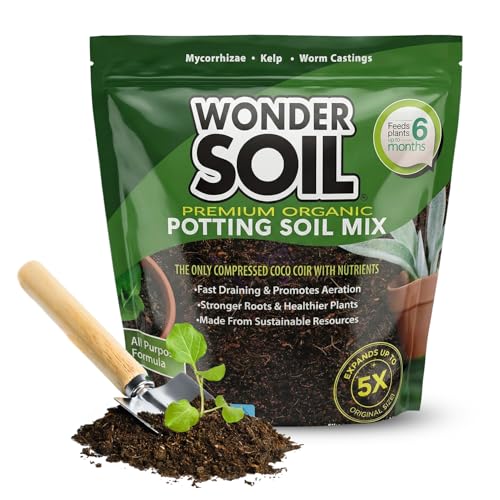
The 12-quart Wonder Soil bag is the entry point in the brand’s compressed coco coir lineup, and it’s tuned for smaller jobs. A three-pound bag expands to 12 quarts of loose mix that includes worm castings and perlite, the latter being the white volcanic material that opens up drainage in tight potting mixes. For a few patio pots or a small indoor shrub like a fiddle leaf fig or dwarf citrus, that volume is about right.
The peat-free, organic focus appeals to gardeners who want to avoid peat’s environmental footprint without giving up on a clean, consistent medium. Compared to bagged potting soils like FoxFarm Ocean Forest, the compressed format is lighter to carry up stairs and stores neatly on a shelf until you need it. The trade-off is the prep step of hydrating the brick before planting.
What Works In Its Favor
- Peat-free composition suits eco-minded gardeners avoiding traditional peat-based mixes.
- Includes perlite, which keeps the texture from compacting inside patio containers.
- Three-pound bag handles and stores without the bulk of standard potting soil bags.
- Pre-amended with worm castings, so young shrubs get a soft nutrient start.
Points To Keep In Mind
- Hydration takes a few minutes and a bucket, so this isn’t a dig-and-plant product.
- Twelve quarts is light for full-bed work; mid-size and larger projects need the 30-quart or 72-quart packs instead.
Perfect Match For
Apartment and patio gardeners potting up a few small shrubs, citrus, or large houseplants in containers.
Not Your Match When
If you’re installing a hedge or refreshing a long border, Wonder Soil 30 Quarts Coco Coir 3-Pack scales up to that workload.
The 72-quart block is the heavyweight in the Wonder Soil line, and it suits serious shrub work. A 10-pound compressed block hydrates to roughly 72 quarts of loose coir, enough to plant a full hedge row, refresh a long border, or fill several raised beds. The mix carries the same amendments as the smaller sizes, so consistency holds across scales.
Where this earns its place is for landscape renovations rather than routine maintenance. If you’re tearing out and replacing a line of foundation shrubs, or installing a privacy screen along a fence, the volume per dollar beats the smaller packs. You’ll need a wheelbarrow or large tub for hydration, and you may find yourself working in batches rather than the whole block at once.
Strengths Worth Knowing
- 72-quart yield handles full hedge or border installations in a single purchase.
- Compressed format still fits on a shelf or in a garage corner before hydration.
- Pre-loaded with worm castings, so a baseline of organic nutrition is built into the medium.
Trade-Offs To Consider
- Hydrating a 10-pound block takes time and a large container, so plan on staging the work.
- Smaller gardens may find this much coir difficult to use before it dries between projects.
Who Will Love This
Landscapers and homeowners doing full hedge installations, privacy plantings, or extensive border refreshes.
A Better Fit Elsewhere
For a single foundation shrub or a small patio grouping, the 12-quart Wonder Soil Organic Potting Soil bag keeps the project simple.
PlantBest Coco Peat fills a slightly different slot than the mulch blocks from the same brand. An 11-pound compressed coir block expands to roughly 79 quarts of finished growing medium, which lands between Wonder Soil’s 30-quart and 72-quart offerings on volume. The pitch here is peat-free gardening with a triple-washed, low-salt coir that aims for a cleaner starting medium.
For gardeners who want coco coir as a soil base rather than as mulch, this lands closer to the Wonder Soil pre-amended mixes. The key feature is the wash process, which reduces the salt content that raw coir sometimes carries and that can stress young roots. Shrub planting in coastal or hard-water regions often benefits from this kind of cleaner medium.
Notable Upsides
- Triple-washed coir keeps salt content low, which protects young shrub roots at planting.
- 79-quart yield covers several mid-size shrubs or one large bed install.
- Compressed 11-pound block stores compactly until you’re ready to plant.
- Peat-free profile suits gardeners avoiding traditional peat-based mixes.
Room For Improvement
- Doesn’t ship pre-amended, so adding worm castings or starter fertilizer is on you.
- One large block demands a sizable tub for hydration, more than the 30-quart packs.
Built With In Mind
Eco-minded gardeners setting up shrub plantings in coastal or hard-water areas where salt buildup is a concern.
Consider Something Else When
For container shrubs that need a richer, ready-to-use blend, FoxFarm Ocean Forest Potting Soil removes the amendment step.
This second PlantBest mulch block mirrors the format of the earlier PlantBest coco mulch, but with a key difference in coverage: it expands to roughly 64 quarts and covers up to 17.5 square feet at a standard mulching depth. That makes it the right pick for larger shrub borders, long hedge rows, or wide foundation beds where a single 9.1-pound block needs to do serious work.
Like the smaller mulch block, the compressed format replaces bulky bagged mulch with something you can carry under one arm. The expanded coir lays down as a clean, uniform layer that holds its color through the season. For anyone who has wrestled a stack of two-cubic-foot mulch bags across a lawn, that ergonomic difference is the selling point.
Standout Benefits
- Covers up to 17.5 square feet, enough for a full shrub border in one block.
- Compressed 9.1-pound block stows easily between seasonal applications.
- Coir mulch resists washout better than many lighter organic mulches in heavy rain.
- Uniform texture creates a tidy finished look around foundation plantings.
Less Ideal Details
- Hydration requires a wheelbarrow or large tub, more prep than a ready-to-spread bag.
- Surface mulch only; do not use this as a planting medium for new shrubs.
The Right Fit
Homeowners maintaining long shrub borders or wide foundation beds who want to skip the heavy bagged mulch routine.
Where A Sibling Pick Shines
For new shrub installations, Wonder Soil 72 Quarts Coco Coir Block delivers a planting medium rather than a top-dressing.
Picking The Right Soil For Your Shrubs
Choosing soil for shrubs comes down to matching the product to the planting situation rather than chasing the richest-looking bag on the shelf. Start with the planting method. Container shrubs need a light, aerated mix that resists compaction, and either FoxFarm Ocean Forest or a Wonder Soil coco coir bag fits that brief well.
In-ground plantings tell a different story. A new shrub going into native soil benefits from organic matter worked into the backfill, and earthworm castings or a pre-amended coco coir block handle that role. Established shrubs usually need surface attention rather than root-zone rebuilding, so a mulch block like the PlantBest coco options lays down the right layer.
Drainage and pH round out the decision. Shrubs that resent wet feet, like lavender and rosemary, want sharper drainage and may need perlite worked into the mix. Acid-soil beds under hydrangeas and azaleas may need Espoma Garden Lime if pH has drifted too low, ideally confirmed with a soil test before any amendment goes down.
Key Considerations Across These Picks
Common Shopping Slip Ups
The most common mistake is grabbing a generic all-purpose bag for a shrub that has specific needs. Mulch and soil are not interchangeable, so a mulch block layered into a planting hole starves new roots of oxygen. The other frequent error is skipping a pH test before amending with lime, which can swing soil chemistry the wrong direction.
Where The Extra Money Goes
Premium mixes like FoxFarm Ocean Forest earn their cost through included amendments and a ready-to-plant texture, which saves the step of buying and mixing worm castings separately. Larger compressed blocks cost more up front but lower the per-quart price noticeably, so the upgrade pays off on bigger landscape projects. For small jobs, the savings rarely justify the storage and prep time.
