

Few gardening moments feel as hopeful as watching a flat of seeds push through the soil. The catch is that the medium underneath has to be loose, moisture-retentive, and free of the pathogens that love to ambush tender roots. Pick poorly and damping-off takes out half your tray before the cotyledons (the first pair of seed leaves) even open. The ten options below cover the main approaches: compressed coco coir blocks and pellets, traditional peat starter pods, mineral vermiculite for moisture control, a premium blended potting soil, and an organic worm casting amendment for mixing into your own blend.
The Picks In Brief

MODELLOR Coco Coir Bricks 4-Pack (5 lb)

FarmTek Horticultural Vermiculite 4 cu ft

FoxFarm Ocean Forest Potting Soil 1.5 cu ft

ZeeDix Coco Coir Pellets 50 Pack 30mm

Worm Bliss 1 Qt Organic Worm Castings

ZeeDix 100 Pack 30mm Coco Coir Pellets

ZeeDix Peat Pellets 100 Pack 30mm

Legigo 200 Pcs 30mm Peat Pellets
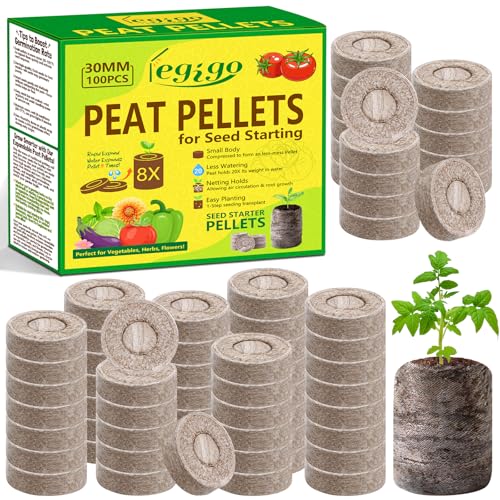
Legigo 100 Pcs 30mm Peat Pellets

Legigo 50 Pcs 30mm Peat Pellets
The Details Behind The Selections
If you start dozens of seeds at a time on a windowsill or under lights, compressed coco coir bricks stretch a small package into a generous volume of fluffy medium. The four-brick set totals 5 pounds and expands into roughly 9 gallons (36 quarts) once hydrated, which is enough to fill multiple 1020 trays (standard 10 by 20 inch seed-starting flats) with room to spare for a few small pots. Because the coir arrives dry and brick-shaped, you can tuck the package on a shelf and only hydrate what you need that week.
The triple-washed, low-EC (low electrical conductivity, meaning fewer soluble salts that can burn seedling roots) treatment matters more than it sounds. Cheap coir sometimes carries residual salts from coastal processing, and seedlings are far more sensitive to that than mature plants are. For most gardeners starting tomatoes, peppers, and herbs indoors, the pH-balanced outcome means you can drop seeds in without much fussing.
Well-Handled Touches
- Four bricks yield roughly 9 gallons, enough to fill multiple standard seed-starting flats.
- Triple-washed low-EC coir reduces the salt load that often stunts young roots.
- pH-balanced medium lets you skip the lime-adjustment step that peat often demands.
- Compressed format stores compactly and weighs less than a bag of pre-moistened mix.
- Reusable fiber holds its structure across multiple watering cycles without compacting.
Trade Offs
- Bricks need a bucket, warm water, and a few minutes of soaking before they’re usable.
- Coir contains almost no inherent nutrients, so a light liquid feed kicks in after true leaves appear.
- For one tiny windowsill herb pot, a four-brick pack may feel like more than you need.
Key Specs
Right Fit For
Home gardeners running multiple seed-starting trays each spring who want a sterile, low-salt medium and don’t mind hydrating bricks.
Skip It When
You’d rather grab a ready-to-use bag like FoxFarm Ocean Forest for a single small tray and avoid the soaking step.
Vermiculite isn’t a seed-starting medium on its own the way coir or peat pods are. Instead, it’s a heat-expanded mineral (a mica-family silicate popped like popcorn, holding air and moisture in its layers) that gardeners blend into potting mixes to improve water retention and aeration at the same time. The 4-cubic-foot bag from FarmTek is the kind of bulk container a serious grower or small greenhouse works through over a season.
Sprinkled on top of a seed flat after sowing, a fine layer of vermiculite holds humidity right at the surface where germination happens, which can lift your success rate on slow starters like parsley or snapdragon. Mixed into a blend at roughly one-third volume, it lightens the texture so roots push through easily.
Features That Help
- Holds water and nutrients in the root zone, releasing them slowly between waterings.
- Mineral structure keeps the mix from compacting in containers and raised beds.
- pH-neutral and sterile, so it won’t introduce weed seeds or disease to your trays.
- 4 cubic feet covers multiple beds or a long season of seed-starting mixes.
Things To Weigh Up
- It is an additive, not a stand-alone medium, so you still need coir, peat, or potting soil to actually sow into.
- The 4-cubic-foot bag is bulky and best suited to a garage, shed, or greenhouse corner.
- Vermiculite particles break down over a long season and can compact if you reuse the medium year after year.
Made For
Backyard growers who mix their own seed-starting blends or want a top-dressing to lock in surface moisture on tricky germinators.
A Better Fit Elsewhere
Casual herb-tray starters who want a single bag to open and sow into will find MODELLOR Coco Coir Bricks simpler with no blending needed.
Most seed-starting guides steer you toward lean, mostly soilless mixes, but FoxFarm’s Ocean Forest sits in a different lane. It’s a ready-to-use potting soil built from earthworm castings, fish meal, crab meal, and other organic amendments. For gardeners who want to skip the “plant food after germination” step entirely, that built-in nutrition can be appealing.
The honest read is that this blend is genuinely powerful but a little hot for the most delicate seedling stage. Many growers reserve Ocean Forest for the up-potting step (transplanting seedlings from starter cells into a larger pot), once roots have settled and the plant is asking for more nutrition. The light, aerated texture still makes it easy on young roots.
What Earns Its Place
- Pre-charged with organic amendments, so seedlings transition into a richer feeding zone without supplemental fertilizer right away.
- Light, well-aerated texture keeps root systems oxygenated in containers.
- Works across vegetables, herbs, and flowering container plants beyond just seedlings.
- 1.5-cubic-foot bag covers several flats or a small patio’s worth of pots.
Honest Caveats
- Nutrient levels can be too rich for the very first week after germination, which some growers work around by blending with coir.
- Heavier and more costly than a sterile peat or coir medium designed purely for starting seeds.
Best Suited To
Gardeners who up-pot seedlings into larger containers and want one blend for both stages rather than mixing their own.
Not Your Match When
You want a sterile, neutral medium to germinate fussy or slow-growing seeds where a richer mix invites algae and fungus gnat issues.
Compressed coir pellets solve the mess problem that loose seed-starting soil creates on a kitchen counter. Each ZeeDix pellet is a 30mm disc of dry coconut fiber that puffs up into a small, self-contained pot when you add warm water. Drop a seed into the top, wait for germination, then transplant the whole thing into a larger container without disturbing the roots.
Fifty pellets is a manageable starter count for someone running a single windowsill tray of herbs or testing a few flower varieties. The mesh wrap keeps the coir from falling apart during transplant, which is the main reason this format took off among indoor growers.
Where It Helps
- Each pellet expands from a 30mm disc into a small, neat starter pot, eliminating bagged-mess on the counter.
- Made from 100% organic coconut fiber with low EC and pH balance, suitable for herbs, succulents, and houseplants.
- Mesh wrap holds the pod together so the whole thing lifts cleanly into the next pot.
- Fifty pellets is enough for a small spring sowing without committing to a 100-pack.
Possible Compromises
- Once expanded, each pellet is on the small side, so fast-growing seedlings may need an up-pot sooner than in larger cells.
- Like all coir, the pellets carry essentially no nutrition, so a liquid feed matters once true leaves emerge.
- Soaking takes a few minutes and the pellets need to be arranged in a tray before they fully expand.
Feature Snapshot
Whose Shelf It Belongs On
Apartment gardeners running a single tray of kitchen herbs who value a tidy, no-mess setup over loose bagged soil.
Reach For A Different Pick When
You’re filling more than one standard flat at a time and would benefit from the larger count of ZeeDix 100 Pack 30mm Coco Coir Pellets.
Worm castings are the finished product of earthworm digestion, dark and crumbly, and they sit at the top of the list for gentle, organic nutrition in seed-starting contexts. Worm Bliss from Plantonix arrives in a 1-quart container, OMRI-listed (which means it’s reviewed for organic use under USDA National Organic Program standards), vegan, and manure-free, so it’s friendly for indoor seed-starting setups where odor matters.
Castings aren’t typically used as a stand-alone medium because they compact easily. The real play is to blend a small amount into your coir or peat base to give seedlings a slow, steady nutrient release. For most gardeners, around 10 to 20 percent by volume is enough to keep young plants fed through the cotyledon stage without burning roots.
What Pays Off
- Slow-release nitrogen, phosphorus, potassium, and trace minerals reduce how often you need to liquid-feed.
- OMRI-listed organic status fits organic gardening plans and indoor air-quality concerns.
- Manure-free, vegan processing means low odor in a kitchen seed-starting area.
- Mixes easily into coir, peat, or potting soil without changing texture dramatically.
Practical Considerations
- Castings alone compact and resist water flow, so they need to be blended with a lighter medium.
- One quart is enough to amend several trays, but heavy feeders in large containers may need more.
Who Should Grab It
Organic gardeners who already use coir or peat and want a clean, gentle nutrient boost mixed into their starter blend.
Look Elsewhere When
You want a single ready-to-sow bag without the extra mixing step, in which case FoxFarm Ocean Forest Potting Soil covers that need.
If you’ve used the 50-pack and run short halfway through tomato season, the 100-pack version doubles the count without doubling your counter clutter. Each pellet is still a 30mm compressed coconut-fiber disc that expands with water, so the routine stays familiar: soak, drop in a seed, wait for sprouts.
The bigger count fits serious spring sowings where you’re running both warm-weather and cool-weather crops side by side. Because pellets are lightweight and stack neatly, even a 100-pack is easy to store on a garage shelf between seasons.
Useful Highlights
- Double the pellet count of the 50-pack, useful when germinating multiple trays at once.
- Same 100% organic coconut fiber with low EC and pH balance that suits common seedlings.
- Pre-measured format removes the guesswork of filling starter cells by hand.
- Compressed discs collapse to a small footprint for off-season storage.
Less-Strong Areas
- The larger count makes sense only if you actually have plans to use them, otherwise you may not finish the bag.
- Each pellet is still on the small side, so fast growers need an up-pot step earlier than in larger cells.
Built With In Mind
Backyard gardeners running a full spring sowing across vegetables, herbs, and flowers who want one bag to cover it all.
Swap It Out When
You’re only trialing one or two seed varieties, in which case ZeeDix Coco Coir Pellets 50 Pack 30mm keeps things simpler and less wasteful.
Before coco coir took over, peat pellets were the default seed-starting format in garden centers, and ZeeDix’s 100-pack keeps that classic approach available. Made from organic sphagnum peat moss (a fibrous, slightly acidic material harvested from peat bogs), each 30mm disc expands into a small starter pot when watered and gives seedlings a familiar, well-aerated environment to push roots into.
Peat is naturally a touch acidic, which most vegetable and flower seedlings tolerate well, but it’s worth knowing if you regularly start crops that prefer neutral-to-sweet conditions. The bigger upside for newcomers is the simplicity: no mixing bowls, no bags, no measuring.
Everyday Advantages
- Sphagnum peat structure balances aeration and water retention, both critical for fresh seedlings.
- Mesh-wrapped pods lift cleanly into the next pot without disturbing roots.
- 100 pellets cover a generous first season for a beginner running several trays.
- Dry, compressed format keeps the package light and shelf-stable for months.
Small Caveats
- Peat is naturally acidic, so seedlings preferring neutral-to-alkaline soils may respond better to a coir-based medium.
- Once peat dries out, it can resist rewetting, so consistent moisture matters.
Who Will Love This
First-time seed starters who want the classic peat-pod experience with no mixing and minimal cleanup.
Where A Sibling Pick Shines
For gardeners who prefer a renewable, neutral-pH alternative, the ZeeDix 100 Pack 30mm Coco Coir Pellets deliver the same format in coir.
For gardeners who start seeds every month, not just in spring, a 200-pack of peat pellets is a working supply, not a one-off experiment. Legigo’s discs follow the familiar pattern: dry compressed peat, mesh wrap, expands several times its size when soaked, ready for sowing within minutes.
Two hundred pods is also a useful count for community garden programs, school classrooms, or seed swaps where you’re sharing starter materials across multiple growers. The format transfers easily because each pellet is its own complete unit.
Strengths Worth Knowing
- Largest pellet count in this roundup, supporting long sowing calendars or shared projects.
- Compressed peat gives seedlings the airy, moisture-buffered environment they need to germinate cleanly.
- Each pod transplants directly, so root disturbance stays minimal at the up-pot stage.
- Lightweight dry format makes the bag easy to carry and store between uses.
Points To Keep In Mind
- A bag this size is overkill for casual windowsill sowers who only need a handful of pods per season.
- As with all peat pellets, dryness can sneak in if you skip a watering cycle, so consistent moisture pays off.
Perfect Match For
Serious home growers, classroom programs, or seed-swap organizers who go through starter pods steadily and want the best count per package.
Skip It When
You’re trialing only a couple of seed varieties, in which case Legigo 50 Pcs 30mm Peat Pellets fits without leftovers.
The 100-pack sits comfortably in the middle of Legigo’s peat-pellet line, bridging the trial size and the bulk option. For most home gardeners running a single spring sowing with a few succession plantings, that’s about the right count without much waste.
The behavior is the same as the other peat pellets in this roundup: dry discs expand rapidly with water, mesh wrap holds the pod together at transplant, and the peat structure keeps moisture levels steady around each seed. The honest read is that performance feels consistent with the larger 200-pack; the difference is purely quantity.
Points In Its Favor
- 100 pods is a comfortable count for a typical home spring sowing.
- Compressed peat provides the airy, water-retentive environment seedlings prefer for germination.
- Mesh wrap supports clean transplanting without breaking the root ball apart.
- Dry storage format keeps pellets usable across multiple seasons if you seal the bag.
Potential Sticking Points
- Peat’s natural acidity may not suit every crop, particularly neutral-to-alkaline-loving varieties.
- Once a peat pod dries out, getting it to absorb water evenly again can take a couple of soakings.
Built With In Mind
Mid-size home gardens where one spring and one fall sowing are typical and a 100-pack covers the season without leftovers.
Where Another Pick Suits Better
For very small windowsills, the Legigo 50 Pcs 30mm Peat Pellets trim down to a more reasonable size without overbuying.
Fifty peat pellets is a smart entry point for anyone curious about seed-starting but unsure how deep the hobby will go. Legigo’s 50-pack keeps the investment small while still delivering the full peat-pod experience: dry compressed discs, fast water expansion, mesh wrap, and easy transplant.
For a kitchen windowsill with one or two herb varieties, fifty pods is more than enough to find out whether seed-starting clicks for you. If it does, stepping up to the 100-pack or 200-pack later is straightforward.
The Case For It
- Trial-friendly 50-pack count lowers the commitment for first-time starters.
- Sphagnum peat gives seedlings an airy, moisture-buffered environment.
- Mesh-wrapped pods hold their shape at transplant, reducing root disturbance.
- Compact packaging slips into a drawer or small shelf between uses.
A Few Limitations
- Same peat acidity caveat as the other peat pellets in this list.
- Limited count, so you’ll need a bigger pack once your seed-starting plans grow.
Perfect Match For
Curious beginners and small-space gardeners running a single windowsill tray of herbs or a few flower varieties.
Not Your Match When
You already know you run multiple trays each season, in which case the Legigo 200 Pcs 30mm Peat Pellets save money per pod.
What To Weigh Before Choosing A Seed Starting Medium
Match The Medium To Your Sowing Volume
The biggest fork in the road is whether you start a handful of seeds or run trays by the dozen. For one or two small herb pots, pre-formed peat or coir pellets keep things tidy and minimize cleanup. For multiple 1020 flats, bulk coir bricks or bagged potting soil fill trays faster and at lower cost per cell. Pickers who maintain a steady year-round rotation often blend their own using coir, vermiculite, and worm castings to balance water retention, aeration, and nutrition.
Understand The Trade-Off Between Sterility And Nutrition
Sterile, soilless mediums (cocopeat and peat pellets) give seedlings a clean start free of fungal pathogens and fungus gnats, but they ship with almost no inherent nutrition. Once true leaves emerge, you’ll start a diluted liquid feed. Richer blends like FoxFarm Ocean Forest arrive pre-charged but can overwhelm tender first-week roots, especially in deep cells where the moisture lingers. Knowing where you want your seedlings on that spectrum determines whether you reach for a plain medium or a pre-amended one.
Consider Drainage And Watering Habits
Seedlings sitting in saturated medium rot quickly, so drainage matters as much as water retention. Vermiculite in a blend improves both, while pure peat can dry out and then resist rewetting. Gardeners who tend to overwater benefit from grittier, faster-draining mixes; gardeners who forget daily waterings benefit from moisture-buffering coir or a vermiculite top-dress after sowing.
Think About Transplanting Workflow
If you plan to move seedlings into larger containers or outdoor beds, pods and pellets simplify the move because the entire unit goes into the next pot. Loose mixes require you to scoop seedlings out, which can tear roots. For succession plantings that get bumped up every couple of weeks, the pod format reduces transplant shock and saves time.
Key Considerations Across These Picks
Pitfalls Shoppers Hit
The most common trap is grabbing a general-purpose potting soil and expecting it to behave like a seed-starting mix. Standard potting soils often hold too much moisture and ship with richer nutrient loads that overwhelm fresh seedlings, so germination rates drop and damping-off (a fungal collapse of seedling stems at the soil line) shows up. Another slip is choosing peat pellets assuming all “pods” behave identically: coco coir pellets have a different pH and water profile than sphagnum peat, and assuming they’re interchangeable can throw off crops that prefer neutral-to-sweet conditions.
Where The Extra Money Goes
The premium tier in this category tends to fund lower salt loads, better raw material sourcing, and tighter quality control. Triple-washed, low-EC coco coir costs more per brick because of the extra processing, and a ready-to-use blended soil like FoxFarm Ocean Forest carries built-in organic amendments that you’d otherwise mix yourself. For gardeners running large sowings or sensitive crops, that premium can pay for itself in fewer failed seedlings; for casual one-tray sowers, a simpler medium is often plenty.
Frequently Asked Questions
What Is The Best Soil For Starting Seeds Indoors?
A sterile, soilless mix with good aeration and steady moisture retention works best for most indoor sowings. Coconut coir and sphagnum peat are the two most common bases, often blended with perlite (a volcanic mineral that lightens soil) or vermiculite for drainage.
Can I Use Regular Potting Soil To Start Seeds?
You can, but it usually holds too much moisture and carries richer nutrient loads than fresh seedlings want. Mixing regular potting soil with perlite or coir dilutes both issues, or you can reserve it for the up-potting step once roots are established.
How Long Does Seed-Starting Mix Last?
Dry coco coir bricks and compressed peat pellets keep for several seasons when stored in a sealed bag away from moisture. Bagged potting soils are best used within a year or two, since organic amendments break down and the texture can shift.
Do I Need To Fertilize Seedlings?
If the medium is sterile or soilless, yes. A diluted, balanced liquid feed every week or two once true leaves appear keeps seedlings growing steadily until transplant. Worm castings blended into the mix can stretch that window.
Are Coco Coir Pellets Better Than Peat Pellets?
Coir and peat pellets behave similarly at transplant, but coir has a more neutral pH and is a renewable byproduct of the coconut industry. Peat is naturally acidic and is harvested from peat bogs, which raises sustainability concerns for some gardeners.
Final Thoughts
The right seed-starting medium depends on how many seeds you run, what crops you favor, and whether you prefer a tidy pod or a tray filled from a bag. Compressed coir and peat pellets keep cleanup low, bulk coir bricks stretch across many flats, and vermiculite or worm castings turn a basic mix into something richer when the time comes. Match the format to your workflow, and the rest of the season tends to fall into place.
