

Snake plants thrive on neglect until they hit a soggy pot, then they collapse fast. The fastest way to lose a Sansevieria is to plant it in a moisture-holding mix meant for thirsty tropicals. A proper snake plant substrate drains quickly, breathes well around the rhizome, and resists compaction over months of dry cycles.
This roundup focuses on substrates that match the way snake plants actually grow in containers. You’ll see specialty blends, general-purpose options, and several coco chip sizes for DIY mixers, plus a couple of supporting picks if you want to feed as well as repot.
The Main Contenders

GARDENERA Premium Snake Plant Potting Soil Mix (1 Quart)

FoxFarm Ocean Forest Potting Soil 1.5 cu ft
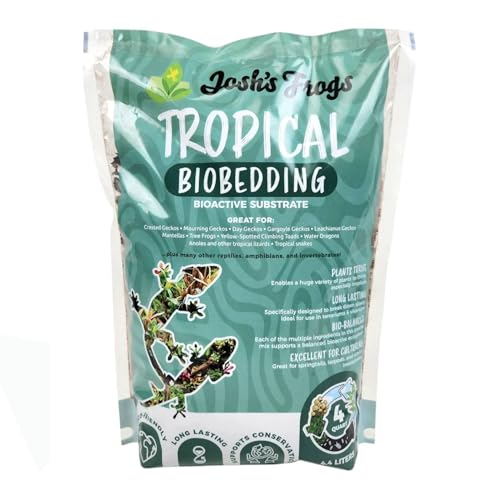
Josh’s Frogs BioBedding Tropical Bioactive Substrate (4 Quarts)

Halatool 6 Pcs Coco Husk Chips for Plants 6.6 lb

Gardenera Snake Plant Spray Fertilizer Mist 8 oz

Halatool 10 lb Coco Husk Chips for Plants

Halatool 4 Pcs Coco Husk Chips 4.4 lb

Halatool 8 Pcs Coco Husk Chips 8.8 lb

Gardenera Premium Liquid Snake Plant Fertilizer 8 oz
More On The Choices That Made The List
If you keep a single snake plant on a shelf and want a mix built for the job, the Gardenera 1 Quart bag is the easiest entry point. The blend is tuned for Sansevieria rather than general indoor use, which matters because standard potting soil holds too much water for rhizome-based succulents.
The 1 Quart size is purpose-built for a small terracotta pot, so you don’t have to bag and store leftover mix in a closet. It suits new plant parents who want a no-guesswork bag without committing to a large volume.
Useful Highlights
- Snake-plant specific formula removes the trial-and-error of mixing your own substrate.
- Small bag reduces waste, especially in apartments where shelf space for half-used soil is a luxury.
- Light texture supports healthy rhizome contact without suffocating roots.
- Convenient size works well for one mid-sized pot or two small starters.
Things To Consider
- 1 Quart is tight if you keep more than two mature plants, so you’ll likely need a second bag.
- You may find it dry out a touch fast in unglazed terracotta during summer, depending on your indoor humidity.
Quick Facts
Who It Suits Best
Beginners repotting a single Sansevieria who want a mix that’s already balanced for the species.
Consider Something Else When
If you maintain a collection of four or more pots, the Halatool 8 Pcs Coco Husk Chips 8.8 lb multipack gives you the raw material for many custom blends.
FoxFarm’s Ocean Forest has been a workhorse in container gardening for years, and the 1.5 cu ft size is the bag most serious plant keepers default to. For snake plants, the airy structure and built-in fertility do most of the heavy lifting, though you’ll want to lean toward drier watering habits.
The texture is light and crumbly straight out of the bag, which is a relief if you’ve wrestled with dense, peat-heavy mixes. It suits growers who keep a rotation of foliage plants and want one bag that handles most of them.
Positive Takeaways
- Large volume supports repeated repottings across a small indoor collection.
- Pre-charged with organic amendments, so freshly potted plants get a soft start.
- Light, aerated feel prevents the compacted, soggy middle that snake plants hate.
Trade Offs
- It retains more moisture than a dedicated cactus blend, so underwatering beats overwatering here.
- The bag is bulky to store in a small closet, depending on your space constraints.
At A Glance
Made For
Multi-plant households that want one bag to handle snake plants, pothos, and tropical foliage alike.
Skip It When
You prefer a chunkier, faster-draining mix; in that case, Halatool 10 lb Coco Husk Chips gives you the texture to build one from scratch.
Most snake plant owners never consider a bioactive substrate, but Josh’s Frogs BioBedding crosses over from the vivarium world into the plant shelf. The 4 Quart bag is sized for a single small enclosure or a couple of terracotta pots.
It’s designed to host microfauna such as springtails and isopods, which break down organic matter over time. For a snake plant in a closed terrarium or humid pot, that cycle keeps the substrate fresh for years rather than months.
What It Does Well
- Holds structure longer than standard bark or peat, reducing how often you repot.
- Natural, earthy look blends into planted displays better than bright commercial soils.
- Supports live moss and groundcover companions that share the same pot.
Points To Note
- Not formulated specifically for snake plants, so you’ll want a drier watering rhythm.
- Smaller bag means it disappears fast on a multi-pot shelf.
Best Suited To
Plant keepers running vivarium-style displays where snake plants share space with tropical companions.
Reach For A Different Pick When
You want a snake-plant-specific mix for a standard indoor pot; the Gardenera Premium Snake Plant Potting Soil Mix is purpose-built for that scenario.
Coco husk chips have become the go-to amendment for snake plant growers who mix their own substrate. Halatool’s 6-pack lands in a useful middle ground, big enough for several pots but not so big that storage becomes a problem.
The chips arrive compressed, so a small brick expands into a much larger volume of coarse fiber once hydrated. That texture keeps air pockets open around the rhizome, which is exactly what Sansevieria roots need to stay dry between drinks.
What Stands Out
- Compressed format saves shelf space until you need it.
- Chips resist breaking down faster than bark, depending on watering discipline.
- pH balanced and low EC, so it plays nicely with sensitive species.
Small Caveats
- You still need a base component like pumice or perlite to build a true snake plant mix.
- Hydration is required before use, which adds a planning step for first-time users.
Feature Snapshot
Whose Shelf It Belongs On
DIY mixers who like to dial in their own ratios for snake plants and orchids.
A Better Fit Elsewhere
For a ready-to-use blend with no mixing, the Gardenera Premium Snake Plant Potting Soil Mix is the more convenient pick.
Foliar sprays are sometimes overlooked for snake plants, but a light mist during the active growing months can perk up a tired leaf. The Gardenera 8 oz mist comes ready to spray, which saves the dilution step that liquid concentrates require.
The 3-1-2 ratio leans toward foliage support rather than heavy blooming, which suits snake plants just fine. It fits the routine of owners who want a quick refresh without committing to a full fertilizer schedule.
What Helps Most
- No mixing required, so it suits forgetful waterers who don’t track dilution ratios.
- Compact bottle fits inside a kitchen drawer with the rest of your plant gear.
- Spray format reaches leaves that potting fertilizers can’t.
Honest Caveats
- Misting alone won’t replace soil fertility for plants in depleted substrate.
- Small bottle means frequent replacement for anyone with more than a few plants.
The Right Fit
Plant parents who want a low-effort supplement for one or two indoor snake plants.
Look Elsewhere When
You prefer feeding through the substrate; the Gardenera Premium Liquid Snake Plant Fertilizer offers a concentrate for that workflow.
When you keep snake plants in oversized floor pots or use them as patio accents in mild climates, the 10 lb Halatool brick earns its keep. One brick expands to roughly 72 quarts of chunky fiber, which covers multiple large planters in a single session.
Compressed bricks also store flat against a wall or under a bench, so the bulk doesn’t translate into clutter the way loose bags do. It suits growers who repot on a schedule rather than waiting for emergencies.
Real Benefits
- One brick handles several large planters, which simplifies stock planning.
- Chunk format aids airflow in deep containers where soil can compact at the bottom.
- Organic source material appeals to growers avoiding synthetic media.
Where It May Fall Short
- You’ll need a tub or wheelbarrow to hydrate it comfortably at this size.
- It can feel like overkill for a single windowsill plant.
Who Will Love This
Outdoor and large-pot gardeners who want a long-lasting chunky amendment on hand.
Swap It Out When
You only have a couple of small indoor pots; the Halatool 4 Pcs Coco Husk Chips 4.4 lb gives you room to grow without surplus.

Two bricks is the smallest size in the Halatool lineup, and it’s a smart way to test coco chips before committing to a larger pack. Each brick hydrates to about 7 quarts, which is enough for one small pot or a single amendment batch.
It’s the right size for anyone curious about DIY substrates but unsure if coco chips will work in their routine. If the texture clicks, scaling up to a 4 or 6 pack becomes an easy next step.
Good Reasons To Consider
- Low commitment for first-time DIY mixers.
- Tiny footprint fits a narrow closet shelf or under a sink.
- Same organic, low-EC material as the larger Halatool packs.
A Few Limitations
- Runs out fast if you discover you like the texture and want to remix every pot.
Perfect Match For
Curious beginners who want to experiment with coco chips before buying in bulk.
Where A Sibling Pick Shines
Once you know you like the texture, the Halatool 8 Pcs Coco Husk Chips 8.8 lb multipack keeps you stocked for the season.
The 4-pack is the unscalable hero of the Halatool range, because it covers two to three repottings without the surplus of a 6 or 8. For most indoor plant keepers, that balance is exactly right.
Each brick still expands to about 7 quarts, so you can hydrate them one at a time as needed. That staggered use keeps the rest of the bricks dry and tidy in storage.
Features That Help
- Balanced quantity for two or three repotting sessions.
- Compressed format means less mess than loose chips in a closet.
- Consistent batch material across all four bricks.
Some Limits To Know
- Still requires a base like perlite to make a complete snake plant mix.
Who Should Grab It
Mid-size indoor collections that repot a few times a year without stockpiling mountains of substrate.
Not Your Match When
You maintain an entire room of large floor plants; in that case, Halatool 10 lb Coco Husk Chips delivers more volume per session.
If you’ve settled on coco chips as your primary chunky amendment, the 8-pack keeps you ahead of the repotting calendar. Eight bricks expand to roughly 56 quarts of usable fiber, which covers most indoor snake plant collections across a full season.
Like the other Halatool sizes, the material is pH balanced and low in soluble salts, so it behaves predictably across multiple waterings. For growers with a dozen or so plants, this is the sweet spot before stepping up to the 10 lb single brick.
Notable Gains
- Covers a full repotting season for medium collections.
- Compressed bricks are easier to stack in a closet than loose chips.
- Consistent texture across bricks simplifies recipe building.
Practical Considerations
- Storage demands a dry spot to keep unused bricks from absorbing ambient moisture.
- More prep work up front if you hydrate the whole batch at once.
Built With In Mind
Regular repotting schedules for anyone running a rotation of snake plants and similar chunky-soil species.
Where Another Pick Suits Better
You only need chips for a single terrarium build; the Halatool 2 Pcs Coco Husk Chips 2.2 lb is the lighter commitment.
Liquid fertilizer concentrates give you control over both dose and frequency, which matters for snake plants that prefer lean feedings. The Gardenera 3-1-2 ratio is shaped for foliage health rather than heavy blooming, which is the right target for Sansevieria.
The 8 oz bottle dilutes into a generous volume of feeding solution, so a single bottle covers many months for a small collection. It suits owners who already follow a seasonal watering schedule and want a matching fertilizer routine.
Everyday Perks
- Concentrate format stretches further than ready-to-use sprays.
- Tailored ratio keeps overfeeding risks low.
- Works with any watering can, depending on your dilution preference.
Soft Spots
- Requires measuring and dilution, which adds a step compared with mist formulas.
- Won’t fix poor drainage, so pairing it with the right substrate still matters.
Right Fit For
Plant keepers who water on a schedule and want a fertilizer that complements a chunky, well-draining mix.
Consider Something Else When
You’d rather feed through the leaves only; in that case, the Gardenera Snake Plant Spray Fertilizer Mist is the simpler tool.
What Matters Most Before Choosing Soils For Snake Plant
Drainage Beats Everything Else
Snake plants rot from the rhizome outward when water sits too long. A loose, gritty mix that lets moisture pass through quickly is more important than any specific brand on the shelf.
Look for substrates that include perlite, pumice, or coarse chips. Dense, peat-heavy blends stay wet longer than most snake plants can tolerate, especially in plastic or glazed pots.
Match The Mix To Your Pot
Unglazed terracotta breathes through its walls and dries out faster, so a slightly more moisture-retentive blend works there. Plastic or ceramic pots hold water longer, so lean toward the chunkiest mix you can find.
Pot size also matters. Shallow pots dry out faster than deep ones, and a heavy mix in a deep pot is a common recipe for root rot.
Decide Between Ready-Made Or DIY
Ready-made blends like the Gardenera Premium Snake Plant Potting Soil Mix save time and remove guesswork. DIY mixes built from coco chips and perlite cost less per quart and let you tune the texture exactly.
If you’re new to the category, start with a ready-made bag and switch to DIY once you understand how your plants respond.
Fertilizer Is Optional, Not Required
Snake plants survive long stretches without feeding, so fertilizer is a refinement rather than a necessity. A light liquid feed during the growing season is plenty, and overfeeding can lead to brittle leaves.
Key Considerations Across These Picks
Mistakes Worth Dodging
Choosing a moisture-retentive mix for a deep plastic pot is the most common way snake plants die indoors. Pick a chunky blend and let the top inch dry between waterings to keep the rhizome healthy. Another slip is grabbing a generic tropical mix because it sits on the shelf next to the succulents; the textures are very different, and the wrong one suffocates roots fast.
What The Higher Tier Buys
Larger bags and multipacks save money per quart, but only when you actually use the volume before it loses freshness. Specialty blends tuned for snake plants cost more because the recipe is dialed in for that species, which removes the trial-and-error that DIY mixers face. Pay the premium when you want consistency across many pots, and skip it when one small bag covers your whole shelf.
Frequently Asked Questions
Do snake plants need cactus soil or regular potting soil?
A cactus and succulent blend is closer to what snake plants want than standard potting soil, which tends to hold too much water. You can also use a general mix amended with perlite or coco chips to improve drainage.
How often should you repot a snake plant?
Most snake plants only need repotting every two to three years, because they prefer a slightly snug root space. The signal to repot is roots circling the bottom or water running straight through without soaking in.
Is it safe to mix coco chips with regular potting soil?
Yes, blending coco chips into regular potting soil improves airflow and reduces compaction. Aim for at least a third of the total volume being chips or perlite for the best drainage.
Do snake plants need fertilizer to grow?
Snake plants grow slowly without fertilizer, but a light feed during spring and summer keeps leaves firm and upright. Skip feeding in winter, when growth naturally slows.
Can you reuse old snake plant soil?
Reusing old soil is risky because it can harbor fungus gnats or root pathogens from the previous plant. Refresh with new mix or amend with fresh coco chips before replanting.
