

Soil blocking flips the usual seed-starting script: instead of plastic cells or peat pots, you press a damp growing medium into a hand-held mold and pop out a self-standing cube, roots and all. The catch sits in the medium itself, since a standard backyard blend rarely holds together under compression or drains quickly enough for tender roots. You’ll want a mix that wets evenly, holds shape when squeezed, and stays airy long after the block leaves the mold.
This list lines up ten popular options across potting soils and compressed coco coir, the two formats soil blockers tend to favor. The first three are nutrient-rich blends for blocking plus transplant, the middle four lean toward coir-heavy starters, and the last three scale up for bigger seed-starting runs. A quick buying guide, a few common pitfalls, and FAQs follow the individual reviews.
Your Options, Compared
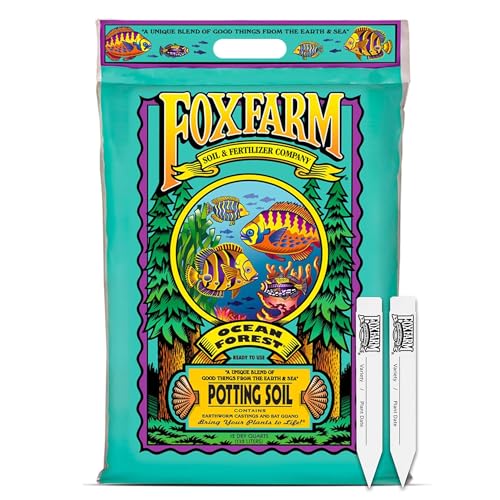
FoxFarm Ocean Forest Potting Soil with 2 Plant Tags, 12 Quarts

MODELLOR Coco Coir Bricks, 4-Pack (5 lb)

Canna Coco Brick 40L Expandable Plant Medium

FoxFarm Ocean Forest Potting Soil, 1.5 cu ft

Coco Bliss Coco Coir Bricks (50-Pack, 650g)

Wonder Soil 30-Quart Coco Coir 3-Pack
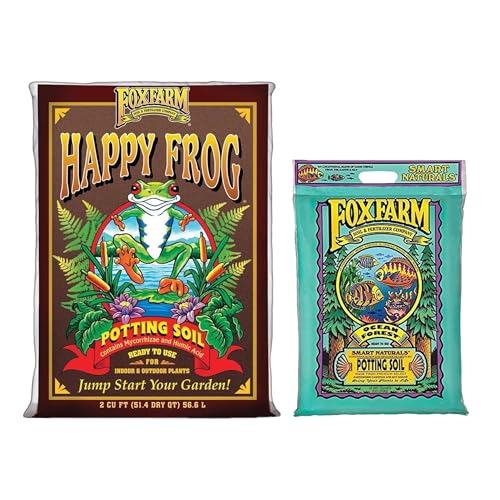
FoxFarm Happy Frog 2 cu ft + Ocean Forest 12 qt

Vermont Compost Company Fort Vee Organic Potting Soil 40-Quart 2-Pack
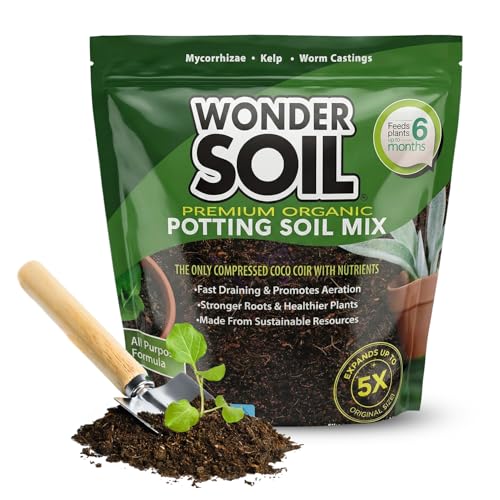
Wonder Soil 12-Quart Coco Coir with Worm Castings

Wonder Soil 72-Quart Coco Coir Block
A Breakdown Of The Leading Choices
If you’re new to soil blocking and don’t want to fuss with hydration or amendments, this 12-quart bag is the most direct starting point. The blend comes ready to use straight from the bag, so you can wet it, press it into a small block mold, and sow without an extra mixing step.
The light, aerated texture (built around earthworm castings, fish meal, and crab meal) gives the medium enough body to hold a cube together while still letting roots breathe. Two included plant tags help you track varieties and sowing dates across a starter tray, which is a small but useful touch for first-timers juggling multiple crops.
Benefits That Matter
- Ready-to-use format eliminates a separate amendment step
- Light texture helps small blocks release cleanly from hand-held molds
- Built-in organic nutrients feed seedlings through early growth
- 12-quart size suits a single starter tray or a small flat
- Two plant tags arrive in the bag for labeling varieties
Things To Consider
- Smaller volume means a quick refill if you’re blocking many trays
- Nutrient load may run hot for very young, sensitive seedlings
- Bag weight and texture can shed fine particles during opening
Key Specs
Who Should Grab It
First-time soil blockers who want a no-prep mix for a small starter tray will find this bag covers the basics without extra steps.
Skip It When
Anyone filling an entire greenhouse flat of blocks will burn through 12 quarts fast and should reach for the larger FoxFarm Ocean Forest 1.5 cu ft bag instead.
Compressed coco coir, the fibrous husk material processed from coconut shells, has become a soil-blocking favorite because it holds shape and rehydrates on demand. The MODELLOR 4-pack leans into that strength: each brick is triple-washed to lower natural salt content (measured as EC, or electrical conductivity, which signals how many dissolved salts sit in the medium) and arrives at a pH balanced for seed starting.
Five pounds of dry coir expands to roughly 9 gallons (36 quarts) of fluffy growing medium, which is plenty for several rounds of small blocks. Storage stays tidy on a shelf, and you hydrate only what you need for each blocking session, reducing waste from leftover wet mix.
Real Benefits
- Triple-washed process lowers EC and salt risk for seedlings
- Compact bricks store easily on a closet shelf until needed
- pH-balanced format suits direct sowing without extra amendments
- High expansion ratio stretches a small package into many blocks
Points To Keep In Mind
- Coir alone lacks nutrients, so a feed schedule kicks in once true leaves form
- Hydration takes planning since bricks need soaking time before pressing
Made For
Beginners and apartment growers who block in small batches and value a tidy shelf footprint will appreciate the storage-friendly bricks.
Look Elsewhere When
Anyone wanting to skip the nutrient mix step should consider the Wonder Soil 30-Quart 3-Pack, which ships with built-in amendments.
Canna’s 40-liter brick sits on the opposite end of the spectrum from the 12-quart starter bag above. A single 8-liter dry block expands into roughly 40 liters of medium, which is enough to fill a wide blocking tray in one go or to back-to-back several flats across a weekend.
The medium itself is a natural, reusable coconut coir substrate with no added nutrients, so you control the feeding schedule from day one. For hobbyists running serious seed-starting volumes, that scale-up potential is the main draw.
Bright Spots
- One brick produces a generous 40 liters of medium for big blocking jobs
- Reusable coir substrate supports multiple cycles if rinsed between runs
- Natural composition lets you dial in your own nutrient program
- Trusted format in coco-based growing circles
Honest Caveats
- Large brick needs a sizable bucket and patience for full hydration
- No built-in nutrients means a separate feeding plan is required
- Looser structure may demand a finer-screen mold for mini blocks
Feature Snapshot
Whose Shelf It Belongs On
Greenhouse growers and serious seed starters running large flats each season will appreciate the single-bulk format.
Reach For A Different Pick When
Cottage gardeners wanting a smaller, more manageable brick should turn to the MODELLOR 4-Pack for easier handling.
Step up from the 12-quart starter bag and you land on the same FoxFarm Ocean Forest blend in a 1.5 cubic foot bag. For anyone blocking multiple trays at once, that larger format means fewer mid-project refills and more consistent moisture across the whole run.
The mix keeps the same light, aerated character with earthworm castings, fish meal, and crab meal. You can wet and press straight from the bag or blend it with coir for a custom block recipe that suits your seed-starting routine.
Strong Points
- Same proven blend as the smaller 12-quart bag
- 1.5 cu ft volume covers a full flat of blocks with room to spare
- Works for blocking, transplanting, and container refills
- Light texture releases cleanly from hand molds
Worth Noting
- Bigger bag is heavier and harder to store in a small apartment closet
- Same nutrient density, so still potentially strong for delicate starts
Best Suited To
Home gardeners running a full flat of blocks each spring will appreciate fewer refills and the consistent medium from start to finish.
Not Your Match When
Apartment growers tight on storage should stick with the smaller FoxFarm 12-Quart bag for easier handling.
If your seed-starting habit has outgrown a 4-pack of bricks, the Coco Bliss 50-pack shifts the math. Fifty individually portioned 650-gram bricks let you hydrate one at a time, keeping the rest of the stockpile dry and shelf-stable through the off-season.
Plantonix pre-rinses and pre-screens the coir multiple times to filter out fibers, sand, and rocks, which helps prevent gritty bits from clogging small block mold pins. The bricks carry an OMRI listing, a third-party review of inputs allowed in certified organic production, for growers who track inputs by that standard.
What Helps Most
- Large 50-brick count supports season-long, multi-variety blocking
- Pre-screened process reduces debris that can jam small mold pins
- Individual brick size suits single-tray sessions without leftovers
- OMRI-listed for organic-focused growers
Small Caveats
- Bulk format needs dedicated storage space for 50 bricks
- Coir-only mix requires a separate nutrient plan once seedlings establish
Feature Card
Perfect Match For
Vegetable gardeners running successive seed-starting waves across spring and summer will get the most from a 50-pack.
Swap It Out When
Casual sowers with just one or two trays per year should pick the smaller MODELLOR 4-Pack instead.
Plain coir holds a block beautifully but ships without food, which means mixing in amendments or starting a feed schedule the moment true leaves appear. Wonder Soil skips that step by pre-loading the coir with worm castings, mycorrhizae (beneficial fungi that form a symbiotic relationship with roots), and kelp.
Three bricks expand to roughly 30 quarts of medium, covering a couple of starter flats in one round. The dry format still keeps storage tight, and the pre-loaded nutrients bridge the gap between blocking and the first true leaves for many common vegetables.
Where It Delivers
- Pre-loaded amendments cut a step from the blocking routine
- Compresses for easy storage, expands to 30 quarts per pack
- Mycorrhizae addition supports early root development
- Multi-pack format suits a few blocking sessions back-to-back
Possible Compromises
- Higher cost per quart than plain coir bricks
- Amendment load may not match crops that prefer leaner starts
Right Fit For
Busy gardeners who want a single product that handles blocking plus early feeding will appreciate the all-in-one approach.
A Better Fit Elsewhere
Organic purists who want to source their own amendments will prefer plain Coco Bliss bricks over pre-loaded mixes.
This FoxFarm bundle pairs Happy Frog’s 2 cu ft bag with the Ocean Forest 12-quart you already met in pick 1, which makes it a play for gardeners who like to blend. Use Happy Frog as a base for blocks that benefit from soil microbes, or mix it with Ocean Forest for a richer block that still holds its shape.
The combined volume covers a full blocking session plus ongoing container refills, so the bundle pays off across more than one task. You also get the variety to compare both blends side by side and settle on a custom mix that suits your seed-starting conditions.
Useful Touches
- Two FoxFarm blends let you experiment with custom block recipes
- Happy Frog’s microbial content suits slower-rooting crops
- Combined volume covers blocking plus container refills
- Compatible texture across both bags makes mixing straightforward
Factors To Consider
- Bundled format is heavier and takes more storage space
- Two blends mean a learning curve if you’ve used only one before
Who Will Love This
Tinkerers and intermediate gardeners dialing in their own block recipe will enjoy having both blends on the shelf.
Consider Something Else When
Anyone wanting a single, no-thinking option will find the standalone FoxFarm Ocean Forest 1.5 cu ft bag more straightforward.
Most blocking mixes lean on peat or coir, but Vermont Compost Company’s Fort Vee takes the compost route. Built around a high-nutrient compost base rather than coir fiber, it brings a richer biological profile to the block and suits organic-focused gardeners who want their inputs to match their seed choices.
The 2-pack gives you 40 quarts of ready-to-use blend for indoor or outdoor container seed starting. For most growers, the swap from a coir-based recipe to a compost blend is straightforward, though the medium feels denser in the mold.
Everyday Wins
- Compost-first profile aligns with certified organic production
- High nutrient base feeds seedlings without immediate supplementation
- Ready-to-use format keeps the routine simple
- 2-pack covers multiple trays or ongoing container use
A Few Limitations
- Denser texture may need extra water to release cleanly from block molds
- Higher nutrient load can stress very young, sensitive starts
The Right Fit
Organic gardeners who prefer compost over coir will find Fort Vee aligns with their soil philosophy from start to finish.
A Better Fit Elsewhere
Coir devotees who prize that signature airy structure should pick the MODELLOR 4-Pack or Canna 40L brick for a lighter block.
The smallest Wonder Soil option on the list trades volume for a tidy footprint. A 3-pound bag expands to 12 quarts, enough for a single starter tray of mini blocks, then tucks into a kitchen drawer or under a shelf when the season ends.
It’s the same pre-loaded formula you met in pick 6: coco coir with worm castings, mycorrhizae, kelp, and perlite for drainage. For a small-space gardener, that combination cuts a step without forcing you to commit to a multi-pack.
Everyday Perks
- Tiny compressed bag fits apartment storage with room to spare
- Pre-loaded amendments skip a separate feeding step for early growth
- Expands to 12 quarts for one or two starter trays
- Perlite addition supports drainage in tight blocks
Practical Considerations
- Higher cost per quart than larger Wonder Soil formats
- Smaller yield means more frequent repurchasing for active blockers
Built With In Mind
Apartment and balcony gardeners running a single tray of blocks will appreciate the small footprint and pre-loaded nutrition.
Where A Sibling Pick Shines
Anyone needing more than a tray or two per season should step up to the Wonder Soil 30-Quart 3-Pack for better per-quart value.
On the opposite end from pick 9 sits this 10-pound compressed block, which expands into roughly 72 quarts of amended coir. One hydration session fills multiple flats and still leaves enough for follow-up trays over the next few weeks.
You’re getting the same worm castings, mycorrhizae, and kelp mix as the smaller Wonder Soil options, just in volume. A 5-gallon bucket works well for hydration, and the brick breaks apart quickly once it starts absorbing water.
What Pays Off
- Single 10-pound block yields 72 quarts of pre-amended coir
- Lower cost per quart than smaller Wonder Soil packs
- Supports multi-flat blocking sessions and succession sowing
- Compresses for manageable shipping and storage
Trade-Offs To Consider
- Hydration requires a sizable bucket and several minutes of soaking
- Large expanded volume can spoil if you can’t use it within a couple of weeks
Who It Suits Best
Greenhouse growers and serious seed starters running multiple flats at once will get the most value from a single bulk block.
Not Your Match When
Casual sowers with one or two trays per season should pick the smaller Wonder Soil 12-Quart bag for less waste.
What To Weigh Before Picking A Blocking Medium
Choosing the right mix starts with your block size. Mini blockers (3/4-inch cubes) demand a finer, more fibrous blend so the cube holds together, while 2-inch blocks tolerate a chunkier, compost-leaning recipe. If you’re running micro blocks for early lettuce or onion starts, lean toward the coir-heavy options (MODELLOR, Coco Bliss, Wonder Soil). For 2-inch blocks headed into the garden within a few weeks, a richer blend like FoxFarm Ocean Forest or Vermont Compost Fort Vee gives seedlings more runway.
Texture and hydration matter as much as ingredients. Wetting the medium to “wrung-out sponge” consistency before pressing helps the cube release cleanly. Coir bricks expand several times their dry size, so plan for a bucket that holds at least five times the brick’s dry volume.
Consider amendment load. Coco coir alone is essentially inert, meaning it holds moisture and structure but offers no fertility, so you’ll start a feed schedule at first true leaves. Pre-loaded mixes like Wonder Soil or rich blends like FoxFarm and Fort Vee carry enough nutrition to bridge the first two to three weeks of seedling growth.
Key Considerations Across These Picks
Where Shoppers Go Wrong
A common slip is grabbing a standard garden mix or a peat-heavy potting soil that looks fine in a bag but slumps when pressed. Soil blockers need a medium that holds shape under compression, and dense native blends usually fail that test. Another trap is ignoring salt content on coir products; low-EC, triple-washed coir (like MODELLOR’s) avoids the salt stress that can stunt sensitive seedlings.
Where The Extra Money Goes
Higher-tier blocking mixes spend the premium on screening and amendment quality. Pre-loaded coir bundles (Wonder Soil) bake in worm castings and mycorrhizae so you skip a mixing step, while compost-based blends (Vermont Compost Fort Vee) cost more because of the certified organic feedstock. The upgrade pays off when you want a single bag to handle blocking plus early feeding, or when certified organic inputs matter to your gardening plan.
Frequently Asked Questions
Do I need a special mix for soil blocking?
A standard garden soil won’t hold its shape in a block mold. You want a fibrous, peat-free or low-peat blend (coir-based works well) that wets evenly and binds under compression. The FoxFarm, Wonder Soil, and Coco Bliss options on this list all meet that bar.
Can I use regular potting soil in a soil blocker?
You can in a pinch, but most generic potting soils include large perlite or bark pieces that clog small block mold pins. For mini blocks especially, finer coir-based blends give cleaner releases and more uniform germination.
Is coco coir better than peat for soil blocking?
Both work, but coir rewets more easily after drying out, which matters once blocks sit on a tray for a week or more. Peat tends to shed water when bone dry, while coir rehydrates without breaking apart. For most home blockers, coir is the easier medium to manage.
How wet should the mix be before pressing?
Aim for the consistency of a wrung-out sponge: water drips out slowly when squeezed, and the mix holds its shape without slumping. Too wet and the block won’t release; too dry and it crumbles.
How long do soil blocks last before transplanting?
Most blocks hold up for three to six weeks, depending on the crop and feeding schedule. Fast-growing greens may need transplanting at three weeks, while slower tomatoes and peppers can sit longer if you run a light feed through the tray.
Closing Remarks
The right blocking medium depends less on a single ingredient and more on your block size, feeding plan, and how much volume you actually need. Beginners tend to do well starting with a ready-to-use blend like FoxFarm Ocean Forest or a small coir pack like MODELLOR, while volume-heavy growers get the best return from bulk options like the Wonder Soil 72-Quart block or the Canna 40L brick. Match the medium to your tray count, and the rest of the blocking routine usually falls into place.
