

String of pearls (Curio rowleyanus) is one of the most temperamental houseplants in the succulent family, and a heavy standard potting mix can rot its shallow, fine roots in a matter of weeks. Choosing a gritty, well-aerated substrate is the single biggest factor in keeping those spherical leaves plump and the trailing vines full. The lineup below focuses on fast-draining, low-organic mixes that match the plant’s natural arid environment, so your pearls actually thrive instead of slowly declining. Whether you’re repotting a single 4-inch hanger or refreshing a whole shelf of hanging baskets, these options cover the major routes: mineral-only amendments, ready-to-use gritty blends, and moisture-balancing additives.
A Quick View Of The Lineup

Legigo 4 Quarts Organic Perlite Soil Amendment
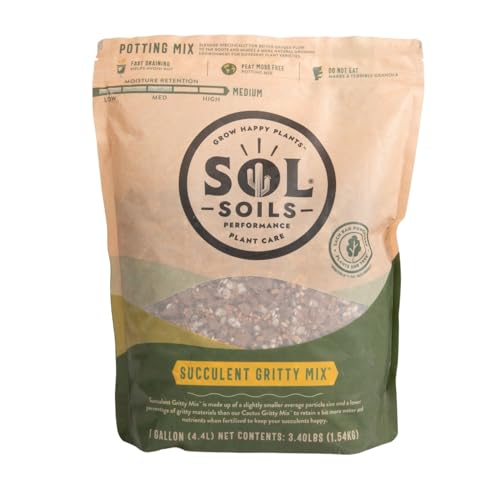
Sol Soils Succulent Gritty Mix 1 Gallon

JayJayup Perlite 4 Quarts (3-6mm)

Legigo 15 Quarts Organic Perlite Soil Amendment

Legigo 20 Quarts Organic Perlite Soil Amendment

Legigo 6 Quarts Organic Perlite Soil Amendment
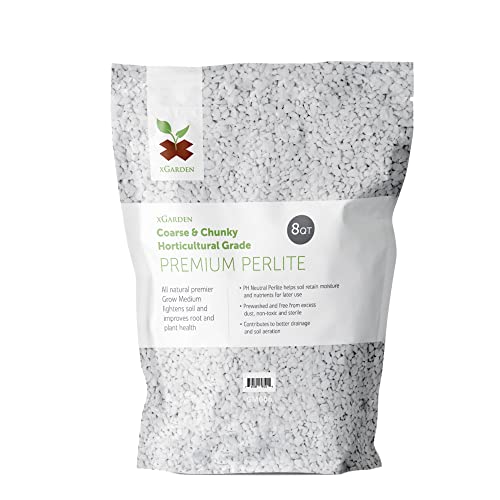
xGarden Horticultural Grade Perlite 8 Quarts
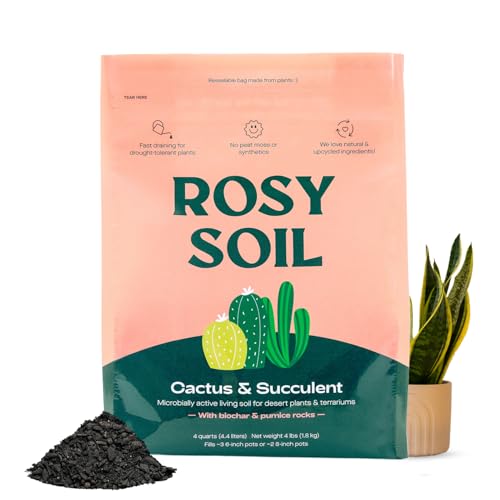
Rosy Soil Cactus & Succulent Potting Mix 4qt

Soil Moist 3-Pound Granules, White

Perfect Plants Snake Plant Soil 4qt
The Details Behind The Selections
When you’re only repotting a single 4-inch string of pearls, a four-quart bag of perlite feels like a sensible size to keep on the shelf. Legigo’s offering is a coarse, evenly graded volcanic glass (perlite is a naturally occurring siliceous rock that’s expanded under heat) that you can fold into a standard cactus mix to bump up the airiness around the plant’s fine, shallow roots. Because it’s pH neutral, it won’t swing your soil’s acidity in either direction as some organic amendments do.
String of pearls growers in dry apartments will likely appreciate how much air this material introduces, and it doubles as a clean top dressing to keep the top of the soil from crusting over. Compared with the bigger Legigo 20-quart bag further down this list, this 4-quart starter is far easier to store in a small closet or under a sink without losing shelf space to bulky soil bags.
Positive Takeaways
- Coarse, uniform particle size creates fast drainage around shallow pearl roots
- pH neutral, so it won’t shift your existing cactus mix’s balance
- Compact 4-quart bag suits a single 4-inch hanger and stores neatly in small homes
- Lightweight enough to lift one-handed when topping off a pot
Things To Consider
- You’ll need to blend it with a base mix; perlite on its own holds almost no nutrients for the plant
- The dust at the bottom of the bag is commonly noted, so a quick rinse through a fine sieve before use keeps cloudy water off your shelf
Right Fit For
Anyone repotting a single 4-inch string of pearls in a small apartment and wanting a manageable bag that won’t sit half-used for two years.
Consider Something Else When
If you’d rather skip the blending step entirely, the Sol Soils Succulent Gritty Mix 1 Gallon comes ready to pour straight into the pot.
For most people growing string of pearls indoors, a ready-to-use gritty blend removes a lot of guesswork. Sol Soils combines perlite, pumice (a porous volcanic rock), coconut coir, and calcined clay, skipping peat entirely. The mix arrives loose and airy, so water flows through almost immediately and the fine pearl roots aren’t sitting in damp organic matter that can break down and compact over time.
If you’ve had pearls die from stem rot after a long winter, that fast drainage is the single biggest upgrade you can make. Where the Legigo perlite picks require you to source and blend a base mix, Sol Soils goes straight from the bag into the pot, which suits first-time owners and busy households who want a clean, one-step solution. The one-gallon volume also covers several small hangers in a single bag.
Where It Delivers
- Ready to use out of the bag, with no extra perlite or pumice to source
- Calcined clay (heat-treated clay granules) and pumice keep the structure stable for years, not months
Points To Note
- It dries out faster than peat-based blends, so a hot windowsill may need a touch more frequent checking during peak summer
Best Suited To
String of pearls growers who want a single bag they can pour directly into a clean, well-draining pot without mixing separate amendments.
Skip It When
If you keep your home very humid or tend to overwater, a peat-free mix like this one will demand more disciplined watering than heavier soils.
One thing that often gets overlooked with perlite is the grade. Fine powdery perlite compacts; chunky perlite that drifts toward gravel stops feeling like soil at all. JayJayup calls out a 3-6mm particle range, which lands in the sweet spot for string of pearls: large enough to keep air pockets open, small enough to still nestle around the thin trailing stems. You get a four-quart bag in each order, which suits a modest indoor collection.
Compared with the unsized Legigo perlite, this one gives you a clear spec to plan your blend against. Mix it roughly two parts to one part cactus soil and you’ll land somewhere most pearl growers consider workable. The pure white granules are also free of organic debris, so you won’t introduce surprise compost chunks into a tightly controlled mix.
Benefits That Matter
- Spec’d 3-6mm grade lands in a useful middle range for fine pearl roots
- Clean, impurity-free granules keep the mix predictable and consistent
- Lightweight bag is easy to carry up stairs or onto a plant shelf
Worth Noting
- Perlite floats, so top-dressed pieces may drift to one side after the first few waterings; pressing them down gently helps
Made For
DIY mix builders who want a clearly graded perlite to blend their own custom substrate for several pearl plants.
Where A Sibling Pick Shines
If you’d rather not blend at all, the Sol Soils Succulent Gritty Mix 1 Gallon arrives pre-mixed and ready to pour.
The 15-quart Legigo bag sits in an awkward middle for some shoppers, but for a small collection of three to five hanging baskets, it’s a useful size. Each bag delivers the same coarse, even volcanic perlite as the 4-quart version, just in a format that doesn’t run dry after a single repot. The neutral pH makes it safe to fold into any cactus or succulent base mix without second-guessing the chemistry.
Where the 4-quart starter is built for a single pot, this one is sized for someone treating a pearl repot as a real project. A common workflow is mixing the entire bag in a clean tub with several bags of cactus soil, then portioning the finished blend into clean pots. Storage is the only trade-off, since a 15-quart bag takes up a corner of a closet or garage.
Notable Gains
- 15-quart volume covers three to five small pearl hangers in one go
- Same neutral, sterile perlite as the smaller Legigo bag for consistency across a collection
Minor Gripes
- Bag size is bulky to store if you only have two or three small plants to repot
Who It Suits Best
String of pearls hobbyists repotting a small group of plants in the same week and wanting enough perlite on hand to blend a consistent mix across the whole batch.
Not Your Match When
If you’re working with a single 4-inch pot, the Legigo 4 Quarts Organic Perlite Soil Amendment is a far more shelf-friendly size.
Twenty quarts is a lot of perlite, but if you keep a full pearl shelf, an outdoor succulent wall, or both, it’s a useful volume to commit to. The 20-quart Legigo is the largest perlite-only option in the lineup, and like the other Legigo sizes it’s a coarse, neutral volcanic glass that won’t introduce surprise fines or color shifts into your blend. Once it lands, you have enough material to mix several batches of cactus soil without rationing.
The honest trade-off is storage. A 20-quart bag needs real space, and a damp garage floor can compromise unused perlite. Most owners pour the bag into a clean lidded tote to keep it dry and dust-free between sessions. Compared with the small 4-quart bag up top, this one is the natural choice for households treating indoor gardening as a regular, ongoing project rather than a one-off repot.
Real Benefits
- Largest perlite volume in the Legigo range covers whole pearl collections
- Coarse, even particles keep drainage reliable across a long repotting session
- pH neutral and sterile, so it won’t introduce surprise chemistry into your base mix
Practical Considerations
- You’ll want a sealed tote or bin to keep the bulk bag dry and dust-free between uses
Perfect Match For
Multi-plant pearl households and small greenhouse owners who mix their own cactus substrate in volume and need perlite on hand year-round.
Reach For A Different Pick When
If you only repot one or two plants a year, the xGarden Horticultural Grade Perlite 8 Quarts is a more manageable bulk size.
The 6-quart Legigo perlite is the “just right” middle child of the range, sized for someone repotting a small handful of pearl strands without committing to a 15-quart monster bag. Coarse, even volcanic particles keep drainage high, and the neutral pH gives first-time growers one less variable to worry about when dialing in their own blend. The smaller footprint also makes it easier to lift, pour, and measure without making a mess on a clean kitchen counter.
For a beginner repotting two or three strands in their first season, this size is a confidence-builder. You use most of the bag, store the rest in a ziplock or small bin, and you don’t end up with a giant half-opened bag of perlite going stale in the back of a closet. Where the 4-quart bag is the “one pot” size, this one is the “small starter collection” size.
Everyday Perks
- 6-quart volume covers two or three small pearl hangers with little leftover
- Same neutral, sterile coarse perlite as the rest of the Legigo range
- Lighter to lift and pour than the 15- or 20-quart bags
Honest Caveats
- You’ll still need a base cactus mix on hand; this is an amendment, not a stand-alone soil
Who Will Love This
First-time string of pearls owners repotting a small starter collection and wanting a perlite size they can actually finish.
Look Elsewhere When
If you’d prefer a complete substrate with no blending at all, the Rosy Soil Cactus & Succulent Potting Mix 4qt is ready to use right out of the bag.
xGarden is one of the longer-running horticultural brands on the platform, and the eight-quart perlite bag has built a quiet following among succulent growers. It’s a coarse and chunky grade aimed at houseplant use, with a particle size that holds open air pockets in a blend for the entire life of the plant. The 32-cup volume lands in a useful middle ground for people running a mixed indoor collection of several succulents plus a few strands of pearls.
For households where string of pearls is one of several houseplants, the same bag doubles for snake plant cuttings, cactus transplants, and tropical foliage that needs lighter texture. Compared with the Legigo range, xGarden leans a touch chunkier, which is helpful in deep pots but may look coarse in a shallow 3-inch pearl basket. Most owners pour some of the bag into a smaller working container and reseal the rest to keep it clean.
Good Reasons To Consider
- Coarse, chunky grade holds open air pockets for years in a deep pot
- 8-quart volume works across a multi-plant household, not just a single species
- Non-toxic and sterile, safe around pets and children in indoor settings
Trade Offs
- Granules may look too coarse for very shallow pearl baskets under 3 inches across
Whose Shelf It Belongs On
Multi-plant households that run string of pearls alongside snake plants, haworthia, and other succulents and want one perlite bag to serve the whole group.
A Better Fit Elsewhere
If your pearls live in a very shallow 3-inch basket, the smaller Legigo 4 Quarts Organic Perlite Soil Amendment is easier to dose in small amounts.
Rosy Soil is built on the idea that most succulent soils are too dense and too rich. Their four-quart blend is a chunky mix that stays loose in the pot, with a high proportion of coarse particles that allow water to pass through quickly while still leaving some organic matter to support a living soil ecosystem. Beneficial fungi, microorganisms, and worm castings come pre-included, which is unusual for a cactus-style mix and gives the roots a friendlier substrate to settle into.
For a showpiece strand of pearls in a clean ceramic pot, this is the pick that gives the most visual upgrade. The chunky texture also looks intentional as a top dress. The honest trade-off is that the blend costs a touch more per quart than a straight perlite bag, and the living components mean it has a real shelf life; older bags tend to compact faster than pure mineral amendments. Use it within a season for the best structure.
Everyday Advantages
- Chunky texture stays loose in the pot and resists compaction better than most peat-based blends
- Includes beneficial microbes and worm castings, which is uncommon in a cactus-style mix
- Ready to use out of the bag, no extra perlite required
Points To Keep In Mind
- Costs more per quart than plain perlite amendments
- Use within a single season, as the living components tend to compact in older bags
Built With In Mind
Showpiece hanging strands of pearls in clean ceramic or terracotta pots where you want the soil itself to look as intentional as the plant.
Swap It Out When
If you’re running a dozen small baskets on a budget, the Legigo 20 Quarts Organic Perlite Soil Amendment is a more economical long-term base.
Soil Moist is a different category from the rest of this list. The granules are water-absorbing polymer crystals designed to soak up moisture during watering and release it slowly into the root zone over the following days. In a typical houseplant context, the material cuts down on watering frequency. For string of pearls, the relevant question is whether you actually want a moisture-buffering ingredient at all, since the plant’s main enemy is too much water.
Used very sparingly, a small pinch of Soil Moist mixed deep into a perlite-heavy blend can help in dry winter indoor air without keeping the top of the pot damp. The trade-off is real: this is the one product in the lineup that can work against you if overused, and it shouldn’t sit near the surface where the fine pearl stems root. Treat it as a precision additive for a hot, dry room rather than a default.
Standout Benefits
- Polymer crystals buffer dry indoor air for plants in heated winter rooms
- Lasts several seasons in the pot without breaking down
Honest Caveats
- Overuse can hold too much moisture around fine pearl roots and invite rot, so dose sparingly and keep granules deep in the pot
The Right Fit
String of pearls owners in hot, dry apartments with forced-air heat who want a small moisture buffer mixed deep into an otherwise gritty blend.
Not Your Match When
If your space is average humidity and you water on a normal schedule, the Sol Soils Succulent Gritty Mix 1 Gallon handles drainage without the polymer trade-off.
Although this mix is sold for snake plants, the underlying brief is similar to string of pearls: a substrate that drains quickly while still holding enough moisture for the plant to access between waterings. Perfect Plants builds the four-quart bag from coconut coir, pine bark, and other natural materials that resist compaction, with a quick-draining structure suited to shallow root systems. For a shallow pearl basket, the texture often works without modification.
Coarser blends with a high pine bark content suit pearl strands that prefer a slightly more organic feel than pure pumice. The honest read is that the bag is more affordable than premium succulent blends, and it’s likely useful for a mixed shelf where pearls sit next to sansevieria. The trade-off is that the coarser bark may stick out visually through a clear decorative pot.
The Case For It
- Coir-and-bark blend drains quickly and resists compaction in shallow pots
- All-natural ingredients suit households avoiding synthetic additives
- Useful across both snake plants and string of pearls in a mixed collection
Practical Considerations
- Pine bark pieces may show through clear or thin-walled decorative pots, which matters for display-focused shelves
Who Should Grab It
Shops running a mixed collection of snake plants and string of pearls who want one bag that covers both with coir-based drainage.
Another Choice May Suit
For a more uniform, showpiece-friendly look in a clean ceramic pot, the Rosy Soil Cactus & Succulent Potting Mix 4qt blends more cleanly with no visible bark.
What To Weigh Before Picking A Substrate
String of pearls is a succulent that lives in shallow pots, so the substrate has to do more than hold the plant upright. Fast drainage, low compaction, and a coarse texture that doesn’t smother the fine root system are the three attributes that matter most. Peat-heavy blends break down within a season, which closes the air gaps the plant depends on, so anything marketed as a “potting mix” with a high brown-fiber content will likely need to be amended with perlite or pumice before use.
Mixing your own blend gives the most control, and a reliable starting ratio is two parts coarse perlite to one part cactus soil, with a small handful of pumice if you have it. Pre-mixed gritty blends like the Sol Soils option skip the math for people who want a single bag they can pour. The honest read is that most pearl deaths come from watering habits rather than soil brand, so the substrate is necessary but not sufficient. A well-draining mix only works in a pot with a drainage hole, and only with a watering schedule that lets the soil dry between drinks.
Key Considerations Across These Picks
Pitfalls Shoppers Hit
The most common mistake is grabbing a bag of standard indoor potting soil because it’s familiar. Those blends are engineered to retain moisture for tropical foliage, which is the opposite of what string of pearls needs, and the fine root system will rot in a matter of weeks. Another trap is trusting “cactus and succulent” labels blindly, since some commercial blends are still heavy on peat and only marginally better than standard mix. The third slip-up is using a decorative pot without a drainage hole, which turns even the best substrate into a soggy trap. Picking a pot with a clear drainage path matters as much as picking the right bag.
Where The Extra Money Goes
Premium blends like the Rosy Soil pick cost more per quart because they include living components, chunky mineral aggregates, and tighter quality control on particle size. For a single showpiece strand in a clean ceramic pot, the upgrade is visible and worth it. For a wall of small pearl baskets, paying that premium on ten bags adds up fast, and a perlite-and-cactus-soil blend you mix yourself gets you 90% of the way there at a fraction of the cost. Spending up makes sense for one or two statement plants, and the savings show up clearly when you’re repotting in volume.
Frequently Asked Questions
How often should I repot string of pearls? Most strands do well with a repot every two to three years, or whenever the roots crowd the pot and water runs straight through without absorbing. Fresh substrate restores the air pockets the plant depends on, so even without a size upgrade, refreshing the soil every couple of seasons helps.
Can I use regular potting soil if I add perlite? You can, though the result is only as good as the ratio and the base mix. A heavy peat-based potting soil needs a lot of perlite to feel gritty, and even then it tends to compact faster than a purpose-built cactus blend. Pre-mixed gritty substrates are usually the safer starting point.
Do I need a drainage hole in the pot? Yes, for the substrate to actually do its job, the pot needs a clear drainage path. A gritty blend in a sealed container behaves the same as a heavy mix in a sealed container, which is to say it stays wet. Drainage is part of the system, not an optional extra.
Is it okay to add fertilizer to the substrate? String of pearls is a light feeder, so a diluted balanced fertilizer once a month during the active growing season is plenty. Over-fertilizing pushes soft, weak growth that’s prone to rot, so a light touch is the safer call.
What size pot should I use for string of pearls? Shallow pots that match the plant’s natural root depth work better than deep containers, since excess soil below the root zone stays wet and invites rot. A pot only an inch wider than the previous one is usually the right upgrade at each repot.
The Takeaway
The substrate you choose sets the ceiling for how healthy your string of pearls can get, and a fast-draining, low-compaction mix is non-negotiable. Pick a ready-to-use gritty blend if you want a one-step solution, or build your own with coarse perlite and a quality cactus base if you keep a larger collection. Match the bag size to the scope of your repot, give the plant a pot with drainage, and water only after the soil has dried through, and the pearls will reward you with full, trailing vines.
