

String of Hearts (Ceropegia woodii) is one of those houseplants that looks fragile, with its trailing chains of little heart-shaped leaves, but the real drama happens underground. Too much moisture around the tubers and the whole vine collapses. Too little airflow in the root zone and rot sneaks in. Picking a mix that drains fast and stays airy is the single biggest decision you’ll make for this plant.
This list rounds up ten well-suited soil options that lean toward the fast-draining, low-moisture end of the spectrum, plus a few chunky aroid mixes worth considering, and even one stray item that doesn’t belong (you’ll see). The goal is to help you find the right starting point whether you’re repotting a mature vine, rooting cuttings in water, or refreshing an old pot.
The Shortlist At A Glance
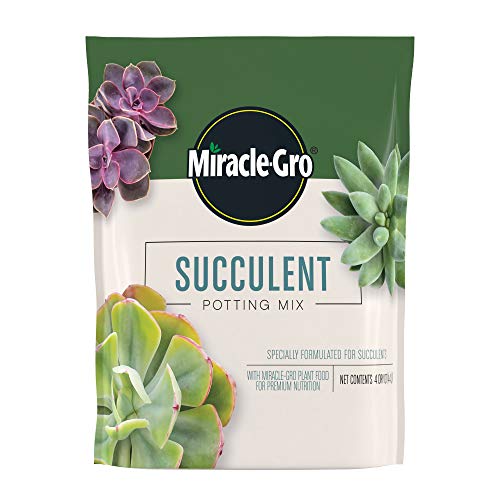
Miracle-Gro Succulent Potting Mix, 4 qt.

Fat Plants San Diego Premium Cacti and Succulent Potting Mix

IvyMay Redwoods Potting Soil Organic Mix for Houseplants
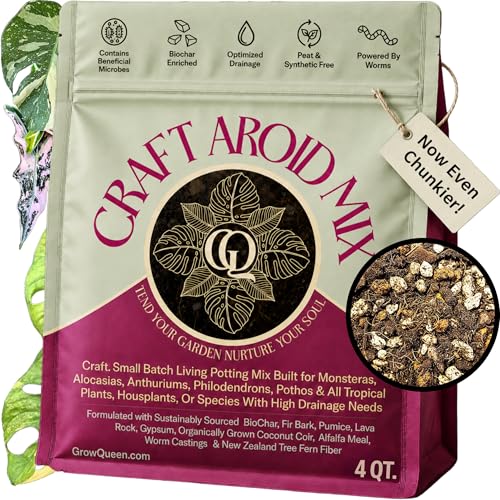
Craft Aroid Potting Mix Organic Chunky Blend for Tropical Plants

Coast of Maine Organic Planting Soil for Acid-Loving Plants 20 qt

Craft Organic Houseplant Potting Mix Chunky Well Draining
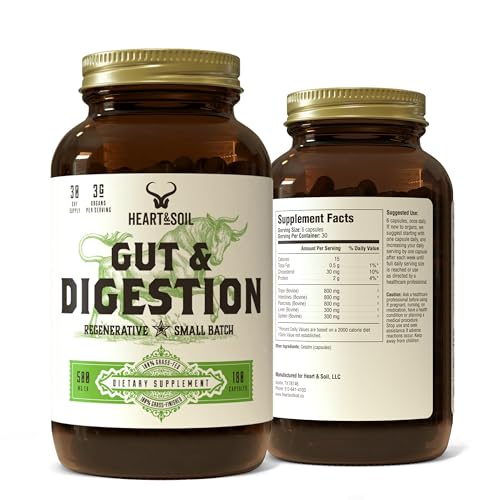
HEART & SOIL Gut & Digestion Supplement 180 Capsules

Espoma Organic Seed Starter Premium Potting Soil Mix 8 qt

Espoma Organic Seed Starter Premium Potting Soil Mix 16 qt

Succulent Cactus Potting Soil Mix 2 qt Quick Drain
More On The Choices That Made The List
If you’re repotting a String of Hearts for the first time and want a familiar starting point, this Miracle-Gro mix sits in the sweet spot of easy to find and forgiving to use. It’s a peat-and-perlite blend designed for cacti and succulents, which matches the same dry-loving root structure that Ceropegia woodii prefers. A 4-quart bag comfortably fills one 8-inch pot, so one bag is usually enough for a single mature vine.
Compared to the chunky aroid blends later in this list, this mix is finer and holds moisture a touch longer. For most home growers that means less guesswork around watering schedules, though you’ll want a pot with a drainage hole.
Bright Spots
- Widely stocked and easy to replace mid-season if you run out
- Pre-blended for succulents, so no measuring or sifting needed
- Light texture keeps tubers from sitting in soggy soil
- Familiar brand takes the stress out of a first repot
Things To Consider
- Bag contents can vary in moisture from batch to batch, so check before potting
- Less chunky than aroid mixes, which means you may want to add perlite for very humid homes
Key Specs
Right Fit For
First-time String of Hearts owners who want a forgiving, no-fuss mix from a recognized brand.
A Better Fit Elsewhere
The Craft Aroid Potting Mix suits growers who want a chunkier, peat-free blend for bigger pots or humid rooms.
This San Diego-based blend comes from a small grower that specializes in arid-climate plants, which is reassuring when you’re potting up a succulent-style vine like String of Hearts. The mix includes a time-release nutrient charge designed to last around eight months, so you can skip supplemental feeding for most of the growing season.
It’s noticeably grittier than the Miracle-Gro bag above, leaning closer to what experienced succulent growers mix by hand. For someone moving their Ceropegia outdoors in summer, that extra drainage is a real plus.
Everyday Wins
- Long-lasting nutrient charge reduces summer feeding chores
- Gritty texture matches the dry native soils Ceropegia evolved in
- Small-batch brand with consistent quality control
Trade Offs
- Bag weight is heavier than peat-based mixes at the same volume
- Nutrients inside may be excessive for cuttings still building roots
- Less widely stocked than national brands
Whose Shelf It Belongs On
Collectors in warm, dry climates who want a soil that mirrors the plant’s native growing conditions.
Consider Something Else When
Fat Plants San Diego is less ideal for tiny starter pots; the Miracle-Gro Succulent Mix handles that scale more gracefully.
IvyMay’s Redwoods blend skips peat, coir, and standard forest soil in favor of sustainably sourced Redwood and Douglas Fir bark. The chunky bark pieces create large air pockets around the root zone, which is a setup that aligns well with how String of Hearts grows in the wild among rocky, well-aerated substrates. Worm castings are mixed in for a gentle nutrient boost.
Compared to the peat-based Miracle-Gro entry above, this mix feels more like the chunky aroid blends favored by serious indoor gardeners. It arrives ready to use straight from the bag, with no additives needed for most houseplants.
Where It Helps
- Peat-free and renewable, good for environmentally minded shoppers
- Bark structure resists compaction over months of watering
- Pre-moistened and ready to use from the bag
- Formulated to reduce root rot risk in moisture-sensitive plants
Honest Caveats
- Bark dries out faster than peat, so watering frequency rises in dry homes
- May need a slightly larger pot to accommodate chunky pieces
Best Suited To
Eco-conscious plant parents with mixed aroid collections who want one bag to cover several species.
Look Elsewhere When
The Coast of Maine Acid-Loving Soil is a smarter call for outdoor Ceropegia beds in mild climates.
Grow Queen’s Craft Aroid Mix is the chunkiest option on this list, aimed squarely at people who like to assemble their own blends or grow aroids that demand aggressive airflow. Marketed for Alocasia, Philodendron, and Monstera, it also happens to suit String of Hearts in any container where airflow matters more than moisture retention.
The blend is peat-free and loaded with organic matter plus worm castings. Pre-moistened out of the bag means you can repot without waiting for the soil to hydrate.
What Earns Its Place
- Extra chunky texture prevents tuber rot in humid rooms
- Sustainably sourced ingredients appeal to eco-minded shoppers
- Pet-friendly ingredient list for homes with curious animals
Some Limits To Know
- 4-quart bag disappears fast in large planters
- Higher price per quart than finer mixes
Feature Snapshot
Who Should Grab It
Custom mixers with multiple aroids who want one versatile base component.
Not Your Match When
Craft Organic Houseplant Potting Mix suits small-space growers looking for a finer alternative.
Coast of Maine’s acid-loving blend is the wildcard entry on this list. It’s a low-pH organic compost designed for rhododendrons, azaleas, and blueberries, so its core job is feeding acid-thriving woody plants. A 20-quart bag is generous, naturally lightweight, and balanced for moisture retention plus drainage.
For indoor String of Hearts in a small pot, the volume is overkill and the pH is wrong for the plant. But for outdoor patio plantings in mild climates, or as an organic soil amendment blended with perlite, it has niche appeal. Worth noting for advanced growers only.
Key Advantages
- OMRI-listed for organic gardening standards
- Lightweight texture is easy to carry and spread in raised beds
- Generous 20-quart bag covers multiple plantings
Where It May Fall Short
- Low pH is a mismatch for Ceropegia’s preferred neutral range
- Bag is larger than most indoor growers need
Made For
Outdoor growers in mild climates experimenting with patio vines or container hedges.
Skip It When
IvyMay Redwoods Potting Soil is the right indoor pick for most collectors.
This is Grow Queen’s houseplant-specific spin on the chunky aroid formula, with the volume dialed down to 2 quarts. It’s pitched as a generic indoor blend that replaces the dusty bag of generic potting soil most people start with, balancing moisture and airflow for roots to breathe.
The smaller bag makes it a smart match for a single String of Hearts vine in a 4- or 6-inch pot, with enough left over for a couple of small cuttings. The chunky texture still gives tubers the breathing room they need.
Benefits That Matter
- Less prone to fungus gnats than finer, peat-heavy mixes
- 2-quart size fits small apartments and single-vine repots
- Peat-free construction supports long-term sustainability goals
- Works across tropicals, succulents, and foliage houseplants alike
Points To Keep In Mind
- Smaller bag means reordering is needed for multi-vine collections
- Dries out quickly in heated winter rooms, raising watering frequency
Who It Suits Best
Apartment dwellers with one or two vines who want a tidy, sustainable bag size.
Another Choice May Suit
The Next Gardener 2 qt Succulent Mix is the better call for ultra-dry homes.
This entry is included as a cautionary marker. The HEART & SOIL brand name sounds like a soil product, and the word “soil” lives right in the title, but the listing is a digestive supplement made from grass-fed beef organs. It has nothing to do with potting mixes, plant care, or Ceropegia woodii.
It’s a useful reminder that keyword matches on a marketplace can lead you to unrelated products. When shopping for String of Hearts soil, double-check the category, the product image, and the listed ingredients before you add anything to your cart.
Positive Takeaways
- Helpful reminder to verify category before checking out
- Reinforces the value of reading product photos, not just titles
Trade-Offs To Consider
- Not a soil, and not relevant to houseplant care
- Easy to overlook in keyword-driven search results
Built With In Mind
Shoppers learning to filter marketplace results by category and ingredient list.
Swap It Out When
Any of the nine other picks on this list are real soil products designed for plants.
Espoma’s seed-starter mix is built for germinating seedlings and rooting cuttings, not for mature houseplants, which is exactly why it earns a place on this list. When you’re propagating String of Hearts from vine cuttings in a shallow tray, the fine texture and the included mycorrhizae (beneficial fungi that help young roots colonize the soil) give new tubers a soft landing.
It’s an 8-quart bag of sphagnum peat moss, peat humus, and perlite, enriched with Espoma’s Myco-tone blend. Skip it for mature vines in pots, but keep it nearby during propagation season.
What Pays Off
- Fine texture welcomes delicate new roots without resistance
- Mycorrhizae blend accelerates early-stage root development
- Trusted Espoma name in organic gardening circles
Practical Considerations
- Holds moisture longer than mature plants prefer
- Not a long-term home for established vines
Who Will Love This
Propagators starting String of Hearts cuttings in trays or nursery pots.
Reach For A Different Pick When
The 16 qt Espoma bag is more efficient for greenhouse-scale propagation work.
Same Espoma recipe as the 8-quart bag above, just doubled in volume. The 16-quart size is the right call if you propagate in waves through spring and summer, or if you share starter soil with friends who also root cuttings. The base ingredients are sphagnum peat moss and perlite, with yucca extract and lime added to balance the pH.
For mature vines this mix stays too damp, but as a propagation medium for String of Hearts tubers and cuttings, the volume savings add up fast.
Reasons It Performs
- Larger bag reduces per-quart cost for prolific propagators
- Same Myco-tone mycorrhizae blend as the smaller sibling
- Consistent Espoma quality across batch runs
Some Limits To Know
- Bulky to store in small apartments between sessions
- Still not appropriate as a long-term potting medium
Quick Facts
Perfect Match For
Greenhouse hobbyists and serious propagators working through stacks of cuttings.
Where A Sibling Pick Shines
The 8-quart Espoma bag is more practical for casual indoor growers.
The Next Gardener’s 2-quart mix closes the list with a fast-draining formulation aimed at succulents, cacti, and bonsai, all plants that share Ceropegia’s drought-tolerant preferences. The bag is small enough to tuck into a kitchen drawer, which is convenient if you’re only repotting a single vine or refreshing one hanging basket.
The resealable bag design is a small touch that makes a real difference if you only use soil occasionally. It keeps the remaining mix dry between sessions, which matters for the perlite-heavy blends this category relies on.
A Few Highlights
- Fast-draining formula matches Ceropegia’s drought-loving tubers
- Resealable bag preserves freshness for occasional repotters
- Compact 2-quart size fits tight storage spaces
- Developed by a working succulent nursery with practical field experience
Worth Bearing In Mind
- Small bag means frequent reorders for multi-plant households
- Lightweight perlite blend may shift in transit, so check the bag on arrival
The Right Fit
Small-space growers keeping one or two String of Hearts vines on a shelf.
Not Your Match When
Fat Plants San Diego is the upgrade choice for collectors wanting richer nutrients.
Choosing The Right Mix For String Of Hearts
String of Hearts grows from small tubers that store water and resent sitting in damp soil. The most important attribute in any mix is drainage, defined as how quickly excess water flows through and exits the pot. Soils high in perlite, pumice, or bark pass water through quickly, while peat-heavy mixes linger longer and hold more moisture around the roots.
The second attribute is aeration, or how much air stays trapped between soil particles. Chunky aroid blends score high here because their bark and perlite pieces leave permanent air pockets. For a hanging basket or a dry apartment, a chunky mix reduces the risk of tuber rot during winter when the plant drinks less.
Match The Mix To Your Environment
Indoor growers with central heating tend to run dry, so a peat-based succulent blend like Miracle-Gro works well because it holds a little extra moisture between waterings. Outdoor patio growers in humid climates need the opposite, leaning toward the grittier blends such as Fat Plants San Diego or the chunky Craft Aroid Mix.
If you’re propagating cuttings, your priorities shift. Fine, moisture-retentive starter mixes like Espoma’s seed-starting blend encourage new roots to form. Once the cuttings show growth, move them into a faster-draining adult mix.
Watch The Bag, Not The Brand
The HEART & SOIL entry on this list is the clearest reminder that keyword shopping can mislead you. Always check the product category, the ingredient list, and at least one photo before buying anything labeled “soil” for houseplants.
Size Matters More Than You Think
A 4-quart bag fills roughly one 8-inch container, so a single mature vine rarely needs more. Buying a 20-quart bag of the wrong formula wastes money and storage space. Smaller 2-quart bags like The Next Gardener’s succulent mix are easier to store and reseal between repots.
What Most Shoppers Miss Before Buying
Mistakes Worth Dodging
Picking a mix designed for tropical foliage plants is the most common slip-up. Those blends retain moisture for roots that drink steadily year-round, which is the opposite of what String of Hearts tubers want. The other frequent miss is grabbing a bag that promises “all-purpose” coverage without checking whether perlite or pumice actually shows up in the ingredient list. Without those, drainage is mediocre at best.
Where The Extra Money Goes
Premium blends like Fat Plants San Diego cost more because they include time-release nutrients and grittier mineral components, which means fewer feedings and less risk of compaction. The chunky aroid mixes like Craft Aroid justify a higher per-quart price through sustainable sourcing and richer organic matter. For most indoor growers with a single vine, the upgrade is rarely necessary, but for collectors with many plants, the time savings add up.
Frequently Asked Questions
Can I Use Regular Potting Soil For String Of Hearts?
Regular potting soil holds too much moisture for this plant’s tubers and typically leads to rot within a few weeks. A succulent or cactus blend with added perlite is a much safer starting point.
How Often Should I Repot String Of Hearts?
Repotting every two to three years refreshes the soil and gives tubers room to expand. The plant actually prefers being slightly root-bound, so don’t rush to upsize the pot each time.
Do I Need To Add Perlite To My Soil Mix?
Most pre-made succulent and cactus blends already include perlite, so check the bag first. If the texture feels fine and sticky when wet, blending in extra perlite at roughly a one-to-three ratio helps.
Can String Of Hearts Grow In Just Perlite?
Vine cuttings root reliably in pure perlite or in a perlite-and-soil blend. Long-term growth still needs organic matter for nutrients, so transplant cuttings into a proper mix once roots establish.
What Pot Size Works Best?
A 4- to 6-inch pot suits a young vine, while a mature plant with multiple tubers thrives in an 8-inch container. Always choose a pot with a drainage hole to prevent water from pooling at the base.
Wrap Up
String of Hearts rewards growers who respect its drought-tolerant nature, and the soil choice sets the tone for everything that follows. A fast-draining mix, a pot with a drainage hole, and a careful watering rhythm are the three ingredients that keep the vines trailing instead of collapsing.
Pick the bag that matches your climate and your collection size, and let the plant tell you what it needs over the next few months.
