

String of turtles (Peperomia prostrata) looks delicate, but the soil beneath it does most of the work. The plant’s tiny, semi-succulent leaves store water, while its fine root network hates sitting in soggy mix. You want a substrate that drains fast, holds just enough moisture, and stays airy enough for oxygen to reach the roots. Get that balance right and the trailing vines keep producing those signature patterned leaves.
This list pulls together ten soils and substrates worth considering, from dedicated bioactive terrarium blends to well-known potting mixes. Each one handles moisture and aeration a little differently, so the right pick depends on your setup, your watering style, and whether your string of turtles lives alone or shares a planter with other tropicals.
Your Options, Compared

Josh’s Frogs ABG Mix Bioactive Terrarium Substrate (4 Quart)
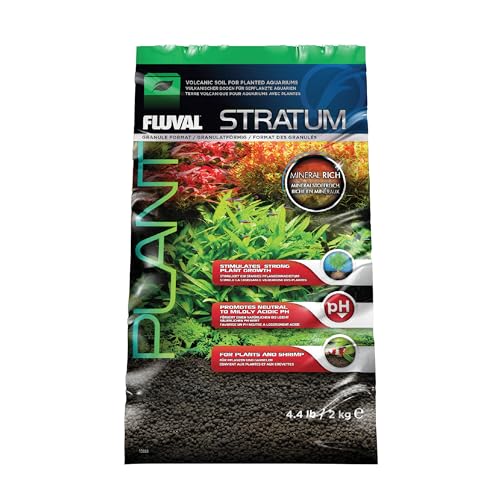
Fluval 12693 Plant and Shrimp Stratum (4.4 lbs.)

Zilla Jungle Mix Terrarium Substrate (8 Quart)

Zoo Med Eco Earth Coconut Fiber (8 Quart, 2-Pack)

ReptiEarth Reptile Bedding Coconut Fiber (12 Quart)

Zoo Med Creatures Creature Soil (1 Quart)

FoxFarm Ocean Forest Potting Soil (12 Quart)

FoxFarm Happy Frog Potting Soil (2 cu ft)

FoxFarm Happy Frog Potting Soil (12 Quart)
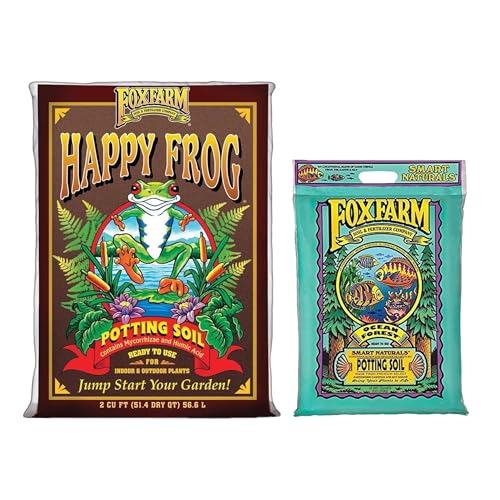
FoxFarm Happy Frog + Ocean Forest Bundle
Taking A Closer Look At The Options
Josh’s Frogs ABG Mix borrows from a recipe originally developed for botanical gardens, which is why it has stuck around in the terrarium world for so long. The blend pairs charcoal, tree fern fiber, sphagnum, and pine bark in roughly even measures, giving string of turtles a mix that drains well yet never goes bone dry. For most indoor shelves, that middle ground matters more than people expect.
The 4-quart bag covers a small to medium terrarium, or several standard 4-inch pots once you mix it with extra perlite. You get the tropical feel without committing to a fully enclosed vivarium setup.
Positive Takeaways
- The recipe has been used in planted vivariums for decades, so it is widely accepted by hobbyists.
- Components break down slowly, meaning the substrate keeps structure over months of watering.
- Charcoal in the blend helps keep odors in check and the root zone a bit fresher.
- Drains quickly enough that soggy roots are a hard mistake to make.
Things To Consider
- At 4 quarts, the bag fills just one or two small terrariums, so larger planters may need multiple bags.
- The dry texture floats briefly during the first watering, so water slowly the first round.
Who It Suits Best
Anyone keeping string of turtles inside a glass terrarium or a humid display case benefits most from this blend’s balance of moisture and air.
Look Elsewhere When
Standard houseplant growers who just need a single bag for a few pots will find the FoxFarm Happy Frog 12 Quart simpler to work with.
Fluval Stratum looks like dark soil but feels closer to pumice. Each grain is porous, which means water moves through it quickly yet pockets of moisture cling to the surface long enough for fine roots to drink. For string of turtles grown in a humid cabinet or semi-hydroponic setup, that behavior is exactly what you want.
Unlike the ABG mix covered earlier, this one is mineral rather than organic, so it does not break down over time. You may find it holds structure for years, which is helpful for anyone who hates annual repotting.
Standout Benefits
- The porous structure pulls nutrients into the root zone instead of letting them wash past.
- Light enough that small root systems can push through without resistance.
- Slowly buffers water chemistry, useful in planted tanks and humid jars alike.
- Does not compact, so the air pockets string of turtles craves stay intact.
Worth Noting
- The dark volcanic dust can stain pots and trays during the first few waterings.
- It is a specialty substrate, so reusing it for general houseplants feels wasteful.
Key Specs
Made For
Plant owners who run humid grow tents or semi-hydro setups benefit most from this stratum’s mineral structure.
Swap It Out When
Traditional pot growers on a budget will get more value out of Zoo Med Eco Earth Coconut Fiber.
Zilla Jungle Mix leans into humidity. The blend is mostly sphagnum peat moss and fir shavings, both of which absorb water like a sponge and then release it slowly into the surrounding air. For string of turtles tucked into a closed terrarium, that slow release keeps the microclimate stable between mistings.
The 8-quart bag gives you room to fill a 20-gallon enclosure or several smaller bowls. Compared to the ABG mix, this one stays wetter longer, so you may end up watering less often.
Where It Delivers
- High absorbency keeps humidity steady without daily spraying.
- Fir shavings add loose texture that resists compaction in deeper layers.
- Organic composition feels natural inside tropical-themed displays.
- Generous bag size covers multiple enclosures.
Honest Caveats
- Stays wet longer than most tropical mixes, so overeager waterers may need to ease up.
- Fir shavings break down faster than bark, so a top-up every year or so is common.
Best Suited To
Enclosure builders running tropical vivariums with frogs or geckos alongside string of turtles get the most out of this humidity-friendly mix.
A Better Fit Elsewhere
Open-shelf growers in dry rooms will find FoxFarm Happy Frog Potting Soil easier to manage.
Eco Earth is the substrate most hobbyists meet first, and for good reason. It is pure coconut husk fiber with nothing else added, sold in a compressed or loose form that fluffs up once you add water. For string of turtles, that means you control exactly how loose or dense the final mix ends up.
The 2-pack gives eight quarts per bag, so you have enough for a few repottings or one generous planter. Where the ABG mix above brings charcoal and bark, this one is a blank canvas you can tailor with perlite, orchid bark, or pumice.
What Makes Sense
- Pure coconut fiber has no added fertilizers, so you decide what goes in.
- Absorbs odor and waste, which helps in enclosed terrariums.
- Mixes cleanly with perlite and bark for a custom tropical blend.
- The two-pack offers a longer runway for multiple projects.
Trade Offs
- Pure coco fiber holds a lot of water, so most setups need perlite mixed in to prevent sogginess.
- Low in nutrients on its own, meaning you will fertilize more often than with amended mixes.
Right Fit For
DIY mixers who want to build their own tropical blend from scratch get the most flexibility from this fiber.
Reach For A Different Pick When
Anyone wanting a ready-to-go formula should consider FoxFarm Happy Frog Potting Soil instead.
ReptiEarth markets itself as a low-dust coconut blend, which matters more than people realize. Many coco fiber products shed fine particles that settle on leaves or irritate lungs during pouring. This one leans on a mix of micro and small-strand fibers to keep dust down and texture consistent.
For string of turtles, that fluffiness gives roots an easy path without leaving them swimming in water. Compared to Eco Earth, this blend feels softer in the hand and a touch more uniform.
Where It Excels
- Low-dust formula keeps leaves cleaner and handling easier.
- Resists compaction, so air pockets last longer between repots.
- Ready to use straight from the bag with no rinsing required.
- Generous 12-quart volume covers bigger planters in one go.
Points To Keep In Mind
- Fluffy texture can shift around in shallow pots, so deeper containers work better.
- Still mostly coco fiber, so mixing in perlite helps in dry rooms.
Perfect Match For
Anyone sensitive to dust or working in poorly ventilated rooms will appreciate this low-shed formula.
Where Another Pick Suits Better
Enclosure builders who want bark and charcoal built in should look back at Josh’s Frogs ABG Mix.
Creature Soil is a tight little blend of peat moss, sand, soil, and activated carbon, sold in a one-quart bag. For a small string of turtles in a 3-inch pot, that is plenty. The carbon quietly manages odor and the sand adds grit that keeps the mix from compacting around the fine roots.
You won’t find bark or perlite in the bag, so the texture is finer than the larger blends on this list. That’s a feature in miniature planters, where chunky bits tend to look out of scale.
Useful Strengths
- Compact size works well for desktop and shelf-size pots.
- Carbon in the blend helps keep the root zone fresh.
- Sand component improves drainage in small containers.
- Encourages natural burrowing for any invertebrates sharing the planter.
Possible Compromises
- One quart is a small volume, so multiple pots quickly run the bag dry.
- No chunky components, so larger planters may need a bigger substrate.
Whose Shelf It Belongs On
Office desks and nightstands where string of turtles grows in a single small pot are where this little bag shines.
Skip It When
Anyone with several large planters should reach for FoxFarm Happy Frog Potting Soil in the 2 cu ft size instead.
Ocean Forest leans into rich, dark potting mix territory. Aged forest products, sphagnum peat, sandy loam, and a short list of meals and castings give it a darker color and a softer feel than most tropical substrates. For string of turtles, that means slower drainage than a coco blend, so most growers cut it with perlite.
The 12-quart bag is the right size for a few medium pots or one large planter, and it ships ready to use. Unlike Zilla Jungle Mix earlier, this one aims at container gardening more than enclosed terrariums.
Why It Works Well
- Earthworm castings and meals provide a slow-release nutrient base.
- Light, aerated texture works for seedlings and established plants alike.
- pH is balanced for most container-friendly tropicals.
- Sandy loam keeps the mix from feeling heavy in deep pots.
A Few Limitations
- Holds more moisture than pure tropical mixes, so perlite is a smart addition for string of turtles.
- Not designed for bioactive vivariums, so charcoal and bark fans may want to amend.
Feature Snapshot
Who Will Love This
Container gardeners who want one bag to handle multiple houseplants without buying separate soils will get the most from Ocean Forest.
Consider Something Else When
Terrarium builders after a tidy, no-amendment mix should head back to Josh’s Frogs ABG Mix Bioactive Terrarium Substrate.
Happy Frog is the workhorse of the FoxFarm line. The 2 cu ft bag is the size you grab when you have a shelf of plants to repot or a large floor planter that needs filling in one go. Earthworm castings and aged forest products give the mix a richer feel than plain peat, while still staying light enough for tropicals.
For string of turtles, treat it like Ocean Forest above and consider blending with extra perlite if your room runs dry rather than humid. The big bag gives you room to experiment.
Notable Gains
- Large volume suits serious collections or repeated repottings.
- Amended with earthworm castings for a steady nutrient base.
- Loose texture supports healthy root growth in pots of any size.
- No cheap fillers, so the mix feels consistent throughout the bag.
Small Caveats
- Heavier and richer than true tropical mixes, so amending with perlite is wise.
- The 2 cu ft bag is bulky to store in small apartments.
Built With In Mind
Plant parents managing a dozen or more houseplants find the volume and quality hard to beat.
Not Your Match When
Anyone with just one small string of turtles may do better with Zoo Med Creatures Creature Soil in its compact 1-quart bag.
The 12-quart Happy Frog is the same blend as the larger bag above, just in a friendlier size for new plant owners. It arrives ready to use, with soil microbes, earthworm castings, bat guano, and aged forest products already mixed in. You scoop, you pot, you water.
For first-time string of turtles owners, that simplicity has real value. Skip the perlite mixing, skip the fertilizer guesswork, and focus on light and watering while the microbes settle in.
Key Advantages
- Ready-to-use format removes the guesswork for new growers.
- Built-in soil microbes support root efficiency out of the bag.
- Balanced nutrient blend reduces the need for early fertilizing.
- Mid-size bag fits neatly on most shelves and in closets.
Potential Drawbacks
- Not formulated specifically for tropicals, so drainage depends on pot choice.
- Nutrients deplete over months, so a light feeding routine develops later.
Who Should Grab It
Beginners who want a no-fuss first bag for a small string of turtles will find this format approachable.
A Better Fit Elsewhere
Collectors managing many plants may find the larger FoxFarm Happy Frog 2 cu ft bag a stronger long-term value.
This bundle ships both the 2 cu ft Happy Frog and the 12-quart Ocean Forest together, which works well if you keep a mix of foliage plants and tropicals. Use Ocean Forest for hungry container tropicals, and Happy Frog for steady-feeding houseplants like string of turtles.
For most households, having two complementary blends on hand removes the “which bag do I open” problem on potting day. Compared to buying them separately, the bundle usually costs less and ships in one delivery.
What Earns Its Place
- Two blends cover most houseplant situations in one order.
- Complementary nutrient profiles reduce the need for separate amendments.
- Both blends are ready to use, saving prep time on potting day.
- Simplifies restocking for mixed plant collections.
Soft Spots
- Neither blend is specifically tropical, so perlite additions still help string of turtles.
- The bundle size is heavy, so plan your storage space ahead of delivery.
The Right Fit
Plant owners juggling a mixed collection of tropicals and foliage houseplants benefit from having both blends ready.
Another Choice May Suit
Terrarium-focused growers are better served by Josh’s Frogs ABG Mix Bioactive Terrarium Substrate on its own.
Matching Soil To Your String Of Turtles Setup
Picking a substrate for string of turtles comes down to a few traits that matter more than brand recognition. Drainage sits at the top of the list because the plant’s semi-succulent leaves forgive the occasional dry stretch far more easily than they forgive wet feet. Aeration ranks next, since the fine root system needs oxygen to keep pushing new growth. Moisture retention is a balancing act: enough to keep humidity steady, not so much that the mix turns swampy after a week.
Reading The Bag Before You Buy
Most substrates list a few key ingredients on the packaging, and those tell you almost everything. Coconut coir, sphagnum peat, and orchid bark hold moisture while keeping the mix airy. Perlite, pumice, and charcoal speed drainage and pull the mix away from a soggy state. Sandy loam or fine sand helps in shallow pots where water tends to pool. If a bag leans heavily on peat without drainage agents, plan to amend.
Matching Soil To Environment
Humid rooms and enclosed cabinets reward moisture-retentive blends like Josh’s Frogs ABG Mix or Zilla Jungle Mix, since the air already slows evaporation. Dry, heated apartments push the choice toward chunkier mixes with perlite or pumice, such as the FoxFarm blends cut with extra grit. Terrariums with active cleanup crews benefit from charcoal-heavy mixes that manage odor naturally.
Volume And Reuse Considerations
A 4-quart bag fills a small terrarium or two 4-inch pots. A 12-quart bag covers several medium planters, while the 2 cu ft size handles big floor planters or full restocks. Coco-based substrates break down slowly, so you can sometimes reuse them across seasons after refreshing the top layer.
Key Considerations Across These Picks
Common Shopping Slip Ups
Most first-time buyers reach for any bag labeled “potting soil” and stop there, which usually means a mix that stays too wet for string of turtles. The plant wants drainage, so reading for perlite, pumice, or bark on the label saves trouble later. Another common miss is ignoring pot size. A fine-grained blend works in a small pot but packs down badly in a deep one, so match the texture to the container as well as the plant.
What The Higher Tier Buys
The pricier blends on this list usually add charcoal, beneficial microbes, or organic meals that you would otherwise buy separately. For a single small string of turtles, those extras may not matter much, but for a full shelf or a bioactive setup, they reduce the need for frequent amendments. Paying a bit more up front typically pays off in longer intervals between repotting and fewer fertilizer rounds later.
Frequently Asked Questions
Can I use regular potting soil for string of turtles? Standard houseplant potting soil works in a pinch, but it usually holds too much water for string of turtles. Cutting it with perlite or orchid bark at a one-to-one ratio brings the drainage closer to what the plant prefers.
Do I need to add perlite to these mixes? Most tropical blends benefit from extra perlite, especially in dry rooms. A 1:1 ratio of perlite to substrate gives fine roots the air they need without sacrificing moisture control.
How often should I repot string of turtles? Repotting every two to three years keeps the substrate fresh and prevents compaction. The plant’s small root system rarely needs a bigger pot, so refreshing the mix is usually enough.
Is coco fiber safe for string of turtles? Pure coco fiber is safe and widely used, though it holds more water than many tropical blends. Mixing it with perlite or bark prevents the soggy conditions that string of turtles dislikes.
Do I need fertilizer if I use an amended mix? Amended mixes like the FoxFarm blends feed the plant for several months. A light, balanced fertilizer applied during the active growing season covers the rest without overwhelming the fine roots.
Bottom Line
String of turtles rewards a substrate that drains well, breathes freely, and stays lightly moist without staying wet. The right pick depends on your environment: humid cabinets lean toward ABG or Jungle Mix, while dry living spaces do better with amended potting soils cut with perlite. Match the bag to your pot, your room, and your watering habits, and the plant will reward you with steady, patterned growth.
