

You bought a gorgeous echeveria at the garden center, repotted it into a cute ceramic container, watered it the way the nursery suggested, and watched it turn to mush within a month. The culprit was almost certainly the soil: standard houseplant mix holds water around the roots far longer than succulents tolerate, and in a pot without aggressive drainage that combination becomes a slow rot. The right growing medium is chunky, fast-draining, and built around mineral content rather than moisture retention. Whether you’re repotting a single jade plant or refreshing a windowsill full of haworthias, the ten products below cover the bases, from ready-to-use cactus blends to soil amendments you mix into existing substrates.
An Overview Of The Picks

ZeeDix 3QT Coarse Perlite for Plants

MODELLOR Coco Coir Bricks, 4-Pack

FoxFarm Ocean Forest Potting Soil, 1.5 cu ft
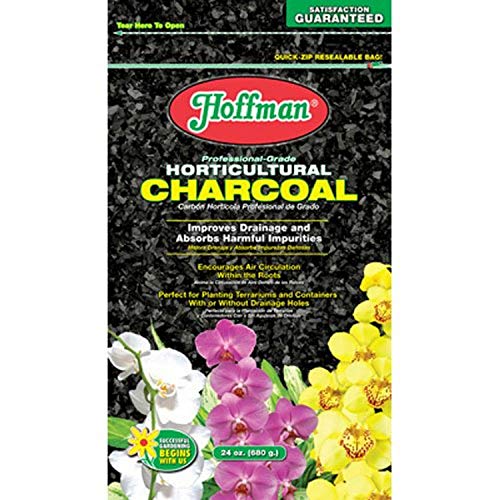
Hoffman 17502 Charcoal Soil Conditioner, 24-Ounce
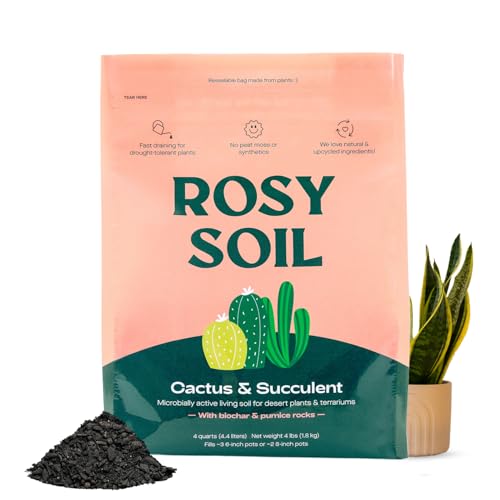
Rosy Soil Cactus & Succulent Potting Mix, 4 Quarts

Rosy Soil Houseplant Potting Soil, Organic Indoor Mix

Rosy Soil Aroid Soil Mix, Chunky Biochar Potting Mix

ZeeDix 3QT Tropical Potting Mix
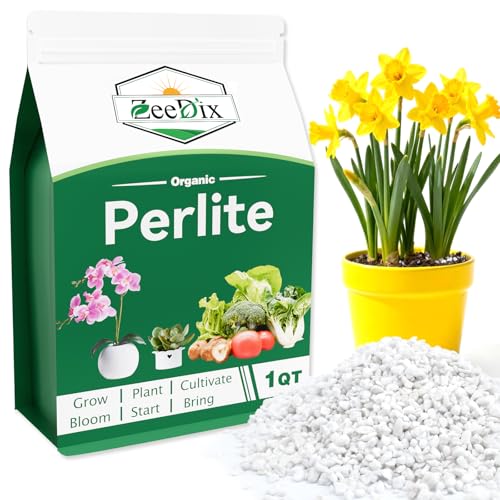
ZeeDix 1QT Coarse Perlite for Plants

ZeeDix 1QT Tropical Potting Mix for Plants
The Picks, Examined More Closely
Perlite is the white, pebble-like volcanic glass you see in almost every commercial potting mix, and for succulent growers it earns its place by keeping soil from compacting around tender roots. ZeeDix offers a 3-quart bag of coarse-grade perlite sized roughly 3–9mm, which lands in the range that drains aggressively without disappearing into the bottom of the pot too quickly. You don’t use it on its own for succulents; it’s an amendment that you blend into peat, coir, or cactus mix at roughly a one-to-one ratio to open up the structure.
For anyone building a custom blend, perlite is the cheapest single upgrade you can make. It weighs almost nothing, so a single bag stretches across many small pots on a sunny windowsill.
The Value In It
- Coarse 3–9mm sizing prevents the dust-fine particles that compact and defeat the purpose of mixing it in.
- Lightweight bag is easy to carry from a balcony or garage workspace without straining your back.
- Blend at roughly 50% perlite to 50% organic base for a forgiving succulent mix in most climates.
- Versatile across orchids, herbs, and vegetables when you want the same airy drainage profile.
Things To Consider
- The dust when pouring is real; wetting the perlite lightly before mixing keeps the white powder down.
- Perlite alone holds almost no nutrients, so you’ll need a separate feeding routine.
- Over time, the particles can float to the top of the pot when you water from above.
Key Product Details
Made For
DIY mixers building custom blends for a windowsill collection of small succulents.
Consider Something Else When
You want a ready-to-use blend without measuring and stirring; the Rosy Soil Cactus and Succulent Potting Mix arrives pre-balanced.
Coco coir is the fibrous husks of coconuts, processed into a peat-like growing medium that holds moisture without becoming waterlogged. The MODELLOR bricks arrive compressed into 5 pounds of dry material across four packs, then expand to roughly 9 gallons once you add water. The triple-washed, low-EC (low electrical conductivity, meaning fewer residual salts) processing matters for succulents because unrefined coir carries salts that burn sensitive roots over time.
For apartment growers short on closet space, the compressed format is a genuine win. You store four small bricks on a shelf and only hydrate what you need today.
Key Advantages
- pH-balanced growing medium suits the slightly acidic range most succulents tolerate.
- Expands to 9 gallons, enough for many small to medium pots across a repotting session.
- Compact bricks save significant storage space compared to bagged soil.
- Renewable coconut husk source fits organic-leaning gardening routines.
Worth Noting
- Coir alone retains too much moisture for direct succulent use; you must blend with perlite or pumice.
- Hydration takes planning, since the bricks need soaking time before they fluff into usable medium.
Right Fit For
Apartment dwellers who want shelf-stable growing medium on hand without dedicating closet real estate to bulky bags.
A Better Fit Elsewhere
You’d rather skip the soaking step and open a bag; ZeeDix 3QT Coarse Perlite pairs with any bagged base you already own.
FoxFarm’s Ocean Forest sits in the middle of the spectrum: richer than a pure cactus blend but lighter and more aerated than a standard houseplant mix. The 1.5 cubic foot bag covers a meaningful repotting session, and the ready-to-use texture means you can pot up plants directly from the bag without mixing. The blend pulls from earthworm castings, fish meal, and crab meal alongside forest humus, which feeds plants slowly over weeks rather than dumping nutrients all at once.
For most indoor succulents in pots with drainage holes, this works as-is. For plants in containers without holes, or for moisture-sensitive varieties like lithops, you’ll want to cut it heavily with perlite or pumice.
Positive Takeaways
- Light, aerated texture prevents the dense compaction common in cheaper bagged soils.
- Slow-release organic feeding reduces the urgency of sticking to a strict fertilizer schedule.
- Generous 1.5 cubic foot volume suits mid-sized container gardens and multiple repottings.
- Ready to use straight from the bag for gardeners who don’t want to blend amendments.
Trade Offs
- Richer nutrient profile than most succulents need, which can cause stretching in low-light conditions.
- Not a dedicated cactus mix, so moisture-sensitive varieties may want extra perlite mixed in.
Best Suited To
Container gardeners who want a versatile, nutrient-rich base that handles both succulents and leafy tropicals.
Skip It When
You keep finicky succulents like lithops or split-rock plants that need the grittiest possible blend; the Rosy Soil Cactus and Succulent Potting Mix is purpose-built for that crowd.
Horticultural charcoal, also called biochar when used in soil, is a porous form of carbon that absorbs impurities and excess moisture around roots. Hoffman’s 24-ounce jar is a small-format amendment that you sprinkle into a custom blend at roughly 5–10% of the total volume. The porous structure also keeps the soil from developing sour, anaerobic smells in pots that stay damp longer than they should.
Charcoal is the unsung ingredient in many high-end succulent mixes. It’s not essential, but it noticeably improves drainage and freshens the root zone over months of use.
Positive Points
- Porous structure helps excess moisture drain away and reduces water-logging risk.
- Natural filtration absorbs impurities, creating a cleaner root environment over time.
- Small jar format fits on a potting bench without dominating your workspace.
- Encourages air circulation around roots, helpful in tight ceramic containers.
Points To Keep In Mind
- A 24-ounce jar is supplemental, not a complete medium, so you’ll still need a base soil or coir to fill the pots.
- Charcoal can stain fingers and towels dark gray during mixing, so plan your workspace accordingly.
Feature Snapshot
Who It Suits Best
Detail-oriented mixers who want to fine-tune drainage and root-zone freshness in containers that stay slightly damp.
Look Elsewhere When
You’d rather have everything pre-combined; the ZeeDix 3QT Tropical Potting Mix arrives ready to scoop without measuring charcoal.
This is the blend most serious succulent keepers reach for first. Rosy Soil’s cactus mix is genuinely chunky, with pine bark, pumice, and biochar creating the kind of loose, airy structure that drains within seconds after watering. The “living soil” angle means the blend includes beneficial fungi, microorganisms, and worm castings that help roots process nutrients without overwhelming delicate succulents with salts.
Compared to the FoxFarm Ocean Forest reviewed earlier, this is purpose-built for the job rather than adapted. Where Ocean Forest works for many plants, this one is designed for the specific drainage profile succulents need.
Noteworthy Benefits
- Chunky texture stays loose over months, avoiding the soggy pot syndrome that kills succulents.
- Living microbiology supports root health without forcing you to maintain a fertilizer schedule.
- Ready to use from the bag for gardeners who want results without measuring perlite ratios.
- 4-quart bag covers a meaningful collection of small to medium pots.
- Drains fast even in containers without perfect drainage holes.
Honest Caveats
- More expensive per quart than DIY blends built around bulk perlite and coir.
- The chunky texture can shift in shallow pots, leaving top-dressing material exposed over time.
Quick Facts
Perfect Match For
Succulent hobbyists with a few prized echeverias, haworthias, or sedums who want the right texture without blending.
Not Your Match When
You keep a large collection of tropical aroids too; the Rosy Soil Aroid Soil Mix is tuned for monsteras and philodendrons rather than desert plants.
Rosy Soil’s houseplant blend is technically for general indoor greenery, but the peat-free ingredient list (biochar, worm castings, mycorrhizae, compost, and bark fines) makes it relevant for succulent growers who want organic inputs. Mycorrhizae are beneficial fungi that form partnerships with plant roots, helping them draw water and nutrients from the surrounding medium. For succulents, you’ll still want to cut this blend with extra perlite or pumice, but the organic base makes a stronger foundation than a standard peat-heavy mix.
The honest read is that this sits in the middle ground between a rich houseplant mix and a true cactus blend. Forgiving for beginners, but not the most aggressive drainer on the list.
Where It Helps
- Peat-free formulation suits gardeners avoiding peat harvesting for sustainability reasons.
- Mycorrhizal fungi support root development over the long term.
- Organic compost feeds gently without forcing a strict fertilizer routine.
Soft Spots
- Holds more moisture than a true cactus mix, so plan to add perlite for moisture-sensitive varieties.
- 4-quart bag runs out quickly on larger container collections.
Whose Shelf It Belongs On
Organic-leaning gardeners repotting a mixed collection of leafy houseplants alongside less demanding succulents.
Swap It Out When
You keep mostly cacti and succulents; the Rosy Soil Cactus and Succulent Potting Mix is grittier and purpose-built.
Aroid mixes target a different audience: tropical plants like monsteras, philodendrons, and anthuriums that evolved clinging to tree bark in rainforest canopies. Pine bark fines, pumice, and biochar create a coarse, airy texture that mimics that natural environment. If your collection leans tropical with a few succulents on the side, this blend is worth considering for the rainforest crowd specifically.
It’s not a swap-in for the cactus blend. Succulents in this mix tend to stay wet longer than they like, particularly in lower indoor light.
Strengths Worth Knowing
- Bark-heavy texture encourages the aerial root development monsteras and philodendrons need.
- Biochar component helps filter the root zone and supports beneficial microbe activity.
- Drains quickly enough to keep even moisture-loving aroids from sitting in soggy soil.
- Pre-blended convenience saves you from sourcing bark, perlite, and charcoal separately.
Some Limits To Know
- Designed for tropicals, so succulents in this mix may stay too moist between waterings.
- Bark chunks can look unfinished in decorative containers without top dressing.
Who Should Grab It
Tropical plant parents repotting monsteras, philodendrons, or pothos into a chunky, well-draining medium.
Another Choice May Suit
Your collection skews desert-loving; Rosy Soil Cactus and Succulent Potting Mix is grittier and better suited to succulents.
ZeeDix’s tropical mix is marketed for monsteras, pothos, philodendrons, and ferns, but the 5-in-1 pre-blended format works for anyone who wants a single bag to handle most of the indoor collection. The blend arrives ready to use without measuring, and the 3-quart volume suits a single mid-sized repotting rather than a full collection overhaul.
For succulents in pots, treat this as a base to amend with extra perlite if your plants lean moisture-sensitive. The convenience of a single bag still saves time on smaller jobs.
Good Reasons To Consider
- Pre-mixed 5-in-1 format removes any measuring or blending work.
- Designed for the tropical plants most indoor gardeners keep alongside succulents.
- Ready to use straight from the bag, with no preparation steps.
- 3-quart size suits single small to medium repotting sessions.
Practical Considerations
- Not specifically tuned for succulents, so plan to add perlite for desert varieties.
- 3-quart bag runs short for larger collections or multiple simultaneous repottings.
Who Will Love This
Convenience-focused repotting projects where you want a single bag that handles multiple plant types without extra steps.
Reach For A Different Pick When
You keep mostly cacti and succulents; the Rosy Soil Cactus and Succulent Potting Mix arrives purpose-built for that crowd.
The 1-quart version of ZeeDix’s coarse perlite covers a smaller job: one or two small pots, a single terrarium, or a trial run before committing to a bigger bag. Same 3–9mm coarse grade as the larger pack, just in a portion that fits a small workspace. If you’ve never amended your own mix before, this is a low-commitment way to try it.
Compared to the 3-quart bag reviewed earlier, the smaller volume trades some economy for less waste if you only have a handful of pots.
Well-Handled Touches
- Same coarse 3–9mm grade as the larger bag, sized to prevent compaction.
- 1-quart volume suits small collections or single-pot amendments.
- Lower commitment for gardeners new to DIY blending.
Small Caveats
- Runs out fast on anything beyond a couple of small pots.
- Per quart, the smaller bag often costs more than the larger format.
Right Fit For
Beginners with a single windowsill plant who want to test perlite without committing to a 3-quart bag.
Where A Sibling Pick Shines
You have several pots to amend at once; the ZeeDix 3QT Coarse Perlite offers better per-quart value.
The smallest volume of ZeeDix’s tropical mix lands at 1 quart, sized for one small pot or a single repotting. Same 5-in-1 pre-blended convenience as the 3-quart version, just in a beginner-friendly portion. For someone buying their first succulent at a hardware store and repotting it the same afternoon, this is the easiest entry point on the list.
For anything beyond a single small pot, you’ll outgrow the bag quickly. Treat it as a starting point rather than a long-term supply.
The Helpful Details
- Tiny 1-quart volume suits a single small plant without long-term storage concerns.
- Ready to use from the bag with no measuring or blending required.
- Low-cost entry point for someone repotting their first succulent.
- Works across tropicals, herbs, and small succulents with minor amendments.
Minor Gripes
- Runs out after a single 4-inch pot in most cases.
- Not specifically formulated for succulents, so moisture-sensitive varieties may want extra perlite.
Product Snapshot
Best Suited To
First-time succulent owners repotting a single small plant from its nursery pot.
Look Elsewhere When
You have more than one or two pots to fill; the ZeeDix 3QT Tropical Potting Mix stretches further for the same prep work.
Choosing The Right Mix For Container-Grown Succulents
Start with drainage, because that is the variable that determines whether your succulents survive the season. A good mix lets water flow through quickly and then dries out within a few days, never staying soggy around the roots. Particle size matters more than most beginners realize: coarse perlite, pumice, and bark chunks create air pockets that fine peat compacts and removes.
Texture is the next checkpoint. Pick up a handful of the mix you’re considering. It should feel loose and gritty, almost like coffee grounds mixed with small pebbles, rather than dense and spongy. Dense mixes suffocate succulent roots over time, even if they drain fast initially.
Then weigh how you actually water. Watering-from-the-top gardeners can use chunkier blends because the water moves through quickly. Self-watering pots or planters without drainage holes demand even grittier mixes, often with extra perlite or charcoal added, because there’s no margin for holding moisture at the bottom.
Finally, consider how much maintenance you want. Ready-made cactus blends save measuring time and suit most varieties. Custom blends built around perlite and coir give you control but require more work each repotting. Both approaches can succeed; the right one matches how you like to garden.
Things Worth Knowing Before You Buy
Where Shoppers Go Wrong
The most common slip is grabbing a standard houseplant or garden soil and expecting it to work for succulents. Those mixes hold moisture for weeks, and within a month you’ll see yellowing leaves and mushy stems. The fix is simple: skip anything labeled “all-purpose” or “moisture-retaining” and look for blends with bark, pumice, or perlite prominently listed.
Another trap is overpotting. Putting a small succulent into a large container means the soil stays wet longer than the small root system can absorb, creating the perfect conditions for rot. Match the pot to the root ball, then upgrade gradually as the plant grows.
When Paying More Pays Off
Premium blends like Rosy Soil’s cactus mix cost more per quart than DIY perlite-and-coir combinations, and the price difference reflects ingredient sourcing, blending precision, and added microbiology. The upgrade is worth it when you’re repotting rare or expensive succulents where a failed batch costs more than the soil savings. For a windowsill collection of common varieties, the DIY route delivers the same drainage profile at a fraction of the cost.
The other scenario where spending up makes sense: small pots in low light. Lower light means slower drying, and a chunkier premium blend forgives that environment better than a budget mix that compacts within a few waterings.
Frequently Asked Questions
How Often Should I Repot Succulents In Pots?
Most succulents benefit from fresh soil every two to three years, even if they don’t need a larger pot. The organic components break down over time, compacting the mix and reducing drainage, so refreshing the soil restores airflow around the roots.
Can I Use Regular Garden Soil For Succulents?
Garden soil is too dense for container succulents and tends to compact quickly in pots, suffocating roots. Stick with blends specifically formulated for containers, and amend further with perlite or pumice if the mix feels heavy in your hand.
Do Succulents Need Drainage Holes In Their Pots?
Drainage holes are strongly preferred because they let excess water escape rather than pooling at the bottom. Pots without holes require grittier mixes and more careful watering to compensate, since there’s no safety margin for overenthusiastic watering.
What’s The Difference Between Perlite And Pumice?
Both are porous volcanic materials that improve drainage, but perlite is superheated and expanded into lightweight white particles, while pumice is a naturally porous rock that’s heavier and grittier. Pumice tends to stay mixed into the soil better over time, while perlite can float to the surface with overhead watering.
Should I Add Sand To My Succulent Mix?
Horticultural coarse sand can improve drainage, but fine play sand or beach sand tends to compact and do more harm than good. Stick with coarse perlite, pumice, or actual grit if you want mineral drainage without compaction risk.
Closing Remarks
The right soil turns succulent care from a guessing game into a reliable routine. Match the blend to your collection size, watering style, and light conditions, and most of the guesswork fades away. Whether you go with a purpose-built cactus mix or build a custom blend from perlite and coir, the chunky, fast-draining texture matters more than the brand name on the bag.
