

Most indoor succulents don’t die from neglect. They die from being watered in soil that holds too much moisture around the roots. Choosing the right growing medium is the single biggest lever you control, and the difference between a gritty cactus blend and standard potting soil is the difference between thriving plants and rotted stems. This roundup covers ready-to-use mixes, DIY building blocks, and amendments that help you tailor the texture to your specific collection.
The Main Contenders


FoxFarm Ocean Forest Potting Soil 1.5 cu ft
Hoffman Charcoal Soil Conditioner 24 oz
Bonsai Jack Universal Organic Soil #221 2 Gallons
Rosy Soil Cactus & Succulent Mix 4 Quarts

Rosy Soil Houseplant Potting Mix 4 Quarts

Rosy Soil Aroid Mix Chunky Biochar 4 Quarts

Biotolot Chunky Perlite 3 Quarts (1/4 inch)
Biotolot Orchid Bark 2 Quarts (1/2 inch)

Biotolot Bonsai Soil 2 Quarts Organic Mix
Taking A Closer Look At The Options
Succulents need a base that drains fast, and coco coir is one of the cleanest ways to start. MODELLOR ships its product as four compressed bricks that weigh just 5 lb total and expand to roughly 9 gallons once hydrated, so a small apartment closet can hold a season’s worth of pre-mixed medium.
The triple-washed, low-EC (electrical conductivity, a measure of soluble salt content) process matters more than it sounds, because coir sourced poorly often carries salt that burns sensitive succulent roots. For DIYers who like to dial their own grit ratios, this is a clean foundation to mix with perlite or pumice later. Compared to the bagged blends later in this list, the MODELLOR brick gives you control without the clutter of bulky bags.
Useful Touches
- Compact dry storage that fits on a shelf and expands only when needed.
- Low salt content protects tender roots on young or recently propagated plants.
- Expands to 9 gallons of medium, enough for roughly 12 to 18 small pots.
- Rehydrates with room-temperature water in a bucket or tub without special tools.
Things To Consider
- Coir alone holds more moisture than succulents prefer, so you must amend it with grit.
- Hydration takes planning: each brick needs roughly 15 to 20 minutes to fully break apart.
Built With In Mind
DIY mixers who want a clean, peat-free organic base to combine with their own perlite and bark.
A Better Fit Elsewhere
Skip the bricks and reach for Rosy Soil Cactus & Succulent Mix if you want a pre-blended medium ready to pot straight from the bag.
FoxFarm Ocean Forest is the workhorse blend many serious plant parents come back to. The texture is light and aerated right out of the 1.5 cubic foot bag, with earthworm castings, fish meal, and crab meal feeding plants slowly over the first several months.
The honest read is that this is a richer mix than most bare-root succulents want straight from the bag. It works beautifully for established collections where you water on a schedule and let pots dry between drinks. For beginners running a windowsill of jade, echeveria, or haworthia, it gives some forgiveness during the learning curve. Owners commonly report the strong earthy smell fading after the first week, which is normal for an organically amended soil.
The Practical Payoff
- Nutrient-rich organic ingredients support growth without added fertilizer for the first month or two.
- Light texture resists compaction in deeper pots, helping water move through evenly.
- Single bag handles roughly eight to twelve 6-inch repottings.
- Ready to use immediately, no pre-rinse or amendment required.
Worth Noting
- Moisture retention is high, so mixing in extra perlite improves safety for moisture-sensitive species.
- Strong organic smell at opening can bother sensitive indoor environments.
- Heavier than gritty mixes, which adds weight to large planters on shelves.
Feature Card
Who Should Grab It
Succulent owners with a varied collection who want one rich, ready-to-use blend for multiple species.
Look Elsewhere When
Pick Bonsai Jack Universal Organic Soil #221 instead when your shelves hold mostly rot-prone succulents that need a faster-draining texture.
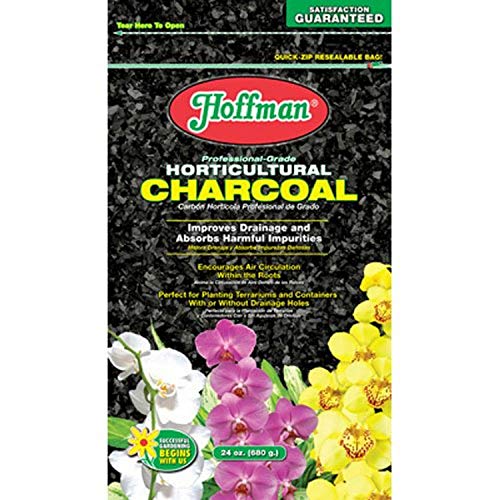
Horticultural charcoal is one of those amendments that quietly improves a succulent mix without anyone talking about it. Hoffman’s 24-ounce jar of porous charcoal bits pulls double duty: it boosts drainage around root zones and absorbs impurities that can sour a pot over time.
You don’t use it alone. Mixed at roughly 10 percent of total volume, it sits between your soil and grit to keep pots smelling fresh and free of stagnant moisture. For container gardens that lack drainage holes (terrariums, decorative cachepots), a charcoal layer at the bottom buys you a margin of safety. The 24-ounce size is enough for several medium pots or a handful of top-dressing refreshes.
Strengths Worth Knowing
- Porous structure improves airflow and reduces waterlogging risk around roots.
- Helps neutralize odors in closed containers or long-unchanged pots.
- Long-lasting material that does not break down quickly in the pot.
Trade Offs
- Not a standalone medium: must be combined with soil or grit to function.
- Black dust at the bottom of the bag requires a gentle rinse before use to keep pots tidy.
Made For
Plant owners who already have a base mix and want to upgrade drainage and freshness without overhauling their setup.
Consider Something Else When
Choose Biotolot Chunky Perlite instead if you need pure aeration and faster drainage without the filtration side benefit.
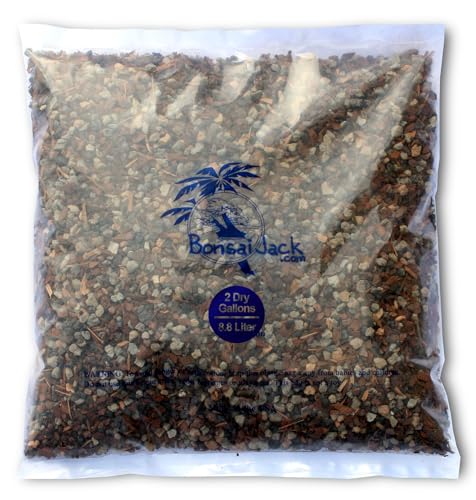
Bonsai Jack built its reputation in the bonsai world, and the Universal Organic blend translates that care to succulents well. The 2-gallon bag arrives screened and pre-washed, with a calibrated pH around 6.4 (slightly acidic, which suits most succulents).
Particle size is the headline here. The mix avoids fine dust entirely, which means water moves through quickly rather than pooling near the crown. Owners commonly report fewer losses among haworthia, lithops, and other rot-sensitive genera after switching to this blend. For shelves where you’ve lost a plant or two to overwatering, the gritty texture is a real safety net.
What Helps Most
- Screened to remove fines, so water drains in seconds rather than minutes.
- Pre-washed to reduce dust and stabilize pH out of the bag.
- Works across most tropical and succulent bonsai species in addition to desert types.
Honest Caveats
- Smaller bag than FoxFarm, so the price per quart runs higher.
- Coarse texture shows through clear glass pots, which some owners dislike aesthetically.
Feature Snapshot
Best Suited To
Collectors growing rot-prone succulents who want a fast-draining mix that doesn’t require any DIY blending.
Reach For A Different Pick When
Choose Biotolot Bonsai Soil 2 Quarts instead if you prefer a volcanic-rock blend and a smaller starter bag.
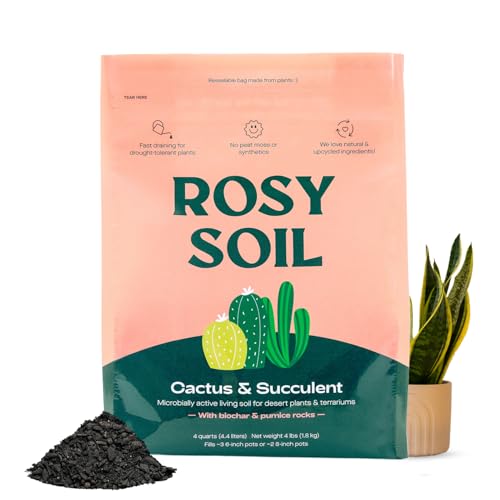
Rosy Soil built this mix specifically to address the most common succulent problem: dense, soggy soil. The chunky texture stays loose in the pot, which keeps air moving around the roots and lets water exit quickly. Beneficial microbes and worm castings come blended in, supporting steady growth without forcing you to fertilize right away.
For someone bringing home their first echeveria or haworthia, this is a forgiving starting point. You don’t need to measure perlite ratios or research pH. The bag opens, you pot, you water on a conservative schedule, and the medium handles the rest. Owners commonly report less crusting on the soil surface compared to standard bagged mixes.
Reasons It Performs
- Chunky, airy texture that resists compaction over time.
- Living soil biology supports steady, gentle nutrient release.
- Beginner-friendly: no mixing, measuring, or amendments required.
Points To Note
- 4-quart bag runs out quickly on larger collections or terrarium projects.
- Higher price per quart than building your own from raw amendments.
Whose Shelf It Belongs On
New succulent owners who want a ready-to-pot mix that prevents the most common watering mistakes.
Swap It Out When
Pick MODELLOR Coco Coir Bricks plus Biotolot Chunky Perlite instead if you’d rather build a custom blend at lower cost per quart.
Not every succulent wants the same medium. Haworthia, gasteria, and some aloes tolerate more organic matter than desert cacti do, and that’s where the Rosy Soil Houseplant Mix fits. It skips peat moss entirely, replacing it with biochar (a charcoal-like soil booster that holds nutrients and improves structure), worm castings, mycorrhizae (beneficial fungi that partner with roots), compost, and bark fines.
For a mixed shelf that includes tropicals alongside succulents, this blend keeps watering rhythm simpler because the moisture profile sits between cactus mix and standard potting soil. The living biology helps roots colonize the new medium quickly after repotting. Owners commonly report greener, firmer leaves in the weeks following a switch.
Notable Upsides
- Peat-free formula supports sustainable gardening practices.
- Living soil biology improves nutrient uptake over time.
- Balanced moisture retention suits a wider range of indoor species.
Minor Gripes
- Not gritty enough for true desert cacti without additional perlite mixed in.
- Bark pieces may shift to the surface during initial waterings.
The Right Fit
Plant owners running a mixed tropical-and-succulent shelf who want one bag that handles both groups reasonably well.
Skip It When
Choose Rosy Soil Cactus & Succulent Mix instead if your collection leans heavily toward desert species like cacti and echeveria.
Aroid mixes aren’t built for succulents, but they earn a place on this list for one reason: many succulent collections share shelves with monsteras, philodendrons, and pothos, and you don’t always want two separate bags open. Rosy Soil’s Aroid blend uses pine bark fines, pumice, and biochar to create a chunky, airy medium that drains fast.
For humidity-loving tropicals that sit beside your succulents, this blend prevents the soggy conditions those plants despise. If you grow the occasional succulent with thicker roots, like certain hoya varieties that prefer orchid-like conditions, this mix works in a pinch. It’s a niche option, but a useful one for mixed shelves.
Noteworthy Benefits
- Chunky bark-and-pumice texture prevents root suffocation in tropicals.
- Biochar supports long-term soil biology and nutrient retention.
- Doubles as a succulent blend for species that prefer orchid-like conditions.
Points To Keep In Mind
- Not appropriate as the primary medium for desert cacti or thin-leaf succulents.
- Bark breaks down faster than inorganic amendments, so repotting happens more often.
Who It Suits Best
Indoor gardeners running a tropical-heavy shelf who occasionally need a chunky blend for borderline-succulent houseplants.
Not Your Match When
Choose Rosy Soil Cactus & Succulent Mix if your collection is mostly true desert succulents needing fast drainage.
Perlite is the unsung hero of succulent care. Biotolot’s chunky 1/4-inch grade adds airspace to any mix you build, and the larger particle size resists the compaction that fine perlite eventually suffers. The structure stays stable even after months of watering cycles.
You can blend this with coco coir from the MODELLOR bricks, mix it into FoxFarm Ocean Forest to lighten the texture, or use it standalone for propagation. The pH-neutral profile means it won’t shift the chemistry of whatever you mix it with. For anyone who likes to dial their own ratios, this is the most versatile amendment in the roundup.
Practical Pluses
- 1/4-inch particle size resists compaction better than fine perlite grades.
- pH-neutral, so it never disturbs the chemistry of your base mix.
- Lightweight bags are easy to handle, store, and pour.
Potential Compromises
- White particles float to the surface during watering and may need occasional top-dressing.
- Dust during pouring can irritate sensitive lungs without a mask.
Perfect Match For
DIY mix builders who want a reliable, pH-neutral aeration amendment to combine with organic bases.
Where A Sibling Pick Shines
Choose Biotolot Orchid Bark instead when you want organic structure along with airflow rather than pure inorganic aeration.
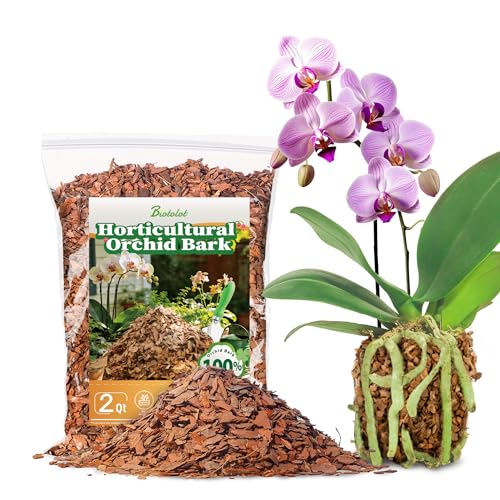
Orchid bark isn’t just for orchids. The 1/2-inch pine bark chips from Biotolot create large air pockets in a succulent mix, which mimics the loose, rocky soils many species grow in naturally. The screened pieces arrive clean, without dye or filler.
Mixed at roughly 30 to 40 percent of total volume, bark turns a heavy soil into something porous and root-friendly. It breaks down slowly, holding structure for a full year or more in most indoor conditions. For shelves where you’ve struggled with stem rot in kalanchoe or crassula, adding bark to a richer mix is often the fix.
What Makes Sense
- 1/2-inch screening creates the large air pockets succulents need.
- 100 percent natural pine bark with no dyes or additives.
- Slow breakdown means longer intervals between full repottings.
A Few Limitations
- Wood-based material ties up nitrogen over time, so occasional light feeding helps.
- Larger pieces work poorly in pots under 3 inches wide.
Feature Card
Right Fit For
Plant owners building a custom gritty blend who want organic structure alongside inorganic perlite or pumice.
Another Choice May Suit
Choose Biotolot Chunky Perlite when you want pure inorganic aeration without the long-term nitrogen tie-up effect.
The Biotolot Bonsai Soil rounds out the roundup as a specialty volcanic blend. Bark, black and red volcanic rock, green zeolite (a mineral that holds and slowly releases nutrients), and perlite combine into a gritty mix suited to bonsai displays and succulent arrangements where aesthetics and drainage matter equally.
The volcanic rocks give the mix visual texture that suits shallow decorative pots, while zeolite adds a slow-release nutrient buffer that plain grit lacks. It’s a smaller 2-quart bag, so it works best for a couple of showpiece arrangements rather than a full collection. Owners building a bonsai-style jade garden or a display tray will find the appearance and function land in the same place.
Practical Advantages
- Volcanic rock blend looks attractive in shallow decorative pots.
- Zeolite component buffers nutrients over time, reducing feeding frequency.
- Pre-mixed formula saves the work of sourcing individual amendments.
Things To Weigh
- Small 2-quart size runs out quickly on anything larger than a single arrangement.
- Premium ingredient list pushes the price per quart above basic blends.
Who Will Love This
Hobbyists building bonsai-style succulent displays who want a mix that looks intentional and drains aggressively.
Where Another Pick Suits Better
Choose Bonsai Jack Universal Organic Soil #221 for a larger, similarly gritty bag when you’re repotting multiple pots.
What Matters Most Before Choosing Soils For Succulents Indoors
Drainage Comes First, Always
Succulents evolved in environments where rainfall is brief and the soil dries fast. Your indoor medium should mimic that rhythm. Look for mixes with visible grit, perlite, pumice, or bark that create airspace rather than dense, peat-heavy blends that stay damp for a week. A simple test: water should run through the pot within a few seconds, not sit on the surface or pool at the bottom.
Particle Size Changes Everything
Fine particles compact over time, choking roots no matter how good the ingredients look on the bag. Screened mixes like Bonsai Jack or chunky blends like Rosy Soil hold their structure through repeated watering cycles. Smaller particles suit seedlings and propagation, but mature succulents need the larger fractions to keep air flowing.
Match the Mix to the Plant
Not all succulents want the same thing. Desert cacti and thin-leaf echeverias prefer fast-draining, low-organic blends. Haworthia, gasteria, and tropical succulents tolerate more moisture-retaining ingredients. Mixed shelves benefit from one base bag plus a separate amendment to adjust ratios per pot.
Storage and Bag Size Matter More Than You’d Think
Compressed bricks like MODELLOR save closet space but require planning to hydrate. Large bags like FoxFarm cover a full collection but weigh 40+ pounds when full. Buying the smallest practical bag for your collection size reduces waste and keeps mixes from sitting open too long.
Key Considerations Across These Picks
Mistakes Worth Dodging
The most common slip is treating any “potting soil” as interchangeable with cactus mix. Standard indoor blends hold two to three times more water than succulents tolerate, and the rot shows up weeks later when the damage is done. Another trap is buying the cheapest bag without checking the ingredient list: some budget mixes are mostly peat with a thin layer of perlite on top. Check that grit and inorganic material make up at least 30 to 50 percent of the volume for true desert species.
When Paying More Pays Off
Premium mixes earn their higher price through better screening, organic amendments like biochar and worm castings, and consistent particle sizing. For a beginner, that consistency is worth paying for, because it removes the trial-and-error of building a blend from raw parts. For a seasoned grower with a large collection, buying raw amendments in bulk and mixing your own becomes more economical per quart. The upgrade is worth it when you value time, consistency, or organic certification over raw cost.
