

Outdoor succulents live or die by their root zone. A soggy mix invites rot within days, while a coarse, airy blend keeps roots breathing through summer storms. The right soil depends on your climate, your containers, and the species in your collection. This roundup covers ready-to-use mixes, raw amendments, and one specialty blend for finicky lithops, so you can match the medium to the plant without overthinking the bag.
A Closer Look At The Lineup

Rosy Soil Organic Plant Food 4 Quarts
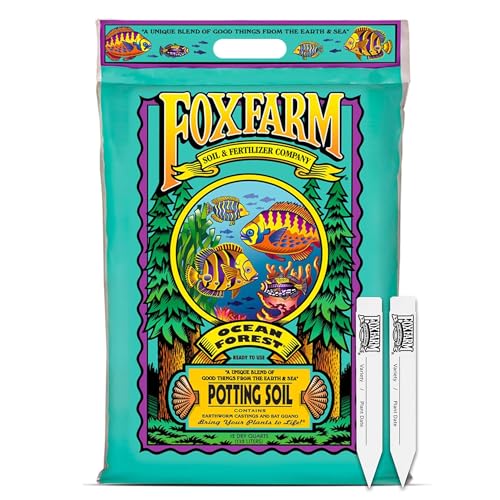
FoxFarm Ocean Forest 12 Quarts with Plant Tags

MODELLOR Coco Coir Bricks 4-Pack 5 lb

FoxFarm Ocean Forest Potting Soil 1.5 cu ft
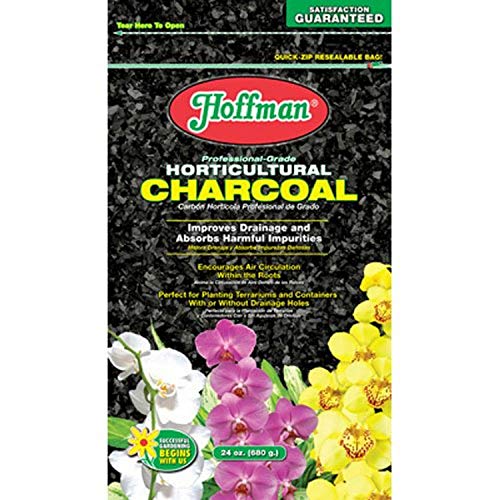
Hoffman Charcoal Soil Conditioner 24-Ounce

Special Lithops Soil Mix 2 Quarts with Bonus Plant
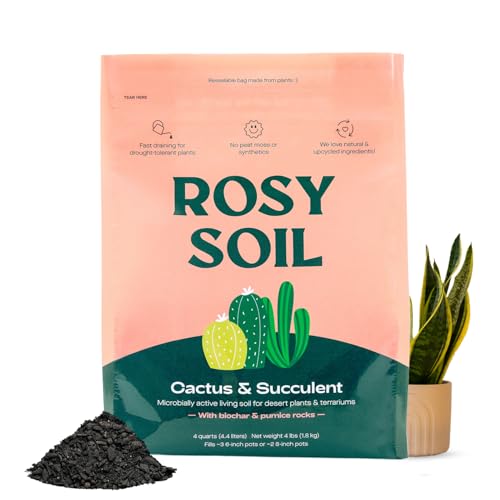
Rosy Soil Cactus and Succulent Mix 4 Quarts

Biotolot Chunky Perlite 3 Quarts 1/4 inch
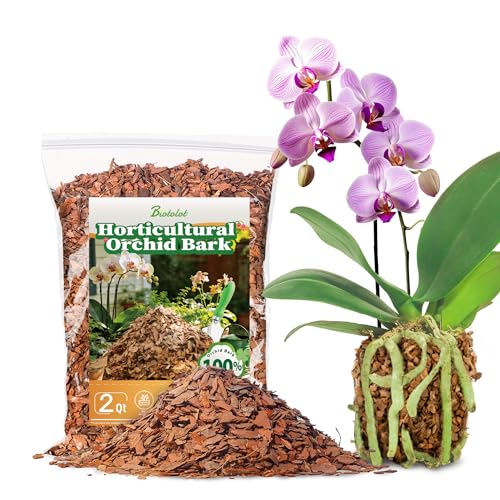
Biotolot Orchid Bark 2 Quarts Horticultural Grade

Biotolot Bonsai Soil 2 Quarts Organic Mix
More On The Choices That Made The List
Rosy Soil’s organic plant food works as a feeder and a soil amendment in outdoor succulent containers. The bag lists biochar, kelp, worm castings, compost, bokashi, and mycorrhizae, which is a heavier biological load than most peat-based cactus mixes offer. Mycorrhizae are beneficial fungi that form partnerships with roots and help plants draw in moisture and nutrients more efficiently than they could alone.
The 4-quart volume suits small patio collections, and the texture stays loose rather than compacted. For gardeners who want living soil biology working between waterings, this bag stands apart from the more sterile options on the shelf.
What It Does Well
- Biochar, worm castings, and mycorrhizae support long-term root health in outdoor planters
- Zero peat or synthetic additives, which appeals to organic-first gardeners
- Functions as both a soil medium and a slow nutrient source for hungry succulents
- 4-quart size fits a windowsill or a small balcony setup without overflow
Things To Consider
- Not formulated specifically as a cactus mix, so you may want to add pumice or coarse perlite for arid succulents
- Smaller bag means more frequent repurchasing for larger patio groupings
- Organic ingredients can attract fungus gnats in very humid climates if overwatered
Made For
Container gardeners who want organic biology in the root zone and who water thoughtfully rather than on a strict schedule.
Consider Something Else When
Collectors running a dozen large outdoor pots may prefer FoxFarm Ocean Forest 12 Quarts for better volume per purchase.
FoxFarm Ocean Forest in the 12-quart size lands in a sweet spot for outdoor succulent growers. The blend includes earthworm castings, fish meal, and crab meal, and the texture reads as light and aerated right out of the bag. Earthworm castings are the nutrient-rich waste earthworms leave behind, and they feed soil microbes while improving structure.
The two included plant tags help you label varieties and planting dates, which matters when you run a mixed patio of echeveria, sedum, and sempervivum. Unlike Rosy Soil’s biology-forward mix reviewed earlier, this one leans on traditional organic meals for nutrition, so feeding behavior feels more familiar to seasoned gardeners.
Bright Spots
- Ready to use straight from the bag, no mixing or amending required for most outdoor containers
- Earthworm castings, fish meal, and crab meal deliver a balanced organic nutrient base
- Light, aerated texture resists compaction through a full growing season
- Included plant tags help track varieties and repotting dates
Points To Note
- Not a dedicated cactus blend, so gritty desert species may still benefit from added perlite or pumice
- Higher organic content means you should let the surface dry fully between waterings
Feature Snapshot
Right Fit For
Mixed outdoor container growers who want one bag that handles succulents, herbs, and flowering patio plants without swapping mediums.
Look Elsewhere When
Pure lithops or mesemb collectors should grab the Special Lithops Soil Mix reviewed further down for a grittier, species-specific base.
MODELLOR ships its coco coir as four compact bricks that hydrate into roughly 9 gallons of fluffy medium. Coco coir is the fibrous inner husk of coconuts, and it holds moisture while staying structurally open, which suits succulents in dry summer air.
The bricks earn their keep in apartments and small sheds where a 1.5 cubic foot bag simply will not fit on a shelf. Compare that to the FoxFarm Ocean Forest 1.5 cu ft reviewed later, which delivers volume but demands closet space.
Where It Delivers
- Triple-washed and pH-balanced, which lowers the salt risk that raw coir sometimes carries
- Four 5 lb bricks expand to 36 quarts total, enough for several outdoor container refreshes
- Long shelf life in dry form means you can store extras without spoilage
- Lightweight bricks ship cheaply and travel easily to a second property or community garden plot
Trade Offs
- Coir alone holds more moisture than most succulents prefer, so you will need to blend in perlite or pumice
- Hydration takes planning, since each brick needs soaking time before use
Built With In Mind
Apartment dwellers and weekend project gardeners who want a storable, lightweight base medium they can customize at the mixing tub.
Skip It When
Beginners who want a ready-to-use bag should consider Rosy Soil Cactus and Succulent Mix instead.
The 1.5 cubic foot FoxFarm Ocean Forest bag is the bulk option for gardeners refreshing a whole patio in one trip. It shares the same earthworm castings, fish meal, and crab meal blend as the smaller 12-quart version reviewed earlier, just scaled up for bigger workloads.
The light, aerated texture holds up through repeated rain cycles, and the bag arrives ready to use straight from the package. For anyone rebuilding raised succulent beds or refreshing a dozen mid-size pots, this size cuts down on repeat deliveries and per-cubic-inch cost.
Useful Strengths
- Bulk 1.5 cu ft volume covers large container groupings and raised beds in one purchase
- Same balanced organic base as the smaller FoxFarm option, so you know what you are getting
- Light, aerated texture supports strong root development in outdoor pots
Honest Caveats
- Bulk bags are heavy and awkward to carry up stairs or to rooftop gardens
- Open bags lose moisture and freshness, so plan to use the full volume within a season
Quick Facts
Who It Suits Best
Backyard gardeners and patio rebuilders who repot in bulk and want to minimize repeat ordering.
Reach For A Different Pick When
MODELLOR Coco Coir Bricks make more sense for gardeners with limited storage space or no vehicle for hauling a heavy bag.
Hoffman’s charcoal amendment is not a complete soil but rather a small-but-mighty mix-in. The porous charcoal helps excess moisture drain away from roots and absorbs impurities in the root zone. This is the same active ingredient used in aquarium filters, repurposed for planters.
For gardeners working with terracotta or pots that have a single drainage hole, a layer of charcoal at the base keeps the drainage path clearer over time. Compared to the chunky perlite reviewed later, charcoal contributes less aeration but adds more filtration and a cleaner root environment.
Everyday Advantages
- Porous structure improves drainage and airflow around root systems
- Natural filtration absorbs impurities that can build up in containers over time
- Helps with oxygen flow in tight or poorly ventilated outdoor pots
Small Caveats
- Not a standalone growing medium, so you still need a base soil to blend it with
- 24-ounce bag covers only a handful of medium pots per use
Perfect Match For
Detail-oriented gardeners who blend their own mixes and want an extra drainage boost in containers with limited airflow.
A Better Fit Elsewhere
Beginners looking for a single bag to pour directly into a pot should consider the Rosy Soil Cactus and Succulent Mix instead.
Lithops, often called living stones or pebble plants, demand a drier, grittier mix than typical succulents. This specialty blend from MICRO LANDSCAPE DESIGN targets exactly that crowd, with a coarse texture that lets air reach even the smallest roots.
The package includes a bonus live mini lithops, which gives beginners a starter plant to trial the mix on. That pairing matters more than it sounds, because the wrong soil is the fastest way to lose a lithops. Compare that to the broader FoxFarm Ocean Forest reviewed earlier, which works for most succulents but stays too rich for these mimicry plants.
The Case For It
- Specialized coarse texture prevents the root rot that finishes off lithops in standard mixes
- Supports root anchorage for top-heavy, top-anchored growth habits
- Includes a bonus live lithops so beginners can test the medium right away
- 2-quart volume is enough for a small collection of mesembs
Things To Weigh
- Niche formula has limited use beyond lithops and similar mesembs
- Smaller 3 lb bag means high per-quart cost for larger collections
Best Suited To
Lithops hobbyists and mesemb collectors who want a tailored medium rather than a general-purpose blend.
Not Your Match When
Gardeners growing a general succulent mix should pick up Rosy Soil Cactus and Succulent Mix instead.
Rosy Soil’s cactus and succulent blend is the chunky, airy mix the brand built its name on. The texture stays loose after watering, and beneficial fungi plus worm castings support ongoing root health. This is a noticeably coarser medium than the company’s organic plant food reviewed first.
The 4-quart bag fits a small patio’s worth of pots, and the ready-to-use formula skips the mixing step for gardeners who do not want to fuss with perlite. For outdoor collections that lean heavily on echeveria, haworthia, and aloes, this blend handles the typical watering rhythm without staying soggy.
Notable Gains
- Chunky texture prevents compaction in outdoor pots that see frequent rain
- Living soil biology from worm castings and beneficial fungi supports long-term root vigor
- Drains fast enough to reduce soggy-pot risk during wet stretches
- Ready to use, which removes the perlite-measuring step for beginners
A Few Limitations
- 4-quart volume runs out quickly on larger patio collections
- Higher organic content can still hold too much moisture for true desert species
Whose Shelf It Belongs On
Succulent-heavy patio gardeners who want a single bag dedicated to cacti and leafy succulents without DIY blending.
Swap It Out When
Lithops growers should grab the Special Lithops Soil Mix for a grittier, species-specific base.
Biotolot’s chunky perlite runs at a 1/4 inch particle size, which is coarser than the fine perlite often blended into standard mixes. Perlite is a heated volcanic glass that expands into a lightweight, porous material, and the larger particle size creates more drainage channels in a soil blend.
This is a mix-in rather than a complete medium, so the real value shows up when you stir a few scoops into a base like MODELLOR coco coir. The 3-quart bag covers several outdoor pots per use, depending on how aggressive your blend runs.
Real Benefits
- Large 1/4 inch particles create durable drainage channels that resist compaction
- pH neutral, so it does not shift the chemistry of your base soil
- Lightweight structure stays stable across multiple growing seasons
- Works equally well in succulent, orchid, and general-purpose blends
Practical Considerations
- Not a standalone medium, so it requires a base soil to be useful
- Dust can rise during pouring, especially in dry outdoor conditions
Spec Overview
Who Should Grab It
DIY mix builders who want to dial in their own drainage ratios for outdoor succulent and orchid containers.
Another Choice May Suit
Beginners should skip the blending step and grab the Rosy Soil Cactus and Succulent Mix instead.
Pine bark is a staple in orchid and aroid mixes, and Biotolot’s horticultural-grade version runs at roughly 1/2 inch pieces with no added dyes or fillers. The voids between bark chunks let air reach roots while still holding some moisture for thin-rooted plants.
For succulent growers, bark plays a different role. Mixed into a standard cactus blend, it adds structure and helps anchor top-heavy rosettes. Compare that to Biotolot’s bonsai soil reviewed last, which combines bark with volcanic rock for a more complete planting medium.
Practical Advantages
- Air pockets between bark pieces support strong root development in orchids and aroids
- 100% natural screened pine bark with no added impurities
- Doubles as a chunky amendment for outdoor succulent mixes that need more structure
Details To Watch
- Bark breaks down faster than mineral amendments, so blends need refreshing every couple of seasons
- 2-quart volume covers only a few small pots as a standalone medium
Built With In Mind
Orchid and aroid hobbyists who want a screened, dye-free bark that doubles as a chunky succulent amendment.
Where A Sibling Pick Shines
Succulent-only growers should look at the Biotolot Bonsai Soil reviewed next for a blend that includes volcanic rock alongside bark.
The Biotolot bonsai mix combines pine bark, black and red volcanic rock, green zeolite, and perlite. Volcanic rock adds weight and drainage, while zeolite is a mineral that holds and slowly releases both moisture and nutrients. Together, they create a stable, mineral-heavy medium that bonsai and succulent growers both appreciate.
The 2-quart bag suits small container projects, including a tabletop bonsai or a few top-dressed succulent pots. Unlike the orchid bark reviewed earlier, this blend arrives ready to use without extra blending.
Strong Points
- Mineral-heavy composition provides weight and stability for shallow containers
- Green zeolite offers slow moisture and nutrient release without compacting
- Ready to use straight from the bag, no mixing required
- 100% natural ingredients across all five components
Some Limits To Know
- Small 2-quart volume runs out quickly on multi-pot patio setups
- Mineral weight makes it less ideal for balconies with load limits
Who Will Love This
Bonsai hobbyists and succulent growers who want a mineral-rich, ready-to-use blend for small outdoor containers.
Where Another Pick Suits Better
Bigger patio rebuilds call for the FoxFarm Ocean Forest 1.5 cu ft reviewed earlier.
What Matters Most Before Choosing Soils For Succulents Outdoors
Drainage And Aeration Come First
Outdoor succulents face wet cycles that indoor plants never see. A mix that holds moisture for days will rot roots during a rainy stretch, while a chunky, porous blend sheds water fast. Look for perlite, pumice, lava rock, or coarse bark in the ingredient list, and avoid anything that reads as a dense, peat-heavy blend.
Particle Size Signals Real Performance
Fine, dusty soils compact over time, especially in pots that get rained on. Coarser particles, around a quarter inch and up, hold their shape and keep air pockets open between waterings. If you cannot see individual chunks in the bag, the mix will likely struggle outdoors.
Container Type Shapes Your Choice
Terracotta breathes and dries fast, while glazed or plastic containers hold moisture longer. Smaller pots dry out quickly and forgive richer mixes, but large planters in shaded patios need a grittier blend to avoid souring at the bottom. Match the medium to the container, not just the plant.
Species-Specific Needs Vary Widely
Aloe, haworthia, and echeveria thrive in chunky cactus blends. Lithops and other mesembs need even grittier, almost soilless mixes. Tropical succulents like rhipsalis tolerate slightly more organic content. Know your species before you buy, since one bag rarely covers an entire diverse collection.
Key Considerations Across These Picks
Common Shopping Slip Ups
Skipping the particle size check is the most common mistake, and it shows up months later when roots start to rot. Another trap is treating any cactus-labeled bag as identical, since “cactus and succulent mix” spans everything from nearly soilless grits to peat-heavy blends with a touch of perlite. Match the bag to your climate, container, and species, not just the label.
What The Higher Tier Buys
Premium blends earn their cost through chunkier particle sizing, screened ingredients, and added biology like mycorrhizae or worm castings. For gardeners running a few patio pots, the upgrade rarely matters. For collectors with rare or rot-prone species, the better drainage and stability of a premium mix can mean the difference between a thriving plant and a lost one.
Frequently Asked Questions
Do outdoor succulents need a special soil mix?
Yes. Standard garden soil or peat-heavy potting mixes hold too much moisture for succulents in outdoor containers, where rain and humidity add to the watering load. A cactus or succulent-specific blend with chunky particles drains faster and keeps roots healthy through wet stretches.
Can regular potting soil work for outdoor succulents?
Regular potting soil works in a pinch, but you should amend it with perlite, pumice, or coarse bark at roughly a one-to-one ratio. Without that adjustment, the mix compacts and traps moisture, which leads to root rot during rainy weather.
How often should you repot outdoor succulents?
Most outdoor succulents benefit from fresh soil every two to three years, since organic components break down over time and reduce drainage. Faster-growing varieties may need annual repotting, while slow-growing species like lithops can wait three years or longer between refreshes.
Is pH important for succulent soil?
Succulents tolerate a wide pH range, but most prefer slightly acidic to neutral conditions around 6.0 to 7.0. Coco coir and peat-based mixes run slightly acidic, while mineral-heavy blends with volcanic rock trend closer to neutral. pH rarely becomes a problem unless you push it far outside that range with extreme amendments.
Do succulents in pots need drainage holes?
Drainage holes are strongly recommended for outdoor succulents, since rainwater can pool at the bottom of a sealed container and drown roots. Without holes, you can compensate with a thick drainage layer of charcoal or coarse perlite, but a hole remains the simpler, more reliable solution.
Closing Remarks
The right soil turns outdoor succulent growing from a guessing game into a reliable routine. Match the particle size to your climate and containers, lean toward mineral-rich blends for desert species, and add biology when you want long-term soil life. With the right base under your plants, watering becomes less stressful and growth becomes more predictable across the seasons.
