

The Thai Constellation is one of the most rewarding houseplants to grow, but it punishes dense, soggy soil fast. Variegated tissue photosynthesizes less efficiently than fully green leaves, so a stressed root system shows up as dropped leaves, mushy stems, and faded sectors before you have time to react. Picking the right chunky, airy medium is the single biggest decision you’ll make for this plant, and the gap between a proper aroid blend and a generic potting soil is the gap between a thriving constellation and a yellowing one. The picks below cover different bag sizes, ingredient philosophies, and budgets, with a couple of supporting feeds tucked in for owners who want a complete routine.
The Essentials At A Glance

Molly’s Aroid Chunky Potting Mix 5 Dry Quarts

AROID Potting Mix 4 QTS for Monstera & Aroids

Gardenera Premium Thai Constellation Mix 5 Quart

Craft Aroid Potting Mix 8QT by Grow Queen

Rosy Soil Aroid Mix Chunky Biochar 4 Quarts

Gardenera Thai Constellation Soil Mix 2 Quart

Soil Sunrise Monstera Mix 4 Quarts
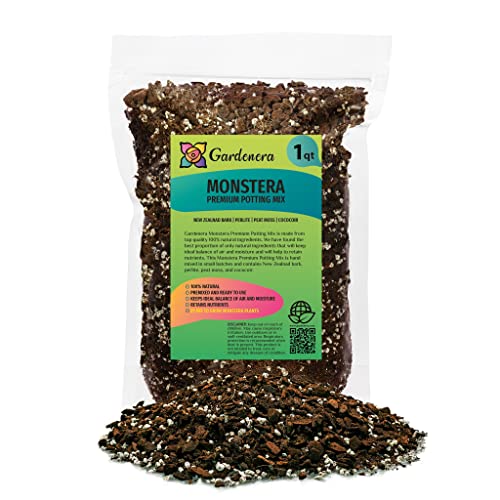
Gardenera Premium Monstera Potting Soil 1 Quart

BESTSELLER Plant Superfood for Thai Constellation 8oz

Gardenera Liquid Thai Constellation 3-1-2 8oz
The Picks, Examined More Closely
Molly’s Aroid Chunky Potting Mix arrives in a 5-quart bag built around an airy, bark-and-pumice recipe that skips traditional potting soil entirely. That soil-free approach matters for Thai Constellations because dense peat-based mixes stay wet too long and strangle the aerial roots the plant uses to anchor itself to a moss pole. The medium resists compaction, which means you can water on a confident schedule without the pot turning into a swamp after a few weeks.
Beginners who tend to overwater will probably find this blend forgiving, since excess moisture drains through quickly and the chunky texture keeps oxygen moving around the root zone. Owners in drier apartments may need to water a touch more often than with a peat-heavy mix, but the trade-off is fewer yellowing leaves and far less risk of fungus gnats taking hold in soggy organic matter.
Features That Help
- Soil-free chunky texture that resists compaction over time
- Loose enough to make overwatering mistakes harder to commit
- Less attractive to fungus gnats than peat-heavy blends
- 5-quart bag covers one medium repot or several small top-offs
Points To Note
- Dries out faster than peat-based mixes, so watering frequency may tick up
- Doesn’t include the worm castings or biochar found in some competitors, meaning you’ll likely want to add a separate feed
Feature Snapshot
Who It Suits Best
New Thai Constellation owners who water too often or who want a low-risk medium that forgives the most common rookie mistake.
Reach For A Different Pick When
You want a richer, organically amended mix, in which case the AROID Potting Mix from Top Tier Genetics carries worm castings and biochar for heavier-feeding collections.
Top Tier Genetics built this 4-quart mix with a wider ingredient roster than most aroid blends, including orchid bark for chunk, coco husk for moisture buffering, pumice (a porous volcanic stone that holds air in the soil) for drainage, and biochar for long-term soil life. Worm castings and mycorrhizae (beneficial fungi that colonize roots and help the plant absorb nutrients) round out the formula, giving young Constellations a stronger start than a plain bark-and-perlite mix would.
The blend is explicitly tuned for Monstera, Philodendron, Alocasia, and Anthurium, so a single bag covers an entire tropical shelf rather than just one plant. It’s a smarter long-term purchase for anyone running a mixed collection who wants one product to keep on hand for routine repotting.
Useful Touches
- Mycorrhizae and worm castings deliver a slow, organic nutrient feed
- Biochar supports long-term soil microbial activity and structure
- Works across a wide range of tropical houseplants, not just Monsteras
Worth Bearing In Mind
- Smaller 4-quart bag may not cover a large plant or multiple repots
- Higher organic content means a slightly longer drying window than mineral-only mixes
Made For
Owners juggling several aroids who want one premium bag to handle most repotting jobs without buying separate mixes.
A Better Fit Elsewhere
If you’re repotting a single small Constellation and want to keep costs low, the Soil Sunrise Monstera Mix offers a similar Monstera-targeted approach in a more economical format.
Gardenera’s Premium Thai Constellation blend is one of the few mixes on the market named for the exact plant you own, with the recipe tuned to balance moisture retention against the drainage variegated Monstera tissue needs. The 5-quart size covers a single mid-sized repot with enough left over to top-dress or refresh smaller pots over the next few months.
Variegated plants lose chlorophyll (the pigment that drives photosynthesis) in the white sectors, so their root systems tend to be slightly less efficient at pulling up water than fully green plants. A blend that holds a touch more moisture than a pure orchid-bark mix helps stabilize watering intervals without tipping into the soggy zone that invites root rot (a fungal condition that destroys roots in waterlogged soil).
Strong Points
- Specifically named for Thai Constellation, with a moisture profile to match
- 5-quart bag leaves room for top-dressing after the main repot
- Stabilizes watering rhythm for variegated foliage
- Useful for both indoor and outdoor container use
Honest Caveats
- Niche branding means a smaller community of users reporting on long-term performance
- Slightly higher moisture retention requires closer watering attention than a pure chunky mix
Key Product Details
Right Fit For
Dedicated Constellation collectors who want a blend matched to this exact cultivar rather than a general aroid mix.
Look Elsewhere When
You keep multiple tropicals and would rather buy one general aroid bag, in which case Grow Queen’s Craft Aroid Mix covers a broader plant list in a single purchase.
Grow Queen’s 8-quart Craft Aroid Mix is the largest bag in this roundup, aimed at plant households running multiple Monsteras, Philodendrons, and Alocasias through a repotting cycle. The blend is organic and peat-free, leaning on bark and other renewable components rather than harvested peat, which appeals to growers concerned about the environmental impact of peat harvesting.
Worm castings add a slow nutrient feed, while the chunky texture prevents the compaction that turns generic houseplant soil into a brick within a season. For owners with more than one tropical on the shelf, this bag’s volume keeps you from ordering multiple smaller mixes.
Notable Upsides
- Generous 8-quart bag handles several plants in one purchase
- Peat-free recipe suits environmentally conscious growers
- Worm castings deliver a slow organic nutrient feed
- Chunky texture resists the compaction common in cheaper mixes
Trade Offs To Consider
- Larger bag means more storage space is needed until it’s used up
- Open bags of chunky mix can dry out if left uncovered for weeks
Best Suited To
Plant households with several tropicals in rotation who want to buy in volume and avoid running out mid-repot.
Skip It When
You only own one small Constellation, in which case the smaller Gardenera Premium Monstera Potting Soil in a 1-quart bag avoids excess.
Rosy Soil leans hard into biochar (a form of charcoal produced by heating organic matter in low oxygen, used to improve soil structure and microbial life), pine bark fines, and pumice to build a chunky mix designed around how aroids actually grow in the wild, where their roots cling to bark and need constant airflow. The texture stays loose even after several waterings, which addresses the most common complaint about budget aroid mixes that compact within a month.
Beyond the structural ingredients, the biochar supports microbial populations that gradually improve nutrient cycling in the pot over time. Compared with the simpler bark-and-perlite recipes, this one feels engineered for owners who plan to keep the same plant in the same medium for a long stretch.
What Stands Out
- Biochar supports long-term soil biology and structure
- Texture holds up to repeated watering without compacting
- Works across Monstera, Philodendron, Alocasia, Anthurium, and Pothos
- Suits owners repotting infrequently who want lasting structure
A Few Limitations
- 4-quart bag is on the smaller side for multi-plant households
- Drains aggressively, so plants in dry indoor air may need more frequent watering
Feature Rundown
Perfect Match For
Owners who want a structured, biologically active medium that holds up through a full growing season without breaking down.
Consider Something Else When
You want a richer organic blend with worm castings and mycorrhizae, in which case the AROID Potting Mix from Top Tier Genetics delivers a more nutrient-loaded formula.
This 2-quart Gardenera bag targets the smallest repotting jobs, where you only need enough medium to refresh a single small Constellation without wasting material. The recipe leans on New Zealand bark, perlite, peat moss, and coco coir, which together give the airy structure Monstera roots need while holding enough moisture to bridge short dry spells.
For someone whose Constellation is still in a 4-inch pot, a 5-quart bag is overkill, and a 1-quart bag may not be enough. This 2-quart middle size fits a single small-to-medium repot without leftovers to store or dry out.
Strengths Worth Knowing
- Right-sized 2-quart bag avoids waste on small plants
- Coco coir adds moisture buffering for owners who forget to water on schedule
- New Zealand bark provides long-lasting chunky structure
Softer Spots
- Too small for medium or large Constellation repots
- Peat moss component breaks down faster than pure bark alternatives
Who Should Grab It
Owners repotting a single juvenile Constellation who want a Constellation-specific blend without buying more than they need.
Swap It Out When
You’re moving up to a larger pot, in which case the 5-quart Gardenera Premium Thai Constellation Mix covers a bigger root ball with the same recipe philosophy.
Soil Sunrise’s Monstera blend explicitly names Thai Constellation alongside classic Monstera deliciosa and Ceriman, making it one of the more direct fits for a Constellation owner who wants a blend matched to the family rather than the cultivar. The 4-quart bag covers a typical repot on a medium-sized plant.
The recipe aims for a balanced ecosystem that handles aeration, drainage, and water retention together rather than leaning too far in any single direction. For a new Constellation owner, that balance removes a lot of the guesswork that comes with mixing your own aroid blend from individual ingredients.
Everyday Perks
- Explicitly lists Thai Constellation among target plants
- Balanced drainage and retention removes watering guesswork
- Useful for both planting and refreshing existing soil
- 4-quart size suits most single-plant repot jobs
Things To Weigh Up
- Ingredient list isn’t broken out publicly, so experienced mixers may want more transparency
- Generic Monstera formula, not cultivar-specific like the Gardenera Thai Constellation option
Spec Overview
The Right Fit
First-time Constellation owners who want a beginner-friendly bag that names their plant on the label without the complexity of building a custom blend.
Where A Sibling Pick Shines
You want a richer organic amendment like worm castings, in which case the AROID Potting Mix from Top Tier Genetics delivers that extra layer of fertility.
Gardenera’s 1-quart Premium Monstera bag is the smallest option on this list, intended for one tiny plant or for refreshing the top layer of an existing pot. The quick-drain formula combines aged bark, coco coir, and perlite to keep water moving through the pot without leaving the medium bone-dry between waterings.
Owners with a juvenile Constellation in a 4-inch nursery pot often find that anything larger than a quart or two is wasteful. This bag fills that gap and leaves the rest of the medium unopened for future top-offs.
A Few Strong Suits
- Compact 1-quart bag suits the smallest pots and top-dressing
- Quick-drain formula reduces risk of standing water in small containers
- Aged bark provides structure without sharp edges that disturb tender roots
Practical Considerations
- Far too small for a medium or large Monstera repot
- Smaller bags dry out faster once opened if not sealed properly
Whose Shelf It Belongs On
Owners with a single small or juvenile Constellation who need just enough medium to repot without storing leftovers.
Not Your Match When
Your Constellation has outgrown a 6-inch pot, in which case the 5-quart Gardenera Premium Thai Constellation Mix provides the volume you’ll need.
This 8-ounce foliar (leaf-sprayed) feed is positioned as a complement to whichever potting mix you choose rather than a substitute for it. The formula combines B1 vitamin, glucose, and a mineral package intended to support root development and steady growth on Constellations, indoors or out.
Chunky aroid mixes drain aggressively, which is great for root health but means nutrients leach (wash out of the soil with each watering) faster than they would in a peat-heavy blend. A targeted spray feed steps in where a basic watering routine leaves off, particularly for owners whose Constellations seem stuck or whose new leaves are coming in smaller than expected.
Noteworthy Benefits
- B1 vitamin supports root recovery after repotting stress
- Foliar application gets nutrients to leaves quickly
- Organic formula suits owners avoiding synthetic fertilizers
- Compact 8-ounce bottle stores easily on a plant shelf
Less-Strong Areas
- Foliar sprays require consistent weekly use to show results
- Doesn’t replace a balanced liquid fertilizer for steady feeding
Built With In Mind
Constellation owners whose plants need an extra push after repotting or during a slow growth phase.
Where A Sibling Pick Shines
You prefer a routine liquid feed over foliar sprays, in which case the Gardenera 3-1-2 Liquid Concentrate handles ongoing nutrition more conveniently.
The Gardenera 3-1-2 concentrate closes out this list with a routine liquid feed designed around the nutrient ratios variegated Monsteras tend to respond to. A 3-1-2 NPK ratio (the proportion of nitrogen, phosphorus, and potassium in the fertilizer) leans nitrogen-heavy without overloading phosphorus, which suits foliage-driven plants that don’t need heavy bloom support.
Pairs naturally with any of the chunky mixes above, since those mediums drain aggressively and need regular nutrient replacement. The 8-ounce bottle concentrates down, so a single bottle covers months of weekly feeding on a single plant.
Where It Excels
- 3-1-2 ratio matches foliage-focused tropical feeding needs
- Concentrate format stretches a small bottle across many feedings
- Liquid delivery gets nutrients to roots fast after watering
- Organic formula works for growers avoiding synthetic options
Possible Compromises
- Requires consistent weekly feeding to maintain results
- Doesn’t address micronutrient gaps that a foliar spray like the BESTSELLER Plant Superfood covers
Feature Overview
Who Will Love This
Owners who already water on a regular schedule and want a matched fertilizer to round out their Constellation care routine.
Consider Something Else When
Your plant is recovering from stress and needs a quick boost, in which case the BESTSELLER Plant Superfood offers a more targeted B1 vitamin approach.
Matching Aroid Mix To Your Constellation Setup
A Thai Constellation soil is judged less by brand and more by structure. The medium should feel chunky in your hand, with visible pieces of bark, perlite, or pumice, never like a uniform dark dirt. That chunkiness is what keeps oxygen flowing around roots between waterings, and oxygen is the variable that separates a thriving plant from one slowly suffocating in a wet pot.
Drainage speed is the second attribute to weigh. A pure bark-and-pumice blend drains fastest, which suits owners who water on instinct or live in humid climates. A blend with coco coir or peat retains moisture longer, which helps forgetful waterers or anyone running their home dry in winter. Neither extreme is wrong, but picking a blend that fights against your watering habits creates friction you don’t need.
Ingredient transparency rounds out the decision. Mixes that name worm castings, biochar, and mycorrhizae tend to support longer intervals between repots because the medium keeps working biologically rather than just physically. Budget blends that list “potting soil” as a primary component usually compact within a season and require more frequent intervention. For a plant like the Constellation, which resents root disturbance, fewer repots is the friendlier path.
Key Considerations Across These Picks
Common Shopping Slip Ups
The most frequent mistake is grabbing a generic indoor plant mix because it’s familiar and inexpensive. Those blends hold too much water for a Monstera root system and show their weakness within a few weeks as the lower stem starts to soften. A second slip is buying the smallest bag to save money on a plant that will need a bigger pot within a year, which forces a second purchase and another shipping cycle. Sizing the bag to your plant’s near-term trajectory saves time and keeps the medium fresher.
What The Higher Tier Buys
Premium aroid mixes earn their higher cost through ingredient quality and biological amendments. Worm castings, biochar, and mycorrhizae don’t show up in cheaper bags because they add production cost without changing the visual texture. Over a year of growth, that extra biology translates into steadier leaf production and stronger recovery from stress, which is worth the upgrade for owners serious about keeping a Constellation thriving rather than just alive.
Frequently Asked Questions
How Often Should I Repot A Thai Constellation?
Most Constellations need repotting every 18 to 24 months once they reach maturity, since their root system grows steadily but slowly. Visible roots circling the drainage holes or water running straight through the pot without absorbing are the clearest signals it’s time.
Can I Use Regular Potting Soil For A Thai Constellation?
Standard indoor potting soil is too dense for a Constellation and usually leads to root rot within a few months. A chunky aroid mix with visible bark, perlite, or pumice is the safer choice for long-term health.
Do Thai Constellations Need Fertilizer?
A Constellation in a chunky aroid mix benefits from a balanced liquid feed every 2 to 4 weeks during the active growing season, since the fast-draining medium leaches nutrients quickly. Pause feeding in winter when growth slows.
What Bag Size Should I Buy?
Match the bag to your pot size: a 1-quart bag covers up to a 4-inch pot, a 2-quart covers 6-inch pots, and 4 to 8 quarts handle anything 8 inches and above. Buying too small means a second order; buying too large means storing leftover mix.
Should I Add Extra Perlite To A Pre-Mixed Blend?
Pre-mixed aroid blends are usually ready to use as-is, but adding a handful of extra perlite or pumice can sharpen drainage in humid homes. Hold off on amending until you’ve used the bag as-is and seen how it performs in your specific conditions.
Closing Remarks
The right soil sets the foundation for everything else in your Constellation care routine. Pick a blend that matches your watering habits and pot size, and resist the urge to grab a generic houseplant mix just because it’s familiar. With a chunky, well-draining medium in place, the rest of your care routine becomes easier rather than harder, and the plant shows that ease through steady new growth and clean variegation.
