

Tradescantia plants have a reputation for being nearly indestructible, but the wrong substrate turns even the hardiest inch plant into a soggy, root-rotted mess. These fast-growing trailing houseplants want soil that drains quickly, holds just enough moisture between waterings, and stays airy enough for delicate root systems to breathe. After sorting through dozens of mixes and amendments available right now, this list pulls together the substrates and amendments most likely to keep your wandering Jew, purple heart, and Nanouk thriving across the year.
A Fast Comparison Of The Options

Legigo 4 Quarts Organic Perlite
Bonsai Jack Universal Organic Bonsai Soil Mix #221

Micro Landscape Design Lithops Soil Mix

Miracle-Gro Cactus, Palm & Citrus Potting Mix

Legigo 15 Quarts Organic Perlite

Legigo 20 Quarts Organic Perlite

Legigo 6 Quarts Organic Perlite

Miracle-Gro Indoor Potting Mix (2-Pack)

FoxFarm Ocean Forest Potting Soil

rePotme Bromeliad and Jewel Classic Mix
A Closer Look At Each Pick
Perlite is a heat-expanded volcanic glass that looks like tiny white popcorn, and it earns its place in nearly every Tradescantia mix by opening up airflow around tender roots. The Legigo 4-quart bag gives you a starter volume that suits a small windowsill collection, roughly enough to amend two or three four-inch pots without leaving much leftover to store.
Coarse grade matters here because finer perlite dust tends to clog drainage holes over time. The pieces in this bag stay evenly sized, which helps water move through consistently rather than pooling at the bottom of the pot. For anyone keeping a handful of inch plants or wandering Jews in nursery pots, the smaller format keeps things tidy and avoids the clutter of a half-used 20-quart sack sitting around.
Benefits That Matter
- Lightweight, porous particles pull excess water away from root zones, lowering the risk of rot in thirsty-looking but actually drought-tolerant Tradescantia stems.
- Coarse grade resists compaction longer than fine perlite, so the airy texture holds up across months of watering cycles.
- Neutral pH means it won’t shift the acidity of whatever base potting mix you pair it with.
- Small bag fits inside a kitchen cabinet, leaving no excuse to skip amending the next time you repot.
Worth Noting
- This bag isn’t a complete soil on its own, so you’ll still need a base mix like peat or coir to fill the rest of the pot.
- Dust at the bottom of the bag is common and tends to clog drainage holes if poured in without a quick rinse.
Quick Facts
Who It Suits Best
Owners of a small Tradescantia collection who want to improve drainage without buying bulk perlite they’ll never finish.
Consider Something Else When
You’d rather skip the mixing step entirely and grab a ready-to-use blend like the Bonsai Jack Universal Organic Bonsai Soil Mix.
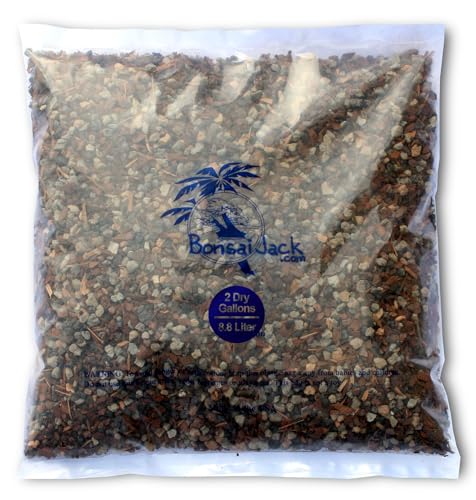
Although it’s marketed for bonsai, the Bonsai Jack #221 blend translates beautifully to Tradescantia care because the texture matches what these trailing plants crave. The mix arrives screened and pre-washed, which removes the fine dust that otherwise settles into a cement-like layer at the bottom of pots. You get straight-to-pot convenience without the rinse-and-sift ritual most gritty mixes demand.
The 2-gallon volume covers a respectable number of medium-sized houseplants or a few large hanging baskets. Particle size stays consistent from top to bottom, which matters because uneven grit creates dry pockets and soggy zones in the same container. For someone tired of mixing their own blend from perlite bags and orchid bark, this is the shortcut that actually performs.
A Few Highlights
- Pre-washed and screened, so the mix pours cleanly with no need for a pre-potting rinse.
- Optimized pH around 6.4 keeps most foliage plants in their happy zone without extra amendments.
- Chunky particle structure promotes the rapid drainage Tradescantia roots need to avoid stem rot.
- Bag weight stays manageable enough to carry a full 2 gallons to a third-floor apartment.
Honest Caveats
- The price per quart runs higher than DIY perlite-and-peat mixes, especially when filling many pots at once.
- Fast drainage means more frequent watering during the active growing season, which is easy to forget at first.
The Right Fit
Busy plant parents who want professional-grade drainage without the hassle of blending their own substrate from scratch.
Look Elsewhere When
Budget matters and you mainly need a bulk perlite amendment rather than a finished mix, in which case Legigo 20 Quarts Organic Perlite suits better.
Built for living stones, this lithops blend pushes drainage to the extreme end of the spectrum, and that aggression happens to serve certain Tradescantia situations well. A 3-pound bag weighs roughly 2 quarts, enough to repot a single 6-inch hanging basket or refresh the top inch or two of several smaller pots. The blend leaves generous air pockets around roots, the kind of structure that prevents the soggy collapse trailing stems can’t recover from.
The bonus live mini lithops included with each bag doubles as a small experiment in extreme-drainage planting, useful for understanding just how loose a healthy root zone should feel. For Tradescantia cuttings that tend to rot before rooting in standard mixes, this fast-shifting substrate often pulls them through. It’s a niche option that rewards curiosity more than convenience.
A Strong Showing
- Sharp drainage rescues cuttings that would otherwise rot in denser, peat-heavy blends.
- Loose structure gives roots oxygen access, helping new transplants push out faster growth.
- Anchors delicate stems without compacting around the crown.
Points To Keep In Mind
- The mix dries out faster than typical houseplant blends, so watering frequency climbs during warm months.
- Small bag volume suits one or two repots rather than a full plant room refresh.
Made For
Tinkerers rehabbing a struggling Tradescantia or rooting cuttings in a propagation project that calls for aggressive drainage.
A Better Fit Elsewhere
You want a versatile all-purpose blend for the whole indoor garden, where Miracle-Gro Indoor Potting Mix pulls less attention.
This is the bag most folks grab off the shelf without thinking, and for Tradescantia it works reasonably well right out of the package. The fast-draining formula combines forest products, sphagnum peat moss, sand, and perlite, which together give roots a mix of moisture retention and airflow. For a beginner repotting their first inch plant, that balance feels forgiving instead of fussy.
The 8-quart size hits a sweet spot between value and portability, covering a couple of medium pots with enough left over to top-dress a third. It’s the kind of substrate that quietly does its job without requiring supplemental amendments on day one. You may eventually want to add extra perlite for chunkier baskets, but the starting point is solid.
Where It Helps
- Widely available in big-box stores and garden centers, so running out mid-project doesn’t derail a repotting session.
- Sand and perlite work together to speed drainage without making the mix feel dusty or heavy.
- Peat base holds enough moisture to bridge the gap between waterings for forgetful caretakers.
Trade Offs
- Smaller Tradescantia cuttings can stay too moist in this blend until roots establish, so adding extra perlite is a common tweak.
- Peat content breaks down over time and the mix compacts after a season or two, calling for refreshes.
Best Suited To
New houseplant caretakers who want a recognizable, dependable bag from a brand they can find locally without ordering online.
Not Your Match When
You prefer organic castings and richer nutrition built into the substrate, in which case FoxFarm Ocean Forest Potting Soil earns a closer look.
Stepping up from the 4-quart starter, the 15-quart Legigo bag suits a mid-range repotting session across several pots. Same coarse grade as the smaller size, just more of it. That’s the right kind of consistency for someone standardizing on one amendment across a plant shelf.
Perlite doesn’t spoil, so a bag this size stays useful for the next round of transplants, propagation attempts, or even outdoor container refreshes come spring. The white volcanic particles blend into most potting mixes without changing their visual character, so aesthetics stay intact on decorative pots. For apartment dwellers running two or three hanging baskets, this volume clears the bench without dominating the storage closet.
Where It Excels
- Cuts down on repeat orders when refreshing multiple pots within a few weeks of each other.
- Coarse texture creates long-lasting pore space that smaller amendments lose faster under repeated watering.
- Shifts the cost-per-quart lower than the 4-quart option, a meaningful saving for repeat use.
Some Limits To Know
- A full 15-quart bag weighs more than expected and may need a second trip from the doorstep.
- Still an amendment rather than a finished mix, so pairing it with a base substrate stays necessary.
Who Will Love This
Tradescantia keepers maintaining a small collection of 4 to 6 inch pots who want one bag that lasts through several repotting cycles.
Reach For A Different Pick When
You’d rather have a complete blend poured straight from the bag, where the Bonsai Jack Universal Organic Bonsai Soil Mix handles that role.
The 20-quart version is the largest perlite option in the Legigo line, sized for serious mixing days. Think full shelf refreshes, propagation trays, and even raised planter top-ups during spring turnover. Coarse, evenly sized particles behave the same way as the smaller bags, just in enough volume to clear a substantial to-do list in one session.
Bulk perlite pays off when you treat it like a workshop staple rather than a one-off purchase. Once the bag is open, you can top-dress existing pots to refresh surface compaction, blend a custom aroid mix for the more demanding specimens, or share scoops with a propagating friend. For anyone running a serious indoor jungle, this is the bag that ends repeat orders.
The Helpful Details
- Big volume drops the per-quart cost meaningfully below the 4 and 15-quart siblings.
- Coarse grade holds air pockets longer than fine perlite, which compacts within months.
- Useful beyond Tradescantia, covering propagation trays, terrariums, and seed-starting mixes.
Less Ideal Details
- A 20-quart bag demands a dry storage spot because perlite absorbs ambient moisture over time.
- Lightweight particles float if a pot is over-watered heavily, occasionally surfacing at the top of the pot.
Perfect Match For
Plant hobbyists juggling multiple repotting projects across a season who want a single bag that covers everything.
Skip It When
You only need to refresh one or two small pots, since the smaller Legigo 4 Quarts Organic Perlite avoids storage bulk.
The 6-quart option lands in an awkward middle ground that actually fits a real-world use case: testing the perlite approach before committing to bulk. If you’ve been using dense bagged potting soil and your Tradescantia cuttings keep wilting into brown mush, this bag lets you try a coarser mix without a big outlay.
Same coarse grade as the rest of the Legigo line, sized to amend three or four small pots with a little leftover for the inevitable top-dress a few weeks later. The trade-off versus the 4-quart bag is mostly volume, not quality, so the decision comes down to how many pots you’re touching in this round. For hesitant first-timers, 6 quarts answers the question of whether perlite is worth the shelf space at all.
Real Benefits
- Modest price keeps experimentation affordable for first-time amendment tinkerers.
- Coarse particles resist compaction and keep their airy structure over many watering cycles.
- Neutral chemistry doesn’t interact with fertilizers applied later in the season.
Possible Compromises
- Between the 4 and 15-quart sizes, this bag has a slightly awkward fit for medium collections.
- Dust settling at the bag’s bottom calls for sifting or rinsing before use in finer applications.
Who Should Grab It
Curious beginners testing whether perlite actually improves their Tradescantia mix before scaling up to the larger Legigo bags.
Swap It Out When
You already know you want perlite on hand and prefer the better per-quart math of Legigo 20 Quarts Organic Perlite.
The Miracle-Gro Indoor Potting Mix covers a broader plant roster than the cactus version, blending sphagnum peat moss, coir, and perlite into a balanced medium. Tradescantia sits comfortably in this mix as long as you avoid over-potting, because the formula leans toward moisture retention rather than aggressive drainage. For mixed households with pothos, philodendrons, and a wandering Jew sharing the same shelf, one bag covers all of them.
Coming as a 2-pack of 6-quart bags brings the total to 12 quarts, enough volume for a substantial repotting session or a fresh start for several small pots at once. The included plant food gives new transplants a starter push, though you’ll want to begin a regular feeding schedule after the first month or so. For shoppers who want one dependable bag across many plant types, this avoids the mental tax of choosing per-species blends.
Features That Help
- Coir in the blend improves moisture distribution compared to peat-only mixes, smoothing out dry pockets.
- Lightweight texture makes the bag easy to carry and pour, even at the bottom of a 6-quart sack.
- Multi-plant versatility simplifies shopping for households juggling several foliage varieties.
Trade-Offs To Consider
- Retains moisture longer than cactus blends, so watering schedules need trimming for Tradescantia grown in lower light.
- Initial plant food inclusion can fade by mid-season, requiring supplemental feeding for vigorous growers.
Feature Snapshot
Built With In Mind
Families running a mix of houseplants who want one consistent bag that works for Tradescantia and their other leafy companions.
Another Choice May Suit
You’re chasing maximum drainage for a propagation project, where the Micro Landscape Design Lithops Soil Mix is more dialed-in.
FoxFarm Ocean Forest sits at the nutrient-dense end of the potting-soil spectrum, packing earthworm castings, fish meal, and crab meal into a blend that smells faintly of the ocean when you first open the bag. For Tradescantia, that organic buffet translates into vigorous stem and leaf growth when light and water cooperate. The 12-quart size covers a couple of larger baskets or a multi-pot refresh.
The texture leans light and aerated, anchored by aged forest products, sandy loam, and sphagnum peat moss. Sandy loam is a soil type with balanced sand, silt, and clay content that drains more freely than typical bagged mixes. Drainage stays respectable even with the richer organic content, which keeps root rot risk lower than the ingredient list might suggest. For someone whose purple heart or Nanouk pushes out long vines across a season, this blend fuels the show.
Real-World Strengths
- Built-in organic nutrition supports fast-growing Tradescantia without an immediate fertilizer routine.
- Aerated texture keeps oxygen flowing around roots even as the organic components break down.
- Works across a wide plant roster, so the bag doesn’t sit half-used in the closet.
Practical Considerations
- The ocean-meal scent fades within days but can catch newcomers off guard when they first slit the bag open.
- Higher nutrient load means flushing pots occasionally to avoid salt buildup over many months.
At A Glance
Right Fit
Vigorous foliage growers who want a rich, organic base that supports a full growing season without constant fertilizer top-ups.
Where A Sibling Pick Shines
You’d rather start with a leaner blend and control feeding yourself, where the Bonsai Jack Universal Organic Bonsai Soil Mix fits the bill.
rePotme hand-blends small batches in classic potting-mix style, and the Bromeliad and Jewel Classic Mix is their take on a free-draining, multi-purpose substrate that translates well to Tradescantia care. The mini bag covers 2 quarts, which sounds modest but goes further than expected for a small pot or two of premium plants. The freshness shows up in the texture: loose, evenly graded, and free of the dusty fines cheaper bags sometimes carry.
The mini-bag format costs more per quart than bulk options, so it rewards a targeted approach. Reserve it for a prized Nanouk, a struggling cutting you’re rehabilitating, or a special arrangement that earns the upgrade. For everyday repotting across a whole shelf, the volume simply isn’t built for that scale.
Where It Delivers
- Hand-blended small batches mean consistent texture without the variability some big-batch mixes show.
- Free-draining formula supports Tradescantia without requiring supplemental perlite in most setups.
- Compact bag stays fresh longer than larger pouches once opened, an underrated perk.
Things To Weigh
- Price per quart runs higher than any of the perlite or cactus mixes in this roundup.
- Two-quart volume covers just one or two small pots, so it’s not the pick for shelf-wide projects.
Quick Facts
Whose Shelf It Belongs On
Collectors with a few prized Tradescantia specimens who prefer a small-batch mix over commodity bagged soil.
Not Your Match When
You need to refresh a full plant shelf on a tight budget, where Legigo 20 Quarts Organic Perlite paired with a base mix covers the work.
What Matters Most When Choosing A Tradescantia Mix
Drainage comes first for any Tradescantia, because these trailing plants store moisture in their stems and dislike sitting in saturated soil. Look for blends or amendments that include perlite, coarse sand, pine bark, or pumice. Each of those creates pore space, the gaps between particles that let water pass through quickly while holding just enough for roots to absorb between waterings. A mix that compacts within weeks will slowly suffocate the root system, even if it feels light on day one.
The second consideration is organic content. Heavier mixes built on coco coir or sphagnum peat moss hold water longer and suit lower-light rooms where Tradescantia dries slowly. Rich blends with worm castings or composted bark support faster growth but need more frequent watering, and they pair best with bright, indirect light where the plant drinks quickly. Matching organic content to your home’s light and humidity prevents the over-watering cycle that ends in mushy stems.
Particle size is the third piece worth weighing. Coarse perlite and bark chunks keep air pockets open over time. Fine perlite and peat-heavy blends compact under repeat watering. For most indoor situations, a coarse-amended mix wins because it stays loose across a full growing season without demanding a mid-year refresh.
Reading Mix Labels Like A Grower
Manufacturers list ingredients in descending order by weight, so the first two or three items on the bag tell you most of the story. If perlite or pumice shows up early, drainage is built into the formula. If peat moss leads the list and nothing gritty follows for several lines, expect to add amendments yourself. A handful of growers skip the guesswork entirely by mixing two parts peat-based potting soil with one part perlite, and that simple ratio handles most Tradescantia situations across seasons.
Matching Mix To Container And Light
Small terracotta pots dry out faster than glazed ceramic, so a peat-leaning blend can work in porous containers even when it would suffocate roots in a plastic pot. Bright south-facing windows push water through pots quickly, calling for mixes with extra moisture retention. Shadier corners do the opposite, rewarding grittier blends that refuse to stay soggy for more than a day. Adjust your choice based on the conditions you actually have, not the conditions the plant label recommends.
Key Considerations Across These Picks
Pitfalls Shoppers Hit
Buying a moisture-retentive indoor mix and using it straight for a Tradescantia is the most common slip, because dense blends starve roots of air even when watering stays modest. Another trap is grabbing fine-grade perlite thinking it equals drainage, only to watch it settle into a layer that blocks the drainage hole. Skipping the rinse step on gritty mixes leaves dust in the bag that migrates straight to the bottom of your pot, sealing it shut within a few waterings. Sifting or rinsing before use solves this for a few extra minutes of effort.
Where The Extra Money Goes
Premium mixes like the Bonsai Jack or rePotme options charge more because the particles are pre-washed, screened to consistent sizes, and blended in smaller batches where quality control is tighter. That shows up in how evenly water moves through the pot and how long the airy structure lasts before breaking down. For most casual houseplant keepers, the perlite-plus-base-mix approach delivers similar results at a fraction of the cost. For collectors with a few high-value specimens, the upgrade pays off in faster rooting and more uniform growth across a season.
Frequently Asked Questions
Do Tradescantia prefer rich or lean soil?
Tradescantia adapt to a wide range, leaning toward balanced blends with moderate organic content. Overly lean mixes slow growth, while overly rich ones hold too much moisture and risk root rot. A middle-ground blend amended with perlite covers both ends without extremes.
Can regular potting soil work for Tradescantia?
Standard bagged potting soil works in a pinch, though it tends to retain more water than these trailing plants enjoy. Mixing in roughly one part perlite to two parts standard potting soil solves most drainage concerns without requiring a specialty purchase.
How often should I repot a Tradescantia?
Most Tradescantia need repotting every one to two years, or whenever roots circle the bottom of the pot and water runs straight through. Fast growers in bright light may need annual refreshes, while slower specimens in lower light can stretch a second season before complaining.
Is perlite safe to use on all houseplants?
Perlite is pH-neutral and inert, meaning it doesn’t break down quickly or alter soil chemistry, which makes it safe for nearly all houseplants. Its main trade-off is dust during pouring, which is why a quick rinse or wearing a mask helps during mixing sessions.
What’s the difference between perlite and pumice for Tradescantia?
Both create air pockets in soil, but pumice is heavier and tends to stay put rather than floating upward during watering. Perlite is lighter and cheaper but can shift to the surface over time. For Tradescantia, either works as long as the particle grade is coarse.
Bottom Line
A loose, airy substrate is the single biggest upgrade you can give a Tradescantia, and the right bag depends on how many pots you’re refreshing and how much mixing you’re willing to do. Perlite amendments pair with any base mix, while ready-to-use blends trade convenience for a higher per-quart cost. Match the format to your shelf size, and your wandering Jew, purple heart, or Nanouk will reward you with the kind of cascading growth that makes these plants easy to love.
