

Tulips in containers behave differently than the same bulbs sunk into open garden soil. Pots drain faster, freeze harder, and have far less root volume to forage in, which means the soil you choose carries the whole job: drainage, structure, winter chill, and early-spring nutrition. You want a blend that holds a touch of moisture, never stays soggy, and stays loose enough for the bulb to push roots through.
The lineup below mixes ready-to-use potting mixes, compressed coco coir bricks, and drainage amendments. A few are general-purpose (workable for tulips and anything else you pot), and a couple are specialized amendments you’d pair with a base mix. Pick the one that matches your container size, climate, and how much mixing you want to do.
A Closer Look At The Lineup

Miracle-Gro Potting Mix 16 qt., 2-Pack

Wonder Soil 30 Quarts Compressed Coco Coir 3-Pack
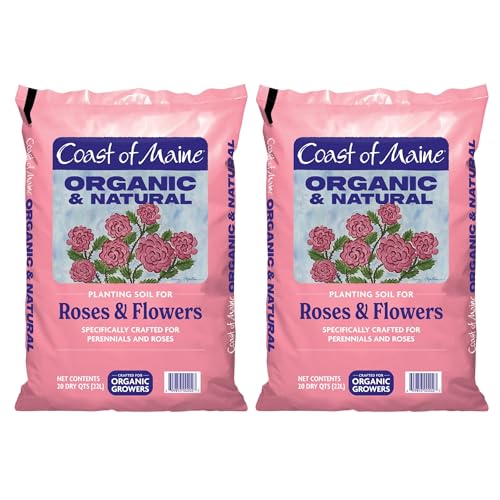
Coast of Maine Roses and Flowers 20 qt. (2-Pack)
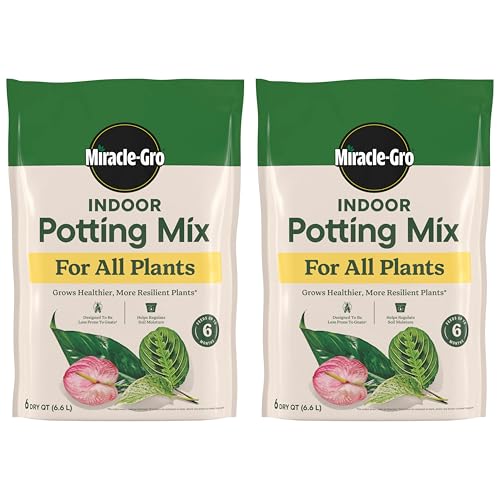
Miracle-Gro Indoor Potting Mix 6 qt., 2-Pack

Biotolot Chunky Perlite 3 Quarts (1/4 inch)
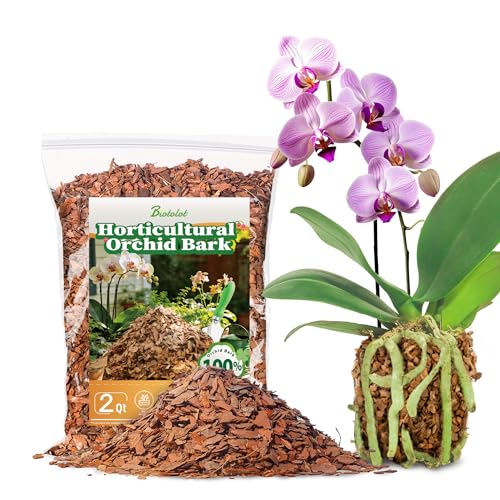
Biotolot 2 qt. Orchid Bark Horticultural Grade

FoxFarm Ocean Forest Potting Soil 12 Quart
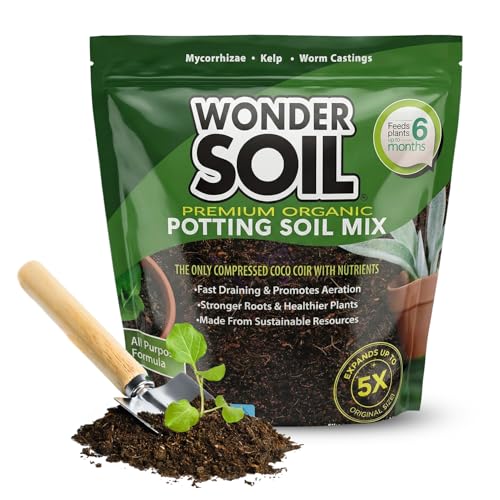
Wonder Soil Organic Potting Soil 12 Quarts

Wonder Soil 72 Quarts Compressed Coco Coir Block

Biotolot Bonsai Soil 2 qt. Organic Mix
The Strengths Of Each Pick
If you’ve ever grabbed a bag of potting soil at a hardware store and gotten decent results, this is the same idea in a larger outdoor format. The 32-quart total across two bags handles roughly four to six medium tulip pots, depending on pot size, and the blend is engineered for containers rather than ground beds. For most backyards, that’s the right starting point.
Unlike specialized mixes further down this list, Miracle-Gro’s outdoor potting mix is built to feed all types of potted plants, including flowers, vegetables, and shrubs, for up to six months. Tulips don’t need that full feeding window since they bloom and go dormant within weeks, but the slow-release nutrition helps if you’re pairing bulbs with annuals in the same pot.
What Helps Most
- Designed for outdoor containers, so it drains faster than garden soil.
- Feeds plants for up to six months, helping companion annuals in mixed pots.
- Two-pack format keeps cost-per-quart low for multi-pot planting.
- Widely available in stores too, so a top-up run is easy.
Things To Consider
- Not organic, which matters for some gardening styles.
- Bags can be heavy and awkward to carry from a porch to a rooftop garden.
- Widely reported to dry out faster than coir-based mixes in hot weather.
Feature Snapshot
Built With In Mind
Beginner gardeners filling a half-dozen patio pots with tulips and a few annuals.
Reach For A Different Pick When
Organic-focused gardeners should consider the Coast of Maine Roses and Flowers mix instead.
Coco coir is the fibrous husky outer shell of coconuts, dried and compressed into bricks. Add water and a brick the size of a paperback swells into loose, fluffy growing medium. Wonder Soil’s 3-pack claims to expand to about 30 quarts once hydrated, and the bricks arrive already loaded with worm castings, mycorrhizae (beneficial fungi that help roots absorb nutrients), and kelp. For apartment dwellers without a garden shed, the shelf footprint is the real sell.
Because coir holds moisture without compacting, tulip bulbs sit in a cushioned, well-aerated bed that resists the soggy rot that ends container plantings early. Compared to Miracle-Gro’s classic blend, you’re trading weight and bag space for a lighter end product that rehydrates on demand.
The Case For It
- Compressed bricks save closet and car space until you’re ready to plant.
- Pre-loaded with worm castings and mycorrhizae for a nutrient head start.
- Lightweight end product, easy to carry up stairs to balconies.
- Organic-friendly for gardeners avoiding synthetic feeds.
Small Caveats
- Expansion requires a large bucket and some stirring to break up clumps.
- Lower nutrient load than premium blends; tulips in pure coir may want a top-up feed mid-spring.
Whose Shelf It Belongs On
Small-space and balcony gardeners who need to store soil for weeks before planting.
A Better Fit Elsewhere
For a showpiece tulip display, FoxFarm Ocean Forest offers richer baseline nutrition than Wonder Soil.
Coast of Maine built this blend specifically for flowering plants, and it’s OMRI-listed for organic use (OMRI is the Organic Materials Review Institute, which certifies products allowed in certified-organic growing). The compost-forward mix balances moisture retention with drainage, which mirrors what tulip bulbs actually want: a damp but never waterlogged root zone. In our view, it’s a strong fit for organic gardeners who don’t want to mix their own.
The 40-quart two-pack covers roughly three to five mid-size containers, and the same blend works in flower beds too. Unlike the lighter Wonder Soil bricks, this arrives as a finished, ready-to-scoop compost that feels closer to traditional garden soil in texture.
Points In Its Favor
- OMRI-listed organic status, useful for certified-organic setups.
- Compost-based blend revives tired soil in reused containers.
- Doubles as a mulch top-dress for in-ground tulip beds.
- Works in both containers and flower beds without reblending.
Trade-Offs To Consider
- Heavier and more moisture-retentive than perlite-heavy mixes; needs careful watering in shallow pots.
- Compost can include fine particles that compact over a season.
Right Fit For
Organic-minded gardeners filling larger terracotta or ceramic tulip planters.
Where Another Pick Suits Better
Container gardeners in rainy climates should consider adding Biotolot Chunky Perlite to this mix for sharper drainage.
Forced tulips, the bulbs you chill and coax into midwinter bloom on a windowsill, want a lighter, peat-and-perlite-based blend rather than a dense outdoor mix. The Indoor Potting Mix uses sphagnum peat moss, coir, and perlite (a porous volcanic rock that keeps soil airy) to balance water retention with fast drainage. Two 6-quart bags cover a row of small windowsill pots without much leftover weight.
Compared to the outdoor 16-quart version reviewed above, this one is blended for the lower light and slower drying cycle of indoor containers. You may find the smaller volume limiting if you’re also planting larger patio pots.
What Stands Out
- Lightweight blend suits small windowsill tulip pots.
- Balanced sphagnum, coir, and perlite mix resists overwatering.
- Two-pack format avoids the bulk of outdoor bags.
- Ready to use straight from the bag.
Points To Note
- Only 12 quarts total, so big patio planters will need additional bags.
- Indoor mixes dry faster under direct sun on a south-facing sill.
Made For
Windowsill and sunroom gardeners forcing tulips for late-winter bloom.
Skip It When
Large outdoor planters are the goal; the outdoor Miracle-Gro Potting Mix 16 qt. is a better match.
Perlite is expanded volcanic glass, white, porous, and incredibly light. It doesn’t feed anything; it just keeps soil from clumping. The 1/4-inch chunk size in this bag is coarser than standard perlite, which means it stays put instead of floating to the top during watering. You blend it into a base mix rather than using it alone.
For tulip pots in rainy climates, mixing roughly one part perlite to three parts potting mix keeps the bulb’s shoulder above standing water. It’s an amendment, not a finished soil, but tulip growers in soggy zones may find it essential.
The Practical Payoff
- 1/4-inch chunk size resists floating and breaking down.
- pH neutral, won’t shift your base mix’s chemistry.
- Lightweight and stable, lasts across multiple seasons.
- Porous structure gives roots oxygen while draining fast.
Things To Weigh
- Not a complete soil on its own; requires a base mix.
- Dusty when first poured; wearing a mask during mixing is widely recommended.
Feature Snapshot
Best Suited To
Tulip growers in wet climates or heavy-soil regions who want to customize drainage.
Swap It Out When
A ready-to-use blend is preferred; FoxFarm Ocean Forest comes pre-aerated with perlite built in.
Pine bark is the classic chunky amendment for orchids, but the same air-pocket structure helps tulip bulbs that hate wet feet. This bark is screened to roughly 1/2 inch, natural and dye-free, and the voids between pieces let oxygen reach the bulb while excess water drains through. It’s a specialist’s tool, not a complete soil.
Compared to the Biotolot Chunky Perlite just reviewed, bark adds organic carbon that breaks down slowly and feeds soil life. Depending on your soil, one or the other may suit better. If you’re mixing for tulips in large containers that won’t be repotted for years, bark holds structure longer than perlite.
The Value In It
- Creates large air pockets for bulb roots.
- Natural pine bark, no dyes or synthetic additives.
- Horticultural grade screened to consistent 1/2-inch size.
- Breaks down slowly, contributing organic matter over time.
Honest Caveats
- Only 2 quarts, enough to amend a couple of pots rather than a full batch.
- Bark can wick moisture away from fine roots until fully saturated.
Who Should Grab It
Tulip growers building a custom coarse mix for big containers or raised beds.
Not Your Match When
A ready-to-pot soil is the goal; Coast of Maine Roses and Flowers works straight from the bag.
FoxFarm’s Ocean Forest is the heavyweight of the list, and the price-per-quart reflects it. Aged forest products, sphagnum peat moss, sandy loam, earthworm castings, fish meal, and crab meal go into a single bag. The texture is light and aerated, which sounds contradictory given the rich ingredient list, but the sandy loam and perlite content keep it loose enough for bulb roots to push through. This is the showpiece option.
For tulips specifically, the rich organic base gives bulbs a slow, steady feed through their short spring window. You may find the strong nutrient load overkill for a one-season bulb display, but if you’re combining tulips with perennials in the same large container, the extra feed pays off across multiple seasons.
Positive Points
- Multi-ingredient organic blend feeds bulbs and companion plants alike.
- Light, aerated texture despite the rich ingredient list.
- Trusted by container gardeners for both indoor and outdoor use.
- Ready to plant straight from the bag.
Potential Drawbacks
- Premium pricing puts it above the everyday Miracle-Gro option.
- Strong organic smell on opening, expected but worth noting.
- Nutrient-rich enough that tulips grown alone may stretch or flop in low light.
Feature Snapshot
Who It Suits Best
Serious container gardeners mixing tulips with perennials in showcase pots.
Consider Something Else When
Budget-focused shoppers should consider the Miracle-Gro Potting Mix 16 qt. 2-Pack for similar drainage at a lower tier.
This is the smaller sibling to the 30-quart Wonder Soil 3-pack reviewed earlier. A 3-pound compressed brick expands to about 12 quarts once hydrated, and the same nutrient load carries over: worm castings, mycorrhizae, kelp, and perlite. For one or two tulip pots on a balcony, the smaller volume avoids waste.
Same caveat as its larger counterpart: it’s peat-free, which appeals to gardeners avoiding peat bog harvesting, and it’s lightweight end-to-end. The smaller format means less leftover stored soil between seasons, which actually helps since hydrated coir can grow mold if bagged and forgotten.
Everyday Advantages
- Small brick size suits one- or two-pot tulip plantings.
- Peat-free and organic-friendly.
- Pre-mixed with perlite and worm castings.
- Easy to store before activation.
Practical Considerations
- Lower volume means per-quart cost runs higher than the 3-pack version.
- Still requires a soaking bucket and breaking up clumps.
Made For
Apartment and small-balcony gardeners planting just a few tulip containers.
Look Elsewhere When
Bulking up a large tulip bed is the goal; the Wonder Soil 72 Quarts block covers more ground per dollar.
Ten pounds of compressed coir expanding to roughly 72 quarts is a different scale entirely. This block is meant for gardeners planting dozens of tulip pots, filling a raised bed for cut flowers, or topping off multiple container plantings in a single session. The same nutrient amendments ship with it: worm castings, mycorrhizae, and kelp.
Hydration logistics matter here. A 10-pound brick needs a large tub, a hose, and time to fully break apart. Most growers report this works best as a planned project rather than a spontaneous Saturday morning.
Real-World Strengths
- 72-quart yield covers a serious planting session.
- Compressed format still saves shelf space until activation.
- Organic coir base with the same nutrient package as smaller Wonder Soil bricks.
- Lowest per-quart cost across the Wonder Soil lineup.
A Few Limitations
- Requires a large soaking container and patience to fully hydrate.
- Bulk volume is overkill for one or two tulip pots.
- Wet coir left in a pile can develop mold before you use it all.
Best Suited To
Cut-flower growers and landscape-scale container gardeners planting 20+ tulip pots in a single batch.
Another Choice May Suit
Small planters only; the 12-quart Wonder Soil brick fits one or two pots without waste.
Bonsai soil sits at the extreme end of the drainage spectrum, and that mix actually helps a specific tulip use case: forcing in shallow dishes or growing species tulips in bonsai-style containers. The blend uses pine bark, black and red volcanic rock, green zeolite (a porous mineral that holds nutrients and water), and perlite. All derived from natural sources, no synthetic shortcuts.
This isn’t a backyard tulip bed mix, and it’s priced and packaged for small specialty projects. But for shallow forcing bowls where regular potting soil stays too wet, this gritty mix drains fast and gives miniature bulbs the dry shoulder they need.
Where It Helps
- Gritty, fast-draining texture suits shallow forcing containers.
- All-natural ingredient list, no synthetic fertilizers.
- Zeolite component holds nutrients without staying soggy.
- Ready to use from the bag.
Where It May Fall Short
- Drains too fast for standard deep tulip pots in dry climates.
- Only 2 quarts, which won’t cover more than a couple of small bowls.
Perfect Match For
Tulip enthusiasts forcing miniature varieties in shallow ceramic dishes or troughs.
Where Another Pick Suits Better
Standard patio planters are the goal; Miracle-Gro Potting Mix 16 qt. is the more conventional fit.
What Matters Most When Choosing Soils For Tulips In Pots
Drainage matters more than nutrition for tulips in containers. The bulb’s resting season is wet and cool, and a mix that holds water turns dormant bulbs into mush within weeks. Look for blends that include perlite, coarse sand, or bark, and avoid anything labeled “moisture-retentive” or “water-retaining,” which often includes added polymers that work against tulips.
Texture and depth are the second consideration. Tulip bulbs sit roughly three times their own height below the soil line, so a deep pot needs a uniform loose mix all the way down. Compacted blends or topsoil dug from the yard settle and leave an air gap at the bulb’s base. Coco coir and peat-based mixes stay fluffy across a full season.
Organic versus conventional is more about gardening style than plant health. Tulips don’t care whether their nitrogen came from worm castings or a slow-release synthetic. Organic blends cost more per quart but matter if you’re growing food nearby, working toward certification, or simply prefer them. Conventional mixes like the Miracle-Gro options feed plants just as well for a one-season bulb display.
Climate and container shape tip the final decision. Rainy regions and shallow pots need extra drainage amendments, the chunky perlite or orchid bark covered earlier in this list. Dry, hot patios need mixes that don’t dry out in a single afternoon, which is where compost-forward blends like Coast of Maine earn their place. Pot material matters too: terracotta breathes and dries faster than glazed ceramic.
Key Things To Weigh Before You Pick
Common Shopping Slip Ups
Choosing a “garden soil” instead of a “potting mix” is the most common mistake. Garden soil is formulated to hold water in the ground; potting mixes are formulated to drain in a pot. Tulips planted in ground soil in a container sit in a soggy clump, and the bulbs rot before spring. The second slip is buying a moisture-control blend that promises to “reduce watering,” which works against tulips’ need for a dry dormancy.
Where The Extra Money Goes
Premium mixes like FoxFarm Ocean Forest cost more because of the ingredient list: fish meal, crab meal, earthworm castings, and aged forest products all carry higher sourcing costs than peat and perlite alone. You pay for slower nutrient release and richer organic content. For tulips alone, the upgrade is hard to justify; for mixed containers where tulips share space with perennials, the richer base supports plants across multiple seasons.
Frequently Asked Questions
Do Tulips Need Special Soil In Pots?
Tulips need a well-draining potting mix with a loose, gritty texture rather than moisture-retentive or heavy garden soil. Standard potting mixes work for most containers, and additions of perlite or bark improve drainage further. Specialty forcing mixes help in shallow dishes where standard blends stay too wet.
Can I Reuse Potting Soil From Last Year’s Tulips?
Reusing last season’s potting soil is workable if no disease showed up during the previous growth cycle. Refresh it by loosening compacted clumps and blending in roughly one-third fresh mix or perlite to restore structure and aeration. Tulip bulbs deplete some nutrients, so a light granular feed at planting gives the new batch a head start.
How Deep Should I Plant Tulip Bulbs In Pots?
Plant tulip bulbs roughly three times their height deep, measured from the bulb’s base to the soil surface. A 2-inch bulb sits about 6 inches deep in a pot at least 8 inches tall. Shallow planting leads to weak stems that flop in spring rain, so deeper containers tend to outperform window boxes.
Is Coco Coir Better Than Peat For Tulips?
Coco coir and peat moss both hold moisture and stay loose in pots, but coir rewets more easily after drying out and lasts longer across multiple seasons. Peat tends to repel water once it dries completely, which makes maintenance trickier in hot weather. For tulips’ short growing window, either works, though coir’s rehydration is a quiet advantage.
Should I Add Sand To My Tulip Potting Mix?
Coarse sand or grit helps if your base mix stays damp longer than expected. Adding roughly one part sand to three parts potting mix sharpens drainage for tulips in shallow or non-breathing containers. Fine play sand tends to compact and clog drainage holes, so horticultural sand or builder’s grit is the better choice.
The Takeaway
Tulips in pots reward a loose, well-draining mix more than anything fancy. For most gardeners filling a few patio containers, the everyday potting mixes handle the job without complications. Organic gardeners and small-space planters have tailored options in the Wonder Soil lineup, and anyone working in wet climates or shallow dishes benefits from the amendments further down the list. Match the bag to your pot size, climate, and how much mixing you actually want to do, and the bulbs will do the rest.
