

Growing vegetables in pots feels like cheating the seasons: a tomato here, some basil there, maybe a shy pepper plant you nursed through a cold snap. The catch is that container roots live in a small bubble of soil, and what you pour into that bubble decides whether your plants thrive or sulk. The right mix holds moisture long enough for roots to drink, drains fast enough that they don’t drown, and feeds gently without burning tender seedlings. For a balcony herb garden, a patio tomato patch, or a row of fabric grow bags along a sunny fence, the soil underneath matters more than the pot on top.
The Main Contenders

FoxFarm Ocean Forest Potting Soil, 1.5 cu ft

Coast of Maine Cobscook Blend In-Ground Garden Soil, 2 cu ft

Hoffman Canadian Sphagnum Peat Moss, 18 Quart

FoxFarm Ocean Forest Potting Soil with Plant Tags, 12 Quart (2 Pack)

FoxFarm Ocean Forest Potting Soil for Container Gardens, 12 Quart

FoxFarm Happy Frog Potting Soil, 2 cu ft

FoxFarm Ocean Forest Potting Soil for Container Gardens, 2 x 12 Quart

3 Pack Soil Sifter, Galvanized Steel Compost Sieve, 5-Gallon Bucket
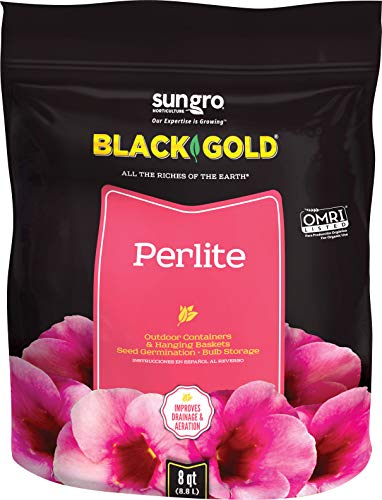
SunGro Horticulture Perlite, 8 Quart

Coast of Maine Bar Harbor Blend Organic Potting Soil, 16 Quart
More Details On Our Top Picks
Container vegetable beds need a soil that hits a moving target: heavy enough to anchor a toppling tomato, loose enough that young roots don’t suffocate. FoxFarm’s 1.5 cubic foot Ocean Forest bag arrives ready to use, no mixing or amending required for most setups. The texture is light and aerated, which matters more than first-timers expect because compacted soil in a pot strangles roots within a few weeks.
The blend pulls together earthworm castings, fish meal, crab meal, and aged forest products, giving roots a slow-release buffet instead of a single jolt. In a sunny patio bed growing peppers or bush beans, this mix tends to hold moisture through a hot afternoon without staying soggy overnight.
Points In Its Favor
- Ready out of the bag, no extra amendments needed for the first growing cycle.
- Light, aerated texture that resists compaction over a full season.
- Fish and crab meals feed steadily, supporting fruiting crops like tomatoes and squash.
- Works across vegetables, herbs, and flowers in the same bag, handy for mixed pots.
Things To Consider
- A single 1.5 cu ft bag covers roughly one large planter or a few mid-size pots, so larger patios need multiple bags.
- The rich organic scent is noticeable for the first week or two after opening.
Feature Snapshot
Who It Suits Best
Backyard and patio gardeners who want one dependable bag for tomatoes, peppers, herbs, and leafy greens without mixing their own blend.
Consider Something Else When
Budget-focused shoppers filling many small pots might prefer the smaller two-pack option, FoxFarm Ocean Forest 12 Quart (2 Pack), which spreads the same blend across more containers.
Cobscook Blend is the option to reach for when a raised bed or in-ground vegetable plot has run out of steam. Sphagnum peat moss, compost, and aged bark work together to fluff up dense native soil, which is exactly what tired beds need before a new planting round. Mix it into sandy plots to help them hold water, or work it through heavy clay to break up the tight structure.
The blend also works as a top-dress over established plantings, refreshing the upper few inches where feeder roots live. In a container, it is heavier than most ready-made potting mixes, so pair it with extra drainage holes or a layer of coarse material at the bottom.
Notable Upsides
- Combines peat moss, compost, and aged bark for balanced water retention and aeration.
- Doubles as a soil conditioner for tired in-ground beds and a top-dress for established rows.
- Loosens compacted clay and gives sandy soil something to hold onto.
Worth Noting
- Not formulated as a standalone container mix, so you may want to lighten it with perlite for potted veggies.
- Bark pieces can be coarse, and a quick rub through a screen helps for finer seed-starting use.
Made For
Gardeners refreshing raised beds or in-ground plots between seasons who want one bag that handles multiple soil problems.
A Better Fit Elsewhere
Container-only growers who never touch in-ground beds should look at the Coast of Maine Bar Harbor Blend Potting Soil, which is tuned for planters from the start.
Sphagnum peat moss is the sponge of any container mix: it soaks up water, holds nutrients, and gives roots something to grip. Hoffman’s New Brunswick grade is coarse and fibrous, which keeps it from clumping into a wet brick the way fine peat sometimes does. On its own, it is not a finished potting soil, but it is the building block many experienced gardeners reach for.
Blend it with perlite and vermiculite for a sterile soilless mix, or stir it into a basic potting soil to stretch moisture retention across a hot patio. Either way, the 18-quart bag covers a meaningful number of mid-size containers without breaking the budget.
Standout Benefits
- Coarse Canadian grade resists compaction better than finer milled peat.
- Boosts water and nutrient holding capacity in any homemade blend.
- Sterile base that suits seed-starting mixes for vegetables and herbs.
- Lightweight bag that’s easier to haul home than dense compost.
Points To Keep In Mind
- Needs to be paired with perlite or vermiculite to drain properly in containers.
- Dry peat moss sheds water at first, so wet it gradually before planting.
Best Suited To
DIY gardeners who like dialing in their own mix and want a consistent, fibrous base to build on.
Not Your Match When
Beginners who want a single bag to pour straight into a pot should choose the FoxFarm Ocean Forest 1.5 cu ft instead, since it arrives ready to plant.
A few herb pots on a windowsill or a strawberry jar on the porch don’t justify a 1.5 cubic foot bag. This two-pack ships the same Ocean Forest blend in smaller 12-quart bags, plus two plant tags for marking varieties or planting dates. It’s a tidy entry point for first-time container gardeners.
The included tags are a small but useful bonus: labeling “Genovese” versus “Thai” basil stops the guesswork later in the season. For anyone filling two or three small to mid-size pots, this pack lands at a friendlier size than the bulk bag.
Practical Advantages
- Smaller bags are easier to carry up stairs or through tight apartment doors.
- Same well-regarded Ocean Forest blend as the larger bag.
- Plant tags included for labeling varieties, useful when growing several herbs.
- Good fit for two or three small to mid-size containers.
Trade Offs
- Per-bag cost runs higher than the 1.5 cu ft option, so it’s not the thrifty choice for filling many large planters.
- Two bags total 24 quarts, which fills fewer pots than the bigger single bag.
Who Will Love This
Apartment gardeners and beginners setting up a small herb cluster on a balcony or kitchen ledge.
Swap It Out When
You need to fill five or more mid-size containers, in which case the FoxFarm Ocean Forest 1.5 cu ft bag offers better coverage per dollar.
Seedlings and cuttings have soft roots that punish dense soil, so a finer, lighter mix is worth its weight during the early weeks. This 12-quart bag carries the same Ocean Forest recipe in a manageable single-bag size. The texture favors aeration, which helps tiny root systems push through without resistance.
It also serves cuttings transitioning from water to soil, since the airy structure keeps tender stems from rotting. A single bag covers a propagation tray and a few starter pots, which is usually enough to launch a season of vegetables from seed.
Where It Helps
- Light texture gives seedlings room to push out early roots.
- Aged forest products, sandy loam, and sphagnum peat moss support steady drainage.
- Single 12-quart size suits a small propagation station.
- Transitions cuttings smoothly from water into a soilless-friendly base.
Some Limits To Know
- Twelve quarts runs out fast in larger planters, so plan on extra bags for mature tomato pots.
- Young plants still need regular feeding after a few weeks since seedling mixes drain nutrients quickly.
The Right Fit
Vegetable gardeners starting tomatoes, peppers, or herbs from seed who want a forgiving texture during the first month.
Look Elsewhere When
You’re filling large containers for the whole season, where the FoxFarm Ocean Forest 1.5 cu ft bag stretches much further per fill.
Happy Frog is the richer, gentler cousin of Ocean Forest, designed for plants that prefer a slower, steadier feed. Earthworm castings and aged forest products build the backbone, while the absence of cheap fillers and sludge keeps the texture consistent. For heavy feeders like container tomatoes, squash, or corn, that slow nutrition matters.
Roots confined to a pot can’t search far for food, so a mix that delivers organic matter steadily gives fruiting crops a head start. The 2 cu ft bag covers a generous patio garden, and the ingredients read like a thoughtful recipe rather than a generic blend.
Key Advantages
- Earthworm castings feed soil life and support root development.
- No topsoil, sludge, or cheap fillers means consistent quality throughout the bag.
- Strong fit for heavy-feeding fruiting vegetables in containers.
- 2 cu ft volume handles several mid to large planters.
Honest Caveats
- Costs more per cubic foot than the Ocean Forest line, which adds up across a big patio.
- Nutrients deplete after a month or so of vigorous growth, so supplemental feeding is still expected.
Quick Facts
Perfect Match For
Gardeners growing tomatoes, squash, or other heavy feeders who want a richer, slower-release container mix.
Reach For A Different Pick When
You’re filling many small herb pots, where the Coast of Maine Bar Harbor Blend 16 Quart offers a lighter touch at a smaller volume.
This two-pack version of the 12-quart Ocean Forest sits in a useful middle ground. The combined 24 quarts fills a cluster of mid-size containers, the kind of setup a small patio gardener might build with tomatoes, peppers, and a few herbs. Carrying two smaller bags is also easier than wrestling one large bag up a stoop.
The recipe inside matches the rest of the Ocean Forest family: aged forest products, sandy loam, and sphagnum peat moss for aeration and drainage. It’s a reliable refill option when one small bag isn’t enough and a 1.5 cu ft bag feels like too much.
What Helps Most
- Two-bag format spreads out evenly across several pots.
- Light texture suits the start-to-mid season root development of most vegetables.
- Easy to handle, store, and reseal between uses.
Room For Improvement
- Per-quart cost is higher than the larger 1.5 cu ft bag.
- Still not the thrifty choice for filling more than three or four mid-size planters.
Who Should Grab It
Small-space gardeners with three to five mid-size containers who want a manageable bag size without buying the bulk option.
Another Choice May Suit
Larger patios with bigger planters get better coverage and value from the FoxFarm Happy Frog Potting Soil, 2 cu ft bag.
Bagged soil is convenient, but homemade compost and recycled planter soil often hide sticks, stones, and stubborn clumps. A soil sifter tidies up rough material so it works in containers again. This three-pack of galvanized steel sieves nests inside a standard 5-gallon bucket and offers three mesh sizes.
The 1/8 inch mesh suits fine seed-starting mixes, the 1/4 inch handles general potting soil, and the 3/8 inch screens out coarse debris before topping up a raised bed. The galvanized build should hold up to repeated outdoor use across many seasons.
What It Does Well
- Three mesh sizes cover everything from fine seedling mix to coarse compost screening.
- Sits securely on a 5-gallon bucket, keeping the workspace clean.
- Galvanized steel construction resists rust across repeated wet-soil use.
- Three-pack means each mesh size stays separate, no swapping mid-task.
Soft Spots
- Not a soil itself, so it complements rather than replaces the other picks on this list.
- Best paired with a steady supply of compost or recycled soil to sift, otherwise it sits unused.
Core Details
Built With In Mind
Recyclers and composters who want to turn yard waste and old potting soil back into clean, container-ready material.
Where A Sibling Pick Shines
Gardeners who want to buy ready-made soil without processing anything should pick the FoxFarm Ocean Forest 1.5 cu ft instead.
Perlite is the white, popcorn-like mineral that loosens soil and lets air reach roots. SunGro’s 8-quart bag is the right size for tweaking a few pots at a time rather than committing to a huge amendment supply. Stir a generous scoop into any potting soil that stays soggy after watering.
It’s also sterile and lightweight, which makes it a clean medium for starting seeds or rooting cuttings. Mixed into peat-based blends, perlite creates the airy structure that container vegetables need during early root development.
The Practical Payoff
- Improves aeration and drainage in dense or compacted potting mixes.
- Sterile medium, safe for seed-starting and cuttings.
- Lightweight and easy to scoop, mix, and store.
- Doesn’t break down over time, so one bag lasts across multiple seasons.
Factors To Consider
- Not a soil on its own, so it requires a base mix like Hoffman Canadian Sphagnum Peat Moss or a finished potting soil.
- Dust when pouring, so mixing outdoors or wearing a simple dust mask helps.
Key Product Details
Whose Shelf It Belongs On
DIY gardeners who blend their own mix and want a reliable, long-lasting drainage amendment on hand.
Skip It When
You’re buying a complete potting soil and don’t plan to customize, since the FoxFarm Ocean Forest 12 Quart already drains well out of the bag.
Bar Harbor Blend is the Coast of Maine option tuned for containers rather than in-ground beds. Sphagnum peat moss, compost, and perlite build a fluffy base, while lobster and crab shell meal plus kelp meal add a marine layer of trace nutrients. For vegetable planters, those extras feed fruiting crops steadily.
Sixteen quarts covers a meaningful cluster of small to mid-size pots, enough for a kitchen herb garden plus a few larger vegetable containers. The organic formulation suits gardeners who prefer natural amendments throughout the season.
Useful Touches
- Includes lobster and crab shell meal along with kelp meal for trace nutrients.
- Organic formulation fits naturally grown vegetable gardens.
- Designed for containers, no extra amending needed for most planters.
- Sphagnum peat moss, compost, and perlite balance moisture and drainage.
Where It Is Less Suited
- Per-quart cost is higher than bulk peat or perlite if you’re filling very large containers.
- Smaller 16-quart bag means bigger patios need several bags at once.
Feature Card
Who Should Grab It
Organic-leaning gardeners with a few small planters of herbs, salad greens, or compact tomato varieties.
A Better Fit Elsewhere
Gardeners with many mid-size planters find better value and volume in the FoxFarm Happy Frog Potting Soil, 2 cu ft bag.
What Matters Most Before Choosing Soils For Vegetable Container Gardening
Drainage vs. Water Retention
Container roots face a tricky balance. They need air around them, but they also need steady access to water. A good vegetable potting soil keeps both in play: coarse ingredients create channels for air and drainage, while peat, compost, or coir hold enough moisture that roots don’t dry out between waterings. Soils that stay soggy invite root rot, especially in tomatoes and peppers during cool stretches.
Nutrients Built Into The Mix
Because container roots can’t roam outward to find food, the soil itself has to feed the plant for at least the first stretch of the season. Look for blends that include compost, worm castings, or organic meals like kelp, fish, or crab. Heavier feeders such as tomatoes, squash, and corn appreciate richer mixes like Happy Frog, while lighter crops like lettuce and herbs thrive in milder blends such as Bar Harbor.
Texture and Aeration
Light, fluffy soil is easier for young roots to push through. Dense or compacted mixes strangle seedlings and slow water movement. Amendments like perlite or coarse sand open up the structure, which matters most in clay pots or fabric grow bags where the soil can settle over time.
Bag Size and Handling
A 1.5 or 2 cubic foot bag is heavy and awkward but covers a lot of pots. Smaller 12-quart bags are easier to carry up stairs and store between uses. Picking a bag size that matches the number of pots prevents leftover soil sitting around losing freshness.
Key Considerations Across These Picks
Common Shopping Slip Ups
The biggest mistake is grabbing any bag labeled “garden soil” rather than “potting soil.” Garden soil is designed for in-ground beds and compacts fast in containers, choking roots within a few weeks. Another frequent miss is ignoring pot size: a tiny herb pot needs only a small bag, while a half-whiskey-barrel planter burns through one quickly.
When Paying More Pays Off
Higher-tier blends cost more per cubic foot, but they typically include richer organic amendments and avoid cheap fillers. For heavy feeders in larger containers, the extra cost often translates into steadier growth and less supplemental feeding. Light feeders in small pots rarely justify the premium, so match the bag to the crop.
Frequently Asked Questions
Can I Use Regular Garden Soil In Vegetable Containers?
Garden soil compacts in pots and restricts air flow, so it’s not recommended. Use a dedicated potting mix that includes peat, compost, and perlite to keep roots healthy.
How Often Should I Replace Potting Soil Each Season?
Refresh the top few inches each year and replace the full volume every two to three seasons. Heavy feeders and crowded containers need more frequent refreshes than sparse plantings.
Do I Need To Add Fertilizer If The Mix Already Contains Compost?
Most bagged mixes feed plants for roughly four to six weeks. Plan on supplemental feeding after that, especially for tomatoes, peppers, and other heavy feeders.
Is Perlite Or Vermiculite Better For Containers?
Perlite improves drainage and aeration, which suits most vegetable containers. Vermiculite holds more water and nutrients, which helps mixes that dry out fast in hot sun.
Can I Mix Different Bagged Soils Together?
Yes, blending two or three of these products is a common way to dial in texture and drainage. A 50/50 mix of a peat-based soil and perlite, for instance, gives an airy blend for seedlings.
Wrap Up
The best soil for your container garden depends on what you’re growing and how much space you have. A single 1.5 or 2 cubic foot bag of a trusted blend like Ocean Forest or Happy Frog covers most patios, while smaller bags and amendments help fine-tune the setup. Match the mix to the crop, refresh it yearly, and your vegetables will repay you all season long.
