

Growing vegetables in containers only works when the medium inside supports strong root development, consistent moisture, and steady nutrition. Garden soil from the yard compacts fast in pots, suffocates roots, and invites disease, which is why a dedicated container mix matters so much. Whether you’re setting up a balcony herb corner, a patio tomato patch, or a windowsill of leafy greens, the right base changes everything.
You’ll find everything from compressed coir bricks that expand into fluffy medium to rich, ready-to-use blends packed with organic amendments. Each pick below earns its spot for a specific reason, and the buying guide that follows the lineup covers what actually matters when you’re shopping.
The Choices Worth Comparing

Organic Plant Magic Soluble Plant Food + Compressed Organic Potting Soil

MODELLOR Coco Coir Bricks 4-Pack (5 lb, 9 Gallons Yield)

FoxFarm Ocean Forest Potting Soil (1.5 cu ft)

Compressed Organic Potting Soil (Coir + Worm Castings)

Organic Plant Magic Compressed Soil + Slow Release Granules

Compressed Organic Potting Soil 2-Pack (Worm Castings)
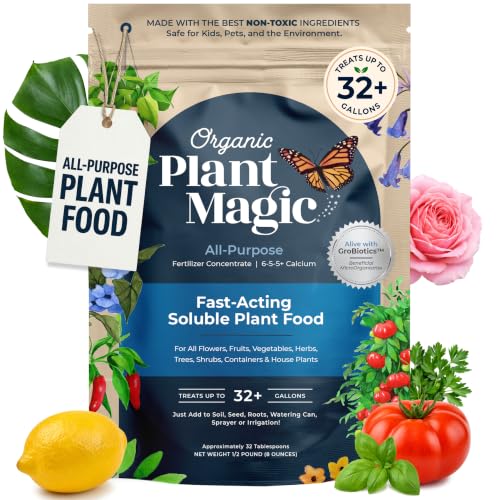
Organic Plant Magic All-Purpose Fertilizer (1/2 lb)

Organic Plant Magic Slow Release Granules (4 lb)

Organic Plant Magic Soluble + Slow Release Bundle
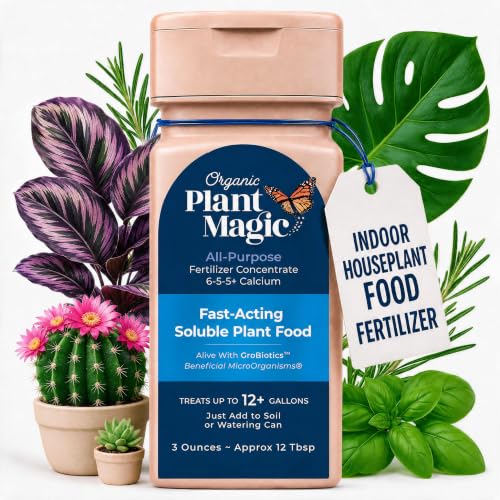
Organic Plant Magic Indoor Plant Food (3 oz Shaker)
A Deeper Look At The Lineup
This bundle pairs a compressed potting soil with a fast-acting soluble plant food, giving you both the base medium and the nutrition in a single order. For container vegetable gardeners who don’t want to piece together separate soil and fertilizer purchases, the pairing removes a layer of guesswork. The compressed soil expands roughly four times its original volume once you add water, which means a small bag turns into a meaningful amount of finished growing medium.
The soluble concentrate mixes with water and covers a sizeable footprint for everyday feeding. For most balcony and patio setups running a handful of pots, one bundle can stretch across a full growing season. This pick works particularly well for newcomers who want the soil and the food to come from the same trusted source rather than mixing brands.
Real-World Strengths
- Two products in one order simplifies first-time setup
- Compressed format saves shelf space before use
- Soluble feed mixes quickly for routine watering
- Soil expansion means less hauling than heavy bags
Points To Note
- Expansion volume assumes thorough hydration
- Bundle pricing may exceed buying separately if you already own food
- Some users report occasional dry clumps that need breaking up
Who It Suits Best
New container gardeners who want a matched soil-and-feed starter without researching two separate products.
A Better Fit Elsewhere
If you already own a quality liquid fertilizer and just need bulk medium, the FoxFarm Ocean Forest Potting Soil serves you more directly.
Coco coir comes from coconut husks and works as a renewable alternative to peat-based mixes, which is why it’s showing up in more container gardens every season. The MODELLOR bricks arrive as four compact blocks that, once hydrated, expand into roughly nine gallons of fluffy growing medium. Apartment gardeners with limited closet space appreciate that a small stack of bricks replaces a bulky bag of pre-mixed soil.
The triple-washed, low-EC formulation matters because raw coir carries natural salts that can stress seedlings. The pH-balanced profile plays nicely with most vegetable starts, though you may find the medium itself fairly neutral on nutrients. That makes it a strong base to which you can add your own amendments or pair with a slow-release granular feed.
A Few Highlights
- Tiny footprint before hydration, easy to store
- Renewable resource with consistent texture
- Pre-washed to reduce salt buildup in pots
- Fluffy structure resists compaction in containers
Honest Caveats
- Needs separate nutrition since coir alone is low in nutrients
- Hydration takes planning; add water well before planting
- Four-pack quantity may be more than small-scale gardeners need
Made For
Small-space gardeners who want a peat-free medium and don’t mind adding their own fertilizer on top.
Consider Something Else When
Vegetable gardeners who prefer an all-in-one mix with built-in nutrition should look at the FoxFarm Ocean Forest instead.
FoxFarm Ocean Forest sits at the higher end of consumer potting soils and shows up in container gardens for a reason. The blend uses earthworm castings, fish meal, crab meal, and other organic amendments to create a medium that supports vigorous vegetable growth without much supplemental feeding early on. For tomatoes, peppers, and leafy greens in larger containers, the texture strikes a careful balance between moisture retention and drainage.
The 1.5 cubic foot bag suits established gardeners running multiple sizeable pots, though smaller setups may only need a fraction per season. Compared to the compressed organic options earlier in this lineup, you trade storage savings for a heavier, ready-to-use bag that needs no hydration step. Worth noting: the rich ingredient list means a slightly higher upfront cost per bag.
The Good Stuff
- Pre-blended with organic amendments for early nutrition
- Aerated texture reduces compaction in long-term pots
- Ready to use straight from the bag
- Trusted by experienced container vegetable growers
Some Limits To Know
- Heavier to carry and store than compressed formats
- Higher upfront cost per cubic foot
- May be more soil than small herb gardens require
Feature Snapshot
Right Fit For
Experienced container gardeners running multiple sizeable pots who want a premium, ready-to-use blend.
Skip It When
You only need a few small herb pots, in which case the MODELLOR Coco Coir bricks offer a lighter option.
This compressed blend leans on coconut coir for structure and worm castings for slow-release nutrition, which together produce a well-rounded starter medium. The granules arrive dry and lightweight, expanding up to four times their original volume once water hits them. For gardeners hauling soil up stairwells or storing it in a small closet, the compact format solves a real logistics problem.
Worm castings (the nutrient-rich output of earthworms) bring gentle organic fertilization that doesn’t burn tender seedlings. The resealable bag keeps unused material fresh between sessions, though you’ll want to break up any clumps before mixing. Compared to the MODELLOR bricks, this option includes built-in nutrition so you can plant immediately after hydration.
Good Reasons To Consider
- Lightweight format simplifies transport and storage
- Worm castings feed seedlings gently without burning
- Resealable bag preserves freshness between uses
- Works for indoor or outdoor container setups
Where It May Fall Short
- Requires thorough mixing during hydration to avoid dry pockets
- Single-bag yield suits smaller gardens best
- Nutrient content eventually depletes and requires supplementation
Best Suited To
Container gardeners starting seeds and transplants who want a lightweight, organic medium with built-in mild nutrition.
Reach For A Different Pick When
Large patio gardens that need bulk volume right away may benefit more from the FoxFarm Ocean Forest bag.
This pairing brings together the compressed soil medium and a slow-release granular fertilizer, simplifying the early-stage nutrition question for new gardeners. The soil expands up to four times its dry volume once you add water, creating roughly three gallons of finished medium per package. The granules cover up to 1,000 square feet of garden space, meaning a small bag stretches across many containers.
For someone starting their first container garden, the slow-release aspect matters: you sprinkle the granules once, and they feed plants over an extended period rather than demanding weekly feedings. This eliminates the most common mistake beginners make, which is forgetting to fertilize mid-season. The setup works for vegetables, herbs, and flowering pots in roughly equal measure.
Positive Takeaways
- Slow-release format forgives forgotten feedings
- Compact bag stores easily in small apartments
- Covers a wide area per package
- Suits vegetables, herbs, and ornamentals together
Trade-Offs
- Granule coverage assumes even distribution across all pots
- Slow release means slower visible results than liquid feeds
- Less suited to very heavy feeders like fruiting tomatoes
Quick Facts
Whose Shelf It Belongs On
First-time container gardeners who want a forgiving feeding schedule and don’t want to track weekly fertilizing.
A Better Fit Elsewhere
Heavy feeders like tomatoes and peppers in production setups may prefer the faster-acting soluble concentrate from Item 1.
This two-pack format delivers the same compressed, worm-castings-enhanced medium as a sibling product but split across two smaller bags. For households where a curious dog or toddler might investigate an open bag, the smaller format means you hydrate what you need and store the rest sealed. The kid-and-pet-safer framing reflects the gentle organic ingredient list rather than harsh synthetic additives.
Each bag expands up to four times its dry size once hydrated, producing roughly three gallons of finished medium. Gardeners running multiple small pots benefit from opening one bag at a time rather than committing to a larger volume upfront. The honest read is that this is a thoughtful repackaging of a proven formula rather than a fundamentally different product.
Everyday Perks
- Smaller bags mean fresher medium per use
- Gentle organic ingredients suit family spaces
- Compact storage fits crowded garden sheds
- Worm castings support steady seedling growth
Things To Weigh
- Two-bag format may cost more per pound than single bags
- Still requires separate nutrition for heavy-feeding crops
Perfect Match For
Family households with pets and small children, where sealed, gentler organic inputs make sense for patio and porch pots.
Swap It Out When
You run a larger patio garden and want one big bag of pre-blended soil, in which case FoxFarm Ocean Forest is the better route.
This water-soluble concentrate isn’t a soil itself, but it pairs with whatever medium you choose and handles the feeding side of container vegetables. A half-pound bag makes over 32 gallons of liquid plant food, which means a small container covers an entire growing season for most home setups. The all-purpose formula works across vegetables, herbs, flowers, and houseplants alike.
For gardeners who’ve already settled on a preferred soil and just need consistent nutrition, this concentrate fills that gap. Mixing it into your regular watering routine means no special feeding schedule or measuring beyond a simple scoop per watering can. The catch is that it requires regular application, since liquid feeds wash through the pot faster than slow-release options.
Bright Spots
- One container feeds vegetables and houseplants
- Makes over 32 gallons of liquid food per bag
- Dissolves quickly for routine watering
- Suits organic gardening preferences
Things To Consider
- Requires consistent application for best results
- Doesn’t replace the need for a quality base soil
Built With In Mind
Gardeners who already own a preferred soil and need a versatile, all-purpose liquid feed to keep container vegetables productive.
Another Choice May Suit
If you’d rather skip routine mixing and prefer once-a-season feeding, the slow-release granular option from Item 8 fits better.
The four-pound slow-release granular bag suits larger container vegetable setups and small raised beds alike. You sprinkle the granules into planting holes, mix them into the soil, or top-dress around existing plants, and they feed over an extended window without further effort. For gardeners who’d rather not track weekly feedings, that hands-off approach removes a recurring chore from the routine.
The spreadable format works well across vegetable gardens, flower beds, shrubs, and fruit trees, so a single bag covers a varied landscape. Indoor container gardeners should apply lighter doses, since pots don’t dilute nutrients the way open ground does. Compared to the liquid concentrate from Item 7, this option trades responsiveness for convenience.
Benefits That Matter
- One application feeds over an extended period
- Spreads easily by hand or with a simple spreader
- Large bag covers vegetable beds and many pots
- Suits indoor and outdoor plantings in one formula
Softer Spots
- Slower to show visible results than liquid feeds
- Over-application in small pots can cause salt buildup
Who Should Grab It
Container vegetable gardeners with larger setups who prefer set-it-and-forget-it feeding over routine applications.
Where Another Pick Suits Better
For quick nutrient boosts on struggling plants, the fast-acting soluble concentrate from Item 9 delivers faster visible recovery.
This bundle combines the fast-acting soluble concentrate with the slow-release granular fertilizer into a two-stage feeding plan. You use the liquid for quick nutrient boosts during transplanting or recovery, then rely on the granules to maintain baseline nutrition over the season. Long-season growers running tomatoes, peppers, and continuous-harvest greens benefit most from the layered approach.
For gardeners who treat container vegetables as a serious hobby rather than a casual experiment, the dual format covers both the urgent and steady-state needs. You may find the upfront cost higher than a single product, but the flexibility of having both feed types on hand pays off across a full growing calendar. The components come packed separately so each stays fresh until needed.
Practical Advantages
- Two feed formats address different growth stages
- Liquid gives fast results when plants need a boost
- Granules handle long-term maintenance feeding
- Single purchase covers a full season’s nutrition plan
Practical Considerations
- Higher upfront cost than single-product options
- Requires understanding when to use which format
Technical Highlights
The Right Fit
Dedicated container vegetable growers managing heavy feeders and long seasons who want fast and slow nutrition in one purchase.
Look Elsewhere When
Casual herb gardeners may be better served by a single liquid concentrate like the one in Item 7.
The 3-ounce shaker format targets windowsill herb gardeners who keep a small cluster of pots in the kitchen or on a sunny counter. The water-soluble concentrate inside mixes into your regular watering routine, and a single shaker makes over 12 gallons of liquid feed. For someone tending a few basil plants or a row of lettuce pots, that coverage stretches across many months.
The shaker top simplifies measuring, so you’re not fumbling with spoons or scoops mid-watering. Apartment dwellers with limited storage appreciate the tiny footprint, and the gentle organic ingredient list suits indoor air-quality concerns. The honest read is that this format trades bulk savings for everyday convenience in tight living spaces.
What Works In Its Favor
- Tiny shaker fits on small kitchen shelves
- Makes over 12 gallons of liquid feed
- Shaker top simplifies measuring for routine watering
- Suits indoor herbs and small vegetable pots
Worth Bearing In Mind
- Small format costs more per ounce than larger bags
- Less suited to outdoor patio gardens with many pots
- Requires consistent watering routine to maintain feeding schedule
Who Will Love This
Windowsill and countertop herb gardeners who want a compact feed that fits next to the watering can in a small kitchen.
Not Your Match When
Larger outdoor container setups will run through a 3-ounce shaker quickly, in which case the 1/2-pound bag from Item 7 makes more sense.
What Actually Matters When Buying Soil And Feed For Potted Vegetables
Container vegetables live in a tiny root zone, so the medium has to do more work than ground soil. Good drainage ranks first, because roots sitting in waterlogged mix suffocate within days. Moisture retention sits right behind it, since pots dry out faster than open beds and vegetables hate wild swings between soggy and bone-dry.
Texture makes a real difference in how roots explore the pot. Light, aerated blends with ingredients like coco coir, perlite, or coarse compost let roots push through easily, while dense, fine-textured mixes compact fast and choke growth. Nutrient content varies widely, with pre-blended options like FoxFarm Ocean Forest feeding plants for weeks, while plain coir needs supplementation from day one.
For most home gardeners, the right starting point is a blend that balances drainage, moisture, and modest nutrition, paired with a feeding strategy that matches how often you actually water. Heavy feeders like tomatoes and peppers need more nutrition than a single application, while lettuces and herbs get by with lighter feeding. Matching the medium and the feed to your crop list matters more than chasing the most expensive bag.
Container size shapes the choice too. Large pots tolerate richer, water-holding blends, while small pots dry out so quickly that a lighter, faster-draining mix reduces the risk of rot. If you’re filling more than a few medium containers, bulk options save money over time; for a couple of small herb pots, compressed formats keep storage simple.
Shopping Slip-Ups And Where The Premium Pays Off
Pitfalls Shoppers Hit
Reaching for garden soil from the yard is the most common mistake, and it backfires in pots. Ground soil compacts fast, drains poorly, and often carries weed seeds and pathogens that thrive in the warm, moist conditions inside a container. Another slip is assuming the medium has enough nutrition for the whole season, which leaves plants starving halfway through summer when fruiting crops need their biggest nutrient push.
A third trap is picking the cheapest bag without checking texture, since bargain mixes can be overly fine and slow to drain. Reading the ingredient list and looking for aerating components like perlite, coir, or compost helps you avoid that disappointment.
Where The Extra Money Goes
Premium blends cost more because they include richer organic amendments like worm castings, fish meal, and aged compost that feed plants gently over time. They also tend to have better texture consistency, which means less sifting and more reliable drainage across the bag. The trade-off shows up in the bag: heavier weight, higher upfront cost, and sometimes a stronger earthy smell.
For most home gardeners running a handful of containers, premium blends pay off during the first critical weeks of root establishment and early growth. For larger patio gardens, the cost difference adds up quickly, so mixing premium soil with a consistent feeding program using a mid-tier medium can stretch your budget without sacrificing results.
Frequently Asked Questions
Can You Use Regular Garden Soil In Vegetable Pots?
Garden soil compacts badly in containers, suffocates roots, and often introduces weeds and disease. A dedicated potting mix with lighter texture and better drainage is the safer choice for vegetables in pots.
How Often Should You Replace Potting Soil In Containers?
Most container vegetables benefit from fresh medium each season, since nutrients deplete and structure breaks down over time. Refreshing the top few inches between plantings also helps maintain aeration without a full swap.
Do Vegetables In Pots Need Fertilizer Even With Good Soil?
Yes, because the limited root volume runs out of nutrition faster than open ground. Most vegetables need supplemental feeding within a few weeks of planting, whether through slow-release granules or routine liquid applications.
Is Coco Coir Better Than Peat-Based Potting Mix?
Coco coir is renewable and rehydrates reliably, while peat-based mixes are traditional and widely available. Both work well for containers, though coir tends to retain moisture more evenly and resists compaction over time.
What’s The Best Way To Water Vegetables In Containers?
Water deeply until it runs from the drainage holes, then let the top inch dry before watering again. This encourages roots to grow downward and reduces the risk of rot in the lower portion of the pot.
The Takeaway
The right medium and the right feeding plan turn container vegetables from a hopeful experiment into a reliable harvest. Match the soil to your pot sizes, your watering habits, and the crops you grow most, and supplement with a feed that suits how often you actually tend the garden. Once those pieces click, the rest of the season tends to take care of itself.
