

ZZ plants earn their reputation as nearly indestructible houseplants, but even these tough survivors stumble in dense, waterlogged potting mix. Their rhizomes (the potato-like storage structures beneath the soil) rot fast when moisture lingers, so the right growing medium matters more than most plant parents realize.
Whether you are repotting a single ZZ, refreshing a tired container, or building your own mix from scratch, the picks below cover everything from ready-to-use blends to individual amendments. Each option below plays a specific role, so a short read here saves months of guessing.
A Side-By-Side Look
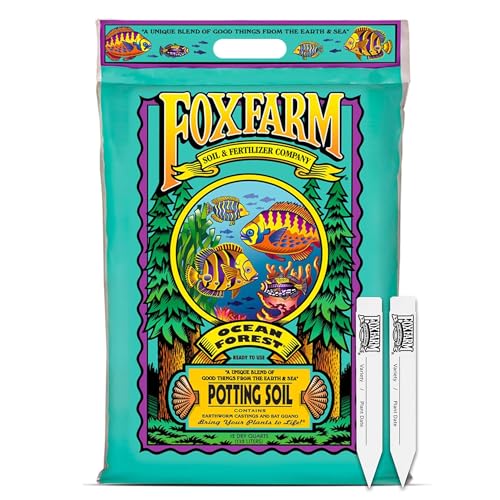
FoxFarm Ocean Forest Potting Soil 12 Quarts with Plant Tags

Legigo 4 Quarts Organic Perlite

FoxFarm Ocean Forest Potting Soil 1.5 cu ft

Legigo 15 Quarts Organic Perlite

Legigo 20 Quarts Organic Perlite

Legigo 6 Quarts Organic Perlite

Biotolot 3 Quarts Chunky Perlite 1/4 Inch
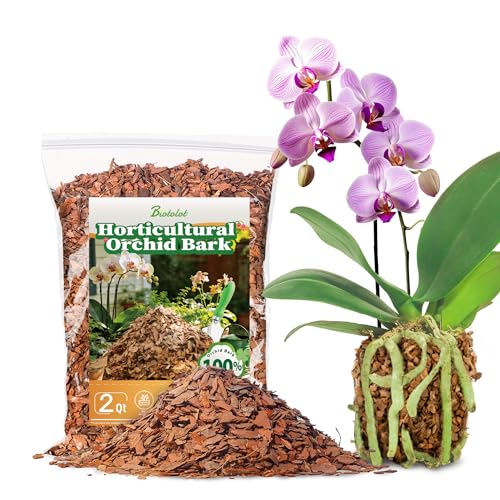
Biotolot 2qt Orchid Bark Horticultural Grade
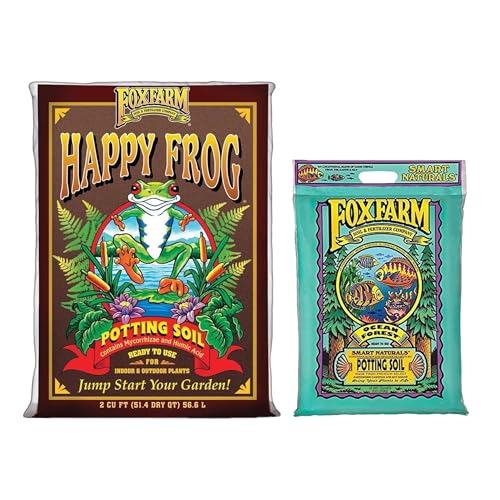
FoxFarm Happy Frog 2 cu ft + Ocean Forest 12qt

Biotolot Bonsai Soil 2QT Organic Mix
Taking A Closer Look At The Options
The 12-quart Ocean Forest bag is the kind of soil you grab when you want one product that works without thinking. It comes ready to use straight from the bag, which removes the guesswork for anyone repotting a ZZ into a fresh container after a year or two in the original nursery mix.
The blend includes earthworm castings, fish meal, and crab meal as organic amendments, so a single mid-sized ZZ typically gets enough nutrition to settle in without an immediate feeding schedule. Compared to perlite-only picks later in this list, this one delivers a complete base rather than an ingredient to add to something else.
The Case For It
- Ready to use straight from the bag, no mixing required
- Light, aerated texture that resists compaction over time
- Two included plant tags help label variety and repotting dates
- Organic amendments feed the plant gradually during establishment
- Convenient 12-quart size suits a single ZZ repotting without leftovers
Things To Consider
- Smaller volume means repurchasing for larger ZZ collections
- Organic ingredients can attract fungus gnats in very moist conditions
Right Fit For
Anyone repotting a single ZZ plant who wants a balanced, nutrient-rich medium without sourcing separate amendments.
A Better Fit Elsewhere
People refreshing multiple containers at once get better value from FoxFarm Ocean Forest Potting Soil 1.5 cu ft further down this list.
Perlite (a heated volcanic glass that expands into porous white particles) is the workhorse of any well-draining mix, and a small four-quart bag is the right size when you only need to amend one or two pots. Mixed at roughly one part perlite to three parts base soil, it opens up the texture enough to keep ZZ rhizomes from sitting in moisture.
Because it is pH-neutral, this Legigo perlite will not shift the chemistry of your existing blend, which matters when repotting a ZZ that already tolerates a fairly wide pH range. Compared to the larger Legigo sizes covered later, this version avoids the storage challenge of keeping a bulky amendment around for years.
Features That Help
- Compact size fits on a shelf or in a closet without taking over storage
- pH-neutral particles won’t shift existing soil chemistry
- Coarse grade resists breaking down into dust quickly
Worth Noting
- Not a standalone growing medium, must be mixed with base
- Dust during pouring means working over a tray or outdoors
Feature Snapshot
Whose Shelf It Belongs On
Beginners amending a single ZZ pot or apartment dwellers with very limited storage space.
Look Elsewhere When
You are repotting multiple plants at once and want fewer repeat orders, in which case Legigo 15 Quarts Organic Perlite below makes more sense.
The 1.5 cubic foot version is the same Ocean Forest formula as the smaller 12-quart bag, just at a scale that suits a serious plant household. A single bag handles roughly ten to fifteen mid-sized ZZ repottings, so the per-pot value improves noticeably for anyone with a growing collection.
The light, aerated texture still holds enough structure to support the thick ZZ stalks without becoming overly dense over a season. Compared to the perlite options later, this one arrives as a finished soil rather than a component, which simplifies decisions for those who do not want to fiddle with separate amendments.
Notable Upsides
- Large volume reduces per-repot expense across many plants
- Aerated texture holds structure through multiple watering cycles
- Organic amendments support healthy rhizome development
- Same proven formula as the smaller 12-quart bag
Trade Offs
- Bulky bag needs a dry storage spot like a garage or shed
- Overkill for someone repotting only one or two plants
Made For
Collectors with a multi-plant ZZ setup or anyone refreshing a whole shelf of containers in a single session.
Not Your Match When
You only need a quart or two for a single small pot, in which case FoxFarm Ocean Forest Potting Soil 12 Quarts above is the more sensible choice.
Fifteen quarts lands in the practical middle ground for anyone amending several ZZ containers across a season. The size covers roughly three to five mid-sized repottings at a one-to-three perlite-to-soil ratio, which is the common blend that keeps rhizomes healthy.
Like the smaller Legigo perlite above, the volcanic glass origin keeps the particles lightweight and porous so water moves through freely. The trade-off versus the four-quart version is mostly storage, since a fifteen-quart bag takes up noticeably more room in a closet or under a bench.
Points In Its Favor
- Covers multiple repottings without reordering mid-season
- pH-neutral so it blends into any base soil
- Coarse particles resist compacting in lower-quality mixes
- Lightweight bag is easy to carry from door to work area
Small Caveats
- Requires a dry storage spot to keep the bag from absorbing moisture
- More perlite than one ZZ repotting truly needs
Best Suited To
Plant parents refreshing several ZZ containers over a few months who want to keep perlite on hand without committing to a twenty-quart bag.
Consider Something Else When
You only ever repot one plant at a time and lack storage, since Legigo 4 Quarts Organic Perlite above is the more compact option.
Twenty quarts is the largest Legigo perlite size here, aimed at anyone running a multi-shelf ZZ collection or sharing amendments across other houseplants. The bag covers five or more mid-sized containers comfortably, which keeps a steady supply on hand through a full repotting cycle.
Like its smaller siblings, the perlite stays pH-neutral and porous, so it pulls water away from the rhizome zone efficiently. The honest read is that this volume only makes sense if you have somewhere dry to keep it, since damp perlite clumps and loses its airy structure.
Everyday Perks
- Bulk volume lowers the cost per repotting job
- pH-neutral particles blend into any base mix
- Stays effective across long storage when kept dry
Room For Improvement
- Big bag needs a garage, shed, or dedicated storage bin
- Excess supply can clump if humidity enters a partially sealed bag
Feature Snapshot
Who Should Grab It
Multi-plant households and ZZ collectors who want perlite stocked up for a year of repotting work.
Swap It Out When
You live in a small apartment with no dry storage, since Biotolot 3 Quarts Chunky Perlite later offers a far smaller footprint.
Six quarts covers about one or two mid-sized ZZ containers comfortably, which makes it the right size when you only need a modest amendment boost. The bag tucks into a shelf or cabinet without dominating floor space.
Compared to the larger Legigo perlite versions covered earlier, this one reduces waste if you tend to repot infrequently. You get the same volcanic, porous material without committing to a bulk size that might sit half-used for months.
What Stands Out
- Modest bag fits in a small closet or under-sink space
- pH-neutral particles suit any base soil blend
- Reduces the chance of stale, half-used perlite going to waste
A Few Limitations
- Runs out quickly for anyone repotting more than two plants
- Pouring creates fine dust that settles on nearby surfaces
Perfect Match For
Plant parents repotting a single ZZ or two in the near term who prefer smaller, manageable supply runs.
Reach For A Different Pick When
You maintain a large ZZ collection and want to stock up once, in which case Legigo 20 Quarts Organic Perlite above delivers better value.
The quarter-inch particle size sets this perlite apart from finer grades on the market. Larger chunks create bigger air pockets in the mix, which is helpful when you want extra drainage under a ZZ rhizome that hates staying wet.
Three quarts is enough for one generous ZZ repotting at a heavy amendment ratio, which suits anyone who tends to overwater. Compared to standard perlite grades from Legigo earlier, this chunkier size holds its structure longer without breaking down into dust between waterings.
Everyday Advantages
- Larger particles create stronger airflow around roots
- Resists breaking down into fine dust over time
- pH-neutral so it integrates into any base mix
Points To Note
- Small three-quart volume covers only one repotting at a stretch
- Larger chunks may shift to the bottom of pots during heavy watering
Feature Snapshot
Who Will Love This
Overwaterers or anyone who wants chunkier drainage than standard perlite grades provide.
Skip It When
You want a finer-textured amendment, since Legigo 6 Quarts Organic Perlite above uses a more standard particle size.
Orchid bark is the chunky pine bark that aroid and orchid growers swear by, and a small bag like this lets you add the same texture to a custom ZZ mix. The roughly half-inch pieces introduce air pockets similar to chunky perlite but with organic material that breaks down slowly over time.
The bark is screened to a fairly uniform size, which helps it distribute evenly through the base soil. Compared to pure perlite amendments earlier, this option brings organic structure rather than mineral particles, which some growers prefer for a more naturalistic mix.
The Good Stuff
- Adds organic chunky texture that resists compaction
- Slowly breaks down to release minimal nutrients over time
- Natural pine bark suits aroid-style custom mixes
- Uniform screening distributes evenly through base soil
Honest Caveats
- Organic material eventually breaks down and needs refreshing
- Two-quart bag covers only one or two repotting jobs
- Best used alongside perlite for balanced drainage
Built With In Mind
DIY mix builders who want a chunky organic texture similar to aroid or orchid blends.
Another Choice May Suit
You want a mineral-only amendment that never decomposes, in which case Biotolot 3 Quarts Chunky Perlite earlier is the more stable pick.
This pairing puts two FoxFarm formulas in one shipment: a two cubic foot bag of Happy Frog plus a 12-quart bag of Ocean Forest. Happy Frog is amended with soil microbes (beneficial bacteria and fungi that support nutrient uptake) and aged forest products, while Ocean Forest brings the fish and crab meal blend already familiar from earlier in this list.
The bundle suits anyone who wants to compare the two FoxFarm approaches side by side, or who maintains a mixed collection of ZZ plants alongside other houseplants with different needs. Compared to a single Ocean Forest bag, the combination gives more flexibility for tailoring different containers to different species.
Strengths Worth Knowing
- Two formulas cover a wider range of houseplant needs
- Happy Frog’s microbial content supports nutrient efficiency
- Bundle format ships together for one combined order
- Ocean Forest portion doubles as the single-bag pick reviewed earlier
Possible Compromises
- More soil than a single ZZ household typically needs at once
- Two formulas require understanding which plants prefer which blend
- Bundled shipping weight may be heavier than expected
The Right Fit
Mixed houseplant households that want both FoxFarm formulas stocked up for varied repotting projects.
Not Your Match When
You only grow ZZ plants and want a single-purpose purchase, since FoxFarm Ocean Forest Potting Soil 12 Quarts earlier is the simpler choice.
The Biotolot bonsai blend arrives as a ready-to-use specialty medium rather than a single ingredient. It combines pine bark, black and red volcanic rock, green zeolite (a porous mineral that holds and slowly releases moisture and nutrients), and perlite, which gives a ZZ plant a fast-draining base straight from the bag.
Two quarts covers a single small specimen container, which makes this a fit for miniature ZZ arrangements or tabletop pots. Compared to the perlite-only options earlier, this blend trades simplicity for a complete drainage-focused formula that needs no extra mixing.
What Pays Off
- Ready-to-use blend skips the measuring and mixing step
- Volcanic rock components add weight and stability to tall pots
- Zeolite helps retain some moisture without waterlogging
- Pine bark contributes slow organic breakdown for gentle nutrition
- All-natural components suit organic-focused growers
Things To Weigh
- Small volume only fits one tiny ZZ container
- Premium blend costs more per quart than bulk soil
Best Suited To
Small ZZ specimens in tabletop containers where a premium, ready-to-use blend matters more than volume.
Consider Something Else When
You are repotting a full-sized ZZ into a larger pot, since FoxFarm Ocean Forest Potting Soil 1.5 cu ft earlier gives far more volume at a lower per-quart cost.
What Matters Most When Picking A Medium For Your ZZ
ZZ plants survive a wide range of conditions, but their rhizomes rot fast when soil stays wet for too long. Drainage is the single most important attribute to weigh, far more than any fertilizer claim on the bag.
Aim for a mix that lets water pass through within a few seconds and dries down to a barely-moist state within a week. Pre-blended soils like FoxFarm Ocean Forest handle this well on their own, while denser garden soils almost always need perlite mixed in at roughly one part perlite to three parts soil.
Particle size also shapes how the medium behaves over time. Standard perlite grades work for most situations, but chunky quarter-inch perlite creates larger air pockets for anyone who tends to water too often. Organic chunky additions like pine bark bring texture but slowly break down, which means refreshing the mix every year or two.
Container size matters as much as the soil itself. A ZZ in a small pot dries out faster and forgives heavier mixes, while a ZZ in a large container sits in moisture longer and needs aggressive drainage. Match the soil texture to the pot, not just to the plant.
Finally, consider your watering habits honestly. If you forget to water for weeks, a slightly moisture-retentive blend with pine bark or zeolite buys you margin. If you water on a schedule without checking moisture first, lean toward the chunky, fast-draining side.
Key Considerations Across These Picks
Common Shopping Slip Ups
The most frequent mistake is grabbing a generic outdoor garden soil or a moisture-control blend designed for ferns and tropicals. Those mixes hold too much water for ZZ rhizomes and frequently lead to yellowing stems and soft, mushy bases within a season.
Another slip is assuming any “indoor” or “houseplant” label means the same thing. Many houseplant mixes target moisture-loving species like calatheas and pileas, which is the opposite of what a ZZ prefers. Read ingredient lists for perlite, bark, or volcanic content, not just the front-of-bag marketing.
Where The Extra Money Goes
Premium blends like the Biotolot bonsai mix cost more because they arrive as complete formulas with multiple components already measured and screened. You pay for the convenience of skipping the mixing step and for ingredients like zeolite that you would otherwise source separately.
The upgrade makes sense for small specimen containers where convenience matters and where the volume is modest. For larger ZZ collections or frequent repottings, the bulk FoxFarm Ocean Forest bag or a large perlite bag paired with a basic mix delivers nearly the same drainage result at a far lower cost per quart.
Frequently Asked Questions
Do ZZ plants need cactus soil or regular potting mix?
Neither extreme is ideal. Pure cactus soil drains too fast to retain any moisture, while standard potting mix holds too much. Aim for a middle-ground blend or amend a regular mix with about 25 to 30 percent perlite for balanced drainage.
How often should you repot a ZZ plant?
Most ZZ plants only need repotting every two to three years, since they prefer being slightly root-bound. Watch for roots circling the drainage holes or water running straight through without absorbing as signs that a refresh is due.
Can you use orchid bark alone for a ZZ?
Pure orchid bark drains too aggressively and lacks the nutrient content a ZZ needs over the long term. Use it as part of a mix alongside a base soil and perlite rather than as a standalone medium.
Is perlite safe for indoor use around pets and children?
Perlite is a natural mineral and is not toxic, though the fine dust can irritate lungs if inhaled in large amounts. Pouring over a tray or mixing outdoors keeps dust contained, and wet perlite generates almost none.
What causes yellow stems on a ZZ plant even with good soil?
Yellow stems typically point to overwatering or to a pot without proper drainage holes. Even the best soil cannot save a plant sitting in standing water, so check that containers have functioning drainage and that watering only happens when the top two inches of soil feel dry.
Wrap Up
A ZZ plant rewards a slightly hands-off approach, but the soil underneath sets the ceiling for how well it can thrive. Pick a blend or amendment mix that drains quickly, matches your watering style, and fits the size of your container.
For most ZZ owners, a ready-to-use bag like FoxFarm Ocean Forest handles the job without extra effort. Builders who want full control over texture will get more mileage from perlite, orchid bark, or a specialty blend used together. Either path leads to the same destination: a ZZ plant that grows steadily without rotting at the base.
