

Most store-bought potting soils quietly underperform. Bag after bag looks dark and rich, then your seedlings stall, your succulents rot at the base, and your moisture-loving herbs crisp up between waterings. The reason usually traces back to the mix itself, not your watering schedule.
This lineup covers the soil side of gardening for 2026, from compressed coir bricks that expand into seedling starter to coarse perlite that opens up dense native soil, plus a few organic amendments worth mixing in by the handful. Container gardeners, bonsai keepers, and patio veggie growers will all find a sensible match below.
The Main Contenders

MODELLOR Coco Coir Bricks 4-Pack (5 lb)

Legigo 4 Quarts Organic Perlite

FoxFarm Ocean Forest Potting Soil 1.5 cu ft
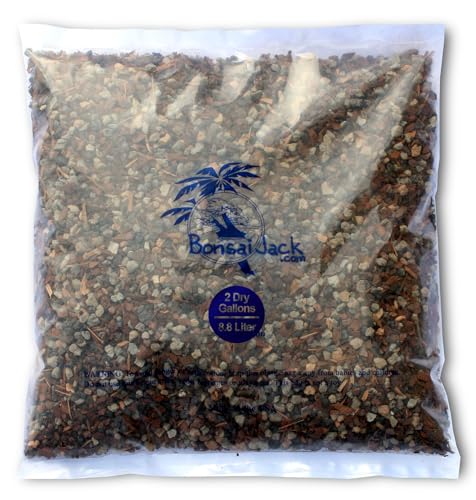
Bonsai Jack Universal Organic Bonsai Soil Mix #221 (2 Gallons)

Char Bliss Organic Biochar (8 Qts)

Organic Plant Magic Compressed Potting Soil

Worm Bliss Organic Worm Castings (1 Qt)

Legigo 15 Quarts Organic Perlite

Legigo 20 Quarts Organic Perlite

Legigo 6 Quarts Organic Perlite
Compressed coco coir, the fibrous husk material from coconut shells, has become a quiet favorite for indoor growers because it expands dramatically once water hits it. Each brick in this four-pack weighs around 5 lb and loosens into roughly 9 gallons (36 quarts) of fluffy medium. For apartment dwellers without a garage, that brick form is a real storage win compared to the bulky bags used by FoxFarm Ocean Forest later in the list.
The triple-washed, pH-balanced process matters more than the marketing copy suggests. Lower salt levels (called low-EC in the trade) keep tender seedlings from burning at the root zone. For most seed-starting trays and small container gardens, this coco coir behaves predictably, and you may find it easier to rewet than peat-based mixes that tend to repel water once they dry out.
What It Does Well
- Four-brick format stows on a closet shelf without taking up floor space.
- Low-EC washing reduces the salt risk that can stall young roots.
- Rehydrates quickly in a bucket, so a single tray can be ready in under an hour.
- 9 gallons of finished medium from a 5 lb pack handles a full tray of seedlings plus a few small pots.
- Organic composition fits organic-leaning herb and veggie setups.
Honest Caveats
- Needs its own nutrients added; coir is mostly a structure, not a fertilizer.
- Hydration requires a clean bucket and a few minutes of breaking the brick apart by hand.
Quick Facts
Built With In Mind
Apartment growers and balcony herb gardeners who start seeds on a windowsill and need something lightweight, predictable, and easy to store.
Look Elsewhere When
Heavier-feeding vegetable beds will do better with FoxFarm Ocean Forest, which ships with organic nutrition already mixed in.
Perlite is the white, pebble-like volcanic glass that’s been heated until it pops, and it does one job: keep soil loose and airy. This 4-quart bag from Legigo is the smallest of its line, which makes it a sensible entry point if you only have a couple of pots to refresh. Compared to the larger 15- and 20-quart Legigo bags further down, this one fits inside a kitchen drawer if you really need it to.
The grade runs coarse and consistent, so it drains well in cactus and succulent blends. Because perlite is pH neutral, you can fold it into almost any existing mix without nudging the chemistry one way or another. For most small indoor gardeners, that neutral character is exactly what you want.
The Value In It
- Coarse, even particle size for predictable drainage in small pots.
- pH-neutral stone that won’t shift your existing mix’s chemistry.
- Compact 4-quart bag fits where bigger perlite bags simply cannot.
Points To Note
- Fine dust tends to come up when pouring, so use it outdoors or wear a basic mask.
- Runs out fast for anyone working with more than a few medium-sized containers.
Right Fit For
Small-space growers with a handful of succulents or a single windowsill planter who want a tidy bag they can actually finish before it goes stale.
Consider Something Else When
Anyone mixing up a large batch of cactus or raised-bed soil should grab the Legigo 20 Quarts Organic Perlite instead and skip the constant restocking.
FoxFarm’s Ocean Forest is the kind of bag you tip into a pot and immediately notice how light it feels, almost like the airiness has been engineered in. The 1.5 cu ft size lands in that sweet spot for a serious patio collection without burying your trunk. Where the MODELLOR bricks start sterile and need feeding, this mix walks in already loaded with organic amendments like earthworm castings, fish meal, and crab meal.
For most container gardeners growing tomatoes, peppers, or foliage houseplants, that built-in nutrition gives you a noticeable head start. The texture holds moisture without compacting, so roots can push through it without hitting a dense pocket. If you keep a varied collection on a balcony, you may find this is the bag you keep coming back to.
Everyday Wins
- Pre-charged organic nutrition means less supplemental feeding early on.
- Light, aerated texture reduces the risk of root rot in standard containers.
- 1.5 cu ft size handles roughly three to four large pots per bag.
- Works straight out of the bag with no mixing or amending required.
Trade-Offs
- Heavier and bulkier to ship than the MODELLOR brick format, so storage planning helps.
- Higher organic load means a faint earthy smell that’s noticeable right after opening.
Made For
Container vegetable growers and indoor plant collectors who want a nutrient-loaded mix they can pour straight from the bag without any prep work.
Skip It When
Seed-starting trays prefer the cleaner, sterile profile of MODELLOR Coco Coir Bricks, which won’t introduce fungal activity to tender young roots.
Bonsai soil is a different animal from regular potting mix, and Bonsai Jack has built its reputation on that distinction. This Universal #221 blend is screened to remove fines and pre-washed so it arrives ready to use. The 2-gallon size suits a small bench of two or three trees, with the option to scale up through the brand’s larger formats for bigger collections.
The mix lands at a pH of 6.4, which sits in the comfortable zone for most tropical and deciduous bonsai. The screened particles keep air pockets open, which matters more in a shallow bonsai pot than in a deep container. Compared to FoxFarm Ocean Forest, this blend drains far faster and carries almost no built-in fertility, which is the point.
What Stands Out
- Screened and pre-washed for immediate use right out of the bag.
- Optimized pH around 6.4 fits the majority of tropical and deciduous species.
- Open particle structure prevents waterlogging in shallow bonsai pots.
- Available in multiple sizes from 2 quarts up to 28 gallons for growing collections.
Less Ideal Details
- Low fertility means you must feed on a regular schedule from day one.
- Fast drainage translates to more frequent watering than FoxFarm Ocean Forest.
Best Suited To
Bonsai keepers with a small bench of trees who want a screened, professional-grade blend rather than improvised DIY mixes.
Reach For A Different Pick When
General-purpose container gardens will be happier with FoxFarm Ocean Forest, which carries nutrients and moisture retention built in.
Biochar is charcoal made for soil, not the grill. Plantonix’s Char Bliss is sourced from wood and tree trimmings, then processed for horticultural use. The 8-quart bag is a useful middle ground between the small perlite bags earlier in the list and the heavy bulk amendments. Because it’s OMRI-listed, organic-focused gardeners can fold it into a bed or mix without certification concerns.
The practical draw of biochar is its porous structure, which holds water and nutrients in the root zone longer than plain soil would. Added at modest rates, it improves cation exchange, the soil’s ability to hold positively charged nutrients like potassium and calcium. For most raised beds and larger planters, that’s a slow-building improvement you won’t see overnight but will appreciate over a season.
Real Benefits
- OMRI-listed status fits certified organic operations and gardens.
- Improves nutrient retention through high cation exchange capacity.
- Adds long-term porosity to compacted native soil when blended in.
- Ethically sourced from wood and tree trimmings rather than mined materials.
Factors To Consider
- Works best when “charged” with compost or fertilizer before being added to soil.
- Effects build over months, so quick-fix gardeners won’t see instant results.
Whose Shelf It Belongs On
Long-game vegetable gardeners and regenerative-soil enthusiasts who mix amendments into raised beds each season and want steady improvement.
Another Choice May Suit
Quick seasonal refreshers will get faster visible results from Worm Bliss Organic Worm Castings, which feeds the soil biology directly.
Organic Plant Magic’s compressed soil comes in granules that expand up to four times their volume once you add water, producing roughly 3 gallons of finished medium. The resealable bag is a small touch, but for anyone without a shed, it’s the difference between a usable product and one that dries out in the closet. Compared to the MODELLOR bricks above, this format feels more like pouring and mixing than wrestling with a dense brick.
The blend pulls together coconut coir and worm castings, so it leans toward ready-to-use fertility rather than sterile structure. For most indoor herb gardeners and small transplant projects, that combination cuts a step out of your routine. Depending on your watering style, the lighter texture can dry out faster than FoxFarm Ocean Forest, which holds moisture longer.
A Few Highlights
- Granulated form expands up to 4x, producing about 3 gallons per bag.
- Resealable packaging keeps unused product from drying out between uses.
- Coir-and-castings blend provides baseline nutrition alongside structure.
- Lightweight format works for indoor or outdoor transplanting.
Things To Consider
- Smaller finished volume per bag than the FoxFarm 1.5 cu ft option.
- Fine granules benefit from thorough mixing to avoid dry pockets.
Who Should Grab It
Apartment dwellers without outdoor storage who want a soil they can tuck in a cabinet and pull out only when repotting a few pots.
Not Your Match When
Larger raised beds and patio collections will run through this bag too quickly, making FoxFarm Ocean Forest the more practical buy.
Worm castings are essentially worm compost, and they’re one of the gentlest organic amendments you can add to a soil mix. Plantonix’s Worm Bliss comes in a 1-quart jar, which is a modest size but reflects how little you actually need per application. The OMRI-listed certification matters here: this is a clean, vegan, manure-free source of organic matter for growers who track inputs closely.
You’d use this by top-dressing a few tablespoons around the base of a plant, or stirring it into a fresh mix at roughly 10-20%. The castings carry nitrogen, phosphorus, potassium, and a long list of trace minerals that feed soil life. Where Char Bliss earlier in the list builds soil over time, worm castings feed biology directly and show results within a watering cycle or two.
Advantages To Know
- OMRI-listed, vegan, and manure-free for clean-input gardens.
- Compact 1-quart size is enough for many small applications.
- Provides nitrogen, phosphorus, and potassium in gentle proportions.
- Works for indoor houseplants, outdoor vegetables, and flower beds alike.
Small Caveats
- Small jar runs out quickly for gardeners with multiple beds or planters.
- Higher application rates mean a noticeable dent in the bag for big projects.
Perfect Match For
Houseplant keepers and small-scale veggie growers who top-dress monthly and want a clean organic input they can measure by the spoonful.
Swap It Out When
Larger bed renovations benefit more from Char Bliss Organic Biochar, which builds longer-term soil structure with a single amendment pass.
The 15-quart Legigo perlite hits a useful middle ground in the brand’s lineup. It’s roughly four times the volume of the 4-quart bag reviewed earlier, so a single bag covers a serious repotting session without ballooning into a garage-filling 20-quart purchase. The coarse grade stays consistent across the Legigo line, so swapping bag sizes doesn’t change your mix’s behavior.
For most succulent and cactus growers, perlite makes up anywhere from 30-50% of the final blend. That math means a 15-quart bag will see you through several medium pots before needing a restock. You may find the dust level settles once you’ve opened and aired the bag a few times, but expect some cloud on first pour.
A Few Strong Suits
- Mid-size volume suits a half-dozen medium pots per bag.
- Same coarse grade as the rest of the Legigo perlite line.
- pH-neutral stone pairs cleanly with peat, coir, or compost bases.
- Horticultural grade pulls water away from sensitive roots efficiently.
Honest Caveats
- Initial pour kicks up fine dust, so mixing outdoors is the usual play.
- Heavier than the 4-quart option, so plan a clear path from door to potting bench.
Right Fit For
Mid-range succulent collectors and repotting hobbyists with a moderate number of pots who want one bag per session without overbuying.
Reach For A Different Pick When
Garden-scale soil blending calls for the Legigo 20 Quarts Organic Perlite, which keeps the same grade but covers bigger batches in a single purchase.
The 20-quart Legigo is the largest perlite option in this roundup and the one to reach for when you’re rebuilding multiple beds or mixing big batches of cactus soil at once. The coarse grade is identical to the smaller Legigo bags above, so the only real difference is how many pots the bag will see you through. For most serious growers, this size removes the need to chase restocks mid-project.
Because perlite is so light, a 20-quart bag is bulkier than it is heavy, so plan a clear spot to store it somewhere dry. Once opened, the bag reseals adequately for short-term use but benefits from a clip or tote for longer storage. Where Bonsai Jack earlier targets specialty mixes, this bag supports the heavy-feeding, well-draining blends that fruiting vegetables and tropical foliage prefer.
Standout Benefits
- Largest perlite bag in the roundup for multi-bed and bulk-mix projects.
- Coarse, evenly sized particles for reliable drainage results.
- pH-neutral volcanic stone compatible with most base mixes.
- Same trusted grade as the rest of the Legigo perlite line.
Less-Strong Areas
- Bulky to store once opened, so a dry tote or covered bin helps.
- Pouring in still air kicks up noticeable dust on first use.
Who Will Love This
Active gardeners managing raised beds, large container collections, or community garden plots who mix soil in real volume rather than by the cup.
A Better Fit Elsewhere
Apartment dwellers with a single windowsill planter will overbuy with this size and should stick with the Legigo 4 Quarts Organic Perlite.
The 6-quart Legigo sits between the smallest 4-quart bag and the bigger 15-quart option, and it’s a sensible entry point for someone trying perlite for the first time. The coarse grade keeps cactus and succulent top-dressing looking clean while doing the underlying drainage job. Compared to the 20-quart heavy-use pick, this size actually feels manageable to pour without setting up a workspace outside.
The pH-neutral character means you can stir it into peat, coir, or compost without disturbing the chemistry of your existing mix. Most beginners learn their perlite ratio by trial and error, and starting with a smaller bag means you can recalibrate before committing to a bulk purchase. You may find the bag reseals adequately for one or two more sessions before the contents start shedding fine dust.
Notable Upsides
- Manageable 6-quart size for first-time perlite users.
- Coarse, even particles clean up well as a succulent top dressing.
- pH-neutral stone blends into most base mixes without altering pH.
- Same grade as the larger Legigo perlite bags for predictable results.
Things To Weigh
- Limited volume if you end up repotting more than a few medium pots.
- First pour produces fine dust, similar to the rest of the line.
Made For
Beginners testing out a cactus or succulent mix who want a small bag to experiment with before committing to a larger perlite purchase.
Look Elsewhere When
Once you know your ratio and want to scale up, the Legigo 20 Quarts Organic Perlite offers the same grade in a much larger volume.
Factors To Weigh Before Choosing Soil Mixes
Match The Mix To The Plant
The single biggest decision is what you’re actually growing. Seedlings want a sterile, low-EC medium like MODELLOR Coco Coir Bricks, while mature containers appreciate the built-in fertility of FoxFarm Ocean Forest. Bonsai trees need the screened, fast-draining profile of Bonsai Jack Universal Organic Bonsai Soil Mix #221, and succulents lean heavily on perlite blends. Choosing by plant type saves you from correcting problems later.
Understand What Each Amendment Actually Does
Perlite, the Legigo bags across this list, opens up dense soil and speeds drainage. Coco coir holds moisture in a light, rewettable structure. Worm castings feed soil biology and add gentle nutrients. Biochar, like Char Bliss, holds nutrients at the root zone over many seasons. Knowing which job each product performs prevents the common mistake of buying three amendments that all do the same thing.
Plan Around Storage And Volume
Apartment gardeners should weigh the brick, granule, and small-bag formats more heavily than raised-bed growers. Compressed products like MODELLOR bricks and Organic Plant Magic’s granules stow on a shelf, while a 20-quart perlite bag demands a dry corner of a garage. Match the package size to your actual project scale, not the tempting “bulk” option.
Check For Clean-Input Certifications When It Matters
Organic-focused gardeners and anyone keeping strict input records should look for OMRI-listed products like Char Bliss and Worm Bliss. The certification confirms the amendment has been reviewed for organic-compliance use, which becomes important in regulated or audited garden setups.
Smart Choices For Your Soil Setup
Where Shoppers Go Wrong
The most common slip-up is buying a generic “potting soil” and expecting it to handle every plant on the shelf. A moisture-loving fern and a desert cactus share almost no soil preferences, so a one-bag-fits-all approach usually disappoints. Another quiet mistake is overlooking pH, since some plants want the slightly acidic 6.4 range of Bonsai Jack while others prefer neutral mixes like perlite. For most home growers, the honest read is that two or three targeted products beat one universal bag.
What The Higher Tier Buys
Premium mixes like FoxFarm Ocean Forest earn their position by arriving pre-charged with organic nutrition like earthworm castings, fish meal, and crab meal, so you skip several rounds of supplemental feeding early on. Specialty blends like Bonsai Jack Universal Organic Bonsai Soil Mix #221 also justify a higher tier by being screened and pre-washed, which removes a step you’d otherwise handle yourself. The upgrade pays off when time saved on prep work and steadier plant performance add up across a season.
Frequently Asked Questions
How Do I Pick Between Coco Coir And Traditional Potting Soil?
Coco coir is lighter, rewets more easily after drying, and starts nearly sterile, which makes it a strong choice for seed starting and hydroponic-style setups. Traditional potting soils like FoxFarm Ocean Forest arrive with organic nutrition already mixed in, so they suit established container plants. Pick coir for control and lighter weight; pick traditional mixes when you want less supplemental feeding.
Is Perlite Necessary If My Potting Soil Already Drains Well?
Perlite still helps if your existing mix compacts over time or your climate runs humid. Adding perlite at 10-30% by volume keeps air pockets open at the root level. In dry climates with already-loose mixes, you can often skip it, but for most indoor containers, perlite is a quiet insurance policy against root rot.
Can Worm Mixes Replace Fertilizer Entirely?
Worm castings carry a gentle balance of nitrogen, phosphorus, and potassium plus trace minerals, but they release slowly and at modest concentrations. Heavy feeders like tomatoes and peppers usually need supplemental feeding during peak growth. For most leafy greens and houseplants, worm castings can carry the season when used as a regular top-dressing.
How Long Does Biochar Last In Soil?
Biochar is one of the most stable soil amendments available and can persist in the root zone for many years, slowly releasing its held nutrients and improving porosity over time. A single application of Char Bliss typically keeps working across multiple growing seasons, which is part of what makes it feel like a long-game investment rather than a quick fix.
Should I Sterilize Bagged Soil Before Using It Indoors?
Most bagged mixes arrive clean enough for direct indoor use, especially premium blends that have been screened or pre-washed. Seed-starting work sometimes benefits from an extra level of caution, but for mature houseplants, the prep is usually unnecessary. The honest read is that sterilization rarely matters unless you have a known pest or fungal issue to break.
Bottom Line
Across this list, the right soil mix depends less on brand and more on what you’re growing and where you keep it. Apartment seed starters will get the most from compressed coco coir, container gardeners will lean on FoxFarm Ocean Forest, and perlite in three sizes covers everything from a single windowsill to a full raised bed. Pick the format that matches your scale, store it dry, and your plants will tell you quickly if you got it right.
