

A cactus sitting in soggy potting mix is a slow-motion problem. Roots suffocate, rot creeps in, and a plant that should outlive your couch quietly collapses. The right soil changes everything, and the gap between a thriving windowsill cactus and a waterlogged casualty usually comes down to what is in the bag.
You do not need a horticulture degree to sort this out. You need a gritty, well-draining blend that matches your plant type and your watering habits, plus a sense of which amendments actually do the work. The lineup below covers ready-to-use mixes, specialty blends for lithops and orchids that double for cacti, and mineral amendments you can stir into whatever you already own.
A Closer Look At The Lineup

FoxFarm Ocean Forest Potting Soil, 1.5 cu ft

Char Bliss Organic Biochar Soil Amendment, 8 Qts

Dalton’s Orchiata Bark Small, 1 Gallon

Micro Landscape Lithops Soil Mix, 3 lb

Spike & Bloom Bonsai Soil Mix, 4 Qts

Spike & Bloom Succulent Soil Mix, 4 Dry Qts
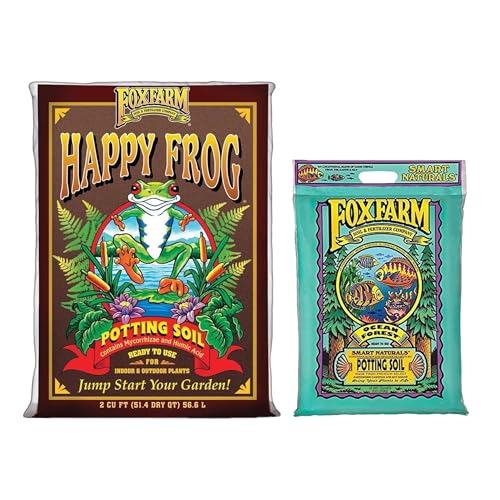
FoxFarm Happy Frog 2 cu ft + Ocean Forest 12 qt

Spike & Bloom Cactus Soil Mix, 8 lb / 4 Qts

NOHOBE Hard Akadama Bonsai Soil, 2.5 lb

Horticultural Pumice, 14 Dry Quarts
More On The Choices That Made The List
FoxFarm Ocean Forest arrives ready to pour, and that convenience is the main reason it lands at the top of a cactus list even though it was not blended exclusively for succulents. The texture reads light and crumbly out of the bag, with visible organic matter that suggests decent water retention without collapsing into mud. For most cacti, you will want to lean on this as a base and consider stirring in extra pumice or grit to push the drainage further, especially for moisture-sensitive species.
People repotting a windowsill collection, or anyone moving plants up into larger nursery pots, get the most from this bag. Container life is the sweet spot, and the 1.5 cu ft volume handles a dozen mid-size pots with room to spare.
Positive Takeaways
- Light, airy texture straight from the bag saves the step of breaking up compacted mixes.
- Generous 1.5 cu ft volume suits multi-plant households repotting in the same afternoon.
- Organic-rich blend supports steady growth for columnar and barrel-type cacti.
- Works as a versatile base if you plan to customize drainage with added grit or pumice.
Worth Noting
- Not a cactus-specific blend, so heavy water-retentive types may want extra mineral amendment.
- Once the bag is opened, dry storage matters because the organic content can sour if it stays wet in the bag.
Key Specs
Made For
Mixed cactus collectors repotting several container plants at once and wanting a familiar, easy-to-find base mix.
Look Elsewhere When
The Micro Landscape Lithops Soil Mix is a sharper fit for anyone focused exclusively on living stones and other mesembs.
Biochar, for anyone new to the term, is a charcoal-style soil conditioner made by heating plant matter in low-oxygen conditions. It locks into soil and slowly releases the nutrients it has absorbed, while its porous structure gives roots extra nooks to colonize. Plantonix Char Bliss is the OMRI-listed version of that idea, aimed at gardeners who want an organic-certified amendment.
Cacti do not need a biochar-rich mix on their own, but stirring a few scoops into a dense or depleted potting blend can extend its useful life. For cactus keepers who also grow herbs, vegetables, or houseplants, this bag pulls double duty around the home.
The Value In It
- OMRI-listed status reassures anyone prioritizing organic-certified inputs.
- Improves nutrient retention in tired mixes that have been reused too many times.
- Eight-quart volume stretches across several pots and raised beds.
Trade Offs
- Biochar alone is not a cactus mix, so it must be blended with a true drainage medium.
- Dusty fines can kick up during pouring, so work outdoors or wear a mask while mixing.
Right Fit For
Detail-oriented organic gardeners who want a long-lasting amendment to refresh existing cactus and houseplant mixes.
Consider Something Else When
The Spike & Bloom Cactus Soil Mix suits anyone who wants a ready-to-pour blend with no blending step involved.
Orchiata bark is technically an orchid medium, but its small-grain format translates surprisingly well to epiphytic cacti like Christmas and Thanksgiving varieties. These plants climb trees in the wild, and a chunky bark base recreates that airy, fast-draining root zone. The bark comes from New Zealand Pinus radiata, which holds its shape longer than softer pine species and resists the breakdown that turns bark mixes into sludge.
For anyone growing jungle cacti in hanging baskets or mounted displays, this bag gives the texture those plants evolved for. Desert cacti are a different story and will want something grittier.
The Upside
- Stable bark structure holds air pockets around roots for years rather than weeks.
- Small grain size suits the modest root systems of indoor jungle cacti.
- One-gallon bag covers several small to medium pots.
Things To Consider
- Bark alone dries out fast and is not ideal for desert cacti that expect longer dry cycles.
- Repotting every one to two years is common because bark slowly breaks down even when it is the hard variety.
Best Suited To
Collectors of epiphytic cacti and orchid keepers who want one bark product for both hobbies.
A Better Fit Elsewhere
Desert cactus owners should look at the Spike & Bloom Cactus Soil Mix for a blend tuned to drier conditions.
Lithops, sometimes called living stones or pebble plants, are a famously fussy branch of the succulent family. They rot at the slightest hint of dampness, so the soil around their tiny roots has to disappear fast. This Micro Landscape blend was mixed specifically for that challenge, with a texture that gives roots oxygen and sheds water the moment it lands.
The bundle also includes a bonus live mini lithops, which makes it a low-stakes entry point if you have never grown the genus before. Expect a small quantity, since 3 lb fills roughly two quarts of pot space, but that is plenty for a starter cluster.
A Strong Showing
- Specialized blend removes the guesswork from lithops care.
- Bonus live plant lets you test the medium without a separate purchase.
- Light texture anchors roots without smothering them.
Honest Caveats
- Very small bag size means it runs out quickly on larger collections.
- Living stones are still demanding plants, so the mix only solves one half of the equation.
Perfect Match For
Curious beginners stepping into lithops or mesembs for the first time.
Skip It When
FoxFarm Ocean Forest Potting Soil fits larger mixed collections better, while this one is purpose-built for living stones.
Spike & Bloom’s bonsai blend leans into the gritty, free-draining philosophy that bonsai keepers have trusted for decades. Mycorrhizal fungi are mixed in, and those beneficial microbes form partnerships with roots, helping plants access water and nutrients they would otherwise miss. Slightly acidic pH keeps conditions friendly to a wide range of species.
Even though the bag is sold as a bonsai mix, the texture translates cleanly to columnar cacti and any cactus you want to train in a shallow training pot. The trade-off shows up in price, since specialty grittier blends tend to cost more per quart than general-purpose soils.
Real Benefits
- Mycorrhizal fungi support root efficiency from the first watering.
- Coarse particles create the airflow moisture-sensitive cacti need.
- Slightly acidic profile suits most desert and tropical cactus types.
Points To Keep In Mind
- Four-quart volume is modest for anyone repotting an entire collection.
- So gritty that tiny-rooted seedlings may struggle to anchor without a finer component added.
Who Will Love This
Bonsai-trained growers and cactus keepers who prefer a coarse, mineral-forward root zone.
Another Choice May Suit
The Spike & Bloom Cactus Soil Mix is the easier recommendation for someone who wants the same brand in a cactus-tuned recipe.
This Spike & Bloom succulent blend borrows the gritty foundation of the brand’s other mixes and adds coffee compost into the rotation. Coffee compost contributes a mild organic charge, while mycorrhizal fungi help roots settle into their new container faster. The slightly acidic pH is in the range that most edible succulents prefer.
For everyday cactus and succulent pots in the kitchen window or on the office shelf, this is a low-fuss pick that comes ready to pour. Compare that to the pure-mineral mixes on this list, and the difference is a slightly richer organic feel that holds a touch more moisture.
The Good Stuff
- Coffee compost adds gentle organic content without waterlogging the mix.
- Mycorrhizal fungi get roots working faster after a fresh repot.
- Pre-blended format skips the measuring cup stage.
A Few Limitations
- Slightly more moisture retention than pure-grit mixes, which may bother desert purists.
- Four dry quarts covers only a handful of mid-size pots.
Right Fit For
Houseplant owners rotating between cacti, succulents, and small leafy plants in the same watering routine.
Reach For A Different Pick When
Desert cactus specialists should consider the Horticultural Pumice for a pure-mineral base they can tune themselves.
This two-bag combo gives you Happy Frog, a richer soil with soil microbes and aged forest products, alongside a 12-quart bag of Ocean Forest for lighter use. If you maintain a mixed plant household, splitting your soil budget between two blends keeps leafy tropicals happy on Happy Frog while cacti and succulents lean on Ocean Forest.
Same story with the rest of the FoxFarm lineup: both bags arrive ready to use, no mixing required. Storage gets easier if you keep them in covered bins, since the larger Happy Frog bag has plenty of volume to break down between uses.
Useful Strengths
- Two-bag combo removes the need to choose one FoxFarm product and lose the other.
- Total volume handles large repotting sessions across multiple plant types.
- Happy Frog’s microbial content benefits heavy-feeding tropicals in the same household.
Softer Spots
- Neither bag is cactus-specific, so gritty amendment is still wise for moisture-sensitive plants.
- Two large bags demand dry storage space, which may be tight in apartments.
Built With In Mind
Multi-plant households balancing cacti alongside leafy houseplants in the same repotting rotation.
Where A Sibling Pick Shines
Cactus-only collections should look at the Spike & Bloom Cactus Soil Mix for a cactus-tuned single bag.
The cactus-specific Spike & Bloom mix is the brand’s flagship for a reason. Eight pounds of gritty, slightly acidic soil arrive ready to pour into anything from a 4-inch starter pot to a wide, shallow terracotta bowl. Mycorrhizal fungi join the particles, helping root systems establish quickly after the stress of repotting.
For anyone repotting multiple large specimens in one session, this bag’s weight makes the math work. Smaller collections may want to split the bag with a friend, since opened soil can lose its fluff over time if it sits compressed.
Well-Handled Touches
- Cactus-tuned pH sits in the range desert species prefer.
- Heavy 8-pound bag absorbs well across several mid-size pots.
- Mycorrhizal inclusion gives transplants a softer landing.
Points To Note
- Bulk size is overkill for someone with two windowsill plants.
- Like other pre-mixed cactus soils, fine-tuning is still possible but not required.
Who Should Grab It
Cactus owners repotting multiple plants at once or refreshing the medium for a large specimen.
Swap It Out When
The NOHOBE Hard Akadama Bonsai Soil is the right call for keepers who want a single, reusable mineral amendment.
Akadama is a baked Japanese clay that bonsai growers have leaned on for generations, and the hard variety resists the breakdown that turns softer grades into mush. NOHOBE’s take arrives in a small 1/8 to 1/4 inch grain, which fits the modest root mass of younger cacti and small succulents. The clever detail is the visual water cue: akadama darkens when wet and lightens as it dries, so you can read moisture at a glance.
For someone who tends to overwater, that color shift alone can rescue a plant. The honest read is that akadama works best as part of a blend rather than a standalone medium, since pure akadama dries out fast in shallow pots.
Points In Its Favor
- Color-changing grains serve as a built-in moisture indicator.
- Hard grade resists compaction across multiple growing seasons.
- Small particle size suits shallow cactus and succulent containers.
Potential Drawbacks
- Best used mixed with pumice or lava rock, not as a standalone medium.
- Small 2.5-pound bag runs out fast on larger collections.
The Right Fit
Watering-shy keepers who want a visual signal that tells them when the medium is dry.
Look Elsewhere When
The FoxFarm Ocean Forest Potting Soil is the right call for gardeners who want a single ready-to-use bag without any blending step.
Pumice, a porous volcanic rock, is the workhorse amendment for serious cactus and succulent growers. It lightens any mix it joins, creates permanent air pockets around roots, and sheds water faster than almost any other particle. The 14 dry quarts here translate to a generous working supply for blending custom soils across multiple seasons.
If you prefer dialing in your own ratios rather than trusting a pre-blend, this bag is the foundation. Stir it into peat-heavy mixes that hold too much moisture, or combine it with akadama and lava rock for a classic mineral blend.
Everyday Perks
- 14 dry quarts stretches across many custom blends and pot refills.
- Porous structure improves airflow and drainage in any base soil.
- Does not decompose, so blends stay gritty across multiple repottings.
Practical Considerations
- Pure pumice is a poor standalone medium, requiring pairing with organic matter or other minerals.
- Dust at the bottom of the bag is common and should be sifted out before use.
Whose Shelf It Belongs On
Tinkerers and hands-on gardeners who treat soil mixing as part of the hobby itself.
Not Your Match When
The Spike & Bloom Succulent Soil Mix suits anyone who would rather skip the measuring cup and pour straight from the bag.
Getting The Drainage Equation Right For Cacti
The first question to ask is what kind of cactus you actually own. Desert species want a gritty, low-organic mix that mimics sun-baked sand and rock, while epiphytic jungle cacti prefer something chunkier and richer, similar to orchid bark. Matching the medium to the plant is the single biggest factor in long-term survival.
Drainage is the second pillar. Particle size matters more than brand name: a mix built from coarse, irregular pieces creates air channels that fine, peat-heavy blends cannot match. Mycorrhizal fungi, the beneficial microbes that form partnerships with roots, are a quiet upgrade you may find in some specialty blends. They help roots access water and nutrients more efficiently.
Watering habits shape your choice too. Heavier, organic-leaning mixes forgive the occasional overwater by holding less in the first place. Lighter, grittier blends drain fast, which is a gift for chronic underwaterers but punishing for anyone who forgets to water for weeks. Repotting frequency also matters: bark and organic blends break down over one to two seasons, while mineral amendments like pumice and akadama hold their shape across years.
Key Considerations Across These Picks
Where Shoppers Go Wrong
The most common trap is grabbing a generic indoor plant soil and hoping it works for cacti. Those blends are engineered to retain moisture, which is the opposite of what most cacti need, and the result is usually a slow rot that does not show until the plant is already compromised. Another misstep is choosing a mix based on looks alone. Pretty, dark, peaty textures may photograph well, but they hold water far longer than cactus roots can handle.
Skipping drainage holes in the pot is the third classic mistake, and even the best soil cannot save a root system that sits in standing water.
Where The Extra Money Goes
Higher-tier cactus mixes earn their price through better particle selection, longer-lasting mineral content, and added biology like mycorrhizal fungi. Specialty blends also tend to use harder grades of akadama and pumice that resist breakdown across seasons, so a single bag can stretch through several repotting cycles. The upgrade pays off most for anyone with a serious collection, rare specimens, or a tendency to overwater, where the cost of replacing a plant far outweighs the difference between a budget bag and a premium one.
Frequently Asked Questions
Can I use regular potting soil for cacti?
Regular potting soil holds too much moisture for most cacti and is one of the leading causes of rot. Adding pumice or coarse sand improves it, but a cactus-tuned mix is the safer starting point.
How often should I repot my cactus?
Most cacti benefit from repotting every two to three years, or whenever roots circle the bottom of the pot. Fresh medium restores drainage that compacted soil has lost.
Do I need to add perlite to cactus soil?
Adding perlite is optional if the mix is already gritty. If water seems to linger on top, a 1:1 ratio of perlite or pumice to your current blend usually fixes the issue.
Is bonsai soil safe for cacti?
Bonsai soils are often gritty and well-draining, which works for many desert cacti. Check that the particle size matches the plant’s root scale, since very coarse mixes dry out tiny seedlings.
What is the best soil for lithops?
Lithops want an extremely porous, low-organic blend with excellent drainage. A purpose-built lithops mix is the simplest route, since getting the ratio wrong is one of the fastest ways to lose a plant.
The Takeaway
A cactus soil mix is really a moisture-management tool in disguise. Pick the one that matches your plant type, your watering habits, and your appetite for hands-on blending, and the rest of your care routine becomes noticeably easier. The lineup above covers most of the common scenarios you are likely to encounter, from a single windowsill plant to a serious collection that earns its own dedicated shelf.
