

Healthy garden soil isn’t just dirt, it’s a living community of organisms working beneath the surface. Beneficial bacteria, mycorrhizal fungi (root-colonizing fungi that form symbiotic partnerships with plants), and other soil microbes break down organic matter, unlock nutrients, and help roots push deeper. If your vegetables stall out, your containers drain poorly, or your lawn looks tired no matter how much you water, the answer often sits underground.
This roundup covers ten soil microbe products built for different scales of growing, from a small balcony herb garden to a serious backyard vegetable plot. Each pick comes with an honest look at strengths, trade-offs, and the kind of gardener it suits best.
A Snapshot Of The Selections
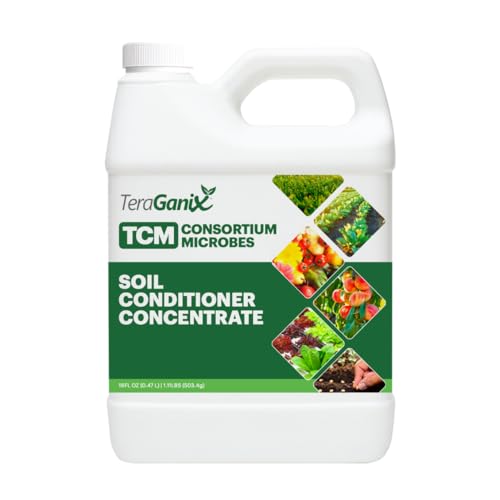
TeraGanix TCM Soil Conditioner 16 oz Concentrate

Down To Earth Bio-Live Organic Fertilizer 5-4-2

FoxFarm Happy Frog Potting Soil 12 qt 2-Pack

Bloom City Earthworm Tea Concentrate 32 oz

Bloom City Wild Fish Fertilizer 8 oz

Real Growers Recharge Mycorrhizae Inoculant 8 oz

FoxFarm Happy Frog All Purpose Fertilizer 4 lb

TPS Nutrients Fish Emulsion Fertilizer 8 oz

RAW Microbes Bloom 10 lb Flowering Inoculant

Microbe Life Hydroponics Yield Enhancer 16 oz
The Strengths Of Each Pick
A single 16-ounce bottle here stretches to roughly 16 gallons of finished mix once diluted, which makes it a smart pick for gardeners covering a full yard rather than a windowsill. The TeraGanix TCM Soil Conditioner works as a liquid probiotic, pouring microbes directly into soil or water rather than asking you to mix powders into the top layer.
If you maintain raised beds, a lawn, or a sizeable flower border, the concentration pays off quickly. For a small apartment herb shelf, you’ll likely end up with far more than you can reasonably use before the bottle ages.
Standout Benefits
- One bottle covers a large area once diluted, suiting yard-scale projects
- Liquid format blends into watering cans or pond water without stirring
- Non-toxic profile suits shared gardens and homes with curious pets
- Supports soil texture and drainage in compacted beds over time
Things To Consider
- Smaller growers may not finish the bottle before expiration
- Liquid form requires repeated applications rather than one-and-done
Who It Suits Best
Home growers managing raised beds, lawns, or pond edges who want a single bottle to stretch across the season.
Consider Something Else When
The Bloom City Earthworm Tea Concentrate is a better match for apartment gardeners tending just a few houseplants.
For gardeners who need documentation for an organic certification, Down To Earth Bio-Live carries an OMRI listing, meaning it’s reviewed for compliance with organic production standards. The 5-4-2 NPK ratio (nitrogen, phosphorus, and potassium, in that order) leans gentle, suiting transplanting, new beds, and flowering vegetables without forcing aggressive top growth.
The dry format arrives in a four-pound box, easy to store in a shed and apply with a hand spreader. Where the TeraGanix option above pours into watering cans, this one rakes into the top inch of soil, then waits for rain or irrigation to wake the microbes up.
Useful Touches
- OMRI-listed for certified organic operations
- Gentle 5-4-2 ratio fits seedlings and established beds alike
- Dry granules store for long periods without refrigeration
- Infused with beneficial bacteria and mycorrhizal fungi
Worth Noting
- Granules need watering in to activate, so dry weeks delay the payoff
- Smaller box than the RAW Microbes Bloom option later in this list
At A Glance
Made For
Organic-focused gardeners and small-scale food growers who need verifiable inputs.
Look Elsewhere When
The FoxFarm Happy Frog Potting Soil is a smarter pick if you’re filling containers from scratch rather than amending existing beds.
Skip the measuring cups and mixing bowls. The FoxFarm Happy Frog Potting Soil arrives ready to use, with soil microbes already living alongside earthworm castings, bat guano, and aged forest products. The two-pack format gives you 24 quarts total, enough to repot a modest collection of houseplants or fill several patio containers in one trip.
This pick skips the “feed your plants on a schedule” step. The microbes are baked in, so you just pot up and water. For gardeners who find liquid inoculants fiddly, that built-in biology is the real draw.
Strengths Worth Knowing
- Pre-amended with multiple organic inputs, no mixing required
- Works indoors and outdoors in containers
- Two-pack format handles several pots in one go
- Light texture suits root development in confined spaces
Trade Offs
- Heavier to ship and store than a liquid bottle
- Not designed for in-ground beds, so larger gardens need something else
Best Suited To
Apartment dwellers and patio gardeners who want microbes without measuring or mixing.
Skip It When
The Down To Earth Bio-Live serves you better if you’re amending a full garden bed rather than filling pots.
If worm castings are the workhorse of organic soil care, worm tea is the quick sip. The Bloom City Earthworm Tea Concentrate translates castings into a liquid you can pour through a watering can or sprayer. A 32-ounce bottle lands in a useful middle ground, larger than a sampler but small enough to finish in a season.
Unlike the FoxFarm potting soil reviewed above, this one assumes you already have soil and want to add biology on top. It suits houseplants, herb gardens, and small vegetable plots where foliar feeding (spraying diluted nutrients directly onto leaves) and root drenches both make sense.
Useful Highlights
- 32 oz size fits casual indoor and outdoor routines
- Liquid format doubles as foliar feed and root drench
- Compost-based nutrients pair well with organic programs
- Works for houseplants, vegetables, and ornamentals
Minor Gripes
- Storage life matters, so check the bottle date on arrival
- Won’t cover large garden beds as efficiently as a bulk option
Who Should Grab It
Indoor plant collectors and balcony gardeners who want a gentle, regular biology boost.
A Better Fit Elsewhere
The TeraGanix TCM Soil Conditioner makes more sense for anyone tending multiple raised beds.
Fish-based fertilizers have been a garden staple for generations, and this one leans into the source: wild Alaskan salmon emulsion (ground-up fish byproducts suspended in liquid) and salmon oil. The Bloom City Wild Fish Fertilizer arrives in a small 8-ounce bottle with an amino acid profile that targets leafy growth and root vigor, useful during the active growth phase of vegetables and ornamentals.
The catch, and it shows up right when you open the bottle, is the smell. It smells like ocean and fish, not perfume. For gardeners who keep their supplies indoors or feed right before a rain, that matters.
Good Reasons To Consider
- Amino acid content supports foliage during active growth
- Concentrated format keeps storage footprint small
- Versatile across indoor and outdoor feeding routines
- Sourced from sustainable Alaskan salmon
Room For Improvement
- Strong fish odor lingers for hours after application
- Small bottle means frequent repurchase for large gardens
Feature Snapshot
Whose Shelf It Belongs On
Vegetable gardeners feeding heavy feeders like tomatoes, peppers, and leafy greens through the season.
Reach For A Different Pick When
TPS Nutrients Fish Emulsion Fertilizer is a smarter budget call for cost-conscious gardeners.
Living soil growers treat the substrate as an ecosystem, and Real Growers Recharge is built for that mindset. The blend leans on mycorrhizal fungi specifically, with bacteria added to round out the biology. It drops into soil or coco coir (a fiber-based soilless growing medium made from coconut husks) without changing the rest of your feeding routine.
Where the fish fertilizers above push nutrients through the plant, Recharge focuses on the root zone, helping roots reach farther and use what you’ve already fed them. For most organic and no-till gardeners, that fits a deliberate, slower-feeding approach.
Where It Excels
- Mycorrhizae-heavy formula targets root expansion
- Plugs into existing feeding programs without disruption
- Designed for living soil and coco coir setups
- Compact 8 oz size suits indoor tents and small rooms
Points To Note
- Not a standalone fertilizer, so you’ll need a base nutrient line
- Small package for the price compared to dry amendments
The Right Fit
Indoor growers running living soil or coco who already understand nutrient timing.
Swap It Out When
The FoxFarm Happy Frog All Purpose Fertilizer is a better choice for gardeners who want biology plus base nutrients in one bag.
When you want one bag that covers flowers, vegetables, and ornamentals without juggling multiple products, FoxFarm Happy Frog All Purpose Fertilizer earns its name. The slow-release formula feeds gradually while soil microbes and mycorrhizal fungi work through the root zone.
The 6-4-5 NPK profile sits slightly higher than the Down To Earth Bio-Live reviewed earlier, giving fruiting plants a bit more potassium. Where Bio-Live leans gentle for transplanting, this one takes over once plants are established and pushing toward blooms.
A Strong Showing
- Slow-release feeding reduces how often you reapply
- Includes both microbes and mycorrhizal fungi
- OMRI-listed for organic production
- Suits flowers, vegetables, and ornamentals in one bag
Honest Caveats
- Granular format needs water to activate
- Not designed for very young seedlings or starter mixes
Key Product Details
Perfect Match For
Mixed-bed gardeners with established flowers, veggies, and ornamentals who want one bag to cover them all.
Not Your Match When
The Real Growers Recharge is a better pick for indoor living soil growers who already manage their own base nutrients.
Not everyone needs premium wild-caught salmon in their fertilizer. TPS Nutrients Fish Emulsion keeps things straightforward, a liquid salmon-based feed aimed at gardeners who want results without a steep entry. The 8-ounce bottle dilutes into multiple gallons of finished feed, which keeps the actual cost per application modest.
Like the Bloom City Wild Fish option, you trade some olfactory pleasure for biological benefit. It smells like fish, full stop. Plan applications around weather and time away from windows.
Advantages To Know
- Liquid concentrate stretches across many feedings
- Targets root strength and foliage development
- Works indoors and outdoors across plant types
- Lower cost per application than premium fish options
Things To Weigh
- Strong fish odor during and shortly after feeding
- Smaller bottle requires repurchase for larger gardens
Who Should Grab It
Beginners and budget-focused gardeners who want a workable fish emulsion without overspending.
Consider Something Else When
The Bloom City Wild Fish Fertilizer is the better match if sustainable Alaskan sourcing matters to your purchase.
Most microbe products serve the whole season. RAW Microbes Bloom narrows in on the bloom phase specifically, helping plants make the most of nutrients when flowers and fruits are setting. The 10-pound size means it covers serious garden space, so casual balcony gardeners can usually skip it.
It adapts to hydroponics, soil, and coco coir, so the format isn’t a barrier. For growers who already follow a feeding schedule, the role here is straightforward biology, dropped in alongside regular nutrients.
Key Advantages
- Targets the flowering stage for stronger bloom development
- Works in hydroponics, soil, and coco coir
- 10 lb bulk size suits large gardens and greenhouses
- Plugs into regular feeding routines during bloom
Practical Considerations
- Bulk packaging is heavy to receive and store
- Narrowly focused on bloom, so you may need another product for vegetative growth
Quick Facts
Built With In Mind
Growers running larger gardens or greenhouses who want bloom-specific biology in bulk form.
Where A Sibling Pick Shines
The Microbe Life Hydroponics Yield Enhancer is the smarter pick for small-scale hydroponic setups.
Most microbe products assume you’re growing in soil. The Microbe Life Hydroponics Yield Enhancer breaks that pattern, working across hydroponic systems, traditional soil, and everything between. A 16-ounce bottle fits comfortably into a feeding routine without taking over the storage shelf.
The role here is balance, helping the growing medium structure hold up under feeding pressure. For anyone running a small indoor hydroponic setup or dabbling in soilless growing, that flexibility is the real pitch.
What Earns Its Place
- Compatible with hydroponics, soil, and other feeding systems
- Supports root and fruit development in vegetable gardens
- Compact 16 oz bottle fits small-scale routines
- Plugs into existing nutrient programs
Points To Keep In Mind
- Limited published detail on specific microbial species included
- Better suited to smaller hydroponic setups than commercial operations
The Right Fit
Hydroponic and soilless growers who want a versatile microbe boost without switching products between systems.
A Better Fit Elsewhere
The RAW Microbes Bloom is the smarter pick for large-scale flowering gardens that need bulk biology.
Picking The Right Soil Microbe Match For Your Garden
The best soil microbe product depends less on brand recognition and more on how you actually grow. Indoor herb shelf growers, backyard vegetable gardeners, and serious hydroponic operators all need different things from their biology boost, and the format matters almost as much as the formula.
Match the product to your scale. A 32-ounce liquid bottle covers a small vegetable bed across several applications. A 10-pound dry amendment handles a full greenhouse. Buying beyond your scale wastes product and storage space, while buying under means repeat orders every few weeks.
Read the NPK ratio on dry amendments. The three numbers represent nitrogen, phosphorus, and potassium. Lower numbers (like the 5-4-2 in Down To Earth Bio-Live) suit seedlings and gentle feeding. Higher numbers (like the 6-4-5 in FoxFarm Happy Frog All Purpose) push flowering and fruiting plants harder. Pick the ratio that matches what you’re growing right now.
Decide between built-in biology and added biology. Pre-amended soils like FoxFarm Happy Frog Potting Soil arrive with microbes already mixed in, no extra steps required. Liquid inoculants and dry amendments assume you’re adding biology to existing soil or a feeding routine. Beginners often prefer pre-amended soils; experienced growers usually want the control that comes from separate products.
Consider your growing medium. Mycorrhizal fungi work best in soil and coco coir, less so in pure hydroponic setups. Bacterial inoculants adapt more easily across systems. If you grow in water or soilless media, look for products that specifically list hydroponic compatibility, like Microbe Life Hydroponics Yield Enhancer.
Key Considerations Across These Picks
Common Shopping Slip Ups
Treating soil microbes as a one-time fix tops the list. Microbial populations need ongoing support through organic matter, moisture, and reasonable temperatures. Buying a jug and forgetting it in the shed won’t rebuild tired soil.
Another trap: pairing microbial products with harsh synthetic fertilizers or fungicides. Those inputs can knock back the very organisms you’re trying to introduce. If your feeding program leans chemical, ease into biology rather than expecting instant results.
Where The Extra Money Goes
Premium options like the Bloom City Wild Fish Fertilizer often source from specific fisheries (Alaskan salmon in that case) and carry documented amino acid profiles. The middle tier, including most fish emulsions, trades provenance for affordability. For most backyard gardens, the difference shows up in sourcing ethics and feed concentration, not necessarily in plant performance.
Bulk amendments like RAW Microbes Bloom cost less per pound but assume you have storage space and a large enough garden to use them before they age out. Smaller gardeners often pay slightly more per ounce for a bottle they’ll actually finish.
Frequently Asked Questions
How often should soil microbes be applied? Most liquid inoculants work best with repeat applications every two to four weeks during active growing seasons. Dry amendments applied to soil typically last longer, often a full season before reapplication is needed.
Can soil microbes harm plants? When applied as directed, beneficial microbes support plant health rather than harm it. Problems usually show up only when products are stored past expiration or used at far higher concentrations than recommended.
Do soil microbes work in container gardens? Yes, and pre-amended potting soils like FoxFarm Happy Frog already bring biology to containers. Liquid inoculants also work well in pots because the confined root zone responds quickly to biological support.
Are organic certifications important for soil microbe products? OMRI listing matters most for certified organic operations or gardeners avoiding synthetic inputs entirely. For casual backyard growers, certification is helpful but not required for healthy soil biology.
Should soil microbes be used with fertilizer? Most microbial products work alongside standard feeding programs. Avoid combining them with fungicides or sterilizing agents, which can damage the living organisms you’re trying to establish.
The Takeaway
Healthy soil biology turns ordinary gardens into productive ones, and the right product depends on your scale, medium, and goals. Match the format to your routine, read the application instructions, and give the microbes time to settle in. For most gardeners starting out, a gentle all-purpose pick like FoxFarm Happy Frog All Purpose Fertilizer or a pre-amended potting soil is the easiest entry point. From there, specific products earn their place as your garden grows.
