

A healthy houseplant collection depends on what fills the pot. Standard garden dirt compacts in containers, suffocates roots, and invites fungus gnats within weeks. The right soil mix gives roots the air, moisture balance, and slow nutrition they need to thrive on a windowsill or shelf.
This roundup covers complete mixes, perlite amendments for custom blending, charcoal for drainage and freshness, and worm castings for gentle feeding. Whether you’re repotting a single monstera or building a collection from scratch, the products below help match your soil to your plant’s needs.
A Closer Look At The Lineup

Rosy Soil Organic Indoor Potting Mix 8 Quarts
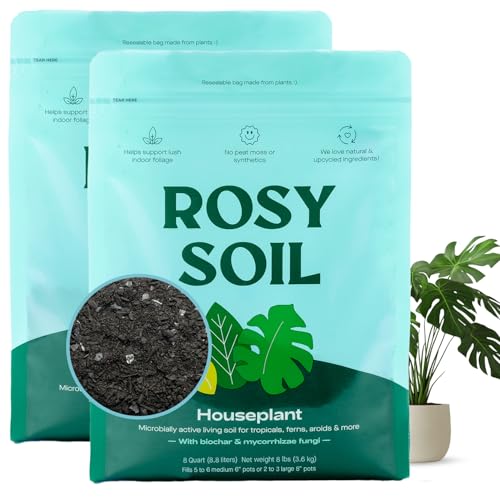
Rosy Soil Houseplant Potting Soil 8 Quarts, 2-Pack

Legigo 4 Quarts Organic Perlite

FoxFarm Ocean Forest Potting Soil 1.5 cu ft
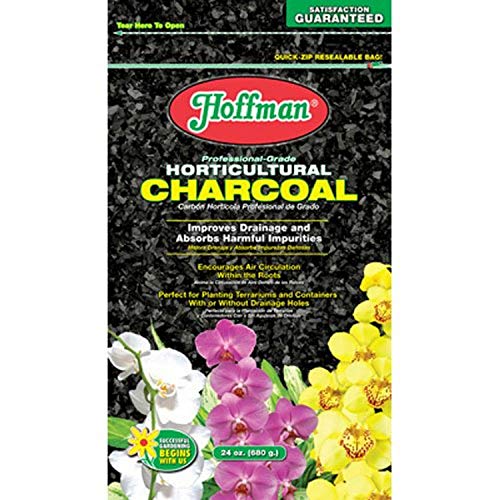
Hoffman 17502 Charcoal Soil Conditioner 24-Ounce

Rosy Soil Organic Indoor Potting Mix 4 Quarts

Legigo 15 Quarts Organic Perlite

Legigo 20 Quarts Organic Perlite

Legigo 6 Quarts Organic Perlite

Worm Bliss Organic Worm Castings 1 Quart
A Deeper Look At The Lineup
Rosy Soil skips peat entirely, building its blend around biochar (a charcoal-like soil enhancer that holds nutrients and improves structure), worm castings, mycorrhizae (beneficial fungi that form partnerships with roots), compost, and bark fines. That ingredient list matters for indoor gardeners who want organic inputs without synthetic fertilizers, and it gives this mix a richer, more alive feel than typical big-box bags. Compared to FoxFarm Ocean Forest below, this formula runs leaner on fertilizer and leans harder on biology, which suits steady growers who don’t want to push fast leaf production.
You’ll notice the texture right away. It’s coarse and slightly chunky, with visible pieces of bark that keep air pockets open around roots. The 8-quart size covers roughly four to six mid-sized pots depending on what you’re repotting. For most tropicals, monsteras, philodendrons, and pothos, this works straight from the bag with no extra amendments.
The Good Stuff
- Peat-free formula reduces environmental impact and keeps the mix from getting hydrophobic (repelling water once bone-dry) over time.
- Living microbes and mycorrhizae support root development, especially helpful when repotting stressed nursery plants.
- Biochar improves nutrient retention so you feed less often, a real win for forgetful waterers.
- Bark fines create lasting aeration, meaning you won’t need to fluff compacted soil months later.
Things To Consider
- Coarser texture dries faster than peat-based mixes, so plants that like consistently moist soil may need more frequent watering.
- Bark pieces can shift during watering, occasionally leaving low spots at the soil surface that need topping off.
Feature Snapshot
Right Fit For
Organic-minded plant parents tending a handful of tropical houseplants who want a complete, ready-to-use blend without peat.
Look Elsewhere When
You’re growing succulents or cacti, where the Legigo perlite options later in this list let you build a grittier, faster-draining mix from scratch.
Same trusted Rosy Soil blend, just doubled. If you’ve gone through the single 8-quart bag faster than expected, this 2-pack saves the hassle of reordering mid-repotting session. For anyone running more than ten houseplants across multiple rooms, buying in bulk makes sense.
The formula mirrors pick one: biochar, worm castings, mycorrhizae, compost, and bark fines, with no peat and no synthetic fertilizer. That consistency means you can mix old and new bags without worrying about mismatched performance between recently repotted plants. Storage is straightforward, though you’ll want a dry spot and a lidded bin to keep pests out of the second bag if you don’t use it immediately.
Everyday Wins
- Doubling up on volume typically lowers the per-quart cost, helpful for growing collections.
- Identical formula to the single bag means consistent results across repottings.
- Having backup mix on hand lets you repot opportunistically when a plant outgrows its pot.
Worth Noting
- Two full bags take up noticeable storage space, not ideal for studio apartments with limited closet room.
- Bulk bags can sit longer before use, so keep the second sealed and dry to preserve microbial life.
Made For
Collectors with a dozen or more plants who already know they like Rosy Soil and want to stock up.
Consider Something Else When
You’re just starting out, where the single Rosy Soil 8-quart bag or the 4-quart size gives you room to experiment first.
Perlite is a heated volcanic mineral that expands into light, porous white granules, and it’s the secret weapon behind well-draining houseplant soil. Legigo’s 4-quart bag is the smallest in their lineup, sized for someone who just needs to amend a couple of existing mixes or experiment with a custom blend.
The granules are coarse and evenly sized, which matters because fine perlite tends to compact and defeat the purpose. Since perlite is pH neutral, it won’t shift your soil’s acidity the way some amendments do. If you’ve been losing plants to root rot, adding a generous scoop of perlite to standard potting soil is often the simplest fix.
Why It Works Well
- Smaller volume keeps cost low for curious beginners.
- Coarse grade resists compaction better than fine perlite.
- pH neutral means it won’t throw off the chemistry of your existing mix.
- Even sizing makes mixing into soil more predictable.
Room For Improvement
- 4 quarts covers only a few small pots, so you’ll run out fast if amending everything in your collection.
- Perlite dust during pouring is common; dampening the granules before mixing reduces airborne particles.
Best Suited To
New houseplant parents testing perlite for the first time on a single succulent or two.
A Better Fit Elsewhere
You’re repotting an entire shelf of plants, where the larger Legigo 15-quart or 20-quart perlite bags deliver better per-quart value.
FoxFarm Ocean Forest has earned its reputation among serious indoor growers. The 1.5 cubic foot bag covers serious ground, enough for a dozen or more mid-sized pots, and the blend comes loaded with earthworm castings, fish meal, and crab meal alongside sphagnum peat and forest humus. It’s a richer, more nutrient-dense mix than the Rosy Soil options above, designed for plants that eat heavily.
The texture is light and aerated, ready to use straight from the bag without amendments. If you grow tropical foliage plants, fruiting indoor plants like dwarf citrus, or vigorous monsteras that need steady nutrition, this blend supports that growth without forcing you to mix your own. One thing worth considering: the nutrient load means young seedlings can sometimes struggle, so keep this for established plants rather than fresh cuttings.
Practical Advantages
- High nutrient content supports fast-growing tropicals without supplemental feeding for weeks.
- Light, aerated texture resists compaction in larger pots.
- Large volume suits serious growers repotting multiple plants per session.
- Ready-to-use formula eliminates the mixing step for time-pressed plant parents.
Points To Note
- Rich nutrient profile can burn delicate seedlings; best reserved for mature, established plants.
- 1.5 cubic feet is heavy to carry and store, more commitment than smaller bags.
- Strong organic smell at first, which fades after a few waterings but can bother sensitive noses.
Technical Highlights
Who It Suits Best
Tropical plant collectors and growers of vigorous foliage who want strong vegetative growth from a ready-to-use blend.
Skip It When
You’re focused on organic, peat-free gardening, where the Rosy Soil options offer a cleaner ingredient story.
Horticultural charcoal is different from barbecue charcoal: it’s a porous, absorbent material that helps soil drain better and stay fresher longer. Hoffman’s 24-ounce jar is a small but mighty supplement, especially for closed or semi-closed containers where moisture lingers.
The biggest use case is terrariums, cachepots (decorative outer pots without drainage holes), and self-watering planters where standing water is a constant risk. A few spoonfuls mixed into your base soil absorb impurities, improve airflow around roots, and cut down on the musty smell that sometimes develops in enclosed planters. Unlike perlite, charcoal stays put rather than floating to the surface.
A Strong Showing
- Porous structure pulls impurities from soil and water for cleaner root conditions.
- Improves drainage in containers that lack drainage holes.
- Reduces odors in terrariums and enclosed planters.
- Slow-release nutrient benefits over time as the charcoal breaks down.
Honest Caveats
- 24 ounces goes further than you’d think, but it’s still a supplement, not a standalone growing medium.
- Charcoal dust stains hands and work surfaces, so pour over a tray or newspaper.
- Less useful in standard pots with drainage holes where perlite handles aeration more economically.
Right Fit For
Terrarium builders and anyone using cachepots or self-watering planters where moisture management is tricky.
Not Your Match When
You’re repotting standard nursery pots with drainage holes, where the perlite options later in this list do the same job at lower cost.
The 4-quart Rosy Soil bag solves a common problem: the full-size bag is too much if you only have three or four plants. This smaller format covers two or three small-to-medium repottings without leaving you with half a bag going stale in storage.
Same formula as the larger Rosy Soil bags: peat-free, organic, with biochar and worm castings doing the heavy lifting. For apartment dwellers or anyone maintaining a curated plant collection rather than a jungle, this is the right size. The texture works particularly well for aroids (plants in the arum family like monsteras and philodendrons) and ferns that appreciate the moisture balance biochar provides.
Standout Benefits
- Smaller volume fits easily on a shelf or in a closet for storage between uses.
- Same peat-free, organic formula as the larger Rosy Soil bags.
- Biochar helps soil rehydrate evenly, so dry pockets form less often.
Trade Offs
- Per-quart cost runs higher than the 8-quart or 2-pack options.
- Only enough for a few pots, so you’ll reorder more frequently if your collection grows.
Core Features
Made For
Apartment dwellers maintaining a small but curated collection of organic-friendly houseplants.
Consider Something Else When
Your collection is expanding fast, where the Rosy Soil 8-quart or 2-pack delivers better value per quart.
Stepping up from the 4-quart entry size, the 15-quart Legigo bag suits anyone who repots regularly or mixes custom soil in batches. It’s the sweet spot for hobbyists who want enough perlite on hand without committing to the full 20-quart volume.
Coarse grade, pH neutral, evenly sized, same as the smaller Legigo options. The bigger bag means more perlite dust during pouring, so work over a tarp or outdoors when possible. If you’re blending your own cactus mix, amending standard potting soil for monsteras, or starting seeds that need excellent drainage, this size keeps you supplied for months.
Notable Upsides
- Mid-size volume balances cost efficiency with manageable storage.
- Coarse granules maintain airflow in soil for months after mixing.
- pH neutral keeps soil chemistry stable for sensitive species.
- Even sizing gives predictable results across different batches.
Small Caveats
- 15 quarts requires dedicated storage space, a sealed bin or large container works best.
- Pouring from a larger bag creates more dust; dampening helps but adds a step.
Right Fit For
Active plant parents repotting every few weeks who want bulk perlite without overcommitting to the 20-quart size.
Reach For A Different Pick When
You only need perlite for a single project, where the Legigo 4-quart or 6-quart bags cost less upfront.
The 20-quart Legigo bag is the largest perlite option in the lineup, aimed at serious hobbyists and anyone mixing custom soil at scale. If you’re building cactus and succulent mix in five-gallon batches, or amending raised beds alongside houseplants, this size pays off.
Same coarse, neutral, evenly graded perlite as the smaller Legigo bags, just more of it. One realistic consideration: 20 quarts is genuinely bulky and lightweight at the same time, which makes the bag awkward to handle and store. A dedicated bin or outdoor storage spot keeps it clean and dry until you’re ready to use it. For dedicated succulent growers, this volume becomes essential quickly.
Useful Touches
- Largest perlite volume delivers the best per-quart cost in the Legigo lineup.
- Coarse grade holds up over time without breaking down into dust.
- Plenty on hand for large succulent collections or community garden projects.
- pH neutral plays well with any base soil or amendment you mix in.
Practical Considerations
- Bulky bag needs real storage space, not a casual closet shelf.
- Lightweight perlite shifts around during transport, so seal the bag carefully after each use.
Built With In Mind
Succulent and cactus growers mixing custom gritty soil in bulk, plus anyone with a large plant collection needing regular perlite on hand.
Swap It Out When
You maintain a smaller collection and won’t use 20 quarts before it loses freshness, where the 6-quart Legigo bag fits better.
Six quarts sits comfortably between Legigo’s smallest and largest sizes, a Goldilocks option for someone who needs more than the 4-quart starter but isn’t ready for bulk commitments. It’s a practical middle ground for general houseplant care.
You can amend four or five standard pots with this volume, or build a small batch of cactus mix from scratch. The coarse, pH-neutral perlite performs identically to the bigger bags, so you’re not sacrificing quality for the smaller format. For hobbyists maintaining a modest collection who want perlite regularly available, this size often outlasts expectations.
Points In Its Favor
- Manageable volume suits mid-size collections without storage headaches.
- Coarse grade drains well and resists compacting over time.
- Versatile enough for tropicals, succulents, or seed-starting mixes.
Less Ideal Details
- Per-quart cost sits higher than the 15-quart and 20-quart bulk options.
- Bag is soft-sided, so storing it upright in a bin helps prevent tipping and spills.
Quick Facts
Who Should Grab It
Intermediate plant parents maintaining a moderate collection who want perlite available without bulk-bag commitment.
Another Choice May Suit
You’re strictly mixing cactus and succulent soil at scale, where the FoxFarm Ocean Forest blend above gives you a ready-made alternative with less DIY work.
Worm castings are the rich, dark digested material earthworms produce, and they’re one of the gentlest, most balanced fertilizers you can add to houseplant soil. Plantonix Worm Bliss comes in a 1-quart jar that’s small in size but goes a long way when used as a top-dress or mix-in.
A thin layer sprinkled on the soil surface, or a few tablespoons mixed into your potting soil at repotting, slowly releases nutrients without burning roots the way synthetic fertilizers can. It’s OMRI-listed (verified for organic use by the Organic Materials Review Institute), 100% vegan, and manure-free, which matters for indoor gardeners sensitive to smell. The quart size covers many applications since a little goes a long way.
Notable Gains
- Slow-release nutrients feed plants steadily without root burn.
- Improves soil structure and moisture retention over time.
- OMRI-listed for organic gardening, a real plus for organic-focused growers.
- Odorless and clean enough for indoor use year-round.
Factors To Consider
- 1 quart is small, so heavy feeders in large collections will use it up fast.
- Not a standalone soil; it’s an amendment to mix in or sprinkle on top.
- Higher upfront cost per quart compared to basic fertilizers, though the concentration offsets that.
Perfect Match For
Organic-minded plant parents wanting a gentle, natural nutrient boost without synthetic fertilizers or strong smells indoors.
Look Elsewhere When
You want a complete ready-to-use soil, where the Rosy Soil Organic Indoor Potting Mix already includes worm castings in the bag.
What To Look For In A Houseplant Soil
Drainage And Aeration
Good houseplant soil lets water flow through quickly while holding just enough moisture for roots to drink. Dense, compacted soil suffocates roots and causes rot, the fastest killer of indoor plants. Look for mixes with perlite, bark, or biochar, which create permanent air pockets. If water pools on the surface or drains slowly, the mix is too dense for most tropical houseplants. Succulents and cacti need even faster drainage, so amend standard mixes with generous amounts of perlite, as the Legigo options above allow.
Nutrient Content And Source
Soil feeds your plants between fertilizing sessions. Organic mixes with worm castings, compost, or fish meal release nutrients slowly and gently. Rich blends like FoxFarm Ocean Forest feed heavily for weeks after repotting, while leaner mixes rely on you to add nutrition. Consider how often you actually fertilize: if you forget, a richer mix forgives that. If you feed regularly, a peat-free organic base gives you more control over nutrient levels.
Ingredients And Sustainability
Peat harvesting damages sensitive bog ecosystems, which is why peat-free options like the Rosy Soil blends have grown popular. Biochar, coco coir (coconut husk fibers), and compost offer sustainable alternatives that hold moisture similarly. For organic certification, OMRI-listed products like Worm Bliss verify that ingredients meet strict organic standards. If sustainability matters to you, read ingredient lists and prioritize blends that disclose their components clearly.
Match The Mix To The Plant
Different plants want different soil. Tropical foliage like monsteras and philodendrons appreciate moisture-retentive but airy mixes. Succulents and cacti need fast-draining, gritty soil with plenty of perlite. Ferns prefer moisture-retentive blends with high organic content. Orchids need extremely chunky, bark-heavy mixes that barely resemble typical potting soil. Buying one bag for everything works for casual collections, but matching the mix to each plant type takes results up a noticeable level.
Practical Pointers Before You Pick
Common Shopping Slip Ups
The most frequent mistake is grabbing standard garden soil or topsoil for indoor pots. These products are designed for outdoor beds and compact badly in containers, leading to root rot within weeks. Another common error is choosing a mix that’s too rich for delicate plants, young seedlings, or freshly propagated cuttings, which can suffer nutrient burn. Finally, skipping drainage considerations for decorative cachepots leads to waterlogged soil even when the mix itself is appropriate.
Where The Extra Money Goes
Premium mixes like FoxFarm Ocean Forest command higher prices because they include multiple organic amendments, screened components for consistent texture, and often sustainable sourcing certifications. Peat-free organic blends cost more due to biochar processing and the specialized components that replace traditional peat. Higher-tier products also tend to offer better batch-to-batch consistency, so you get predictable results every time you open a bag. The upgrade makes most sense when you maintain a valuable collection or want ready-to-use convenience without mixing your own.
