

Healthy garden beds start underground, and the right soil mix decides whether your tomatoes thrive or your seedlings stall. Raised beds, in-ground plots, and container gardens each ask for a slightly different blend of drainage, water retention, and slow-release nutrition. The picks below cover everything from perlite amendments and worm castings to compressed coconut coir blocks, so you can match the medium to the bed and the plant. Use this roundup to cut through the aisle and stock the right bag for the season ahead.
The Picks In Brief

ZeeDix 3QT Coarse Perlite for Plants

PlantBest Coco Mulch Compressed Block 9.1 lb

Earth Science Earthworm Castings 3 lb

FoxFarm Ocean Forest Potting Soil 1.5 cu ft

ZeeDix 6QT Coarse Perlite for Plants

ZeeDix 3QT Tropical Potting Mix
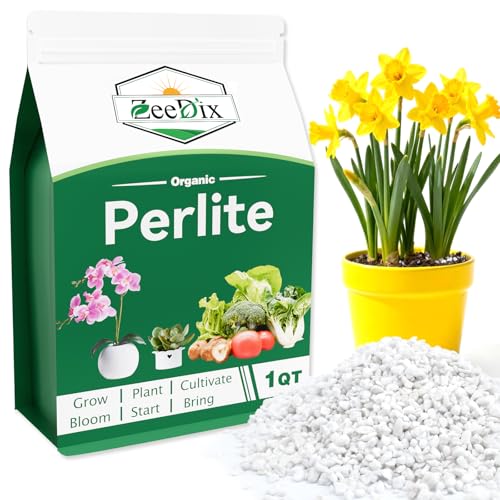
ZeeDix 1QT Coarse Perlite for Plants

PlantBest Coco Peat Garden Soil Block

PlantBest Coco Mulch Block 9.1 lb (New Listing)

ZeeDix 1QT Tropical Potting Mix
The Picks, Examined More Closely
Coarse perlite is the white, popcorn-textured volcanic glass you see in most bagged mixes, and this 3-quart bag from ZeeDix sits at the entry-level end of the lineup. Perlite’s job is mechanical: it holds a bit of moisture on its surface while leaving pore space for air, so roots don’t sit in compacted, soggy soil. Gardeners reaching for a small jar to mix into a custom blend will find this size manageable to store on a shelf.
For most indoor succulent shelves, a single bag stretches across several small pots when blended at roughly one part perlite to three parts base soil. The trade-off shows up when you need to amend a full raised bed: three quarts disappears fast, which is why the brand offers a larger sibling later in this list.
The Case For It
- Coarse 3 to 9mm grade keeps the texture airy in mixed pots, useful for orchids and succulents that resent wet feet.
- Lightweight bag makes it easy to carry up to a balcony garden without a wheelbarrow.
- Neutral pH, so it won’t shift the acidity of an established bed when used as an amendment.
- Stores dry in a sealed bin, ready for the next round of repotting.
Things To Consider
- Dust at the bottom of the bag is common; a quick rinse through a mesh sieve prevents cloudy water on the first watering.
- Perlite is purely structural, so it provides no nutrients on its own.
- The white particles can float to the surface during heavy watering in open beds.
Who Will Love This
Anyone blending small-batch succulent or orchid mixes at a kitchen table will appreciate the manageable size and predictable texture.
Reach For A Different Pick When
Building out a full raised bed calls for the larger ZeeDix 6QT Coarse Perlite, which covers more cubic feet per bag.
Coco mulch, the shredded husk of coconut shells, doubles as a tidy top-dressing and a slow-release source of organic matter. PlantBest compresses 9.1 pounds of husk into a brick that expands to about 64 quarts once you add water, which means a garage shelf stays far cleaner than it would with loose bags stacked against the wall. For gardeners hauling mulch out to a backyard bed in a single trip, the weight difference is hard to overstate.
The expanded material spreads easily across a vegetable row and helps block weed seedlings by shading the soil surface. Compared with the perlite amendment you just read about, coco mulch sits firmly in the top-dressing camp rather than the soil-builder camp, so consider layering it over an already-improved bed.
Why It Works Well
- One 9.1 lb brick covers up to roughly 17.5 square feet at a 1-inch depth, useful for a modest raised bed.
- Compresses for easy transport, then expands in minutes once hydrated.
- Holds moisture at the soil surface, which reduces how often you water during a heat wave.
- Light brown color looks tidy around ornamentals and edibles alike.
Worth Noting
- Coco mulch alone won’t feed hungry crops; pair it with a richer amendment such as worm castings for vegetables.
- The brick requires a large bucket or wheelbarrow for the expansion step, which is awkward in tight spaces.
- Over time, surface mulch breaks down and needs refreshing each growing season.
Who Will Love This
Apartment gardeners without a car will appreciate how a single compressed brick survives the trip home in a tote bag.
Look Elsewhere When
You need a true soil-building base for a new bed; Earth Science Earthworm Castings delivers nutrition that mulch alone cannot.
Worm castings are the digested remains that earthworms leave behind, and gardeners treat them like a gentle, slow-release soil conditioner. The Earth Science 3-pound bag handles both indoor and outdoor work, so a single container serves the windowsill herbs as well as it does the tomato patch. Castings feed the microbial life in soil, and that biology in turn helps roots pull in nutrition across the whole season.
You can work a handful into a planting hole, top-dress a bed with a thin layer, or brew a “casting tea” for foliar feeding. The honest read: a 3-pound bag stretches further than you’d think because you use it sparingly, but a multi-bed vegetable garden will burn through it before fall.
Standout Benefits
- Improves soil structure while adding organic matter that breaks down slowly.
- Increases water retention in sandy beds, useful during dry summer stretches.
- Mild enough to use directly on seedlings without burning tender roots.
- Works indoors and out, so one bag covers a wide range of plantings.
Minor Gripes
- 3 pounds is small for a backyard vegetable plot; you may need multiple bags for a full bed refresh.
- Castings have a faint earthy smell that some people notice when used indoors on houseplants.
- Storage needs a sealed container to keep the texture from drying out on a shelf.
Best Suited To
Vegetable gardeners building long-term soil health and indoor plant parents who want a mild, dependable amendment will find a good fit here.
Not Your Match When
You need a complete ready-to-use potting soil for a fresh container; FoxFarm Ocean Forest Potting Soil arrives pre-blended and ready for planting.
FoxFarm’s Ocean Forest is the bag many gardeners reach for when they want something off-the-shelf that still feels crafted. The 1.5 cubic foot volume is large enough to fill a generous raised bed or several big containers, and the airy texture means roots push through it without much resistance. The blend pulls in earthy amendments along with marine-based nutrition, so plants get a feeding head-start without synthetic fertilizer.
You open the bag and plant, which matters when a weekend project runs long. Compared with the worm castings earlier in this list, Ocean Forest is a complete medium rather than a booster, so the two can complement each other in a heavy-feeding bed.
Well-Handled Touches
- Light, aerated texture resists compaction in deep containers.
- Ready to use straight from the bag, with no mixing required for most projects.
- Designed for all container plants, so a single bag covers vegetables, flowers, and herbs.
- Large 1.5 cu ft volume suits raised beds and patio planters alike.
Room For Improvement
- The bag is heavy to haul up stairs or out to a far bed without a cart.
- Premium blends cost more per cubic foot than basic bagged soil.
- You’ll want to refresh containers yearly since organic matter breaks down over a single season.
Feature Snapshot
Whose Shelf It Belongs On
Container gardeners and raised-bed builders who want a premium, ready-to-use medium will get the most from this bag.
Skip It When
You mainly need a structural amendment to lighten native clay; ZeeDix 6QT Coarse Perlite is purpose-built for that adjustment.
The 6-quart sibling of the entry-level ZeeDix perlite bag covers meaningfully more volume without jumping to industrial scale. Perlite is, at its core, expanded volcanic glass that traps air pockets in soil, and a coarse 3 to 9mm grade keeps those pockets from collapsing under watering. Gardeners rebuilding a raised bed will hit the limits of a 3-quart bag quickly, so this mid-size step fills that gap.
The texture stays consistent whether you’re blending it into a tropical mix for monsteras or loosening a compacted vegetable bed. For most raised bed projects, you’ll blend perlite at roughly one part to four parts base soil, and a 6-quart bag covers a respectable footprint before you need to reorder.
Noteworthy Benefits
- Doubles the volume of the smaller ZeeDix bag without a dramatic price jump.
- Improves drainage in heavy native soil, a common challenge in clay-heavy regions.
- Keeps mix loose over multiple watering cycles, which matters for root vegetables.
- Coarse grade resists breaking down into dust the way finer perlite can.
Small Caveats
- Still purely structural, so you’ll want to pair it with a nutrient source such as worm castings.
- The bag can shed fine dust on opening; working outdoors or wearing a simple mask helps.
- White particles may float upward during overhead watering in open beds.
Who Should Grab It
Raised bed builders working on a backyard plot who need to lighten and aerate a full bed in one session.
A Better Fit Elsewhere
Tropical houseplant collectors repotting a few monsteras will do better with the pre-blended ZeeDix 3QT Tropical Potting Mix.
Pre-blended tropical mixes are a quiet gift to anyone repotting a monstera for the first time, because dialing in the right ratio of bark, perlite, and peat usually means buying three separate bags. ZeeDix ships a 5-in-1 blend ready to go in a 3-quart bag, and the formula targets the plants most people actually own: monsteras, pothos, philodendrons, and ferns. You open, you pot, you water.
The bag suits a small collection of tropical houseplants rather than a full sunroom. Compared with the perlite amendment you read about earlier, this is a finished mix, not a raw ingredient, so the trade-off is less control over the exact ratio.
Features That Help
- Pre-mixed 5-in-1 blend eliminates the need to measure individual components.
- Promotes aeration and drainage around thick aroid roots.
- Ready to use straight from the bag, which speeds up weekend repotting.
- Works for the most common tropical houseplants, so a single bag covers a varied shelf.
Trade Offs
- 3 quarts is small for a large plant collection; you’ll reorder often.
- Pre-blended mixes offer less control than buying perlite and peat separately.
- Organic components break down over time, so repotting every 1 to 2 years keeps roots healthy.
Feature Card
The Right Fit
First-time aroid owners who want a forgiving mix without the trial-and-error of building their own blend.
Swap It Out When
You maintain a large tropical collection and want better per-pot economics; PlantBest Coco Peat Garden Soil expands from a single brick to fill many pots.
The 1-quart perlite bag is the smallest in ZeeDix’s amendment lineup, and it answers a specific question: what do you grab when a single pot needs a quick fix? Coarse perlite, again, is expanded volcanic glass that lightens dense mixes, and a quart is plenty to amend a 6-inch houseplant or rescue a struggling succulent. The bag fits on a closet shelf next to the watering can without crowding the broom.
For most gardeners with one or two plants, a quart is a sensible entry point that won’t gather dust in the back of a closet. The trade-off is volume: a quart empties fast across multiple repottings, so you’ll likely graduate to the 3-quart bag soon after.
What Stands Out
- Compact 1-quart bag suits apartment storage and single-pot adjustments.
- Coarse 3 to 9mm grade holds air pockets in succulent and orchid mixes.
- Lightweight enough to ship and store without dedicated garage space.
- Useful for rescuing a single compacted pot before committing to a larger bag.
Worth Bearing In Mind
- A quart disappears quickly when amending more than a couple of pots.
- Bag dust on opening is common; a quick rinse removes the fines.
- Provides no nutrition, so you’ll still need a fertilizer or worm castings for feeding.
Made For
Apartment dwellers with a handful of houseplants who want a small, predictable amendment on hand for occasional fixes.
Consider Something Else When
You’re repotting multiple tropical houseplants at once; ZeeDix 3QT Tropical Potting Mix arrives pre-blended for that job.
Coco peat, also called coir, comes from coconut husks and serves as a peat-free alternative that holds water without becoming waterlogged. PlantBest compresses 11 pounds of coir into a brick that expands to roughly 79 quarts or 2.65 cubic feet, which covers a meaningful bed refresh from a single package. The triple-washed processing keeps salt levels low, so the medium behaves predictably around seedlings.
Compared with the worm castings earlier in this roundup, coco peat is mostly inert, so think of it as a structural base rather than a feeder. Gardeners rebuilding a raised bed in spring will appreciate the storage profile: one brick on a shelf replaces several bulky peat bales.
Real Benefits
- Expands from an 11 lb brick to roughly 79 quarts of usable medium.
- Peat-free formula suits gardeners avoiding traditional peat harvesting.
- Triple-washed to keep salt levels low and protect young roots.
- Rehydrates quickly in a wheelbarrow or large tub for bed-scale work.
Practical Considerations
- Needs a large container for the expansion step, which is awkward in tight spaces.
- Holds water well, so blending with perlite helps in dense plantings.
- Inert on its own; pair with a nutrient source for heavy feeders.
Feature Rundown
Built With In Mind
Backyard gardeners refreshing a full raised bed each spring who want a concentrated, easy-to-store base medium.
Where A Sibling Pick Shines
For top-dressing a finished bed with weed-suppressing mulch, the PlantBest Coco Mulch Compressed Block 9.1 lb spreads further across the surface.
This newer PlantBest coco mulch listing mirrors the 9.1-pound compressed brick you’ve already seen, but it sits within a refreshed catalog line aimed at landscape-scale use. The brick expands to about 64 quarts and covers up to roughly 17.5 square feet, which lines up with a small orchard or a stretch of shrub border. Landscape gardeners often prize mulch for its weed-suppressing, moisture-holding role, and a compressed brick handles both without flooding the trunk.
For most backyard orchard projects, a thin layer over the root zone reduces how often you drag a hose out. The honest read: mulch alone won’t feed the tree, so plan to combine it with a soil-building amendment in the surrounding bed.
Reasons It Performs
- Compressed brick is easy to haul to a far corner of the property.
- Covers up to roughly 17.5 square feet at a light spread, useful for orchard beds.
- Shades soil to suppress weed seedlings around trees and shrubs.
- Holds surface moisture, reducing watering frequency during dry spells.
Some Limits To Know
- Doesn’t feed plants, so pair with a nutrient amendment for active growth.
- Surface mulch breaks down across the season and needs refreshing.
- The expansion step requires a large container to avoid muddy overflow.
Right Fit For
Landscape gardeners refreshing mulch around young trees and shrub beds where storage space matters as much as coverage.
Where Another Pick Suits Better
For an edible vegetable bed, Earth Science Earthworm Castings delivers the nutritional side that mulch leaves untouched.
The 1-quart ZeeDix tropical mix is the smallest footprint in the brand’s houseplant line, sized for a quick repot of one or two pots on a kitchen counter. Like its 3-quart sibling, the formula arrives pre-blended to support drainage and aeration around thick aroid roots. A quart bag tucks into a closet alongside the watering can, which suits renters who can’t store a stack of soil bags.
For most new plant parents, a quart is a sensible first purchase that lets you repot a pothos without committing to a larger volume. The trade-off is that you’ll need to reorder once your collection grows, so consider the 3-quart size for ongoing use.
Good Reasons To Consider
- Pre-blended 5-in-1 tropical mix means no measuring or separate components.
- Compact 1-quart bag suits small apartments and limited storage.
- Promotes aeration and drainage around aroid roots.
- Ready to use straight from the bag for fast weekend repotting.
Potential Drawbacks
- Small bag means frequent reorders once your plant collection grows.
- Organic matter breaks down, so refreshing pots every year or two keeps plants healthy.
- Less control over the exact ratio than buying perlite and peat separately.
Feature Snapshot
Perfect Match For
Renters and beginners with a small tropical collection who want a tidy, easy-to-store mix for the occasional repot.
Reach For A Different Pick When
You maintain several large tropical plants and want fewer reorders; ZeeDix 3QT Tropical Potting Mix covers more pots per bag.
Factors To Consider When Choosing Soil Mixes For Garden Beds
Match the Mix to the Bed Type
Raised beds, in-ground plots, and containers behave differently, and the medium should follow the bed. Raised beds dry out faster than in-ground plots, so blends that hold moisture, like coco coir or rich potting soil, pay off there. Containers need a lighter, airier mix because roots can’t push past a pot wall, which is why perlite-rich blends tend to dominate the houseplant category.
Decide Between Amendment and Complete Mix
A complete potting soil arrives ready to plant and suits fresh beds or containers. An amendment such as perlite, worm castings, or coco coir adjusts the structure or nutrition of an existing bed. Most established gardens benefit from a combination: a structural base plus a nutritional boost layered in once or twice a season.
Volume and Storage Matter
Compressed bricks win on storage space because they expand dramatically when hydrated, replacing several bulky bags. A 9-pound brick can yield 60 quarts or more of usable medium, which suits gardeners without a garage shelf for soil stacks. Pre-bagged soils save time but require somewhere dry to keep them until the project starts.
Plant Type Drives the Final Choice
Vegetables, succulents, orchids, and tropical houseplants each ask for different balances of drainage and nutrition. Worm castings suit hungry vegetable beds, while coarse perlite and bark-rich tropical mixes suit aroids and succulents. Matching the medium to the plant removes a lot of guesswork later in the season.
Smart Choices Across This List
Common Buying Slip Ups
Skipping the pH and drainage needs of the actual bed leads to the most common disappointment, because a bagged mix that works for tomatoes may rot out an orchid. Read the intended use on the bag and match it to your plant, not the other way around. Another frequent miss: underestimating volume, since a “small” raised bed often takes two or three bags of pre-mixed soil to fill.
Where The Extra Money Goes
Premium blends like FoxFarm Ocean Forest justify a higher per-cubic-foot cost through richer organic content and a more thoughtful texture. Paying more usually buys you a more forgiving medium that holds moisture without compacting, which matters in deep beds where roots need consistent conditions. For most gardeners, the upgrade pays off when the bed hosts heavy feeders or long-season crops.
Frequently Asked Questions
What’s the difference between potting soil and garden soil?
Potting soil is blended for containers and tends to be lighter, while garden soil is denser and meant for in-ground beds. Potting mixes usually include perlite, peat, or coir to keep them airy in a confined root zone. Using garden soil in a pot often leads to compaction and drainage problems.
How often should I refresh my raised bed soil?
Most raised beds benefit from a top-up of compost or worm castings each spring, with a fuller refresh every two to three years. Soil settles and organic matter breaks down over time, so adding nutrients back keeps plants productive. The exact rhythm depends on what you’re growing and how heavily you feed.
Can I mix perlite into a vegetable garden bed?
Yes, perlite is a common amendment for vegetable beds, especially in heavy clay soil. It lightens the texture and improves drainage around root vegetables that dislike wet feet. A typical blend uses one part perlite to three or four parts base soil.
Is coco coir a good replacement for peat moss?
Coco coir performs similarly to peat in terms of water retention and aeration, and it’s a renewable byproduct of the coconut industry. It’s often triple-washed to reduce salt content, which makes it safer for seedlings than some untreated peat products. Either works, so the choice usually comes down to availability and storage preference.
Do worm castings really make a difference?
Worm castings add organic matter and beneficial microbes to soil, which improves structure and nutrient availability over time. They work as a gentle, slow-release amendment rather than a quick fertilizer. For most gardeners, mixing them in at planting or as a seasonal top-dress delivers visible results across the growing season.
Closing Thoughts
The right soil mix quietly shapes everything that follows in the garden, from germination rates to harvest size. Match the medium to the bed, decide between a complete blend and a targeted amendment, and account for storage before you commit to volume. A small bag of perlite or worm castings paired with a compressed coir brick can cover most backyard and apartment situations without crowding your shelf.
