

Spider mites turn a thriving houseplant shelf into a stippled, dusty mess faster than almost any other pest, and the wrong spray just stresses the plant further. Indoor gardeners dealing with recurring outbreaks need something gentle on foliage but tough on the mites themselves. The ten options below cover the realistic paths gardeners actually take: enzyme-based concentrates, mineral oils, broad-spectrum synthetics, biological sprays, silica dust, and plain old glue boards. Each one targets a slightly different scenario, so read the shortlist with your own collection in mind.
The Picks In Brief

Eliminator Concentrate – Organic Enzyme Insecticide & Miticide

Southern Ag Parafine Horticultural Oil, 32oz
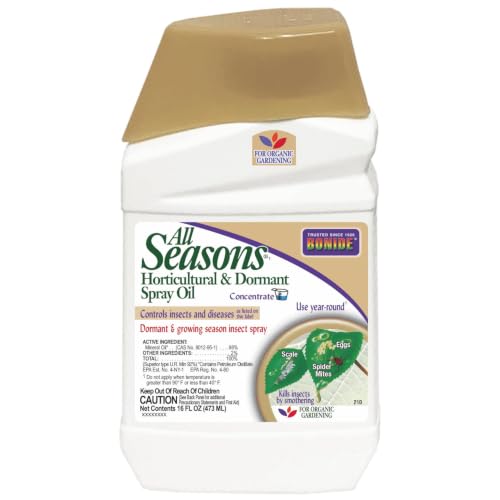
Bonide All Seasons Horticultural & Dormant Spray Oil, 16 oz

Martin’s 32 oz Cyonara Lawn & Garden Concentrate
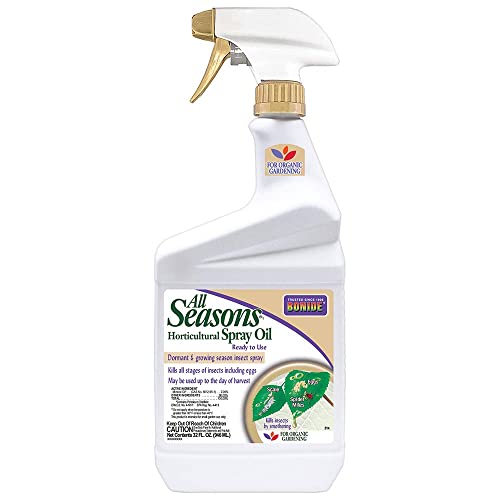
Bonide All Seasons Horticultural & Dormant Spray Oil, 32 oz

Catchmaster Brown Recluse Spider Giant Glue Boards 6Pk

Catchmaster Spider Traps Glue Boards 6-Pack

AgroMagen GrowSafe Bio-Pesticide (1.45 Gal)

Rockwell Labs Cimexa Insecticide Dust, 4oz

Catchmaster Spider & Insect Glue Traps, 30 Pack
Taking A Closer Look At The Options
If your collection includes houseplants, raised beds, a small greenhouse, and a few ornamentals, juggling three different sprays gets old fast. The Amazing Doctor Zymes Eliminator Concentrate takes one enzyme-based formula and stretches it across all those spots, which is why it earns the editor’s nod for most mixed-use households.
Unlike the synthetic Cyonara option further down the list, this one relies on a citric-acid-style enzymatic action rather than a knockdown neurotoxin. You dilute it into a pump sprayer, coat the foliage generously, and the residue does most of the work between applications.
Strengths Worth Knowing
- Multi-surface flexibility: indoor shelves, greenhouse benches, and outdoor vegetable beds all sit in scope
- Multiple size tiers, including a 32oz ready-to-use option for people who do not want to measure
- Targets a wide pest roster beyond mites, so aphid and whitefly outbreaks get caught in the same routine
- Enzyme-based profile suits gardeners avoiding synthetic pyrethroids around pets and kids
Trade-Offs To Consider
- Enzyme-based action tends to require repeat applications on dense infestations rather than one heavy dose
- Owners commonly report needing full leaf coverage to see real results, so sprayer discipline matters
Quick Facts
Built With In Mind
Mixed indoor and outdoor gardeners who want one bottle to cover mites, aphids, and mildew without switching chemistries each time.
Where Another Pick Suits Better
Severe outdoor infestations on large lawns may move faster with Martin’s Cyonara Lawn & Garden Concentrate, which trades gentleness for raw knockdown power.
Horticultural oils work by smothering mites and their eggs under a thin film, and Southern Ag’s paraffinic oil is one of the closest things to a textbook example in the category. For woody ornamentals, fruit trees, and roses with a recurring mite presence, it slots into a routine spray schedule almost too easily.
The 32oz quart format dilutes into a fair amount of finished spray, with typical dormant rates running heavier than summer rates. For most backyard fruit trees, one bottle stretches across a full season of treatments when applied at sensible intervals.
A Favorable Mix
- Refined paraffinic oil blend sits comfortably on woody plants, palms, citrus, and roses
- Dormant and summer rates give you flexibility for early-season egg suppression and mid-season cleanup
- Mixes readily into a standard pump sprayer with steady agitation
- Approachable for gardeners who already follow a seasonal spray calendar
Points To Note
- Oils can scorch tender foliage if sprayed in heat, so timing matters more than dose
- Mixing ratios differ between dormant and growing-season use, so reading the label before the first pour saves headaches
Best Suited To
Backyard orchard keepers and rose growers with established woody plants who already plan dormant sprays each winter.
Skip It When
New indoor growers with mostly tender tropicals should consider Bonide All Seasons 16oz instead, since its smaller size is easier to dose for houseplants.
Bonide’s 16oz bottle is the friendlier front door into horticultural oils for people who don’t want to commit to a full quart. It targets the same overwintering eggs and soft-bodied pests as its larger sibling, just in a volume that suits a modest yard or a starter fruit tree.
The dual-use label covers growing-season sprays, dormant sprays, and delayed-dormant green-tip applications, which gives beginners a single product to learn on instead of three. For organic-leaning gardeners, that flexibility matters.
Standout Benefits
- Smaller bottle lowers the entry cost and reduces the chance of half-used concentrate sitting around
- Three-mode label suits dormant, delayed-dormant, and in-season routines
- Listed for organic gardening, so it fits alongside most natural care programs
- Reaches overwintering mite eggs that spring sprays often miss
Less-Strong Areas
- Limited capacity means larger properties may burn through it quickly
- Same oil-phytotoxicity rules apply, so midday summer spraying still risks leaf burn
Feature Snapshot
Whose Shelf It Belongs On
First-time fruit tree owners and small-yard gardeners who want a single organic-leaning oil they can use year-round without buying a quart jug.
Look Elsewhere When
Larger properties managing many trees may stretch better with Bonide’s 32oz refill, which offers the same formula in a more generous bottle.
Some yard problems need blunt force, and Martin’s Cyonara Lawn & Garden Concentrate leans into that role with a broad-spectrum pyrethroid (a synthetic insecticide class modeled on natural pyrethrum) at 0.5% lambda-cyhalothrin. Spider mites show up alongside aphids, chinch bugs, and fire ants on its long pest list, which makes it a serious reset button.
The trade-off is chemistry. This is not the bottle for edible gardens harvested the same week, nor for households that prefer to keep synthetic actives off foliage entirely. Where it shines is neglected lawn edges and ornamental beds where the infestation has already won two rounds.
Strong Points
- Hits 130-plus pests on the label, so it doubles as a yard reset for mixed infestations
- Concentrate format dilutes into a generous coverage area from a single quart
- Listed for lawns, vegetables, roses, flowers, trees, and shrubs
- Lower-odor profile than older pyrethroid sprays of similar strength
Honest Caveats
- Synthetic pyrethroid chemistry rules it out for strict organic programs and tight harvest windows
- Overuse risks knocking back predatory insects that help control future mite outbreaks
- Requires careful handling around pollinators during bloom periods
Who It Suits Best
Homeowners facing a stubborn, multi-pest infestation across a large lawn or border where softer products have already stalled.
Where Another Pick Suits Better
Edible gardens and indoor collections will be happier with AgroMagen GrowSafe Bio-Pesticide, which keeps the mite control without synthetic residues.
Same Bonide formula as the 16oz bottle, just stretched into a 32oz refill that suits gardeners who already know they’re committed. For multi-tree orchards or anyone running a winter dormant pass plus a summer follow-up, the larger size stops you from running out mid-season.
The mode of action stays consistent with the smaller sibling, so anyone who has used Bonide’s horticultural oil before will find the transition painless.
Notable Upsides
- Larger volume lowers the per-application cost across a full season
- Dormant plus in-season use lets you cover scale, aphid, and mite eggs in one program
- Approved for organic gardening programs, so it pairs well with biological pest strategies
- Reaches fruit trees, shade trees, and ornamentals without switching bottles
A Few Limitations
- Half-empty concentrate bottles can oxidize over long storage, so plan to use it within a season or two
- Same oil-on-foliage caution: avoid heat-of-day spraying to keep leaves clean
Spec Overview
Right Fit For
Multi-tree property owners planning a full dormant-plus-summer spray calendar and want to buy oil in one trip.
Reach For A Different Pick When
South-facing afternoon gardens may fare better with Southern Ag Parafine Horticultural Oil, which has a comparable profile with different mixing guidance.
Glue boards are the unsung heroes of basement and garage mite problems, where spraying walls rarely makes sense. Catchmaster’s giant brown recluse boards bring a larger adhesive footprint that holds up under debris and grabs any wandering spider mite, cricket, or roach that crosses the path.
The boards fold into tunnel shapes, which mimics small harborage spots and increases catch rates near storage clutter. It’s a low-tech answer, but for monitoring populations and catching the odd escapee, nothing beats a well-placed trap.
The Helpful Details
- Giant board format means fewer pieces to deploy per square footage
- Pesticide-free approach fits households avoiding chemical sprays indoors
- Tunnel fold design adds a dimension that flat boards cannot match
- Catches spiders, scorpions, crickets, and roaches beyond just mites
Worth Noting
- Glue boards need replacement once they fill or collect dust, so they are an ongoing consumable
- Placement near curious pets or small children may require careful positioning
Made For
Homeowners dealing with spider activity in garages, basements, and crawl spaces who want monitoring without spraying chemicals indoors.
A Better Fit Elsewhere
Foliage mite outbreaks on houseplants need a spray approach like The Amazing Doctor Zymes Eliminator Concentrate, since glue boards cannot reach leaf undersides.
The smaller sibling to the giant brown recluse boards brings the same tunnel-fold idea into a more apartment-friendly footprint. Six boards per pack give you enough to set out across baseboards, behind furniture, and along closet edges without overbuying.
You can leave the paper on initially so pests acclimate to the trap, then remove it once they’re moving freely nearby. It’s a small detail that improves catch rates without requiring constant monitoring.
A Few Highlights
- Six-board count matches typical small-home coverage needs
- Pre-bait acclimation period helps wary pests accept the trap
- Pesticide-free profile keeps indoor air quality stable
- Tunnel fold design targets dark, narrow harborage zones
Practical Considerations
- Smaller board size means more frequent replacement in heavy-traffic spots
- Best used alongside other methods, since glue boards alone rarely end an infestation
Who Will Love This
Renters and apartment dwellers who need a non-toxic monitoring tool that doesn’t require sprayers, PPE, or ventilation.
Swap It Out When
Whole-home monitoring sweeps at scale suit Catchmaster’s 30-pack instead, which spreads the same logic across a larger footprint for less per board.
AgroMagen’s GrowSafe Bio-Pesticide lands squarely in the plant-derived corner of the miticide world. The 1.45-gallon format is built for serious indoor growers or hobby greenhouse owners who cycle through sprays often enough to justify the volume.
It lists two-spotted spider mites, broad mites, and russet mites alongside whiteflies, aphids, and powdery mildew, which means it doubles as a foliar disease program rather than a single-target spray.
The Case For It
- Food-grade, plant-based ingredients support organic-leaning routines
- Targets several mite species, not just the common two-spotted variety
- Covers mildew issues at the same time, reducing the need for a separate fungicide
- Larger volume suits multi-rack indoor gardens and small greenhouses
Soft Spots
- Large container is heavy and awkward for casual houseplant use
- Bio-pesticide action often requires more frequent applications than synthetic alternatives
Perfect Match For
Edible crop growers and indoor garden operators who want mite control without synthetic residues on leaves they intend to harvest.
Not Your Match When
Small shelf gardeners with only a handful of plants will find Catchmaster’s glue boards or Bonide’s 16oz oil easier to manage at their scale.
Cimexa is essentially pure silica dust (amorphous silica, a desiccant that damages insects’ waxy outer coating), and that simple chemistry gives it a long residual action in undisturbed spots. For wall voids, attic corners, and structural gaps where spider mites, spiders, and other pests travel, a 4oz canister stretches surprisingly far.
It’s odorless and won’t stain, which keeps it friendly for finished spaces where a wet spray would be a hassle. The dust clings best where it stays dry and undisturbed, so think baseboards and behind-appliance zones rather than high-traffic areas.
Good Reasons To Consider
- 100% silica dust means a simple, transparent ingredient list
- Long residual action in undisturbed areas reduces repeat applications
- Targets a broad pest roster including spiders, mites, ants, and roaches
- No staining and no odor, so it suits finished indoor surfaces
Potential Sticking Points
- Dust format requires a duster or applicator to place precisely where needed
- Wet conditions reduce effectiveness, so it’s not the right call for humid crawl spaces
Key Product Details
Who Should Grab It
Homeowners tackling structural pest entry points, wall voids, and attic edges where sprays cannot reach and dust clings undisturbed.
Consider Something Else When
Active foliage mite outbreaks need a wet spray like The Amazing Doctor Zymes Eliminator Concentrate, since silica dust does not coat leaf surfaces.
Thirty boards in a single box sounds excessive until you’ve tried monitoring a full house with a six-pack. Catchmaster’s bulk pack lets you place boards across every room, then refresh them on a rotating schedule without running out mid-sweep.
The boards fold into tunnels, accept acclimation periods with paper on, and reach the same roster of spiders, crickets, and roaches the smaller packs do. For whole-home monitoring, the per-board cost makes the math work.
What Works In Its Favor
- 30-pack format drops the per-board cost meaningfully
- Whole-home coverage from a single purchase
- Pesticide-free, so safe around kids and pets when placed thoughtfully
- Works year-round for ongoing monitoring, not just active outbreaks
Things To Weigh Up
- Bulk quantity may be overkill for studio apartments or single-room setups
- Glue boards need periodic replacement, so they remain an ongoing cost regardless of format
Who It Suits Best
Whole-home monitoring sweeps where you want a board in every room, basement, and garage without making multiple orders.
A Better Fit Elsewhere
Tighter one- or two-room apartments should start with Catchmaster’s 6-pack spider traps, which offer the same logic in a smaller commitment.
What To Look For In A Spider Mite Treatment
Spider mite control splits into three real-world branches: foliar sprays that coat leaves, dormant oils that smother overwintering eggs, and physical traps that intercept wandering pests. Matching the right branch to your situation matters more than chasing the strongest formulation on the label.
Indoor houseplant collections typically need a gentle foliar spray that won’t spot leaves or leave strong residues. Enzyme-based concentrates like The Amazing Doctor Zymes Eliminator or organic miticides such as AgroMagen GrowSafe suit shelves with mixed plants and limited airflow. Horticultural oils can work indoors too, but coverage and ventilation require more care than outdoor use.
Outdoor edible gardens and orchards call for products that won’t leave harsh residues on harvestable crops. Horticultural oils in both Southern Ag and Bonide forms fit organic programs and can be timed around fruit set. Spray thoroughly on leaf undersides, where mites hide, and rotate between dormant and growing-season applications for season-long suppression.
Structural pest problems (basements, garages, and wall voids) respond better to dust and traps than sprays. Cimexa dust reaches into cracks where sprays can’t, and Catchmaster glue boards give you a visual record of what’s moving through the space.
Severity matters too. A few stippled leaves on a single houseplant calls for a gentle, repeatable spray. A whole hedge covered in webbing, by contrast, often needs a stronger product or a multi-method plan that combines oil sprays with predator-friendly cleanup afterward.
Mistakes Shoppers Often Make With Spider Mite Products
Pitfalls Shoppers Hit
The most common slip is grabbing a broad-spectrum insecticide when a targeted miticide would do. Spider mites are arachnids, not insects, and many general insecticides barely touch them while still knocking out the predatory mites that help keep populations in check long-term.
Another trap is treating once and stopping. Most mite products, especially organic and biological options, need repeated applications at the intervals listed on the label. Treating once, seeing fewer mites, then walking away often lets survivors rebuild the colony within a few weeks.
Where The Extra Money Goes
Higher-tier mite products usually buy you one of three things: a more refined carrier oil that won’t scorch leaves, a multi-pest formula that replaces several bottles, or a longer residual that stretches across dormancy windows. Premium concentrates in larger sizes tend to cost less per finished gallon, so the upfront number looks bigger while the per-application cost actually drops.
Worth paying up when you have a multi-zone problem or you want one bottle to cover dormant and in-season timing. Worth holding the line on cost when the infestation is small, the scope is limited, or you’re still learning what your plants respond to.
Frequently Asked Questions
How do I know spider mites are the actual problem? Look for fine webbing on leaf undersides, tiny moving specks, and yellow stippling across the leaf surface. A quick white-paper test (tap a leaf over paper and watch for crawling dots) confirms mites over dust.
Are horticultural oils safe on edible crops? Yes, when used at the rates listed on the label and timed before harvest windows. Oils degrade quickly and leave minimal residue, which is why they fit most organic programs.
Can I use glue boards outdoors? Glue boards work best in sheltered spots outdoors, like garages and under sheds. Direct rain and debris reduce their holding power quickly in open areas.
How long does silica dust like Cimexa last? In undisturbed voids, silica dust can hold residual activity for many years. In high-traffic or wet zones, it loses effectiveness much faster and needs reapplication.
Will spider mites come back after treatment? Almost always, unless the surrounding conditions (dust, dry indoor air, stressed plants) are addressed alongside the spray. Repeat treatments at label intervals plus cultural changes give the most durable results.
Final Verdict
Spider mite problems rarely get solved by one product, and the smartest setup usually pairs a foliar spray with a monitoring tool. Indoor growers lean toward the Eliminator Concentrate or AgroMagen GrowSafe for gentle, repeatable coverage. Outdoor orchard owners get more mileage from a Bonide or Southern Ag horticultural oil timed across dormant and growing-season windows. Basements and garages benefit from Cimexa dust in voids and Catchmaster glue boards in living areas. Pick the branch that fits your space, follow the label intervals, and the mite population usually folds within a few rounds.
