

Growing peaches means juggling a short list of recurring problems: leaf curl in wet springs, scale colonies creeping along the bark, aphids clustering on tender new growth, and borers tunneling into trunks by midsummer. The right spray program turns those problems from recurring nightmares into manageable maintenance, and the eight picks below cover the full range of situations you’re likely to encounter in a backyard orchard.
A Quick View Of The Lineup

Farmer’s Secret Fruit Tree Booster Fertilizer (128oz)
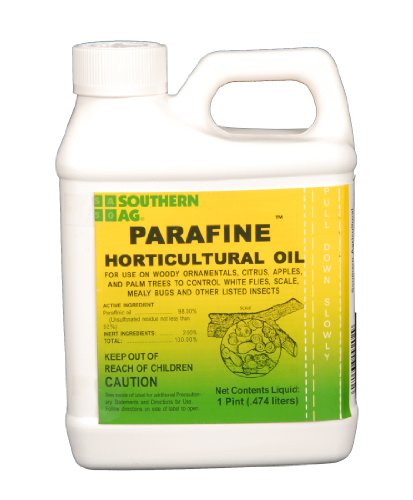
Southern Ag Parafine Horticultural Oil, 16 Ounces

Hi-Yield 55% Malathion Spray, 32 oz

Bonide Captain Jack Copper Fungicide Concentrate 16 oz

BioAdvanced 12 Month Tree and Shrub Protect and Feed, 10 lb

BioAdvanced 3-in-1 Insect, Disease, and Mite Control Concentrate 32 oz

Spectracide Triazicide Insect Killer for Lawns & Landscapes, 40 Oz
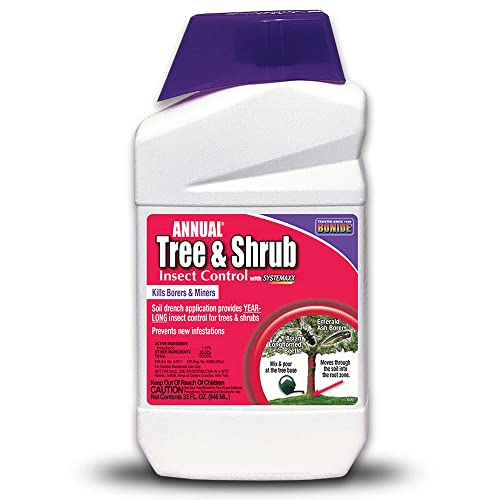
Bonide Annual Tree & Shrub Insect Control with Systemaxx
The Picks, Examined More Closely
A spray program starts long before pests show up, and a well-fed peach tree shrugs off stress far better than one running on depleted soil. This phosphorus-rich booster is formulated specifically for fruit trees during the early growth window, when nutrition shapes everything from bud set to fruit sizing.
For most backyard growers, the concentrated format matters: one teaspoon dilutes into a working solution, so a single 128-ounce bottle stretches across many applications. You feed the tree, not the bag.
Useful Strengths
- Phosphorus-forward blend targets the nutrient fruit trees crave most during early growth
- Highly concentrated format keeps shelf cost low per application
- Liquid form mixes cleanly into standard pump sprayers for foliar feeding
- Broad fruit-tree compatibility beyond just peaches
- One bottle covers a small home orchard for an entire growing cycle
Trade Offs
- This is nutrition support, not pest or disease control on its own
- Exact N-P-K ratio is not printed on the listing, so you cannot compare it line-by-line against dry fertilizers
- Requires accurate measuring, since over-diluting or under-dosing changes results
Made For
Backyard orchardists who want a targeted spring feeding routine for trees coming out of dormancy.
Consider Something Else When
Bonide Captain Jack Copper Fungicide Concentrate fits better for anyone whose main concern is leaf curl or brown rot rather than nutrient support.
Before any major pest pressure begins, dormant oil smothers the overwintering scale colonies, mite eggs, and aphid residue clinging to peach bark. This 98% paraffinic oil is a classic for that late-winter pass, mixed into water at a higher concentration for dormant use and a lighter rate for summer foliar work.
Unlike the systemic options lower in this list, horticultural oil works by contact only, so coverage matters more than chemistry. A thorough soak on bark and branch crotches pays off come spring.
Where It Delivers
- High paraffinic oil content smothers scale, whitefly larvae, mealybugs, and mites effectively
- Flexible dilution range handles both dormant and in-season foliar applications
- Compatible with a wide list of woody ornamentals and fruit species
Worth Noting
- Contact-only mode means thorough spraying is non-negotiable, especially on rough bark
- Application timing windows around heat and sunlight can feel restrictive
- A pint bottle goes fast on a larger backyard orchard
Best Suited To
Growers running a preventive dormant spray program who want a clean, classic oil base.
A Better Fit Elsewhere
Hi-Yield 55% Malathion Spray suits situations where insects have already broken out and you need faster knockdown than oil alone provides.
When aphids explode on the undersides of leaves and thrips scar the fruit skin, you reach for a broad-spectrum contact insecticide. This 32-ounce bottle centers on 55% malathion, the active ingredient that has handled backyard fruit-tree pests for decades.
Compared to the dormant oil above, malathion moves faster and hits more species, but it also requires calm weather and a 24-hour rain-free window to do its job properly.
Everyday Wins
- Targets aphids, thrips, spider mites, and lace bugs in a single spray pass
- Labeled for use on fruit trees, ornamentals, and many vegetable crops
- Concentrate format lets you tune the dose for different pest pressures
Honest Caveats
- Strong chemical odor during and shortly after application
- Not selective, so beneficial insects in the spray zone take a hit too
- Works only on contact, so missed insects keep reproducing
Right Fit For
Growers facing an active infestation who need a fast-acting, broad-spectrum knockdown tool.
Where Another Pick Suits Better
BioAdvanced 3-in-1 Insect, Disease, and Mite Control Concentrate is a calmer choice when you want insect, mite, and disease coverage in a single mix.
Peach leaf curl hits in cool, wet springs before the leaves even fully unfurl, and once you see the puckered red distortion, prevention for that season is over. Copper fungicide is the long-standing answer, applied as a late-winter or bud-swell spray to coat the bare branches and kill fungal spores before they infect emerging tissue.
Bonide’s concentrate carries organic-gardening approval, which matters for anyone selling fruit or simply preferring inputs they can use right up to harvest. Compared to the heavier insecticides in this list, copper works on a completely different problem category: fungus, not insects.
Practical Pluses
- Cleared for organic gardening use through harvest day
- Liquid copper format mixes more evenly than powder alternatives
- Controls a wide range of fungal issues beyond just leaf curl
Points To Keep In Mind
- Repeated copper use can build up in soil over many seasons
- Preventive timing is everything, and missing the bud-swell window limits results
- Concentrate requires careful measuring to avoid leaf burn at higher rates
Feature Snapshot
Who It Suits Best
Organic-minded growers in humid climates where peach leaf curl and brown rot are unavoidable annual visitors.
Where Another Pick Suits Better
Southern Ag Parafine Horticultural Oil fits better when the dominant concern is dormant insect pests rather than fungal disease.
Granular systemic products flip the usual spray script: you measure and pour at the base of the tree, water it in, and the tree’s own vascular system carries the protection upward. BioAdvanced’s 12-month formula does that job while feeding roots with slow-release fertilizer in the same application.
This is the lowest-fuss option in the lineup for someone who would rather do one application per year than juggle a calendar of sprays. Compared to the foliar concentrates above, the trade-off is slower onset but much longer coverage.
Everyday Advantages
- One application delivers insect protection for up to twelve months
- Dual-action formula combines insect control with slow-release feeding
- Granular format skips pump-sprayer setup entirely
- Covers aphids, Japanese beetles, leafminers, scale, and several other listed species
Practical Considerations
- Works through the tree’s vascular system, so it cannot help with surface pests that don’t feed on sap
- Larger 10 lb bag is sized for multiple trees or repeated yearly applications
- Takes longer to reach full effectiveness than a foliar knockdown spray
Built With In Mind
Low-maintenance growers managing a small home orchard who prefer an annual pour-and-water routine over weekly foliar work.
Reach For A Different Pick When
BioAdvanced 3-in-1 Insect, Disease, and Mite Control Concentrate makes more sense for fast-acting seasonal control when pests are already visible.
Mid-summer often brings overlapping problems: leaf damage from insects, fungal spotting from humidity, and mite stippling on the undersides of leaves. Pulling three separate bottles for each issue gets old fast. This concentrate aims to handle insect, disease, and mite concerns together in one spray pass.
Where Hi-Yield’s malathion above is purely insect-focused and Bonide’s copper above is purely fungal, this one splits the difference. It’s a strong fit when you don’t know which exact pest is showing up and want broad coverage without buying three products.
Noteworthy Benefits
- Tackles insects, listed diseases, and mites in a single application
- Systemic rainproof protection holds up to weather after drying
- Concentrate dilutes into roughly twelve gallons of finished spray
- Protection lasts up to 30 days per application
Some Limits To Know
- Not as targeted as a single-purpose spray when you know exactly what you’re fighting
- Concentrate measurement must be precise to avoid phytotoxicity on tender leaves
- Coverage on tall trees requires a capable sprayer for proper leaf wetness
Feature Snapshot
Who Should Grab It
Backyard growers dealing with overlapping pest and disease pressure who prefer one mixed spray over a complex rotation.
Where A Sibling Pick Shines
Bonide Annual Tree & Shrub Insect Control with Systemaxx works better for borer-specific problems that don’t respond to foliar sprays.
When your backyard orchard sits next to a lawn and shrub border, you often need one product that handles both. Spectracide’s Triazicide concentrate targets a very long list of above-ground and soil-dwelling insects, making it useful when you can’t easily tell which pest is feeding on which plant.
Compared to the more targeted products on this list, Triazicide trades precision for reach. It’s a “treat the whole area” approach that works well when pests are spreading rather than concentrated.
Standout Benefits
- Covers over 260 listed insect species across lawns, ornamentals, and fruit trees
- Larger 40-ounce bottle suits multi-tree properties and surrounding landscape
- Works above and below the soil surface for broader pest control
- Contact action produces visible results quickly after application
Honest Caveats
- Broad-spectrum contact action affects beneficial insects in the spray zone
- Stronger chemical profile than targeted options like horticultural oil
- Larger bottle size is more than needed for a single backyard peach tree
Built With In Mind
Growers with multiple trees and surrounding lawn areas who want one concentrate for the whole landscape.
Where Another Pick Suits Better
Farmer’s Secret Fruit Tree Booster Fertilizer is the better match for anyone focused on tree nutrition rather than pest coverage.
Peach tree borers attack below the bark line at the soil interface, where foliar sprays cannot reach. Bonide’s Systemaxx concentrate mixes into water and pours at the tree base, then moves up through the vascular system to deliver year-long protection against borers, leafminers, and other listed pests.
For most homeowners, the appeal is the simplicity: no spraying equipment, no protective gear beyond gloves, and one annual treatment covers the full season. Compared to BioAdvanced’s granular 12-month product above, this is a liquid pour with similar systemic reach.
What Earns Its Place
- Targets borers and other listed pests through the tree’s own vascular system
- Annual application window reduces seasonal spray scheduling
- Pour-and-go format needs no pump sprayer
- Reaches pests that hide in bark cracks where foliar sprays cannot land
Potential Drawbacks
- Only works on pests that feed on the tree’s vascular tissue
- Slower onset than contact insecticides once applied
- Concentrate dilution requires careful measuring for accurate dosing
Feature Snapshot
Whose Shelf It Belongs On
Orchardists worried about peach tree borers who want a hands-off, year-long soil-drench solution.
Swap It Out When
Hi-Yield 55% Malathion Spray is a stronger fit when insects are visible on foliage and need faster contact knockdown.
Picking The Right Spray For Your Peach Trees
Choosing among these products really comes down to identifying the problem you actually have. Fungal issues like leaf curl need a copper fungicide applied during dormancy, while active aphid colonies call for either a contact insecticide or a horticultural oil during the growing season. Borers are a completely different beast, often best handled with a soil-applied systemic product rather than anything sprayed on the leaves.
Think about the timing as much as the chemistry. Dormant-season sprays catch pests before populations build, while in-season treatments are reactive and need to land precisely on the target. Most backyard programs combine two or three of these picks across the calendar, not just one.
Matching Sprays To Your Orchard Situation
Small home orchards with one or two trees usually run best on a foliar concentrate plus an annual soil drench. Larger plantings with adjacent lawns benefit from a wider-spectrum concentrate like Spectracide Triazicide, where one bottle covers multiple areas. Organic-minded growers typically anchor their program around copper fungicide and horticultural oil, since both clear organic standards when used as directed.
Consider your local climate and disease pressure honestly. Humid southeastern springs practically guarantee peach leaf curl, so copper becomes essential rather than optional. Drier western climates with milder pest pressure can often get by with dormant oil plus targeted insect treatments only when needed.
Key Considerations Across These Picks
Common Buying Slip Ups
The most frequent mistake is grabbing a general-purpose insecticide when the actual problem is fungal, or buying copper fungicide for an active aphid outbreak. Match the product class to the problem class before anything else. Another easy trap is ignoring application windows. Dormant oil applied in summer can burn leaves, and copper applied after bud break offers far less protection than the same spray applied at bud swell.
Where The Extra Money Goes
Higher-priced concentrates typically offer longer residual protection, broader pest coverage, or organic-gardening approval. The single-purpose products on this list, like horticultural oil and copper fungicide, generally cost less than multi-action systemics. The upgrade is worthwhile when you want fewer applications per season or need pest coverage that foliar sprays physically cannot reach.
Frequently Asked Questions
When is the best time to start spraying peach trees?
Begin with a dormant oil or copper fungicide in late winter before buds swell, which catches overwintering pests and fungal spores before they take hold. Foliar sprays during the growing season should target the specific pest visible at the moment.
Can I mix different sprays together in the same tank?
Tank mixing depends entirely on the specific products and their labels, and many combinations are not approved. Run each spray separately unless the label clearly permits combining them, since some mixtures can damage foliage or neutralize the active ingredients.
How often do peach trees need spraying in a typical season?
Dormant sprays run once in late winter, and in-season applications depend on pest pressure, anywhere from monthly to only as needed. Annual systemic soil drenches are usually a single application per year for full-season coverage.
Are these products safe around pets and children?
Varies by product, so always check the specific label for re-entry intervals and drying times before letting people or animals back into the treated area. Horticultural oils and copper fungicides generally have shorter re-entry windows than broad-spectrum insecticides.
What’s the difference between contact and systemic sprays?
Contact sprays kill only the insects they directly hit and break down quickly, while systemic products are absorbed by the tree and protect it from within for much longer. Systemic options are usually poured at the base, while contact products are sprayed on foliage.
Closing Remarks
The right spray for your peach trees depends less on brand and more on matching the product to the pest, the season, and your tolerance for hands-on maintenance. Start by identifying the most pressing problem in your orchard, then build outward from there with complementary products. A thoughtful annual program almost always outperforms emergency sprays applied in panic.
