

Roses reward consistent attention, and the right spray turns a fight against aphids, black spot, and nutrient-starved soil into a manageable routine. Whether you tend a single bush on the patio or run a backyard full of climbers and floribundas, this roundup lines up liquid feeds, granular systems, and bloom-boosting concentrates that match different garden styles. Each pick below earns its place for a specific reason, so the goal is matching the format to your habits rather than chasing a single magic bottle.
A Snapshot Of The Selections

Miracle-Gro Water Soluble All Purpose Plant Food, 5 lb.

Simple Green All-Purpose Cleaner Spray and Refill Set

Miracle-Gro LiquaFeed All Purpose Plant Food Refill 16 oz., 8-Count

HiThrive 16 oz Plumeria Fertilizer Concentrate

MicroLife Maximum Blooms 3-8-3 Organic Liquid Fertilizer, 1 Quart

BioAdvanced All-In-One Rose & Flower Care Granules, 4 lb
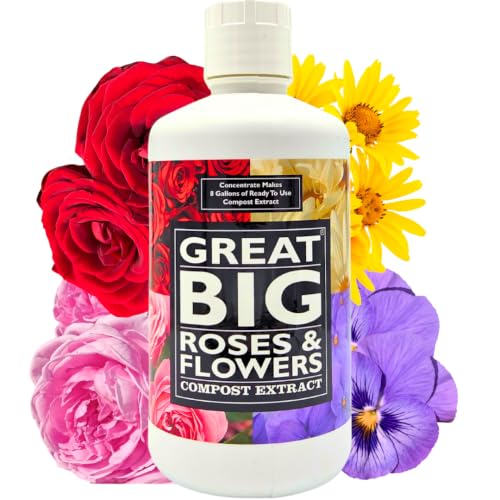
Great Big Roses Fertilizer Booster, 32 oz

Miracle-Gro Watering Can Singles, 24-Packet Pack of 6
More On The Choices That Made The List
This water-soluble powder has earned a place in garage shelves for a reason. You scoop, mix into a watering can, and feed the whole garden in one pass, which suits gardeners juggling roses alongside vegetables, herbs, and container annuals. The 5-pound tub keeps refills simple across a full growing season for most backyards.
For a rose bed, you typically apply every 7 to 14 days during active growth, which lines up well with routine deadheading. The catch is that you must measure carefully, because the line between “fed” and “overfed” is real for a heavy bloomer like a hybrid tea.
Useful Strengths
- Mixes cleanly into water and dissolves fast, so no gritty residue collects at the base of the rose.
- Compatible with most basic watering cans and hose-end feeders, depending on your setup.
- The 5-pound size covers a generous number of feeding cycles for a typical mixed border.
- Suitable for indoor and outdoor plants, which simplifies shopping when you also keep houseplants.
Things To Consider
- It is a general feed, so rose-specific micronutrient balance requires supplementing later in the season.
- Over-application can push leafy growth at the expense of blooms, depending on your watering habits.
At A Glance
Who It Suits Best
Gardeners tending mixed beds that include roses, vegetables, and shrubs in a single routine benefit from this one-size approach.
Consider Something Else When
Roses with chronic black-spot pressure call for BioAdvanced All-In-One Rose and Flower Care Granules, which pairs feeding with systemic pest and disease defense.
This one is the odd item on the list, and worth explaining. Roses stay healthier when the tools, pots, and greenhouse benches around them stay clean, and a concentrated cleaner like this handles grime on pruners, watering cans, and even outdoor furniture between feedings. The 3-piece set includes a spray bottle plus refill jugs, which lowers cost per use over the long haul.
You dilute for routine wipe-downs or use full strength on sticky residues left by sap and fertilizer splash. Depending on the mess, you may find a single pass leaves faint residue that needs a rinse.
What Makes Sense
- Concentrated formula lets you tune dilution to the job, which avoids waste on light messes.
- Refill jugs cut long-term cost compared with buying pre-mixed spray bottles repeatedly.
- Versatile across hard surfaces, fabric, and tools commonly used around a rose bed.
Points To Note
- Always spot-test on painted or sealed surfaces, since strong cleaners can dull finishes over time.
- It is a cleaner, not a rose treatment, so it complements rather than replaces your spray routine.
Made For
Organized gardeners who clean tools and pots after every pruning session to limit disease spread between bushes.
Look Elsewhere When
You came here strictly for feeding and bloom support, in which case the HiThrive 16 oz Plumeria Fertilizer Concentrate is a more relevant match.
LiquaFeed turns feeding into one motion: you connect the bottle to a hose-end feeder and spray while you water. The 16-ounce refill bottles come in a pack of 8, which covers an entire growing season for most small rose gardens without repurchasing mid-summer. Compare that to Item 1, which requires manual mixing each time you feed.
The system costs a little more upfront if you do not already own the feeder attachment, but the trade-off is real for anyone managing multiple beds in one session. For most backyards, the time saved per feeding compounds quickly.
Positive Takeaways
- Feed and water simultaneously, so a busy weekend does not push fertilizing off the schedule.
- Liquid format absorbs fast, which helps roses during high-demand bloom cycles.
- Refill pack of 8 cuts down on repeat orders across an active growing season.
Trade Offs
- Requires the separate universal feeder attachment, which is an extra purchase.
- Liquid refills weigh more in storage than dry powders, which matters for small sheds.
Best Suited To
Busy gardeners who want feeding integrated into their regular watering route and prefer minimal measuring.
A Better Fit Elsewhere
Roses that struggle to bloom may respond better to Great Big Roses Fertilizer Booster, which targets the root zone specifically.
HiThrive markets this bottle toward plumeria, but the underlying NPK ratio and micronutrient profile translate well to roses that want vigorous foliage and stronger bud sets. A 16-ounce bottle makes up to 16 gallons of finished liquid feed, depending on your target dilution, so the per-application cost drops sharply compared with pre-mixed sprays.
The honest read is that this is a concentrate for gardeners who like dialing in their own ratios rather than grabbing a one-size-fits-all jug. For a rose bed with 6 to 8 mature bushes, one bottle can stretch across several weeks of feeding.
Where It Excels
- High dilution ratio means small bottles last a long time, depending on feeding frequency.
- Includes nitrogen, phosphorus, and potassium aimed at bloom-driven plants.
- Liquid format reaches root zone quickly during warm weather feeding windows.
Honest Caveats
- It is not a rose-specific formula, so dedicated rose growers may want to layer in targeted micronutrients.
- Requires accurate measuring and a dedicated mixing container to avoid over-dosing.
Feature Snapshot
The Right Fit
Cost-conscious gardeners running multiple flower beds who want a single concentrate jug to stretch across the season.
Skip It When
You prefer organic certification, in which case MicroLife Maximum Blooms 3-8-3 is a closer match.
MicroLife Maximum Blooms leans into the higher middle number, with a 3-8-3 ratio that targets flower production over leafy growth. The formula lists over 100 minerals, vitamins, natural plant hormones, and amino acids, which is a richer profile than your typical all-purpose feed. The brand frames it as a foliar nutrition spray, meaning you can apply it to leaves as well as roots.
For organic-leaning gardeners, the slow-release profile and 2% iron content help without burning tender new growth. You may find the price per quart higher than basic feeds, but the ingredient density justifies the upgrade for serious bloom performance.
Real-World Strengths
- 3-8-3 ratio tilts energy toward flower production rather than leafy growth.
- Wide mineral and amino acid profile supports plant resilience in tough soil.
- Can be applied as a foliar spray or soil drench depending on the routine.
Factors To Consider
- Quart size may run out fast in large beds, so plan on multiple bottles per season.
- Stronger odor during mixing is commonly reported, which matters for indoor storage.
Who Will Love This
Organic-minded growers who want a feed built specifically around bud development rather than general growth.
Not Your Match When
You need built-in pest and disease control, in which case BioAdvanced All-In-One Rose and Flower Care Granules covers more ground in one step.
BioAdvanced bundles fertilizer, insect control, and disease control into one granular product, which trims the rose-care routine down to a single application step. The formula is systemic, meaning the plant takes up the active ingredients and circulates them internally, so rain cannot wash the protection off once it dries in.
Up to six weeks of protection per application is the practical benefit, and it targets the usual rose villains: aphids, caterpillars, and a range of fungal threats. Compared with the spray-on approach used by Item 1, this means no mixing and no sprayer to clean afterward.
The Case For It
- Three functions in one container reduces the number of products you store and apply.
- Systemic action stays active through rain once absorbed by the plant.
- Granular format means no spray equipment, which suits gardeners avoiding foliar products.
- Targets a broad list of common rose pests and diseases in a single pass.
Potential Drawbacks
- Contains treatment components, so it is not appropriate for gardeners wanting only organic inputs.
- Reapplication every 6 weeks requires calendar attention during peak season.
Quick Facts
Perfect Match For
Roses that battle recurring aphids, black spot, or rust and need a hands-off feeding-plus-defense solution.
Another Choice May Suit
Organic-only gardeners should reach for MicroLife Maximum Blooms 3-8-3, which skips synthetic pest control entirely.
Great Big Roses positions its 32-ounce formula as a booster that flows toward the root zone and unlocks nutrients already present in the soil. The pitch is less about adding NPK and more about helping existing soil biology deliver what your bushes already have access to. For tired beds that feed without results, that angle is worth considering.
The bottle is generous for the price point, which suits gardeners with several established rose bushes or mixed flowering shrubs. You apply it alongside your normal feeding schedule rather than in place of it.
The Helpful Details
- Targets root zone, where nutrient uptake actually happens for roses.
- Designed to work alongside existing fertilizer routines rather than replacing them.
- 32-ounce bottle suits multiple bushes or a small mixed flowering garden.
Where It Is Less Suited
- Works best when paired with a base feeding program, so it is not a standalone product.
- Results depend heavily on existing soil health, which varies widely between yards.
Right Fit For
Gardeners with established rose beds that feed regularly but still underperform, who suspect soil biology is the bottleneck.
Reach For A Different Pick When
You are starting fresh with new bushes and want a complete feeding program, in which case Miracle-Gro Water Soluble All Purpose Plant Food is the cleaner entry point.
The Watering Can Singles strip rose feeding down to its simplest form. Tear open one packet, drop it into a watering can, and water as usual. The pre-measured dose removes the guesswork that trips up new gardeners, and the 24-packet pack of 6 totals 144 packets, which is plenty for a full season of small-scale feeding.
Compared with the 5-pound tub of Item 1, this format costs more per feeding but eliminates the risk of measuring errors. For apartment patios with a single rose container, that trade-off makes sense.
Benefits That Matter
- Pre-measured packets remove the chance of under- or over-dosing.
- Works in any standard watering can, so no extra feeder hardware is required.
- Large packet count covers a long feeding calendar across multiple small plants.
- Compact storage compared with bulky tubs, which helps apartment gardeners.
Things To Weigh Up
- Per-feeding price runs higher than bulk powder, so large beds get expensive fast.
- Each packet creates single-use plastic waste, which matters for sustainability-minded shoppers.
Key Product Details
Who Should Grab It
New rose growers and apartment gardeners with one or two containers who want feeding without the measuring math.
Swap It Out When
You maintain a larger rose bed, where the bulk format of Miracle-Gro Water Soluble All Purpose Plant Food becomes more economical.
What To Weigh Before Choosing Sprays For Roses
Application style sets the first fork in the road. Foliar sprays (liquid feeds applied to leaves) act fast and help during bloom push, while granular systemic products feed through the roots over longer windows. Hose-end feeders sit in between, blending feeding with routine watering. Match the format to how often you actually visit the garden, because the best NPK ratio does no good in a bottle you never reach for.
The second decision is whether you need pest and disease control bundled in. Roses with chronic black spot or aphid pressure benefit from a product like BioAdvanced All-In-One Rose & Flower Care Granules, which trims the routine. Gardens with healthy soil and minimal pest pressure can stay with a clean liquid feed, which leaves room to layer targeted treatments only when symptoms appear.
Nutrient balance matters too. Higher middle numbers (the phosphorus in an NPK ratio) push bud set, while higher first numbers push leafy growth. Roses in active bloom cycles often respond better to bloom-leaning ratios like 3-8-3, while young bushes building structure may want a more balanced feed. Read the label’s NPK trio before committing, especially for concentrated products where you control the dilution.
Finally, think about storage and reuse. Powders keep indefinitely in dry sheds, while liquids can degrade in heat and require consistent storage conditions. Pre-measured packets trade convenience for packaging waste, and concentrates demand accurate measuring tools you may or may not already own. For most home gardeners, the format you will reliably use beats the theoretically superior formula gathering dust on a shelf.
Smart Considerations Across These Picks
Common Shopping Slip Ups
The first trap is buying a high-end bloom booster for a soil that has never been tested. Without a baseline pH and nutrient read, even a strong formula underperforms because the root zone cannot access what you apply. A simple soil test every couple of seasons prevents this.
Another frequent miss is ignoring application frequency. Granular systemic products last up to six weeks, while liquid feeds often need weekly cycles during peak bloom. Shoppers sometimes pick a premium liquid assuming it lasts as long as a granular, then run out mid-season.
Why Top Tier Costs More
Premium feeds earn their higher price through ingredient density: more micronutrients, better amino acid profiles, and stricter sourcing. MicroLife Maximum Blooms, for example, lists over 100 minerals and natural stimulants in a single quart. The honest read is that for a small, well-tended rose bed, a premium bottle stretches further than a basic jug, even with the higher upfront cost.
Frequently Asked Questions
How often should I spray fertilizer on roses during the growing season?
Most liquid rose feeds call for weekly or biweekly applications during active growth, while granular systemic products stretch to six weeks between treatments. Adjust frequency based on rainfall and visible plant response rather than the calendar alone.
Can I mix foliar feeding with pest control sprays?
Combining feeds and treatments in one pass saves time, but only when both products label compatibility. When in doubt, apply them separately a few days apart to avoid leaf burn or reduced effectiveness.
What is the difference between foliar and root-zone feeding?
Foliar feeding delivers nutrients through the leaves for fast uptake, which helps during bloom push or recovery. Root-zone feeding builds longer-term strength through the soil and supports overall plant resilience between applications.
Are organic rose sprays as effective as synthetic options?
Organic feeds rely on slower nutrient release and richer micronutrient profiles rather than concentrated NPK, so results depend on soil biology and consistency. Synthetic systemic products act faster and bundle pest control, which suits problem-prone beds.
When is the right time to start a spring feeding routine?
Most rose growers begin feeding as new shoots push out in early growth, which lines up with rising soil temperatures. Holding off until full leaf-out avoids wasting early applications that the plant cannot yet use.
