

St. Augustine grass is a Southern yard staple, prized for its thick carpet of broad blades, but it has a reputation for disease pressure. Brown patch, gray leaf spot, take-all root rot, and dollar spot all love humid coastal summers. Choosing the right fungicide for this turf means understanding both the pathogen you’re chasing and the chemistry behind the bottle.
Your lawn’s microclimate shapes the choice more than brand recognition does. A shaded yard with persistent morning dew needs a different rotation than a wide-open lawn that bakes in afternoon sun. The picks below cover organic biological options, broad-spectrum synthetics, and multi-purpose blends that handle disease plus a few insect pressures at the same time.
The Shortlist At A Glance

Smart Grower Mycorrhizal Fungi Root Enhancer 2oz

Gardentech Daconil Fungicide Concentrate

Fertilome Fungicide 5 RTU 32 oz

Bonide Sulfur Plant Fungicide 4 lb Dust/Spray

Bonide Revitalize Biofungicide 16 oz Concentrate

Southern Ag Dithane M-45 Fungicide 6 oz

Atticus Artavia 2 SC Azoxystrobin 1 Gal
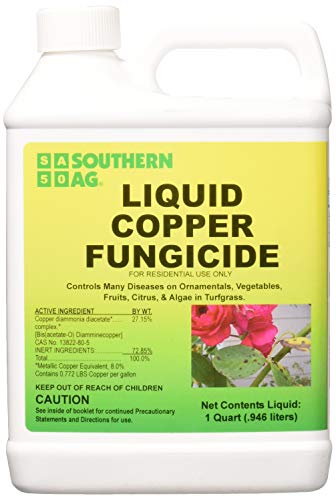
Southern Ag Liquid Copper Fungicide 32 oz

Daconil Fungicide Concentrate 16 fl oz

AgroMagen GrowSafe Bio-Pesticide 1.45 Gal
A Deeper Look At The Lineup
St. Augustine grass builds its disease resistance underground long before any spray hits a leaf, and that’s exactly where Smart Grower’s Mycorrhizal Fungi Root Enhancer operates. The two-ounce pouch mixes into 25 gallons of water, carrying beneficial fungi, Trichoderma, and Bacillus into the root zone. Mycorrhizae form a symbiotic relationship with grass roots, trading water and phosphorus for sugars the plant produces.
Compared to the synthetic concentrates later in this list, this powder leans entirely on biology. It suits homeowners rebuilding a lawn after take-all root rot or anyone transitioning away from heavy chemical rotations. Expect gradual improvement over weeks rather than a quick kill of visible fungus.
Practical Advantages
- Makes 25 gallons of solution, enough to cover multiple application rounds on a typical yard.
- Includes Trichoderma and Bacillus alongside mycorrhizae, layering multiple beneficial organisms for stronger root colonization.
- Sea kelp and molasses feed the soil biology, not just the grass on top.
- Powder format stores compactly in a shed and ships without heavy liquid weight.
Things To Consider
- Works slowly; an active brown patch outbreak may need a faster-acting synthetic alongside this treatment.
- Powder requires mixing and a watering can or sprayer, so it is less convenient than ready-to-use bottles.
Who It Suits Best
Homeowners rebuilding tired St. Augustine root systems or anyone committed to organic lawn care will find this product fits their routine.
Consider Something Else When
Reach for Gardentech Daconil Fungicide Concentrate instead when you need fast knockdown of an active fungal outbreak.
Daconil is the household name in lawn fungicides for a reason. The active ingredient chlorothalonil has decades of field use behind it, and this concentrate makes application straightforward for St. Augustine lawns facing multiple disease threats. The targeted spray format helps reduce wasted product while still delivering thorough coverage on broad St. Augustine blades.
Where Smart Grower’s powder works through soil biology, this concentrate works on contact across leaf surfaces. You will see results faster, and the broad-spectrum profile helps when you cannot yet diagnose which fungus is spreading. For most backyards with recurring disease pressure, this concentrate forms a sensible backbone for a rotation schedule.
What Pays Off
- Broad-spectrum coverage handles brown patch, dollar spot, and gray leaf spot without switching products.
- Concentrate format stretches further than ready-to-use bottles for larger lawns.
- Trusted active ingredient with a long track record on warm-season grasses.
- Suitable for indoor and outdoor use, so the same bottle covers houseplants and yard.
Honest Caveats
- Concentrate requires measuring and mixing, which adds steps before each application.
- Synthetic chemistry means longer pre-harvest intervals on edible plantings; check the label before spraying vegetable beds.
Made For
Homeowners managing multiple fungal threats across a medium-to-large yard will get reliable coverage from this formula.
A Better Fit Elsewhere
Choose Southern Ag Liquid Copper Fungicide when you prefer a softer active ingredient around vegetable gardens.
Fertilome’s Fungicide 5 Ready-to-Use bottle removes every barrier between you and treatment. No measuring, no mixing, no leftover concentrate. The trigger sprayer delivers a pre-diluted formulation straight onto leaves, which suits small lawns and spot treatments where dragging out a pump sprayer feels like overkill.
The broad label lists blights, molds, rots, spots, specks, and mildews, so you can reach for the same bottle whether the issue shows up on the lawn, shrubs, or flower beds. Compared to the Gardentech concentrate above, this trade-off is convenience versus economy: you pay more per ounce but skip every prep step.
The Good Stuff
- Pre-mixed format eliminates measurement errors for new fungicide users.
- Multi-plant label covers trees, shrubs, vegetable gardens, lawns, and indoor plants.
- 32-ounce bottle strikes a balance for small yards without committing to a larger container.
- Effective against both fungal and bacterial listed diseases, expanding what one bottle handles.
Points To Note
- Ready-to-use pricing runs higher per application than the same active ingredient in concentrate form.
- Trigger sprayers tire hands during coverage of larger areas, so this bottle suits smaller lawns best.
Key Specs
Best Suited To
New fungicide users with small yards or anyone needing a grab-and-go bottle for spot treatment will appreciate this format.
Look Elsewhere When
Pick the Bonide Revitalize Biofungicide when organic gardening certification matters more than convenience.
Sulfur is the original fungicide, and Bonide’s micronized version sticks to broad St. Augustine blades better than old-fashioned dusting sulfur. The four-pound jug handles both spray applications and dry dusting depending on what the situation calls for. Organic gardening certification opens this product up to vegetable gardens and fruit trees where synthetic chemistry feels heavy-handed.
The micronization matters because finer particles coat more leaf surface with less waste. You can spray this on a yard in the morning and harvest vegetables the same day, which removes the awkward waiting period some synthetic concentrates impose.
Useful Touches
- Approved for organic gardening, making it suitable for edible plantings alongside the lawn.
- Can be used up to the day of harvest on listed crops.
- Dual-purpose formula works as a spray or dust depending on equipment.
- Works on fruits, vegetables, and ornamentals with a single product.
Trade Offs
- Sulfur can burn sensitive plants in high heat; applying during cooler morning hours helps.
- The four-pound container weighs more than liquid concentrates and needs dry storage.
Right Fit For
Organic gardeners and homeowners managing mixed yards with vegetables, fruit trees, and turf will get the most mileage from this jug.
Skip It When
Choose Daconil Fungicide Concentrate RFID instead when you want a synthetic that handles an aggressive brown patch outbreak faster.
Bonide Revitalize takes a different approach than either sulfur or synthetic chemistry. The active ingredient is a strain of Bacillus amyloliquefaciens, a beneficial bacterium that triggers the plant’s own immune response. Bacillus-based fungicides are widely used in commercial organic produce production, and this 16-ounce concentrate brings that same approach to home lawns.
For St. Augustine, this means building disease resistance over time rather than killing fungi on contact. Compared to the Fertilome ready-to-use bottle, this concentrate trades convenience and asks you to mix each batch, but in return you gain organic certification and a fundamentally different mode of action useful for rotation programs.
Useful Highlights
- Bacillus strain approved for organic gardening, fitting into chemical-free lawn programs.
- Triggers plant immune response rather than relying on direct fungal kill.
- Targets blight and mold, two of the most common St. Augustine disease categories.
- Liquid concentrate format mixes easily into standard pump sprayers.
Where It May Fall Short
- Preventive and slow-acting, so severe existing infections may need a faster contact fungicide.
- Storage life matters; bacterial products can lose potency faster than shelf-stable synthetics.
Who Should Grab It
Organic-focused homeowners building a rotation program around biological inputs will find this concentrate slots cleanly into their routine.
Where Another Pick Suits Better
Pick the Atticus Artavia 2 SC instead when you need broad-spectrum synthetic coverage on a large yard.
Dithane M-45 uses mancozeb, a synthetic active ingredient with a long history on turf and ornamentals. The six-ounce package is unusually compact for a fungicide concentrate, which makes it appealing for homeowners who want a small bottle for occasional treatment without committing to a larger jug. Mancozeb works as a multi-site contact fungicide, hitting fungal pathogens through several modes simultaneously.
The smaller size fits a specific use case: a yard that mostly stays healthy but flares up during peak humidity. For ongoing rotation, a larger container usually makes more sense. For a targeted, once-or-twice-a-season treatment, this format keeps the chemistry fresh without long shelf life concerns.
The Value In It
- Six-ounce size suits occasional users who do not need a bulk container.
- Multi-site mode of action reduces pathogen resistance risk during repeated use.
- Concentrate format covers more square footage than ready-to-use alternatives.
- Established active ingredient with a long track record on warm-season grasses.
Potential Drawbacks
- Smaller package means fewer applications per purchase; heavy users will repurchase more often.
- Synthetic chemistry requires more careful label reading around harvest intervals on edible crops.
Whose Shelf It Belongs On
Homeowners with smaller lawns or those treating occasional flare-ups will appreciate the compact package size.
Reach For A Different Pick When
Choose Fertilome Fungicide 5 RTU if you want a pre-mixed bottle instead of measuring concentrate.
Artavia 2 SC contains 22.9% azoxystrobin, the same active ingredient used in leading professional turf products. Azoxystrobin is systemic, meaning the plant absorbs it and moves it through the vascular system from roots to leaf tips. That root-to-leaf movement matters for St. Augustine because several diseases, including take-all root rot, start below the soil line where contact fungicides cannot reach.
The label lists control of over 20 turf fungi and more than 30 ornamental plant fungi, which makes this gallon jug a versatile purchase for mixed landscapes. Compared to the Gardentech concentrate earlier in this list, the trade-off is professional-grade performance versus a smaller, more homeowner-friendly package.
What Stands Out
- Systemic action protects new growth as it emerges, not just the leaves you spray directly.
- Broad-spectrum control covers over 20 turf fungi and 30 ornamental fungi.
- One-gallon size suits large yards or multi-property use.
- Professional-grade active ingredient brings commercial turf chemistry into home use.
Things To Weigh
- Larger container adds weight and requires dedicated storage space in a garage or shed.
- Professional chemistry carries stricter label requirements, including re-entry intervals after application.
Quick Facts
Perfect Match For
Owners of large yards dealing with serious disease outbreaks or take-all root rot will benefit most from this systemic formulation.
Swap It Out When
Pick Bonide Sulfur Plant Fungicide instead when organic gardening approval matters more than systemic reach.
Copper fungicides occupy a middle ground between biological and synthetic chemistry. The new formulation on this quart bottle works with hose-end sprayers, removing the friction of pump-sprayer mixing for homeowners who already use hose attachments for lawn feeding. The label also lists moss and algae, which matters because shaded St. Augustine often hosts algae slicks along with fungal disease.
You may find copper a sensible starter choice because it handles both bacterial and fungal listed diseases. Compared to the Bonide Revitalize concentrate, copper works on contact rather than triggering immunity, giving faster visible results but less long-term plant conditioning.
Real-World Strengths
- Hose-end compatibility simplifies application for homeowners without pump sprayers.
- Controls both bacterial and fungal listed diseases with one product.
- Labeled for moss and algae, addressing problems common in shaded St. Augustine.
- 32-ounce quart size suits medium-sized yards without bulk commitment.
Small Caveats
- Copper can accumulate in soil over time; rotating modes of action helps prevent buildup.
- Contact-only action means thorough coverage matters more than with systemic products.
Built With In Mind
First-time fungicide users with shaded yards will appreciate the simple hose-end application and dual-action label.
Another Choice May Suit
Choose Smart Grower Mycorrhizal Fungi Root Enhancer when soil biology rebuilding matters more than leaf-surface protection.
Daconil’s 16-fluid-ounce concentrate lands between the Gardentech jug and a smaller occasional-use product. The 3-way control label claims coverage of over 65 listed diseases, including tomato blight, anthracnose, fusarium wilt, mold, and powdery mildew. For homeowners who rotate between lawn, flower, and vegetable applications, that breadth reduces the number of products on the shelf.
Concentrate format means measuring and mixing each batch, which adds friction compared to ready-to-use sprays. The trade-off pays off in coverage area per dollar and in the ability to adjust concentration for different plants. For outdoor residential use only.
Features That Help
- Over 65 listed diseases handled by one active ingredient.
- Suitable for vegetables, flowers, fruit trees, and shade trees alongside lawn use.
- 16-fluid-ounce size fits a season of regular applications for most home lawns.
- Chlorothalonil chemistry has a long track record on residential turf.
Practical Considerations
- Mixing required before each use adds a step the ready-to-use Fertilome bottle avoids.
- Outdoor residential use only; not suitable for greenhouse or indoor applications.
The Right Fit
Active gardeners managing both lawn and vegetable beds will consolidate their fungicide shelf with this multi-purpose concentrate.
Where A Sibling Pick Shines
Pick Southern Ag Liquid Copper Fungicide when you want a hose-end option that also handles moss and algae.
GrowSafe earns its spot by combining three jobs into one container. The food-grade, plant-based formula works as a miticide, fungicide, and insecticide, controlling spider mites, whiteflies, aphids, powdery mildew, and downy mildew. For yards where fungal disease arrives with insect pressure, that combination simplifies a complex spray schedule.
The 1.45-gallon container is the largest in this lineup, which fits homeowners treating larger properties or those who prefer to refill smaller sprayers from a bulk source. Compared to single-purpose products earlier in this list, the trade-off is breadth versus depth on any one pest category.
Good Reasons To Consider
- Three-in-one formula cuts down on the number of products stored in the shed.
- Food-grade, plant-based ingredients suit organic-minded gardeners.
- Covers powdery mildew and downy mildew, both common on St. Augustine in humid conditions.
- Effective on vegetables, flowers, houseplants, and ornamentals in one product.
Some Limits To Know
- Multi-purpose formulas typically do not match dedicated products in any single category.
- Large container requires storage space and prompt use once opened.
Who Will Love This
Homeowners juggling fungal disease plus insect pressure will value consolidating their spray rotation into one container.
Not Your Match When
Choose Atticus Artavia 2 SC when you need professional-grade systemic strength on a major lawn outbreak.
What Matters Most When Picking A Fungicide For St. Augustine
Matching Product To Disease
The single biggest factor is identifying the pathogen you are treating. Brown patch, which produces circular yellow-to-brown patches that can grow several feet across, responds well to contact fungicides like chlorothalonil. Take-all root rot, by contrast, attacks the root system and requires a systemic product that the plant can absorb and translocate downward. Powdery mildew shows up as a white coating on leaf surfaces and is well-controlled by sulfur, copper, or biological options. Mismatching the chemistry to the disease wastes product and delays recovery.
Yard Size And Application Style
The physical layout of your lawn shapes which format makes sense. A small yard with spot disease responds well to ready-to-use bottles with trigger sprayers, since the investment in a pump sprayer does not pay off. Medium-to-large lawns benefit from concentrates because the per-application cost drops significantly. Properties with mixed plantings, including vegetables, ornamentals, and turf, often benefit from a broad-spectrum multi-purpose product like Daconil or GrowSafe.
Organic Versus Conventional Approach
Homeowners committed to organic gardening can choose from Bacillus-based biofungicides, micronized sulfur, copper formulations, and plant-based options like GrowSafe. Each carries trade-offs around contact versus systemic action and speed of results. Conventional synthetic products often work faster but require closer attention to label instructions, pre-harvest intervals, and re-entry timing. Rotation between modes of action is wise regardless of which philosophy you follow, since fungi develop resistance to single-site chemistries over time.
Climate And Timing
St. Augustine disease pressure follows predictable weather patterns. Spring and fall transitions, periods of extended leaf wetness, and stretches with daytime highs in the 80s combined with humid nights create the conditions brown patch and gray leaf spot love. Preventive applications timed before these windows tend to perform better than reactive sprays after disease is established. Your lawn’s specific microclimate, including shade coverage, irrigation schedule, and airflow, shapes the calendar you should follow.
Shopping Smart In The Fungicide Aisle
Common Shopping Slip Ups
Treating symptoms without diagnosing the disease ranks as the most common mistake. Yellowing St. Augustine can signal fungal infection, chinch bug damage, drought stress, or nutrient deficiency, and each calls for a different response. Spraying fungicide on chinch bug damage wastes a season. Pulling a few blades and examining the roots, looking for insects at the soil line, and ruling out watering issues before spraying saves money and frustration. Another slip is using the same product repeatedly through a season, which encourages fungal resistance. Rotating between contact fungicides, systemic options, and biological products keeps each chemistry effective when you truly need it.
Where The Extra Money Goes
Higher-tier fungicides, like the Atticus Artavia jug, cost more because they deliver systemic action that cheaper contact products cannot match. That systemic movement matters when pathogens hide in the root zone or crown, where leaf sprays never reach. Premium pricing also typically brings broader pathogen coverage, longer residual protection, and professional-grade concentration that stretches further per application. For most home lawns with light seasonal pressure, mid-tier options like the Daconil concentrate or Fertilome RTU deliver solid results without the premium outlay. Heavy disease pressure on larger properties is where premium systemic products justify the higher investment through fewer repeat treatments and broader coverage in a single jug.
