

Crisp edges and tidy borders used to mean owning a separate string trimmer and a dedicated edger, then wrestling with both. A combo trims weeds around fences and reshapes walkway borders from the same shaft, which matters when you only have a Saturday morning and a stubborn patch of overgrown grass. The picks below cover cordless commuters, gas-powered workhorses, and modular systems that grow with your yard, so you can match the tool to the lot you actually have, not the one in the brochure.
The Shortlist At A Glance

EGO Power+ 8-Inch Edger Attachment & Multi-Head Power Head (ME0820)
Lemolifys Cordless Weed Wacker for Dewalt 20V Battery (3-in-1)

Heywork 20V 12-Inch Cordless String Trimmer and Edger

Makita XRU23Z 18V LXT Brushless 13-Inch String Trimmer (Tool Only)

Wild Badger Power 26cc 3-in-1 Gas String Trimmer and Brush Cutter
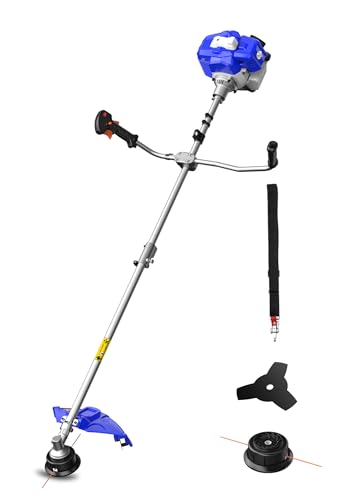
Wild Badger Power 52cc 2-Cycle 3-in-1 String Trimmer Kit

Echo PAS-225VPB 21.2cc Gas Trimmer with Leaf Blower Kit
A Closer Look At Each Pick
The EGO Power+ ME0820 isn’t a stand-alone combo; it’s a power head plus an 8-inch edger attachment that slots into a multi-head system. That framing matters: you already own (or plan to buy) the EGO string trimmer, pole saw, hedge trimmer, brush cutter, cultivator, snow shovel, and other attachments that all share the same shaft. For homeowners who keep adding yard tools, this is the kind of purchase that pays off across seasons.
The edger reaches up to a 3-inch depth, which is enough for most residential driveways and curb strips. You swap the attachment on the same battery platform used by the rest of your EGO gear, so there’s no second ecosystem to feed. For suburban lots with mixed tasks week to week, the multi-head angle beats a single-purpose combo unit.
The Value In It
- One power head drives many attachments, so future tools drop in without buying another battery system.
- Up to 3 inches of edging depth handles typical driveway and curb restoration.
- Already-aligned trimmer attachment feels familiar if you own other EGO tools.
- Fewer gas-engine headaches: no mixing fuel, no winter carburetor woes.
Worth Noting
- The combo framing only pays off if you commit to the broader EGO ecosystem, which raises the up-front outlay.
- Battery and charger are sold separately for many bundle configurations, so factor that in before checkout.
Who It Suits Best
Homeowners building out a complete cordless yard toolkit who want one battery family to power everything.
Where Another Pick Suits Better
Stick with the Wild Badger Power 26cc if you need raw gas torque and a brush-cutting blade for thick brush.
The Lemolifys 3-in-1 is built for one specific situation: you already have a stack of Dewalt 20V MAX batteries in the shop. It accepts those packs and runs as a trimmer, edger, and grass whip from a single head. That makes it a logical upgrade path instead of a parallel system crowding your garage.
The included wheel adds guide support along curbs and beds, which is the part most beginners struggle with. You get eight line spools in the box, which stretches the next maintenance cycle out nicely. Compared to the Heywork 20V unit below, this one leans on your existing Dewalt investment instead of forcing a new battery family.
The Upside
- Reuses your Dewalt 20V MAX batteries, sidestepping a whole new charger and battery cost.
- Guide wheel makes edging straighter along driveways and sidewalks.
- Eight spare spools ship in the box, so you’re set for months of typical use.
- Three modes in one tool covers most small-lawn needs.
Points To Note
- Battery and charger are not included, which is a deal-breaker for anyone without Dewalt packs already on hand.
- Lightweight plastic construction feels more seasonal-use than daily commercial duty.
Made For
Dewalt 20V MAX owners who want a yard tool that piggybacks on batteries they already own.
Skip It When
Choose the Makita XRU23Z if you’re already invested in the Makita LXT platform instead.
The Heywork 20V lands squarely in the “weekend warrior” lane: a 12-inch cutting swath, a self-feeding line head, and a 2-in-1 trim-and-edge head without a battery platform you have to commit to. It ships as a complete starter kit with battery and charger in many bundles, so you can unbox and head to the yard the same afternoon.
The 8000 RPM motor spins the line fast enough for thin grass and modest weeds, though it isn’t built for thick brush. The auto line feed keeps the working edge at a consistent length without stop-start bumping. If you live in a townhouse community with a strip of lawn, this hits the size and noise profile that fits neighbors.
Everyday Advantages
- Self-feeding line head trims the hassle out of daily yard work.
- Light enough to swing one-handed around flower beds.
- Trimmer and edger modes convert without tools.
- Quieter than gas, so early-morning edging won’t wake the block.
Trade Offs
- The 12-inch swath is narrower than larger cordless or gas units, so big yards take longer.
- Auto line feed can be wasteful if the line breaks repeatedly in rocky soil.
- Not a fit for saplings or woody brush.
Best Suited To
Suburban homeowners with a small to mid-size lawn who want a clean, quiet, no-fuss setup.
Not Your Match When
Pick the Wild Badger Power 52cc instead if your lot runs into woody growth and heavy weeds beyond the lawn edge.
The Makita XRU23Z sits in the prosumer corner of cordless trimmers. The brushless motor (a design with no internal brushes to wear out, giving longer runtime and tool life) runs cooler and squeezes more runtime per amp-hour than brushed units, which matters across long Saturday sessions. The 13-inch swath also beats the Heywork’s 12-inch cut, trimming a couple of passes off larger yards.
The trade is the classic tool-only reality: no battery, no charger, no line spool. You bring Makita LXT batteries to the table or skip this one. For landscapers already running Makita drills, saws, and blowers, that’s a feature, not a bug. For first-time tool shoppers, this isn’t the entry point.
Everyday Wins
- Brushless motor extends runtime and stretches tool life over brushed designs.
- 13-inch cutting width finishes bigger lawns faster than entry-level cordless.
- Zero emissions and noticeably quieter than gas, with comparable trimming torque.
- Plugs into the existing Makita LXT battery system.
Honest Caveats
- Tool-only means battery and charger arrive separately, adding real cost.
- Line trimmer head only; brush cutting requires another attachment.
Right Fit For
Existing Makita LXT owners and prosumer users who want pro-grade runtime without the noise of gas.
A Better Fit Elsewhere
Choose the Lemolifys 3-in-1 if your battery platform is Dewalt 20V MAX rather than Makita LXT.
Wild Badger Power’s 26cc unit is where gas still earns its keep. The full-crank 2-cycle engine (a design where the crankshaft runs the full length of the engine for better balance and longer life) pushes a 17-inch trimmer head and a 10-inch brush-cutter blade without bogging down in saplings or heavy brush. The shoulder strap and rubber handle help balance the heavier shaft during longer jobs.
Tool-free air filter access simplifies the routine maintenance that puts gas tools out of service. Compared to the 52cc Wild Badger below, this one is the lighter, more maneuverable sibling for properties that don’t need the bigger engine’s torque. You do trade quiet operation and push-button starting for raw cutting power.
The Good Stuff
- 17-inch trimmer swath clears more grass per pass than typical cordless trimmers.
- Included brush-cutter blade tackles woody growth that string line can’t reach.
- Full-crank engine design extends service life over half-crank alternatives.
- Shoulder strap reduces fatigue during longer trimming sessions.
Some Limits To Know
- 2-cycle engine requires mixed gas and oil at every fill-up.
- Louder and heavier than the cordless options above.
- Pull-start only, no battery backup.
Who Should Grab It
Rural and suburban property owners who face thick weeds, tall grass, or light brush every weekend.
Another Choice May Suit
The Echo PAS-225VPB is the better pick for anyone who also wants a leaf blower in the same tool family.
Step up to the 52cc Wild Badger and the headline numbers shift up. The 18-inch trimmer head is one of the widest in this lineup, paired with the same 10-inch brush-cutter blade to chew through woody stems. The full-crank engine is built for sustained work, and the tool-free filter cover keeps routine maintenance quick.
The 52cc displacement is overkill on a tidy suburban lot, but it’s the right size for rural acreage, food plots, fence lines, and neglected corners where weeds run thick. Owners commonly report pulling the engine to life within about five pulls once warm. Compared to the 26cc model above, this one trades a few extra pounds of weight for noticeably more cutting authority.
Points In Its Favor
- 18-inch swath covers wide swaths of field edge in a single pass.
- 52cc engine handles brush and saplings that stall smaller trimmers.
- Tool-free air filter cover speeds up cleaning between jobs.
- Compatible with other Wild Badger attachments for added versatility.
Things To Weigh
- Heavier than the 26cc model, which adds fatigue on long sessions.
- Still requires fuel-oil mixing and pull-starting.
Built With In Mind
Large-property owners tackling multi-acre lots, fence lines, and heavy brush on a regular basis.
Look Elsewhere When
Pick the Heywork 20V instead if your yard is small and you value quiet over cutting torque.
The Echo PAS-225VPB is the split-personality pick: a 21.2cc gas trimmer bundled with a 100 MPH leaf blower attachment on the same power head. For homeowners who want one tool that handles spring edging and autumn leaf cleanup, the bundle math beats buying two separate tools.
The Speed-Feed head reloads trimmer line quickly without disassembly, which is the small detail that saves the most time across a season. The straight shaft design reaches under decks and fences better than curved-shaft units. Attachment-capable means you can also expand into other Echo PAS tools later, similar in spirit to the EGO multi-head system above.
The Practical Payoff
- Bundle covers two big yard chores, trimming and blowing, on one engine.
- Speed-Feed head cuts line-reload downtime.
- Straight shaft reaches under low obstacles.
- Expandable into other Echo PAS attachments over time.
Small Caveats
- 2-stroke engine needs fuel-oil mixing at every fill.
- Switching between trimmer and blower takes a minute of swapping attachments.
Perfect Match For
Year-round homeowners who want one engine to handle trimming season and leaf season in one bundle.
Swap It Out When
Choose the Wild Badger Power 26cc if brush-cutter blade work matters more than bundled blower convenience.
What Matters Most Before Choosing String Trimmer Edger Comboes
Power Source: Cordless, Battery-Compatible, or Gas
The first fork in the road is how the tool gets its bite. Battery-powered combos run quieter, start with a trigger pull, and skip fuel mixing, but runtime is finite and brush-cutting ability drops. Battery-compatible models like the Lemolifys and Makita stretch value by tapping batteries you may already own. Gas-powered units like the Wild Badger 26cc, Wild Badger 52cc, and Echo PAS-225VPB trade noise and fumes for unlimited runtime and torque that cordless still struggles to match.
Cutting Width and Tool Head Geometry
A 17-inch or 18-inch trimmer swath clears a wider path per pass, which matters on bigger lots where extra passes add real time. A 12-inch or 13-inch swath is more agile around flower beds and fence posts. Curved shafts feel lighter and more forgiving; straight shafts reach farther under decks, fences, and shrubs. The combo head should rotate easily between trim and edge modes, ideally without tools.
Attachment Ecosystem and Modularity
Some combos expand into larger ecosystems. The EGO multi-head system and the Echo PAS line both accept additional attachments, which protects the original purchase as your yard needs grow. Stand-alone combos like the Heywork or Makita tool-only focus on doing one thing very well instead of branching out.
Maintenance, Weight, and Storage
Gas tools need fuel mixing, air filter cleaning, and occasional spark plug swaps. Cordless tools need battery care and line spool replacement. Heavier shafts tire you out faster but often cut more aggressively. Consider how you’ll store the tool between seasons and how much weight you can comfortably swing for an hour at a time.
Key Considerations Across These Picks
Pitfalls Shoppers Hit
A common trap is buying a tool-only bare unit when you don’t yet own the battery platform. The Makita XRU23Z and Lemolifys models are great values for existing users but stingy starter kits for newcomers. Another mistake is matching a small cordless trimmer to a half-acre lot with brushy edges; the battery and motor simply weren’t sized for that workload, and you’ll spend the season frustrated. Finally, ignoring attachment compatibility locks you into a single brand ecosystem that may or may not match the other tools you already own.
When Paying More Pays Off
Stepping up to a larger gas engine, a brushless motor, or a modular attachment system costs more up front, but the upgrade tends to deliver in three places. First, longer tool life under heavier workloads, since brushless motors and full-crank engines wear slower. Second, broader task coverage from a single purchase, which spreads the cost across more uses. Third, better balance and ergonomics that reduce fatigue on long days, which matters more than horsepower specs suggest for occasional users who tackle big projects in single sessions.
