

Tall grass along fence lines, weeds creeping through driveway cracks, and a stubborn patch behind the shed that the mower can’t quite reach. If your weekends revolve around chasing down those stragglers, a wheel-based trimmer turns hours of stop-and-start trimming into a smooth, walk-along routine. This guide looks at cordless picks that balance cutting width, battery life, and comfort for the average homeowner.
A Quick View Of The Lineup

MZK 20V 12-Inch Cordless Weed Wacker

WORX WG163 20V 2-in-1 String Trimmer

Worx WG154 20V 10-Inch Trimmer

Heywork 20V 12-Inch Cordless Trimmer
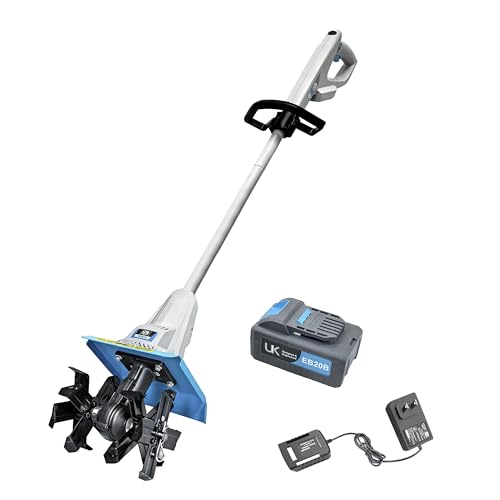
RB 40V Cordless Tiller Cultivator
Worx WG163.8 20V 2-in-1 Trimmer
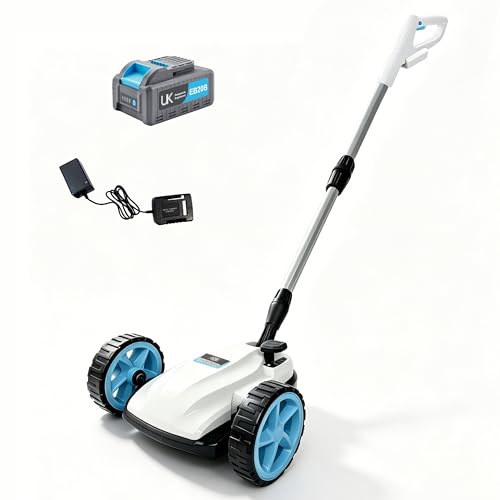
RB 40V 9-Inch Mini Cordless Mower
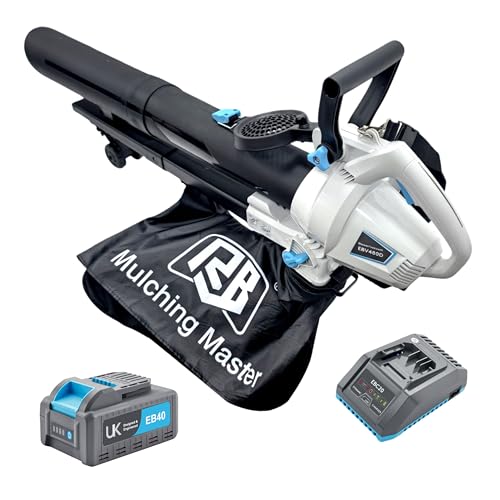
RB 40V Cordless Leaf Blower Vacuum
The Details Behind The Selections
Light enough to carry with one hand, the MZK trimmer handles the kind of post-mow cleanup that drains an entire Saturday if you go at it with a hand clipper. The 12-inch cutting diameter (the total width of grass the line clears in one pass) covers a typical side yard in fewer sweeps than a narrow 8-inch tool, and the upgraded 8000 RPM motor chews through the thicker weeds that sprout along fence lines.
An adjustable handle lets you dial in the grip angle, which matters when you’re working on a slope or trimming under low bushes. Auto line feed (the spool pushes fresh line out as the old one wears down) keeps you from stopping to bump the head against the ground every few minutes.
What Earns Its Place
- Lightweight body reduces arm fatigue during long sessions
- 12-inch cutting diameter covers more ground per pass
- 8000 RPM motor handles thicker weeds without bogging down
- Auto line feed minimizes interruptions mid-job
- Adjustable handle accommodates different user heights
Things To Consider
- Runtime depends heavily on grass thickness and battery age
- Spool replacement can require a brief learning curve
Right Fit For
Homeowners with small to mid-sized yards who want a lightweight trimmer that won’t wear them out before lunch.
Swap It Out When
You need built-in edging wheels and a dedicated edger mode, where the WORX WG163 handles the workload better.
The WORX WG163 swings between trimmer and edger in seconds, which is the whole reason it earns a spot in any line-up aimed at homeowners who want one tool instead of a wall of them. Rubberized wheels roll along the curb while you guide the head, taking the wobble out of long edging runs along a driveway or sidewalk.
The Command Feed system (a button-triggered line release) gives you control over when fresh line drops, so you stop wasting cord on the bench between uses. Compared with the MZK above, this one trades some pure trimming simplicity for the edging wheels that make a real difference along hardscape edges.
Useful Strengths
- Converts between trimmer and edger without extra tools
- Rubber wheels guide the head for straighter edging lines
- Command Feed releases line on demand, reducing waste
- Head tilts for reaching under shrubs and benches
Worth Noting
- Battery life dips when edging dense root-heavy grass
- Slightly heavier than pure trimmer-only options
Quick Facts
Built With In Mind
Homeowners who want a single tool that handles both lawn trimming and the clean edging lines along walkways.
A Better Fit Elsewhere
You mostly work in narrow vegetable beds and tight garden rows, where the RB 40V Tiller Cultivator makes more sense.
The Worx WG154 is the kind of trimmer that fits in a closet without a fight. Its 10-inch cutting width (a touch narrower than the 12-inch models above) suits the postage-stamp lawns where a wider swath just knocks over garden ornaments you forgot you had.
Convertible trimmer-to-edger design means you still get clean lines along the walkway, and the 20V platform shares batteries across the Worx Power Share family if you already own other tools on that system. It’s a step down in cutting reach from the WG163 above, which is exactly the point if your yard doesn’t need more.
A Few Strong Suits
- 10-inch reach navigates tight landscaping and narrow beds
- Lightweight enough for overhead reach without strain
- Shares batteries with other Worx 20V tools
- Stores vertically in most shed corners
Honest Caveats
- Smaller swath means more passes on open lawn
- Runtime shortens in thick, wet grass
- No wheels for guided edging like the WG163 line
Made For
Suburban lots with narrow side strips and limited shed space where a compact trimmer earns its keep.
Skip It When
Your yard has long open stretches of lawn, where the Heywork 20V 12-Inch Cordless Trimmer covers ground faster.
The Heywork trimmer leans into the same versatile trimmer-and-edger formula that the Worx WG163 popularized, with an 8000 RPM motor and automatic line feed. For homeowners who want the dual-mode functionality without committing to a specific battery platform, this one keeps the spec sheet familiar.
The 12-inch cutting diameter lines up with most residential walkways, and the head pivots for angling into beds and curbs. Where it differs from the MZK above is the convertible edger mode, which gives you a second job out of one tool.
A Few Highlights
- Trimmer and edger modes in one tool
- Auto line feed keeps the spool working without bumping
- Adjustable length handle suits multiple users
- Light enough for overhead trimming under low branches
Trade Offs
- Brand recognition is thinner than the Worx line
- Replacement spool availability varies by region
Who It Suits Best
Budget-conscious shoppers who still want trimmer and edger functionality in a single tool.
Where Another Pick Suits Better
You prefer an established battery ecosystem, where the Worx WG163.8 connects to a broader 20V family.
This entry bends the category a little, because the RB Tiller isn’t a string trimmer in the strict sense. It’s a cultivator, designed to churn soil in tight vegetable rows and flower beds where a wheeled trimmer would do more harm than good. The 40V brushless motor (a motor with no carbon brushes, meaning less friction and longer runtime) delivers up to 260 RPM at the tines, breaking up compacted soil that a hand fork can’t touch.
For gardeners who treat the yard as more than grass, this fills the role a wheeled trimmer can’t. Think of it as the companion tool for the rest of this list rather than a direct competitor.
What Stands Out
- Brushless motor extends runtime and motor life
- Cordless design removes the hassle of gas mixing or extension cords
- Narrow profile reaches between rows without trampling plants
- Targets the soil work that wheeled trimmers can’t address
Points To Keep In Mind
- Not designed for grass trimming or edging
- Works best in previously turned soil, not hard-packed ground
Feature Snapshot
Best Suited To
Vegetable gardeners and flower bed owners who need to cultivate soil in narrow rows without dragging out heavy equipment.
Reach For A Different Pick When
Your priority is grass trimming along a fence line, where the MZK 20V 12-Inch Cordless Weed Wacker fits the bill.
The WG163.8 refines the original WG163 formula with twin rubber edging wheels that lock into a straight-line track. When you pivot from trimmer to edger mode, those wheels keep the cut consistent along the driveway and curb without the typical wobble you get from a freehand approach.
It shares the same 20V platform as the WG154 covered earlier, which matters if you plan to expand your kit with other Worx tools. For most homeowners, the wheels make the difference between edging that looks intentional and edging that drifts.
Benefits That Matter
- Twin rubber wheels keep edging lines straight and even
- Quick conversion between trimmer and edger modes
- Compatible with the Worx 20V battery ecosystem
- Head tilts to reach awkward angles along foundations
Soft Spots
- Battery may need a top-up charge for larger properties
- Wheels add a small amount of bulk compared to the MZK
Whose Shelf It Belongs On
Homeowners who want clean, straight edging lines along hardscape without the learning curve of freehand control.
Not Your Match When
You have a tiny lawn with minimal edging work, where the simpler Worx WG154 gets the job done.
The RB 9-inch mini mower targets a specific gap: lawns too small to justify a full walk-behind mower, but big enough that a string trimmer becomes the primary cutting tool. Pivoting front wheels and one-hand steering make it slide between flower beds and along fence lines where a push mower would be clumsy.
At roughly 11.5 pounds without the battery, it’s light enough to carry up basement stairs or out to a community garden plot. The 40V brushless motor (no carbon brushes for longer life) spins at 6000 RPM, fine for mulching clippings on small lawns under about 540 sq.ft.
Points In Its Favor
- Pivoting front wheels handle tight corners with ease
- Brushless motor reduces maintenance needs
- Lightweight design simplifies transport and storage
- Best fit for compact lawns under 540 sq.ft
Less Ideal Details
- 9-inch deck takes more passes than full-size mowers
- Battery life assumes the smaller lawn size
Feature Card
Perfect Match For
Apartment dwellers and small-yard homeowners who want a wheeled cutting tool that fits in a closet.
Where A Sibling Pick Shines
Your lawn stretches beyond a few hundred square feet, where the RB 40V Cordless Leaf Blower Vacuum pairs better with a larger mower for cleanup.
After all that trimming, the clippings need to go somewhere. The RB 40V Leaf Blower Vacuum fills the cleanup gap that the wheeled trimmers can’t touch. It switches between blower, vacuum, and mulcher modes, hitting roughly 116 mph on the blower side and 350 CFM (cubic feet per minute, a measure of air volume) on the vacuum.
The 30:1 mulching ratio (30 bags of leaves compress into 1 bag of mulch) means fewer trips to the compost bin, and the same 40V battery family used elsewhere in the RB lineup keeps your charging setup consolidated.
The Helpful Details
- Three functions in one tool reduce clutter in the shed
- 30:1 mulching ratio cuts down on disposal trips
- Compatible with the RB 40V battery family
- Suitable for artificial grass and natural lawns alike
Details To Watch
- Blower noise level warrants hearing protection
- Vacuum mode works best on dry leaves rather than wet debris
Feature Snapshot
Who Should Grab It
Homeowners who already run RB 40V tools and want a single cleanup solution for the trimmings and leaves the rest of the kit produces.
Consider Something Else When
Your cleanup needs stay minimal, where a basic rake is more practical than adding another battery-powered tool to the shed.
What To Weigh Before Choosing Wheeled Trimmers
Wheeled trimmers change the feel of yard work, but only when you pick one matched to your space. Start with the cutting width, the diameter of grass the line clears in one pass. A 12-inch reach covers most residential sidewalks and curb lines, while a 10-inch reach fits the narrow strips between foundation walls and fence posts.
Battery voltage and capacity shape how far you get on a single charge. A 20V platform handles routine residential trimming, while 40V systems step up for thicker weeds and longer runtime. Brushless motors (those without carbon brushes) tend to last longer and run cooler, which matters if you mow weekly through the summer.
Look for edging wheels if your priority is clean lines along hardscape. They guide the head and remove the wobble that comes from freehand control. Auto line feed (the spool pushes fresh line out as the old one wears) keeps you moving instead of stopping every few minutes to bump the head. Weight, handle adjustability, and shaft length all add up during a long session, so check the spec sheet if you’ve ever finished trimming with sore shoulders.
Key Considerations Across These Picks
Common Shopping Slip Ups
The biggest mistake is picking a trimmer based on cutting width alone. A 12-inch swath sounds impressive until you realize your yard is mostly narrow strips that need a 10-inch reach. The other trap is overlooking battery ecosystem compatibility. Buying a trimmer from one brand and a blower from another means two chargers on the counter and batteries that don’t talk to each other.
Where The Extra Money Goes
Higher-tier trimmers usually bring brushless motors, longer-lasting batteries, and edging wheels that keep lines straight. For most homeowners with a quarter-acre lot, a mid-range 20V tool covers the workload. The upgrade earns its place when the yard spans multiple zones, edging dominates the workload, or you want batteries that work across a broader tool family. The honest read is that spending up pays off in durability and runtime, not in raw cutting power.
Frequently Asked Questions
What does “brushless motor” actually mean on these tools?
A brushless motor uses electronic controllers instead of carbon brushes to transfer power, which reduces friction and heat. In practical terms, the motor runs cooler, lasts longer, and sips battery power more efficiently than a brushed motor of the same voltage.
How long does a 20V battery typically last on a string trimmer?
Most 20V batteries deliver 20 to 40 minutes of trimming on a single charge, depending on grass thickness and how much edging you do. Heavy weeds drain the pack faster than fine lawn edges. A second battery on hand keeps the workflow moving while the first recharges.
Can wheeled trimmers handle wet grass?
Wet grass is heavier and tends to clump around the cutting head, which bogs down smaller motors and wears through line faster. Most manufacturers recommend dry conditions for the cleanest cut. Cordless tools can safely run in damp grass once you’ve checked the manual’s guidance.
Are rubber edging wheels worth the upgrade?
For anyone who edges along a driveway or sidewalk more than once a month, wheels keep lines straight without the practice required for freehand control. If edging is a quarterly chore, the wheels are a nice extra rather than a necessity.
What’s the difference between a cultivator and a string trimmer?
A cultivator digs into soil with rotating tines to break up ground for planting, while a string trimmer cuts grass and weeds with a spinning nylon line. They complement each other in a yard toolkit rather than overlap, which is why both appear in this list.
Wrap Up
The right wheeled trimmer turns yard work from a stop-and-start chore into a smooth walk around the property. Match the cutting width to your lawn shape, the battery platform to your existing tools, and the edging wheels to how often you clean up along hardscape. The picks above cover small lawns, defined borders, tight garden rows, and the cleanup that follows. Start with the work you actually do, and the rest of the choice follows from there.
