

Summer puts real pressure on a garden. Long days, dry spells, and hungry vegetables all hit at once, and the right fertilizer decides whether your tomatoes thrive or your lawn turns pale. This roundup sorts eight solid options, from gentle organic mixes to aggressive hydroponic blends, so you can match a formula to your plants instead of guessing at the garden center.
The Shortlist At A Glance

Miracle-Gro Water Soluble All Purpose Plant Food 3 lb
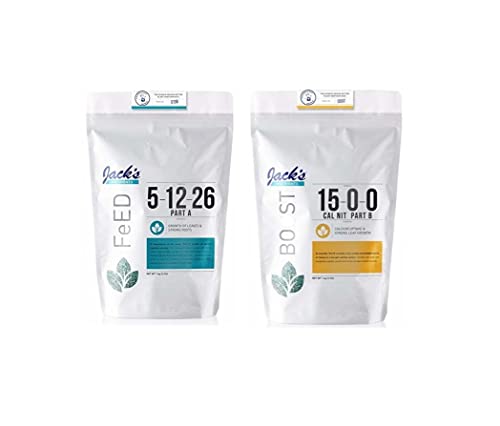
Jack’s Nutrients Part A & Cal Nit Part B Bundle

Farmer’s Secret Fruit & Bloom Booster 8oz
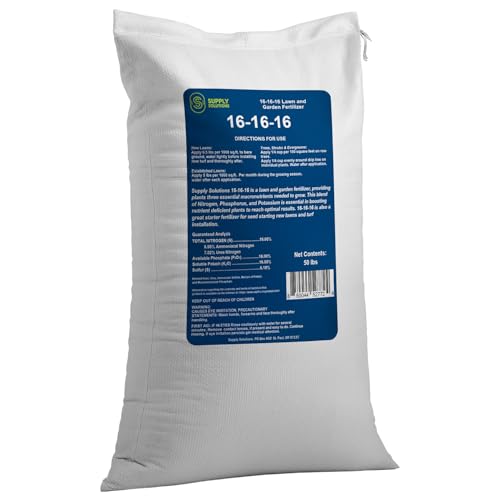
Supply Solutions 16-16-16 Granular Fertilizer 50 lb

Supply Solutions 10-10-10 Granular with Micronutrients 50 lb

Supply Solutions Urea 46-0-0 Nitrogen Fertilizer 40 lb

Tank’s Green Stuff 100% Organic SuperMix 10 lb
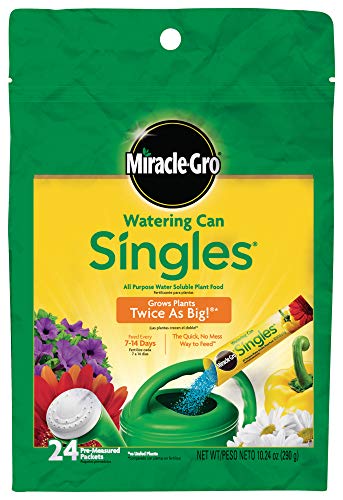
Miracle-Gro Watering Can Singles 24 Packets
A Deeper Look At The Lineup
You probably already have a neighbor who swears by this blue powder, and there’s a reason it’s stuck around. Miracle-Gro’s water-soluble all-purpose formula dissolves quickly and feeds a wide range of plants, from patio tomatoes to indoor pothos. Because it goes through a watering can or a hose-end feeder, nutrient uptake tends to be fast, which helps during peak summer stretch.
The 3-pound pouch covers a decent stretch of mixed beds, so most casual gardeners won’t run out mid-season. For mixed gardens and houseplants, this is the kind of reliable, no-nonsense option that earns its space on the shelf.
Everyday Perks
- Dissolves cleanly for fast uptake through foliar feeding or root drench.
- Safe across vegetables, flowers, houseplants, roses, trees, and shrubs when used as directed.
- Compact pouch stores easily in a garden shed or garage bin.
- Compatible with most hose-end feeders and watering cans.
- Predictable feeding schedule makes routine easy to maintain.
Worth Noting
- Over-application can scorch tender foliage, so measured mixing matters.
- The fine powder can clump if stored in humid conditions.
Quick Facts
Who It Suits Best
Casual gardeners running a mixed flower and vegetable plot who want one dependable product instead of a shelf full of specialized bags.
Consider Something Else When
Strictly organic growers will prefer Tank’s Green Stuff 100% Organic SuperMix, which skips synthetic salts entirely.
If your summer garden runs through a hydroponic or reservoir system, you live in a different fertilizer world than the rest of this list. Jack’s two-part bundle splits macro and micronutrients so calcium stays available and roots don’t lock out during heavy fruiting. Part A (5-12-26) drives leaf and root growth, while Part B (15-0-0) feeds calcium uptake and strong vegetative structure.
Mixing takes a little more discipline than a scoop-and-water routine, but the control pays off in faster growth and cleaner runoff numbers. For hydroponic growers running indoor rooms or greenhouse tents, this bundle brings serious precision.
A Few Highlights
- Two-part system prevents calcium lockout common in single-bag nutrient lines.
- Fully soluble powder blends cleanly into reservoirs without residue.
- Works across leafy greens, tomatoes, peppers, and herbs.
- Larger 2.2 lb bags stretch further in active systems.
Trade Offs
- Requires measuring two parts separately rather than one quick scoop.
- Not designed for in-ground soil gardening.
- Reservoir pH still needs monitoring alongside the feed schedule.
Made For
Active hydroponic growers managing reservoirs, Dutch buckets, or deep water culture setups who want tighter nutrient control.
A Better Fit Elsewhere
Soil gardeners will get more mileage from Supply Solutions 10-10-10 Granular with Micronutrients, which broadcasts easily across beds.
By late July, tomatoes have already set their first flush, and roses are sagging under heat stress. Farmer’s Secret Fruit & Bloom Booster is built for exactly that late-summer window, when flowering and fruiting need a final push. The super-concentrated 8-ounce bottle goes a long way, mixing into watering cans at very low dilution rates.
Formulated for the back half of the season, it shifts energy toward blooms and fruit instead of leafy growth. Compared with broad all-purpose picks earlier in this list, this one runs narrower but deeper, targeting the plants that actually need a productivity nudge.
A Few Strong Suits
- Concentrated formula means a small bottle stretches across many feedings.
- Targets fruit set on tomatoes, peppers, citrus, and berries.
- Encourages a second flush of blooms on roses and annuals.
- Works on a wide range of flowering and fruiting varieties.
Honest Caveats
- Not a general-purpose feed, so it pairs with another base fertilizer for full nutrition.
- Small bottle can be easy to misplace in a crowded shed.
- Measured dilution is critical, since the concentrate is potent.
Feature Snapshot
Best Suited To
Backyard growers running tomatoes, peppers, citrus, or roses who want a measurable bloom boost as summer winds down.
Skip It When
Lawn-focused shoppers will get better value from Supply Solutions Urea 46-0-0, which targets turf green-up rather than fruit set.
Big properties eat through fertilizer fast, and small bags rarely make it past the first mowing. Supply Solutions’ 16-16-16 blend delivers equal parts nitrogen, phosphorus, and potassium (NPK), so every granule carries the same nutrient load. That equal ratio simplifies decisions when you’re feeding lawns, flower beds, and vegetable plots in the same weekend.
The 50-pound bag suits serious acreage and reduces trips to the store. For large lawns and beds where coverage matters more than precision, this is the practical workhorse of the list.
Useful Strengths
- Balanced 16-16-16 NPK ratio simplifies feeding across mixed plantings.
- 50 lb bag covers a large lawn or several garden beds per application.
- Granular format spreads cleanly through a broadcast spreader.
- Works on vegetables, fruits, berries, and ornamentals alike.
Points To Note
- Heavy bag requires a wheelbarrow or hand truck for transport.
- Equal ratios may over-apply phosphorus where soils already test high.
- Granular feed needs watering in to activate.
Right Fit For
Homeowners managing half-acre lawns or large mixed beds who prefer fewer, heavier applications over light, frequent ones.
Not Your Match When
Small-space growers will find Miracle-Gro Watering Can Singles easier to handle without the bulk of a 50-pound sack.
If the 16-16-16 sibling feels too aggressive for your soil, this 10-10-10 with micronutrients is the gentler cousin. Nitrogen, phosphorus, and potassium all sit at ten percent, which reduces the risk of nutrient overload on established beds. The added boron, manganese, copper, iron, and zinc target the trace deficiencies that often show up as yellowing leaves or stalled fruit.
Low-dust granules spread evenly and break down gradually, releasing nutrients into the root zone over time. For vegetable plots and borders, this is the more measured option.
The Value In It
- Moderate 10-10-10 ratio reduces burn risk on sensitive crops.
- Includes boron, manganese, copper, iron, and zinc for full nutrition.
- Nutripaction Technology produces uniform, low-dust granules.
- Bulk density matches most standard fertilizers for easy blending.
- Apply at 10-40 lbs per acre based on soil testing.
Possible Compromises
- Slower-release behavior means results take longer to show than soluble picks.
- Soil testing recommended for accurate application rates.
Who Should Grab It
Vegetable gardeners and homeowners with tested or balanced soil who want gentle, sustained feeding across a 50-pound season.
Another Choice May Suit
Hydroponic growers running active systems will find Jack’s Nutrients Part A & Cal Nit Part B Bundle a better reservoir fit.
When a lawn goes pale in July, the answer is usually nitrogen, and urea at 46-0-0 is one of the most concentrated nitrogen sources available. Supply Solutions’ 40-pound bag pushes deep green color and stronger stems through the heat of summer. Unlike the balanced picks earlier in this list, this one skips phosphorus and potassium entirely to target vegetative growth directly.
Used sparingly, urea brings tired turf back fast. For lawns needing fast color, this is a targeted rescue tool rather than a daily feed.
The Upside
- High 46% nitrogen drives visible green-up within days.
- Encourages stronger stems, denser foliage, and vigorous growth.
- Useful for boosting flowers, fruits, and vegetables alongside turf.
- Cost-effective coverage for large lawn areas.
Things To Weigh
- Over-application can scorch grass blades and burn nearby ornamentals.
- No phosphorus or potassium means it should pair with a balanced feed.
- Best applied before rainfall or with irrigation to wash granules off blades.
Perfect Match For
Homeowners rescuing a pale summer lawn or boosting leafy growth on ornamentals without committing to a full NPK blend.
Reach For A Different Pick When
Fruit and flower growers chasing blooms should consider Farmer’s Secret Fruit & Bloom Booster, which targets fruiting rather than foliage.
For gardeners who avoid synthetic salts, Tank’s Green Stuff is a versatile organic option that doesn’t box you into one crop type. The 10-pound bag covers a respectable stretch of beds, and the mix is friendly to everything from adeniums and vegetables to flowers, fruit trees, and cactus. Because the formula is OMRI listed, it fits the rules of organic gardening programs.
Organic fertilizers work slower than their synthetic counterparts, so patience matters. For organic gardeners and edibles, it brings flexibility without sacrificing certification standards.
What Works In Its Favor
- 100% organic and OMRI listed for certified organic programs.
- One formula adapts across vegetables, flowers, trees, and cactus.
- Lower burn risk on sensitive roots than synthetic salts.
- Improves soil biology over repeated seasonal applications.
Some Limits To Know
- Nutrient analysis isn’t specified, so dosing requires careful observation.
- Slow-release behavior means visible results trail synthetic feeds.
- 10-pound bag covers less acreage than the larger granular options in this list.
Who Will Love This
Organic-first gardeners tending mixed edible and ornamental beds who value certification over quick visible response.
Look Elsewhere When
Lawn rescue situations call for Supply Solutions Urea 46-0-0, which delivers faster green-up than any organic formula.
The big jar of powder has one downside: measuring. Miracle-Gro’s Watering Can Singles solve that with pre-measured packets you drop into a watering can, no scoop, no guesswork, and no spilled crystals on the patio. For new gardeners, apartment dwellers, or anyone with a few pots on a balcony, this is the friendliest entry point in the lineup.
The 24-pack covers several months of small-space feeding. Compared with the larger 3-pound jug earlier in this list, packets trade bulk for convenience and portability.
Points In Its Favor
- Pre-measured packets eliminate dosing errors.
- Compact box fits on a balcony shelf or in a kitchen drawer.
- Same water-soluble feeding profile as the larger Miracle-Gro jug.
- Easy to toss in a tote for weekend trips to the community garden.
Worth Bearing In Mind
- Per-feeding cost runs higher than bulk powder options.
- Not practical for large lawns or full-acre feedings.
Feature Snapshot
Built With In Mind
Beginners, apartment gardeners, and busy households who want foolproof feeding without storing a bulky container.
Swap It Out When
Large-yard growers will save money switching to Supply Solutions 16-16-16 Granular Fertilizer, which spreads further per dollar.
Choosing The Right Summer Fertilizer For Your Garden
The best summer fertilizer depends on what you’re growing and how you grow it. NPK ratios (nitrogen, phosphorus, potassium) tell you the basic nutrient balance, while micronutrients like iron and zinc fill in trace gaps that often show up as yellowing leaves or stalled growth.
Match The Format To Your Setup
Granular fertilizers broadcast easily across lawns and large beds, but they need watering in to activate. Water-soluble powders and liquids deliver faster uptake through leaves and roots, which suits container plants and foliar feeding. For hydroponic systems, a two-part nutrient bundle like Jack’s Nutrients Part A & Cal Nit Part B Bundle prevents calcium lockout, a common issue where calcium becomes unavailable to plants because it reacts with other minerals in solution.
Consider Release Speed And Soil Type
Slow-release granulars feed steadily over weeks, which works well in established beds with active soil biology. Quick-release soluble feeds respond within days, useful when plants show clear deficiency signs. Sandy soils leach nutrients faster, so lighter, more frequent applications tend to outperform heavy single doses.
Pick By Garden Goal
A general-purpose fertilizer like Miracle-Gro Water Soluble All Purpose Plant Food handles mixed beds without overthinking. Lawn green-up calls for high-nitrogen urea, while fruiting crops benefit from a bloom-targeted boost. Organic gardeners working toward certification should reach for OMRI-listed options like Tank’s Green Stuff 100% Organic SuperMix.
Picking Smart For Summer Feeding
Common Shopping Slip Ups
Buying the cheapest bag often means overpaying in the long run, because low-nutrient formulas require heavier and more frequent applications. Skipping a soil test is another common miss, since blind feeding can push phosphorus levels too high in already-rich soil. Finally, matching the fertilizer to the wrong format, like broadcasting granulars across a small container garden, wastes product and time.
Where The Extra Money Goes
Higher-tier fertilizers earn their cost through concentrated nutrients, micronutrient packages, and cleaner solubility that protects sensitive roots. Specialty blends like Jack’s two-part hydroponic bundle solve problems basic NPK mixes cannot, such as calcium availability in active reservoirs. For most home gardeners, the upgrade pays off when the product matches the garden’s specific challenge rather than its marketing claims.
Frequently Asked Questions
What NPK ratio works best for summer vegetables?
A balanced ratio like 10-10-10 supports steady growth across most fruiting vegetables, while higher phosphorus and potassium numbers help during bloom and fruit set. Adjust based on what your specific crop needs at each stage.
How often should you fertilize during summer heat?
Most garden plants respond to feeding every two to four weeks during peak summer, though container plants may need weekly light feeding because nutrients leach out faster with frequent watering.
Can you use lawn fertilizer on vegetable gardens?
Some lawn fertilizers are safe for vegetables, but many contain herbicides or weed controls that should not contact edible crops. Always check the label before applying any lawn product to food gardens.
Do organic fertilizers work as well as synthetic ones?
Organic fertilizers release nutrients more slowly, so visible results take longer, but they improve soil biology over time and avoid salt buildup. For quick green-up, synthetics still lead.
Is it safe to fertilize during a heat wave?
Avoid fertilizing when temperatures stay above 90°F, since stressed roots can burn easily. Water plants deeply the day before feeding and apply in early morning or evening.
The Takeaway
Summer feeding is less about finding one miracle product and more about matching the right blend to the right plant at the right moment. Start with your garden’s biggest need, whether that’s a pale lawn, stalled tomatoes, or general maintenance, then pick a format that fits how you actually work. The eight options above cover most of the bases a home grower will hit between July and September.
