

Aphids have a way of turning healthy leaves into sticky, curling messes almost overnight. You spot a few on your roses today, and by the weekend, the new growth on your maples looks distorted and dull. Systemic insecticides work differently from contact sprays because the plant itself becomes the delivery system, absorbing the active ingredient through roots or leaves so sap-feeding insects ingest it as they feed.
That makes them a smart move for woody ornamentals, fruit trees, and large landscape beds where sprays miss the undersides of leaves. The right pick depends on whether you treat edibles, ornamentals, or indoor houseplants, and whether you prefer synthetic chemistry or botanical alternatives. The nine options below cover every common situation, from a one-gallon concentrate for serious grub work to gentle granules safe for the fiddle leaf fig sitting in your living room.
The Leading Options At A Glance

Atticus Mineiro 2F Flex Imidacloprid Systemic Insecticide (1Gal)

Fertilome 11205 Tree & Shrub Drench Systemic Insecticide 16 oz

Acecap AC1210 Systemic Insecticide Tree Implants (Pack of 10)

Bonide Systemic Granules Insect Killer 1 lb.
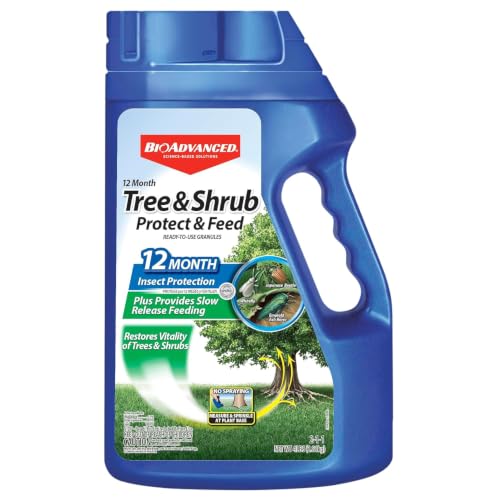
BioAdvanced 12 Month Tree and Shrub Protect and Feed 4 lb

Bonide Product 951 Systemic House Plant Insect Control (8 oz, 3 Pack)

Sierra Natural Science SNS-209 Systemic Concentrate (1 Pint)
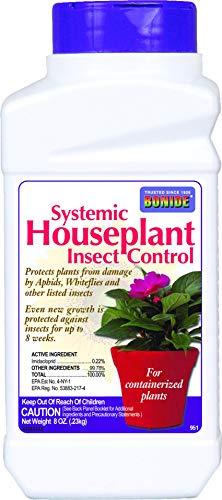
Houseplant Systemic Insect Control Granules (8 oz)

EcoVenger Garden Insect Control 16 oz
The Picks, Examined More Closely
Suburban lawns with a serious grub history need something stronger than a small spray bottle, and this one-gallon concentrate from Atticus fills that role. The active ingredient, imidacloprid (a synthetic nicotine-derived compound that disrupts insect nervous systems), is the same chemistry the industry has leaned on for preventive grub control for decades. Once watered into the soil, it moves into grass roots and creates a long residual barrier.
Compared to the smaller ready-to-use options later in this list, Mineiro 2F Flex assumes you own a pump sprayer and want professional-style coverage across a full yard. You measure, dilute, and apply in spring or early summer for season-long protection.
Points In Its Favor
- Concentrate format stretches a single gallon into many applications
- Preventive action targets grubs before they damage root systems
- Long residual window reduces the need for repeat treatments
- Matches the active ingredient used in premium brand-name competitors
Points To Note
- Requires accurate dilution and a dedicated sprayer, so beginners may find it fiddly
- Concentrate storage demands a cool, dry spot away from kids and pets
Who It Suits Best
Homeowners with sizable lawns and a tolerance for mixing concentrates who want preventive grub and aphid control in one treatment.
Where Another Pick Suits Better
Treat a few containers of petunias on the patio and the Bonide Systemic Granules Insect Killer makes more sense than mixing concentrate.
Established shade trees and flowering shrubs benefit from a single spring drench that keeps working for most of the year. Fertilome’s 16-ounce bottle follows that exact playbook: mix it with water, pour it around the root zone, and let the tree do the rest. Aphids, psyllids, and similar sap-feeders pick up the active ingredient as they feed on treated foliage.
Where the Atticus gallon targets grubs across broad turf, this drench treats individual woody plants one at a time. For a yard that runs heavily to ornamental trees, that one-plant-at-a-time approach makes sense.
Features That Help
- Year-long protection removes the chore of repeat spraying
- Works through root uptake, so it reaches leaves that sprays often miss
- Liquid concentrate mixes quickly with water for soil drenches
- Targets multiple sap-feeders beyond aphids, including psyllids
Things To Consider
- A single application window per year means timing the spring or fall drench correctly matters
- Not designed for vegetable gardens or edible crops
Made For
Homeowners with mature ornamental trees who want one annual treatment instead of season-long monitoring.
Skip It When
Treating a handful of indoor houseplants, in which case the Bonide Product 951 granules fit the smaller scale better.
Treating a large ornamental tree without hauling a sprayer up a ladder sounds appealing, and Acecap implants deliver exactly that. Each capsule contains acephate (a systemic organophosphate that breaks down inside the tree), and you tap it into a hole drilled in the trunk. Sap flow dissolves the chemical and carries it throughout the canopy within days.
Unlike the Fertilome drench that works through roots, this method injects directly into the vascular system. Ten implants cover trees up to about 14 inches in trunk diameter, which covers most residential ornamentals.
Useful Strengths
- No spray drift onto driveways, siding, or neighboring yards
- Season-long protection from a single spring application
- Targets a wide pest list from aphids to bagworms and borers
Honest Caveats
- Requires drilling holes in the trunk, which may worry some tree owners
- Ten capsules cover only up to a 14-inch diameter trunk
Technical Reference
Best Suited To
Homeowners with valuable ornamental trees who prefer drill-and-go convenience over soil drenches or sprays.
Reach For A Different Pick When
You treat smaller shrubs and containers, where the Bonide Systemic Granules Insect Killer offers less invasive application.
Hanging baskets on the porch and window boxes full of geraniums rarely justify hauling out a sprayer. Bonide’s 1-pound shaker bottle solves that small-scale problem with ready-to-use granules you sprinkle on the soil surface and water in. The active ingredient moves up through the roots and into the foliage.
Versus the Fertilome drench, which targets a single large tree, these granules fit a dozen smaller plants at once. Aphids, whiteflies, miners, and scales all become vulnerable as they feed on treated sap.
Reasons It Performs
- No mixing or measuring, just shake and water in
- Works well in containers and small flower beds
- Treats several common pests beyond aphids in a single application
Small Caveats
- Coverage window is shorter than the year-long drench products
- Reapplication is needed for ongoing infestations during peak growing season
Right Fit For
Container gardeners and patio growers who want simple, no-mix aphid control across multiple small plants.
Consider Something Else When
Treating a single large shade tree with a heavy aphid infestation, where the Fertilome drench delivers longer residual protection.
When the same plants need feeding and insect protection, hauling out two separate products eats up a weekend. BioAdvanced combines a slow-release fertilizer with a systemic insecticide in one granule application, so you feed the roots and protect new growth at the same time. The 4-pound size covers several small trees or a row of foundation shrubs.
Unlike the straight insecticide options above, this formula doubles as plant food. For landscape beds where the soil is tired and the leaves are sticky with honeydew, that combo matters.
The Helpful Details
- Year-long insect protection with one application
- Slow-release fertilizer promotes root and foliage growth simultaneously
- Covers aphids, Japanese beetles, scale, and leafminers in one treatment
Where It May Fall Short
- Not suitable for edible plants or vegetable gardens
- Heavier 4-pound bag can be awkward for single-tree applications
Who Should Grab It
Landscape enthusiasts maintaining multiple ornamental shrubs who want feeding and insect control bundled into one product.
Look Elsewhere When
You only need to treat one small houseplant, in which case the Houseplant Systemic Insect Control Granules (8-oz) saves money.
Indoor plant collections don’t tolerate sprays well, especially when windows stay closed through winter. Bonide’s houseplant granules sit on the soil surface, get watered in, and work their way into the plant’s vascular system. Insects die by feeding on treated sap, so the chemistry never becomes airborne in your living room.
Compared to the BioAdvanced outdoor granules, this version is sized for pots and small containers, with a low-odor formula that won’t clash with indoor air. Mealybugs, aphids, and scale all fall within its target range.
A Few Strong Suits
- Low-odor formula suits enclosed rooms and bedrooms
- Won’t wash off with routine watering once absorbed
- Three-pack format covers a sizable indoor collection
Practical Considerations
- Designed for containerized plants, not in-ground garden use
- Reapplication every few weeks is needed during active infestations
Core Details
Whose Shelf It Belongs On
Indoor plant collectors managing mealybugs, aphids, or scale across a windowsill full of pots.
Swap It Out When
You need a botanical, food-grade option for an edible herb garden, where the Sierra Natural Science SNS-209 concentrate fits the organic approach.
Organic-minded gardeners who avoid synthetic chemistries often feel boxed out of systemic options. Sierra Natural Science addresses that gap with a botanical concentrate built from plant-derived extracts and food-grade ingredients. Once diluted and applied as a drench, the formula moves through the plant’s vascular system and interferes with soft-bodied pests as they feed.
Where the Atticus concentrate uses synthetic imidacloprid, this pint bottle swaps in a botanical profile that aligns with organic gardening principles. The trade-off shows up in residual length, since botanical formulas typically need more frequent reapplication.
The Case For It
- Botanical ingredients fit organic gardening protocols
- Water-soluble formula mixes cleanly with no residue
- Food-grade component profile adds peace of mind around edible plants
Worth Bearing In Mind
- Residual activity is shorter than synthetic chemistry, so plan on repeat applications
- Higher per-application cost than synthetic concentrates at full label rates
Perfect Match For
Organic gardeners maintaining edible herb beds and food gardens where synthetic insecticides raise concerns.
A Better Fit Elsewhere
Tackling a major aphid outbreak across a large lawn, where the Atticus Mineiro 2F Flex delivers stronger, longer residual control.
A single fiddle leaf fig or a small herb garden on the kitchen counter rarely needs a multi-pack supply. This 8-ounce jar delivers just enough granules to treat a handful of indoor plants over several weeks. The systemic action moves through the soil and into the foliage, so aphids and whiteflies feeding on treated leaves are dealt with from the inside.
Versus the Bonide Product 951 three-pack reviewed earlier, this smaller jar suits a more modest collection. The active ingredient profile differs, so rotate between options if resistance becomes a concern.
Practical Advantages
- Compact jar fits in a kitchen drawer or small gardening kit
- Targets multiple common houseplant pests in a single treatment
- Ready-to-use format eliminates measuring guesswork
Factors To Consider
- Smaller size means frequent repurchase for larger collections
- Coverage window of several weeks requires consistent reapplication
Who Will Love This
Apartment dwellers and beginners with one or two prized houseplants who want a small, manageable supply.
Another Choice May Suit
Managing a full indoor jungle of twenty-plus pots, where the Bonide Product 951 three-pack offers better per-ounce value.
Households with curious toddlers and roaming cats need gentler chemistry than synthetic concentrates allow. EcoVenger takes a plant-based approach with a 16-ounce ready-to-use spray that targets aphids, mealybugs, spider mites, and gnats on contact. The formula works on both indoor and outdoor plants, so the same bottle handles a tomato seedling and a parlor palm.
Unlike the granular systemics above, this spray kills on contact rather than through root uptake. That makes it a useful supplement when you spot a sudden outbreak, especially around children and pets.
Bright Spots
- Plant-derived formula reduces worry around kids and pets
- Ready-to-use spray needs no mixing or measuring
- Works on indoor and outdoor plants with one bottle
- Targets multiple pests including spider mites and fungus gnats
Trade-Offs To Consider
- Contact action means thorough coverage of leaf undersides matters for full effect
- Reapplication is needed more often than soil-applied systemics
Built With In Mind
Families and pet owners who want effective aphid knockdown without the caution labels that come with synthetic concentrates.
Not Your Match When
You want months of root-system protection on a large tree, where the Fertilome drench or Acecap implants deliver far longer residual coverage.
What Matters Most Before Choosing Systemic Insecticides For Aphids
Match the Format to the Plant
Granules work best around trees and shrubs where you can water them into the root zone. Drenches suit established woody plants with deep root systems, while implants serve large ornamental trees when spray drift is a concern. Indoor houseplants call for low-odor granules sized for small containers, and contact sprays handle sudden outbreaks in kid- and pet-friendly spaces.
Consider Residual Length and Timing
A single application of year-long products like the Fertilome drench or BioAdvanced granules frees you from reapplication schedules. Shorter-window options like the Bonide granules need repeat treatments every few weeks during peak aphid season. Botanical formulas typically fall on the shorter end of that spectrum.
Know What’s Around the Treated Plant
Edible gardens, herb beds, and food crops push you toward botanical or food-grade options like the Sierra Natural Science concentrate. Foundation plantings near play areas or pet runs benefit from gentler profiles such as the EcoVenger spray. Always confirm the label matches your specific use case before treating.
Key Considerations Across These Picks
Common Buying Slip Ups
Skipping the plant-size check leads to wasted product. A 4-pound bag of BioAdvanced granules covers far more ground than one small shrub, and an 8-ounce jar of Bonide granules runs out after a few treatments on a large container collection. Measure the planting area and read the coverage chart before adding to cart.
What the Higher Tier Buys
Year-long residuals and dual-action formulas like the BioAdvanced 12 Month Protect and Feed cost more upfront, but they replace two separate purchases (fertilizer plus insecticide) and cut repeat applications down to one per year. For larger landscapes, that combination often pays for itself in saved time and shelf space.
Frequently Asked Questions
How long does a systemic insecticide take to work on aphids?
Soil-applied systemics typically move through the plant within one to two weeks, after which feeding aphids begin to decline. Contact sprays like EcoVenger work faster, often within hours of direct application to the pest.
Are systemic insecticides safe for edible plants?
Only products specifically labeled for edible crops should be used on vegetables, fruits, and herbs. The Sierra Natural Science concentrate fits organic protocols, while most ornamental-only products should stay off the dinner plate.
How often should I reapply systemic granules?
It depends on the product. Year-long drenches like the Fertilome formula need only one annual application. Shorter-window granules like the Bonide houseplant formula often require reapplication every several weeks during active infestations.
Can aphids become resistant to systemic insecticides?
Yes, especially when the same active ingredient is used repeatedly across seasons. Rotating between products with different active ingredients, such as alternating Bonide granules with Sierra Natural Science concentrate, reduces that risk.
Will rain wash away a soil-applied systemic?
Once watered in and absorbed by the roots, systemics move into the plant tissue and resist rain. Newly applied granules should be watered thoroughly before any expected rainfall to ensure proper uptake.
Final Verdict
Aphids rarely announce themselves before damage appears, so having the right systemic on hand turns a losing battle into a manageable chore. Match the format to your planting style: drenches and granules for outdoor landscapes, implants for specimen trees, and low-odor granules or gentle sprays for indoor collections. The nine picks above cover the full range of those situations, so you can treat the problem without overspending on the wrong tool.
