

Picking a peach tree comes down to more than flavor alone. Climate zone, mature size, and how soon you want fruit all shape the right choice. This guide sorts through nine live options so home growers can match a cultivar to their yard, their patience level, and the kind of peach they actually want to bite into.
A Side-By-Side Look

Brighter Blooms Elberta Peach Tree, 5-6 ft.

Bonanza Patio Peach Tree 5 gal
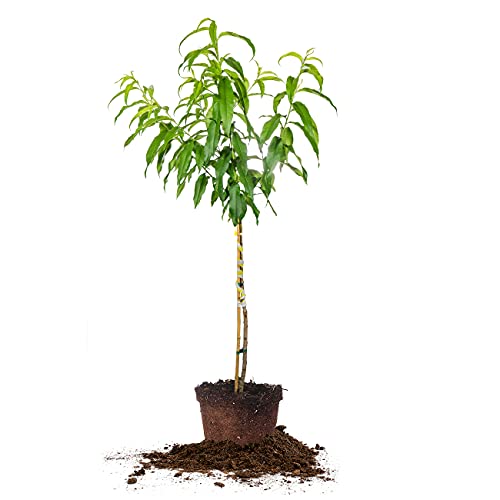
Perfect Plants Flordaking Peach Tree 4-5 ft

Elberta Peach Tree 5 gal 2-3 ft

Bonanza Patio Peach Tree 7 gal

Red Haven Peach Tree 5 gal
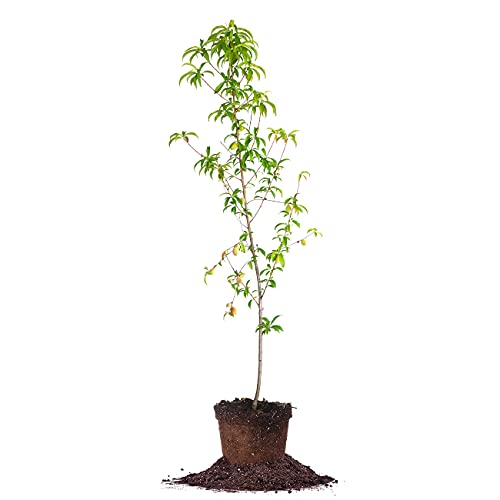
Perfect Plants Belle of Georgia White Peach Tree 4-5 ft
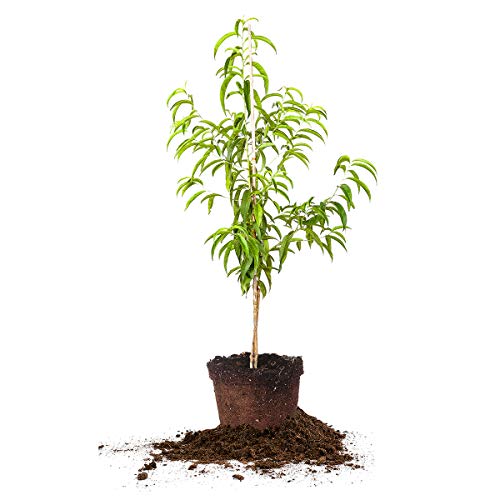
Perfect Plants Flordacrest Peach Tree 4-5 ft

TriStar Belle of Georgia Peach Tree 1 gal
Inside Each Recommended Option
The Elberta has earned its reputation as a backyard favorite for a reason. Shipped at a useful 5-6 ft height, this Brighter Blooms tree gives growers a meaningful jump on the three to four year wait a smaller sapling usually demands.
You get the classic freestone experience, where the pit slips clean from a ripe half, which makes canning, jamming, and pie prep noticeably easier. For most home orchards with at least a half-day of sun, this is a comfortable starting point.
What Earns Its Place
- Freestone pits speed up jam sessions and pie filling
- Shipped at 5-6 ft, shortening the wait to first meaningful harvest
- Self-pollinating, so a single tree can fruit on its own
- Spring pink blossoms add ornamental value before fruit sets
Things To Consider
- Cannot ship to AK, AL, AR, AZ, CA, CO, HI, ID, LA, MS, OR, WA
- Annual pruning is needed once the canopy fills in to keep light reaching inner branches
Key Specs
Right Fit For
Home growers in the eastern and central states who want a freestone classic and have room for a tree that will mature to a sizeable footprint.
Swap It Out When
Container-only growers should look at the Bonanza Patio Peach Tree 5 gal, since it stays compact enough for a pot on a sunny porch.
Tiny yards, balconies, and tight patios rarely accommodate a full orchard, and that is exactly the gap the Bonanza fills. Compared with the Elberta just above, this cultivar tops out around 4-5 ft, so it lives happily in a large container without sprawling.
The foliage carries a blend of pink and orange hues, giving the tree ornamental appeal even when the small harvest is finished. Owners commonly use it as a decorative anchor near an entryway, then enjoy a modest crop of sweet peaches in summer.
Strong Points
- Mature height capped near 4-5 ft, true patio scale
- Pink and orange foliage gives year-round visual interest
- Self-sufficient pollination keeps care simple
- Ships in a 5 gal nursery pot for a quick transplant
Honest Caveats
- Cannot ship to CA, AZ, AK, or HI under agricultural rules
- Container-grown trees need more frequent watering than in-ground plantings, especially during fruit swell
Best Suited To
Apartment dwellers and small-space gardeners who want a fruiting ornamental in a half-whiskey-barrel sized pot.
A Better Fit Elsewhere
Growers chasing a larger, more productive harvest will do better with the Red Haven Peach Tree 5 gal, which bears more heavily in a traditional yard setting.
Warm, humid regions tend to frustrate traditional peach cultivars, since most need long cold winters. The Flordaking sidesteps that problem by requiring only around 350 chill hours, the cumulative hours below roughly 45°F that fruit trees need to set a crop.
Shipped at 4-5 ft, this Perfect Plants selection suits yards in hardiness zones 8 and 9 where northern varieties stall out. Pink spring blooms add a secondary ornamental role before the May harvest rolls around.
Where It Helps
- Low 350 chill-hour requirement unlocks southern yards
- Self-pollinating, so a lone tree fruits without a partner
- Tolerates warm, humid conditions that defeat many cultivars
- Pink spring blossoms double as landscape color
Small Caveats
- Best suited to zones 8 and 9, so cooler-region growers should pass
- Fertilizing in early spring is recommended for dependable yields
Quick Facts
Made For
Southern gardeners in zones 8 and 9 who want a real fruiting peach instead of an ornamental that never produces.
Look Elsewhere When
Northern zone 5 and 6 growers with long winters will find the Belle of Georgia White Peach Tree a stronger match because it thrives on higher chill hours.
The Elberta name keeps showing up for good reason. As an heirloom freestone, it has been a kitchen garden staple for generations, and this 5 gal nursery pot ships at a 2-3 ft height that’s easier on shipping costs while still establishing quickly once planted.
Unlike the taller Brighter Blooms Elberta at pick 1, this version arrives younger and lighter, which appeals to gardeners willing to wait an extra season for a full harvest. You still get the same large, juicy, freestone fruit that’s ideal for fresh eating, canning, and baking.
Useful Highlights
- Freestone pits simplify slicing, canning, and pie work
- Heirloom pedigree with decades of grower trust
- Self-pollinator means a single tree sets fruit on its own
- Pink spring blossoms add pre-fruit ornamental value
- 5 gal pot offers a healthy root system at delivery
Factors To Consider
- Cannot ship to CA, AZ, AK, or HI
- Smaller starter size means a slightly longer wait to first major harvest
Whose Shelf It Belongs On
Home canners and bakers who want a classic freestone peach and don’t mind a smaller starter size to save on shipping.
Another Choice May Suit
Growers wanting a head start on fruit production should consider the Brighter Blooms Elberta Peach Tree at pick 1, since it ships at a taller 5-6 ft.
The 7 gal Bonanza offers the same compact 4-5 ft mature size as the 5 gal sibling at pick 2, but in a larger nursery pot. The bigger root ball usually translates to faster establishment and an earlier crop in the patio setting.
For renters and townhouse owners who want a low-maintenance fruiting ornamental, this version gives a sturdier start without sacrificing the tight footprint. The pink and orange foliage still anchors the visual appeal between fruiting cycles.
What Pays Off
- 7 gal pot supports a more developed root system at delivery
- Compact 4-5 ft mature height fits patio culture
- Vibrant pink and orange foliage extends ornamental interest
- Self-sufficient pollination simplifies care for beginners
Some Limits To Know
- Cannot ship to CA, AZ, AK, or HI
- Larger pot adds weight, so consider where you place it before filling
Built With In Mind
Patio growers who want a sturdier root ball at planting and don’t mind the extra pot weight during setup.
Reach For A Different Pick When
Gardeners who prefer the lightest possible starter container should step down to the Bonanza Patio Peach Tree 5 gal at pick 2.
Red Haven has a long track record as one of the more common eating peaches in commercial and home settings. The 5 gal nursery pot ships a tree that’s ready to anchor a mid-size backyard, with a self-pollinating habit so a single specimen produces a full crop.
Compared with the Elberta cultivars earlier in this list, Red Haven leans into firm, juicy, freestone flesh with a slightly fuzzless skin. The pink-blushed fruit tends to ripen in late July for most zones, making it a strong mid-summer staple.
Well-Handled Touches
- Freestone pits ease the canning and freezing process
- Self-pollinating, so a single tree fruits without a partner
- Prefers well-drained sandy-loam soil, a common backyard profile
- Late July ripening fits neatly between spring and fall harvests
Practical Considerations
- Cannot ship to CA, AZ, AK, or HI per agricultural restrictions
- Reaches a tall mature size, so plan space accordingly before planting
Feature Snapshot
Who Should Grab It
Mid-size backyard growers in cooler zones who want heavy yields of classic freestone peaches for fresh eating and preserving.
Not Your Match When
Warm-climate zone 8 and 9 gardeners should consider the Perfect Plants Flordaking Peach Tree instead, which is bred for low-chill southern conditions.
White-flesh peaches offer a distinctly sweeter, almost honeyed flavor compared to yellow varieties, and the Belle of Georgia is a long-trusted cultivar. This Perfect Plants tree arrives at 4-5 ft and tolerates a wider band of climates.
It needs around 800 chill hours, which lines up with most regions that have a real fall and winter. The brilliant red blooms in spring carry extra ornamental weight before the late August harvest fills out the season.
What It Does Well
- White-flesh fruit delivers a sweeter, honeyed eating experience
- Suitable for hardiness zones 5 through 8
- Self-pollinating, so a single tree can set a full crop
- Brilliant red spring blooms add ornamental appeal
Trade-Offs
- 800 chill-hour requirement rules out warm zone 9 and 10 gardens
- White peaches bruise more easily than yellow-flesh types, so handle gently at harvest
At A Glance
Who Will Love This
Northern and central zone gardeners who want a sweet white peach and have enough winter chill to satisfy the 800-hour requirement.
Where A Sibling Pick Shines
Warm-zone 9 growers without enough chill hours will do better with the Perfect Plants Flordaking Peach Tree at pick 3, which is bred for low-chill climates.
The Flordacrest shares a lot of DNA with the Flordaking at pick 3, including the same friendly 350 chill-hour requirement and zones 8 and 9 sweet spot. The standout difference is its freestone pit, which makes kitchen prep noticeably easier when the May harvest arrives.
For warm-region growers tired of fighting northern cultivars, this Perfect Plants tree offers a clean balance of low chill needs, freestone convenience, and pink spring color. Early fertilization in spring is commonly recommended to support a dependable crop.
Everyday Wins
- Freestone pits speed up slicing, canning, and jam sessions
- Only 350 chill hours needed, so warm winters are enough
- Self-pollinating, no partner tree required
- Pink blooms add landscape color before fruit sets
Points To Keep In Mind
- Best suited to zones 8 and 9, so cooler-zone growers should skip
- Early-spring fertilization is widely recommended for reliable yields
Perfect Match For
Gulf Coast and Florida gardeners who want a freestone peach and prefer a mid-May ripening window over later cultivars.
Skip It When
Northern zone 5 and 6 growers looking for a cold-hardy peach will find the Belle of Georgia White Peach Tree a stronger choice at pick 7.
The 1 gal TriStar pot offers a lighter, more affordable entry point for first-time peach growers. Despite the smaller starter size, the Belle of Georgia genetics still deliver white-flesh fruit and red spring blossoms on a tree that can reach 10-15 ft at maturity.
Self-fertile by nature, this tree fruits on its own, though a second specimen nearby can boost the harvest. Late August is the typical picking window, with around 800 to 850 chill hours required to set a crop.
Key Advantages
- 1 gal pot keeps shipping weight and cost accessible for first plantings
- Red blossoms add spring ornamental interest
- Self-fertile habit simplifies pollination planning
- White-flesh fruit offers a sweeter eating profile
A Few Limitations
- Cannot ship to California due to state agricultural rules
- Smaller starter size means a longer ramp to first harvest
- Hardiness zones 5 through 8 only, so zone 9 and 10 growers should pass
Feature Rundown
The Right Fit
First-time tree planters who want an affordable starter Belle of Georgia in a manageable 1 gal pot and have a full-sun spot to grow it.
Where Another Pick Suits Better
California gardeners shut out of this listing will find the Elberta Peach Tree 5 gal at pick 4 a workable alternative, since its shipping restrictions don’t include California.
What Matters Most Before Choosing Tasting Peach Trees
Climate And Chill Hours
Chill hours, the total hours a tree spends below roughly 45°F in winter, decide whether a peach tree will actually flower and set fruit in your yard. Northern growers in zones 5 and 6 can comfortably meet 800-hour cultivars like the Belle of Georgia. Southern zone 8 and 9 gardeners need low-chill options like Flordaking or Flordacrest that get by on around 350 hours. Picking a tree that doesn’t match your winters is the fastest path to a healthy-looking ornamental that never produces.
Space And Mature Size
Full-size trees can reach 15 ft or more, which crowds a small yard fast. Compact picks like the Bonanza Patio Peach cap out near 4-5 ft and live happily in a large container. Before ordering, picture the canopy at maturity, not the size in the box, since a 5 gal tree today becomes a 12 ft presence in five years.
Flesh Color And Eating Style
Yellow-flesh peaches like Elberta and Red Haven are firmer and slightly tangier, which makes them forgiving in canning. White-flesh cultivars like Belle of Georgia lean sweeter and more delicate, eating best fresh within days of picking. The trade-off matters more than most shoppers expect, since bruising and storage behavior change with flesh color.
Pollination And Yield Goals
Most picks in this list are self-pollinating, so a single tree fruits on its own. For heavier harvests, planting two compatible trees within pollination distance typically lifts yields, even for self-fertile types. Plan spacing with mature canopy width in mind so sunlight still reaches the inner branches.
Key Considerations Across These Picks
Mistakes Worth Dodging
A common slip is ordering a low-chill southern cultivar for a northern yard, or vice versa, and then wondering why the tree leafs out without flowering. Another trap is underestimating mature size and cramming a 15 ft tree into a 6 ft space, which forces heavy annual pruning and cuts yields. Always confirm your USDA hardiness zone, count chill hours roughly for your region, and picture the tree five years out before clicking order.
What The Higher Tier Buys
Stepping up from a 1 gal pot to a 5 gal or 7 gal starter usually means a more developed root system, which shortens establishment time and can move the first real harvest up by a season. Larger pots also tend to survive transplant shock more cleanly, especially in heavy or sandy soils. For gardeners who want fruit sooner and less babying in year one, the bigger nursery pot is often where the extra money goes.
