

A pomegranate tree asks for patience and gives back something rare: fruit you actually want to eat. Pick the right cultivar, plant it in a sunny spot, and a backyard that once only grew lawn starts producing ruby-red arils every September, the kind that make store-bought pomegranates feel like a compromise. The trick is matching the variety to your climate and your space, since not every pomegranate handles cold snaps, container life, or a short growing season the same way. The six trees below cover the most common situations gardeners run into, from cold-hardy Russian types to the classic Wonderful, plus a head-start option for anyone who would rather not wait years for the first fruit.
An Overview Of The Picks

Perfect Plants Russian Pomegranate Tree, 1 Gallon

PERFECT PLANTS Wonderful Pomegranate Tree, 1 Gal

Wekiva Foliage Pomegranate Tree, 3 Gallon, 3-5 ft
Perfect Plants Wonderful Pomegranate Tree, 2 Gallon

Russian 26 Pomegranate Tree, 1 Gal, 12-18 in
Wonderful Pomegranate Dormant Plant, 5-8 in, Granada
The Strengths Of Each Pick
The Perfect Plants Russian Pomegranate is the pick for anyone gardening on the edge of pomegranate territory, places where winter dips below the comfort zone of a classic Wonderful. It comes in a one-gallon nursery pot and ships as a young live plant you transplant into a sunny bed or a large container on a patio. Compared to the Wonderful cultivar reviewed below, this Russian type trades a touch of fruit size for the ability to shrug off colder winters.
For most backyards in zones 6 through 9, this tree settles in without drama and rewards patient owners with bright orange-red blooms each spring, well before the fruit sets in mid to late September. Self-pollinating means you only need one tree, which makes it approachable for first-time pomegranate growers who don’t want to coordinate a pair.
Positive Points
- Tolerates colder winters better than the classic Wonderful, extending pomegranate growing into cooler zones.
- Self-fertile, so a single tree produces fruit without a pollinator partner nearby.
- Blooms in mid to early spring with showy flowers that double as ornamental value before harvest.
- Begins fruiting at a relatively young age compared to seed-started trees.
- Compact enough at maturity to train as a shrub or small tree depending on your pruning style.
Honest Caveats
- Fruit is generally smaller than what a Wonderful tree produces in a long, hot summer.
- Marketed as an outdoor landscape plant, so indoor or houseplant growing isn’t a realistic fit.
- One-gallon size means a longer wait before meaningful harvests compared to larger potted options later in this list.
Whose Yard It Belongs In
Cool-climate gardeners in zones 6 through 8 who want a fruiting pomegranate that won’t sulk through a cold winter.
Reach For A Different Pick When
Growers in a hot, dry Mediterranean-style climate should look at the Perfect Plants Wonderful Pomegranate Tree, 2 Gallon, which thrives where summers run long.
The Wonderful Pomegranate is the cultivar most people picture when they think of supermarket pomegranates, and growing it at home means harvesting arils at their peak instead of weeks early. This one-gallon starter from Perfect Plants arrives as a young live plant ready for a sunny bed or large container, and it’s the same family as the larger two-gallon option later in this roundup. The difference here is the entry price and the smaller starter size.
In warm climates, this tree becomes a long-term backyard producer, with red blooms in mid to early spring and fruit ready to crack open by late September. Self-pollinating behavior means you don’t need a second tree, which matters if you’re working with a single corner of the yard rather than an orchard.
Practical Pluses
- Produces the iconic sweet-tart pomegranate flavor most people associate with the fruit.
- Self-fertile, simplifying setup for small-yard and patio growers.
- Showy orange-red spring blooms add landscape color before the fruit even forms.
- Known for fruiting at a young age compared to starting from seed.
Worth Noting
- Best suited to USDA zones 7 through 10, so cold-winter gardeners will struggle to keep it through hard freezes.
- One-gallon size means a longer establishment period before meaningful harvests.
- Deciduous (drops its leaves in winter), so it looks bare for a chunk of the year in mild climates.
Made For
Warm-climate traditionalists in zones 7 to 10 who want the classic pomegranate experience and have patience for a one-gallon starter.
A Better Fit Elsewhere
Growers in cooler zones who need real cold tolerance should pick the Perfect Plants Russian Pomegranate Tree, 1 Gallon instead.
The Wekiva Foliage pomegranate ships taller and older than most starters in this roundup, already three to five feet in a three-gallon pot, which shortens the long wait between planting and the first real harvest. Compared to the one-gallon options above, this tree gives you a head start on both fruit production and landscape presence. It’s a strong match for patios, courtyard gardens, and anyone who’s tired of staring at a tiny stick in the soil.
The tree adapts to acidic or alkaline soil, though it prefers a pH in the 5 to 7 range, and benefits from generous compost worked into the planting hole for drainage and nutrients. Tubular red-orange blooms arrive in late May or early June, and the antioxidant-rich arils ripen from September into October, giving the tree a long season of ornamental and edible value.
A Favorable Mix
- 3 to 5 foot starter height means the tree feels established rather than tentative at planting time.
- Tolerates a wide soil pH range, simplifying site selection in mixed garden beds.
- Spring blooms provide ornamental color for weeks before the fruit sets.
- Edible arils rich in antioxidants give the tree a clear purpose beyond looks.
Trade Offs
- Larger starter size usually commands a higher price than one-gallon options, depending on availability.
- Specifying no exact cultivar means the tree could lean toward either cold-hardy or classic Wonderful-type behavior.
- Heavy fruit load on a young tree can stress branches without light thinning in the first season.
Feature Snapshot
Best Suited To
Patio and small-yard gardeners who want a visibly established tree on day one rather than a year-one starter.
Skip It When
Budget-focused shoppers should consider the Wonderful Pomegranate Dormant Plant from High Desert Nursery, which trades starting size for a lower entry cost.
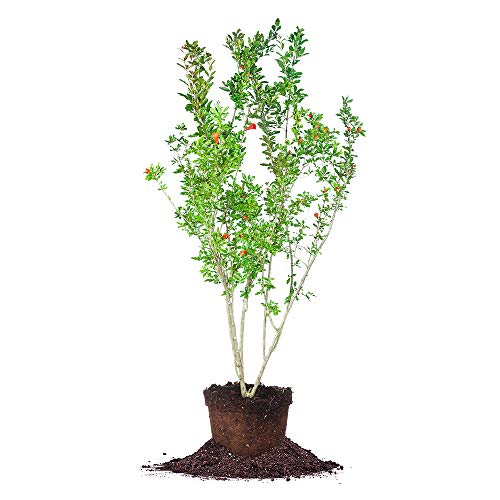
Step up from a one-gallon starter and you get this Perfect Plants Wonderful in a two-gallon pot, a noticeable middle ground between the entry-level options and the larger Wekiva Foliage tree reviewed earlier. The cultivar is the same classic Wonderful, so flavor and growth habits match its one-gallon sibling, but the larger root system gives the plant a meaningful head start. For warm-climate gardeners who want a faster first fruit without jumping to the tallest starter on the market, this is the comfortable middle.
You still get the self-pollinating behavior and the late-September ripening window that makes Wonderful the standard pomegranate, plus the orange-red spring blooms that arrive before fruit sets. In most warm-region backyards, a two-gallon tree establishes in its first growing season and can begin meaningful flowering the following year, depending on your pruning and feeding routine.
What Makes Sense
- Larger root ball than the one-gallon Wonderful, shortening the gap between planting and first fruit.
- Same self-fertile Wonderful genetics, so no pollinator partner is needed.
- Showy spring blooms add ornamental value ahead of the September harvest.
- Ships as a live potted plant ready for in-ground or large-container transplanting.
Small Caveats
- Still best suited to USDA zones 7 through 10, with limited tolerance for hard freezes.
- Deciduous habit means a bare silhouette through the cooler months.
- Two-gallon trees are heavier and harder to ship than smaller starters.
Who It Suits Best
Warm-climate gardeners who want a step up from the one-gallon Wonderful without committing to the tallest starter size.
Look Elsewhere When
Growers with limited space should look at the Wonderful Pomegranate Dormant Plant from High Desert Nursery, which fits more comfortably in containers.
Russian 26 is the pomegranate for gardeners thinking in decades, not seasons. Mature trees reach 10 to 12 feet tall with an 8 to 10 foot spread, which puts this firmly in the small-tree category rather than a compact shrub. The variety leans into cold hardiness, similar to the Perfect Plants Russian option earlier, but its mature footprint is meaningfully larger. That scale pays off at harvest time when the branches can carry a serious fruit load.
Soil preferences skew toward well-draining loam with a slightly acidic to neutral pH, and a late-winter pruning routine opens up the canopy for airflow and easier picking. One thing worth flagging up front: the seller can’t ship to CA, AZ, AK, or HI due to agricultural restrictions, which rules out this pick for gardeners in those states regardless of how well it would otherwise fit their yard.
Positive Takeaways
- Cold-hardy genetics that extend pomegranate growing into cooler zones than a classic Wonderful handles.
- Mature height of 10 to 12 feet supports heavy fruit production once established.
- Late-winter pruning window keeps maintenance simple and predictable for home growers.
- Adapts to sandy loam or loamy soil with a 5.5 to 7.0 pH range.
Points To Note
- Cannot ship to California, Arizona, Alaska, or Hawaii due to agricultural laws, limiting availability.
- 1-gallon size with 12 to 18 inch height means a long establishment period before full harvests.
- Mature spread of 8 to 10 feet requires real yard space rather than a tight patio footprint.
Quick Facts
Who Will Love This
Spacious-yard growers in cooler zones who want a full-size pomegranate tree with serious harvest potential down the road.
Swap It Out When
Container or small-patio gardeners will get better results from the Wekiva Foliage Pomegranate Tree in a 3 Gallon Pot, which stays more manageable in scale.
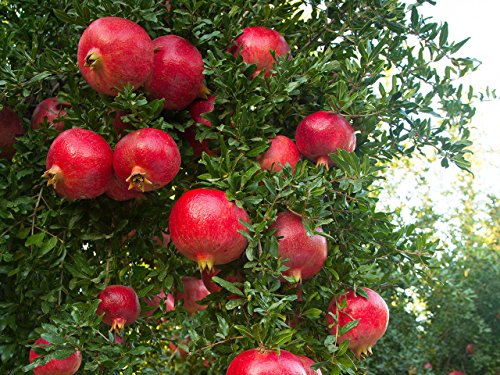
The High Desert Nursery Wonderful ships as a dormant plant in a small 2.5 by 2.5 inch pot, anywhere from 5 to 8 inches tall, which makes it the smallest starter in this roundup. Dormant means the tree is at rest rather than actively growing, so it transplants without the stress of pushing new leaves at the same time. The Granada reference in the listing nods to the Spanish word for pomegranate and the cultivar’s Mediterranean roots, useful context for gardeners familiar with the classic European strain.
Once it wakes up, growth speed is reported as slow, and flowering can take 2 to 5 years, so this pick asks for genuine patience. You may find the tiny starting size frustrating if you want quick landscape impact, but in trade you get the lowest entry point in this roundup and a tree that fits a windowsill or small container while it develops.
Practical Advantages
- Compact 2.5 inch pot fits windowsills, small patios, and tight indoor setups during the establishment phase.
- Shipping dormant reduces transplant stress and aligns with natural winter rest cycles.
- Wonderful cultivar genetics deliver the classic sweet-tart flavor once mature.
- Lowest entry price point in this roundup, friendly to budget-focused shoppers.
A Few Limitations
- Slow growth rate and a 2 to 5 year window before flowering require real patience from the grower.
- Hardy only to USDA zone 9 or above, so freezing climates will need container mobility or indoor overwintering.
- Vulnerable to aphids, mealybugs, and scale insects, which calls for routine inspection during the growing season.
- Tiny starter size means years of attentive watering and feeding before meaningful harvests.
The Right Fit
Patient container gardeners and budget shoppers who want the classic Wonderful flavor and don’t mind waiting several years for the first fruit.
Consider Something Else When
Growers who want a faster path to fruit should consider the Perfect Plants Wonderful Pomegranate Tree, 2 Gallon, which starts much closer to producing age.
Choosing The Right Pomegranate Variety For Your Yard
Picking the right pomegranate comes down to three honest questions: how cold does your winter get, how much space do you actually have, and how soon do you want fruit on the table. Cold hardiness is the make-or-break factor, since Wonderful types need warm zones while Russian cultivars push into cooler territory. A useful shorthand: USDA zone 7 and up opens up most of the options on this list, while zone 6 and below narrows you to the Russian and Russian 26 picks.
Mature size is the next filter. Pomegranates can be trained as compact shrubs or allowed to run as 10 to 12 foot small trees, and the difference between the two changes how much yard you’re committing. Container growers should treat anything over a 3 gallon starter as a long-term commitment, since root systems fill pots fast and demand regular root pruning or pot upgrades.
Patience is the third variable, and people underestimate it. A one-gallon starter can take three to five years to produce meaningfully, while a three-gallon tree may fruit the year after planting. For most home growers, a slightly larger starter pays for itself in saved waiting time, assuming your budget can flex. Soil pH is forgiving across most pomegranates, with a 5 to 7 range working well, but well-draining soil is non-negotiable since waterlogged roots will kill a pomegranate faster than cold will.
Picking The Right Starter Size
Starter size sounds like a packaging detail, but it drives how soon you eat homegrown arils. A one-gallon plant gives you the lowest entry price and a manageable transplant, but the root system is small enough that the tree spends its first year or two establishing rather than fruiting. A two-gallon or three-gallon starter closes that gap considerably, since the larger root ball supports earlier flowering and stronger first-season growth.
Dormant plants ship smaller on purpose, with no active growth to stress during transit, but they need the longest runway to reach fruiting age. If you want fruit within a couple of seasons and your budget allows it, paying for a two or three gallon starter is the more efficient route.
Key Considerations Across These Picks
Pitfalls Shoppers Hit
The most common mistake is choosing a Wonderful-type pomegranate for a climate that drops below zone 7, then watching it struggle through every hard freeze. Cold hardiness ratings vary by cultivar, and matching the tree to your zone matters more than any other feature. Another trap is underestimating mature size, since pomegranates grow wider than most people expect, and crowding them against a fence or wall cuts airflow and fruit production.
Where The Extra Money Goes
Paying more for a larger starter generally buys root mass and a shorter wait to first fruit, plus better branching structure on arrival. A two or three gallon tree arrives closer to fruiting age and handles transplant shock more gracefully than a one-gallon stick. The upgrade is worth it for gardeners who measure success in harvests per year rather than dollars spent per plant.
Frequently Asked Questions
How long does a pomegranate tree take to produce fruit?
Most pomegranate trees start flowering within two to five years of planting, depending on starter size and growing conditions. Larger two and three gallon starters often fruit sooner than one gallon or dormant options, which can take closer to four or five years.
Do pomegranate trees need full sun?
Yes, pomegranates produce best with at least six to eight hours of direct sunlight per day. In shadier spots, you’ll see fewer flowers and smaller harvests, even on otherwise healthy trees.
Can pomegranate trees survive winter freezes?
Cold tolerance depends on the cultivar. Wonderful pomegranates handle mild frost but struggle below about 10°F, while Russian and Russian 26 cultivars tolerate much colder winters, extending the growing range into zones 5 and 6 in some cases.
Do I need two pomegranate trees for pollination?
No, all the trees on this list are self-pollinating, so a single tree produces fruit on its own. Adding a second tree can boost yields in some gardens, but it isn’t required for fruit set.
Are pomegranates better in containers or in the ground?
In-ground planting generally produces larger trees and bigger harvests, but containers work well for small-space gardeners and in colder zones where you need to move the tree for winter protection. Container trees need more frequent watering and periodic root pruning to stay healthy.
Closing Thoughts
A pomegranate tree rewards gardeners who match the cultivar to their climate and accept the multi-year runway to first fruit. Pick a cold-hardy variety for cooler zones, a Wonderful for the classic flavor in warm regions, and a larger starter size if waiting isn’t your strong suit. Whichever route you take, plant it in full sun with well-draining soil, and you’ll be cracking open homegrown arils by mid-autumn.
