

A backyard pear tree rewards you twice a year: a cloud of white blossoms in spring, then crisp fruit you can pick yourself by late summer. The trick is choosing a variety that fits your zone, your soil, and the way you actually plan to eat the harvest. Below you’ll find two Asian pears, two classic European pears, and a couple of support products that help the trees you plant actually thrive. Whether you want a single backyard specimen or you’re building out a small home orchard, these picks cover most climates a hobbyist gardener runs into.
A Side-By-Side Look
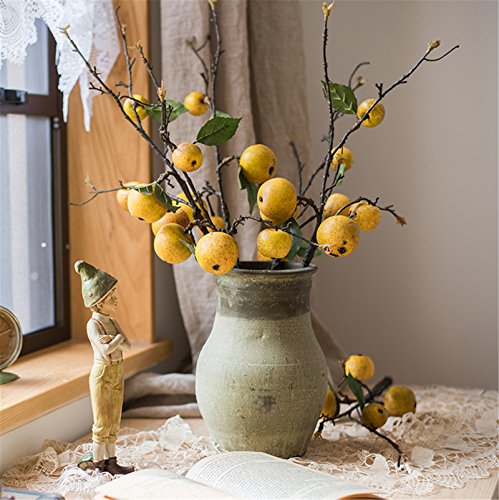
Zzooi 3PCS Artificial Pear Tree Branches

Korean Pear Tree, Asian Pear Variety, 5 gal Nursery Pot
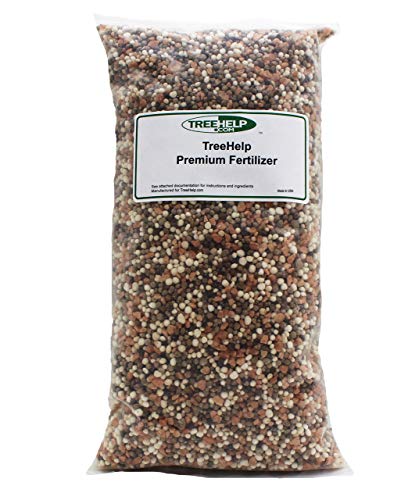
TreeHelp Premium Fertilizer for Pear

Pear Tree Liquid Plant Food, 8 oz

Bartlett Pear Tree, 7 gal Nursery Pot
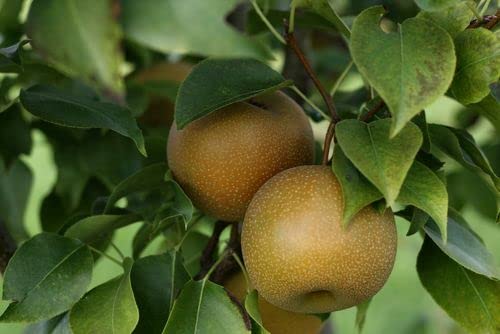
Shinko Asian Pear Tree by DAS Farms, 3 ft
The Picks, Examined More Closely
Zzooi’s faux pear branches solve a problem that no live tree ever could: keeping fruit on display in a windowless office or a winter dining room. Each branch ships at roughly 27.5 inches long and carries four small artificial pears along its stem, so a single piece in a tall vase already reads as a deliberate arrangement.
The branches are made of a plastic and silk blend, which means they won’t wilt and they shrug off dust with a quick wipe-down. You can also bend or trim them to fit a shorter vase, something you obviously can’t do with a real twig. They are aimed squarely at home decorators, event stylists, and anyone wanting pear motifs without maintaining an orchard.
Real-World Strengths
- Three branches per pack give you enough material for one full centerpiece or two smaller arrangements.
- The artificial fruit has a stem, so it looks closer to real growth than loose faux pears glued to a wire.
- Plastic and silk construction resists fading in indirect sunlight and holds up to seasonal storage.
- Bendable wire inside the branch lets you shape it to the height of your vase.
Worth Noting
- No vase is included, so you’ll need to source your own container.
- These are decorative only; this pick does nothing for pollination, fruit set, or yard gardening goals.
Whose Shelf It Belongs On
Renters, dorm decorators, and event stylists who want lasting pear décor with zero upkeep.
Skip It When
You want a living tree to harvest fruit from, in which case the Bartlett Pear Tree further down this list is the better match.
The Korean Pear (a classic Asian pear) is the variety most grocery stores sell as “apple pear” because the fruit is round, snappy, and stays crunchy even when ripe. This nursery ships it in a 5-gallon container at 2-3 feet tall, which is a workable transplant size that settles into most soils within a season.
Asian pears are also notably forgiving: they thrive in USDA zones 5 through 9, tolerate a range of soils, and put on a heavy white bloom in early spring that doubles as pollinator habitat. Mature trees generally reach 15-20 feet, so plan for vertical clearance if you’re planting near a single-story roofline.
The Value In It
- Round, crisp fruit that holds its texture in salads and lunchboxes far better than European pears.
- Hardy across zones 5-9, covering most of the continental U.S. except the deep South and far North.
- White spring blossoms add a few weeks of ornamental value before fruiting begins.
- 5-gallon starter size gives you a head start over a bare-root whip, often producing in 2-3 seasons.
Trade Offs
- Cannot ship to CA, AZ, AK, or HI due to agricultural regulations, so West Coast and tropical shoppers will need a different route.
- Mature height of 15-20 feet means you’ll want to prune for airflow or plant away from overhead lines.
- Asian pears often fruit heavily, which can mean thinning young pears in late spring for better sizing.
Key Attributes
Best Suited To
Home orchardists in zones 5-9 who want reliable, crunchy fruit and a showy spring bloom.
Another Choice May Suit
Growers in zones 3-4 should look at the Shinko Asian Pear Tree, which tolerates colder winters.
TreeHelp’s granular pear fertilizer is built around the specific nutrient ratios that mature pear trees crave, rather than a generic fruit-tree blend. At roughly 3 pounds per bag, it’s sized for the one-or-two-tree backyard rather than a half-acre orchard.
You sprinkle it around the drip line (the imaginary circle directly under the outermost branches) and water it in, so the root zone pulls nutrients down where they actually count. The formula leans into root development, which matters most in the first few seasons after transplant.
What It Does Well
- Tailored NPK balance (nitrogen, phosphorus, potassium, the three numbers on every fertilizer bag) for pears rather than generic fruit trees.
- Granular form releases slowly, so a single spring application often carries through the active growing season.
- Encourages root expansion, which improves drought tolerance in the back half of summer.
Potential Drawbacks
- A 3-pound bag is fine for one or two trees, but a small orchard would need multiple bags per season.
- Granular fertilizer is less flexible than a liquid like TPS Nutrients’ option, so adjusting mid-season is harder.
The Right Fit
Home growers with one or two established pear trees who want a set-and-forget feeding routine each spring.
Look Elsewhere When
You’re nursing a young transplant and want faster uptake; the TPS Nutrients Liquid Plant Food suits that scenario.
The TPS Nutrients liquid plant food is mixed with water and poured at the base, so the roots absorb it within days rather than weeks. For a young pear tree that’s still establishing, that faster feedback loop matters: you can correct a yellowing leaf or a slow-growth season without waiting for the next granular feeding window.
The 8-ounce bottle is small, which suits a single backyard tree or a small patio pear. Liquid feeds also tend to be more forgiving for beginners because over-application is easier to correct with a deep watering.
What Stands Out
- Liquid uptake shows in foliage within a couple of weeks, useful when troubleshooting deficiencies.
- Small bottle is approachable for first-time tree owners who don’t want to commit to a 5-pound bag.
- Mix-and-pour format works for both in-ground trees and large container specimens.
A Few Limitations
- Liquid feeds leach through the soil faster than granular, so plan on more frequent applications through the season.
- An 8-ounce bottle may run out before late summer on a mature, heavy-producing tree.
Feature Snapshot
Who Should Grab It
First-time pear growers and anyone working with a young transplant who wants quick, visible results.
Reach For A Different Pick When
You have a mature orchard where slow-release granular feed saves labor; TreeHelp’s Premium Fertilizer fits that case.
The Bartlett is the pear most Americans grew up eating: the bell-shaped fruit that ripens from green to golden yellow, with the soft, buttery flesh that works for canning, snacking, and pear sauce. The 7-gallon nursery pot ships the tree at 4-5 feet tall, a head start over the 2-3 foot Korean Pear in pick 2.
Bartlett is a European pear, Pyrus communis ‘Bartlett’, and it leans toward the classic melting texture rather than the snap of an Asian pear. If your plan includes jam-making or pear butter, this is the variety you want.
Notable Gains
- Larger starter size (4-5 feet, 7-gallon pot) usually means fruit in the second or third season rather than the third or fourth.
- Classic sweet, buttery flavor that excels in canning, baking, and fresh eating once fully ripened.
- Widely planted variety with well-documented pollination partners like Bosc or Anjou.
- Mid-sized mature footprint of roughly 15-20 feet tall and 12-15 feet wide fits most backyard plans.
Where It May Fall Short
- Cold-hardy only in zones 5-7, so northern growers (zone 3-4) should consider the Shinko Asian pear instead.
- Cannot ship to CA, AZ, AK, or HI, narrowing the available market.
- European pears are susceptible to fire blight, a bacterial disease that blackens new shoots, so monitor growth in humid springs.
Built With In Mind
Backyard orchardists in zones 5-7 who want the classic soft, sweet pear for canning and fresh use.
A Better Fit Elsewhere
If you live in zone 4 or push into short-summer climates, the Shinko Asian Pear Tree handles cold better and gives you rounder, crisper fruit.
Shinko is a late-season Asian pear with bronze-gold skin and a honeyed sweetness that ripens after Bartlett is done. DAS Farms ships it at 3 feet tall in a 3-gallon pot, double-boxed for safe transit, which matters because a damaged root ball sets you back a season.
The tree thrives in zones 4 through 9, a notably wider cold-tolerance window than the Korean Pear in pick 2. For zone 4 or 5 gardeners who lose Bartlett trees to harsh winters, Shinko is the safer bet. Note that DAS Farms specifies ground planting only, no containers, so plan a permanent bed.
Useful Touches
- Hardy down to zone 4, expanding viable planting territory into the upper Midwest and mountain states.
- Late-season harvest extends your pear window into early fall after early varieties finish.
- Bronze-blushed fruit stores well for several weeks in cool conditions.
- Double-boxed shipping protects the root ball during transit, which lowers transplant shock.
Honest Caveats
- Ground planting only, so this isn’t the right tree if you wanted a patio container specimen.
- Deciduous trees ship without leaves in winter, which can look unimpressive on arrival and requires patience before spring growth begins.
Feature Rundown
Perfect Match For
Northern gardeners in zones 4-5 who want a late-season Asian pear that shrugs off harsh winters.
Swap It Out When
You live in zone 7 or warmer and prefer the classic soft Bartlett, in which case the Bartlett Pear Tree is the better fit.
Choosing the Right Pear Tree for Your Yard
Picking a pear tree comes down to three calls: climate, fruit style, and how soon you want to harvest. Climate is the hardest constraint, since most backyard growers can’t move their property line into a new hardiness zone. USDA zones (the USDA’s geographic climate bands that rate average annual minimum winter temperatures) tell you which varieties will survive your lowest winter temps, and Asian types like Shinko stretch the lowest limit down to zone 4 while Bartlett and the Korean Pear both settle around zone 5.
Fruit style is the next decision. Asian pears stay crisp and apple-like even when ripe, which suits lunchboxes and salads. European pears, like Bartlett, soften into that classic buttery texture prized for canning. You can absolutely grow both, but pick one first so cross-pollination between compatible varieties is easier to manage.
Starter size matters more than most newcomers expect. A 4-5 foot tree in a 7-gallon pot typically fruits a year earlier than a 2-3 foot tree in a 5-gallon pot, though both eventually catch up. For most home growers, the bigger starter is worth the modest jump in shipping weight.
Pollination and Spacing
Most pear trees need a pollination partner within roughly 50 feet to set a heavy crop. Two Asian varieties will pollinate each other; two European varieties will too, but crossing an Asian with a European is unreliable. If you only have room for one tree, look for a self-fertile cultivar or accept a lighter harvest.
Sun, Soil, and Drainage
Pear trees want full sun, defined as at least six hours of direct light, and well-drained soil. They dislike “wet feet” (roots sitting in saturated ground), so a raised bed or a sloped yard helps in heavy clay. Mulch out to the drip line, never piled against the trunk, since bark contact with wet mulch invites rot.
Long-Term Care
Annual feeding with a pear-specific fertilizer, spring pruning for airflow, and light fruit-thinning in heavy-set years will keep most trees productive for decades. Plan on 15-20 feet of mature height for both the Korean Pear and the Bartlett, so site selection early on prevents hard pruning later.
Key Things To Weigh Before You Order
Mistakes Worth Dodging
The most common slip is ordering a tree unsuited to your zone, then losing it the first hard winter. Run your zip code through a USDA zone map before you fall in love with a variety. The second pitfall is underestimating mature size: a pear tree that fits a 5-gallon pot at planting may shade your neighbor’s garden at year ten. Check the spread, not just the height, before you dig the hole.
What The Higher Tier Buys
A larger nursery pot means a more developed root system, which translates to a year or two of faster growth and earlier fruiting. The 7-gallon Bartlett in pick 5 is a good example: it’s more expensive to ship, but you’re paying for time you don’t have to wait through. For a single backyard tree, that trade usually pays off.
Frequently Asked Questions
How long does a pear tree take to fruit?
Most nursery-started pear trees produce in 2-4 years after transplant, with Asian pears often fruiting slightly earlier than European varieties on similar rootstocks.
Do I need two pear trees for pollination?
Most varieties benefit from a compatible pollination partner within about 50 feet, though a few cultivars set some fruit alone. Two trees reliably give you a heavier crop.
When is the best time to plant a pear tree?
Late winter through early spring, while the tree is still dormant, gives roots time to establish before summer heat stresses the transplant.
Can pear trees grow in containers?
Yes for a few years, but most pear varieties outgrow large pots within 5-7 seasons. For permanent container culture, choose a dwarf rootstock variety instead.
How big do these pear trees get?
Both the Korean Pear and the Bartlett typically reach 15-20 feet tall with a 12-15 foot spread at maturity, so plan vertical and horizontal clearance before planting.
Closing Remarks
The right pear tree depends less on which one is “best” and more on which one fits your zone, your soil, and the way you like to eat your harvest. For most temperate U.S. yards, either the Korean Pear or the Bartlett is a strong starting point, with the Shinko Asian Pear filling in for colder climates. Pair your tree with a matching fertilizer from this list, give it full sun and decent drainage, and you’ll be picking your own fruit within a few seasons.
