

Dogs and cats live closer to the ground than you do, which makes them the first line of defense against ticks in a wooded or grassy yard. Pulling together the right bottle or hose-end sprayer can mean the difference between a lazy afternoon in the grass and a trip to the vet. This roundup sorts ten outdoor and on-pet options that aim to keep families with paws safer through the warm months, with attention to active ingredients, application style, and which dogs or cats each formula actually fits.
The Choices Worth Comparing

ENVU Tempo SC Ultra Insecticide 240ml

Trifecta Flea and Tick Yard Spray Concentrate 16 oz

Adams Flea & Tick Spray Plus Precor 16 oz (2 Pack)

Adams Plus Flea & Tick Spray for Dogs & Cats

Trifecta Ready-to-Use Flea and Tick Yard Spray 32 oz
Trifecta Flea and Tick Yard Spray 64 oz (2 Pack)
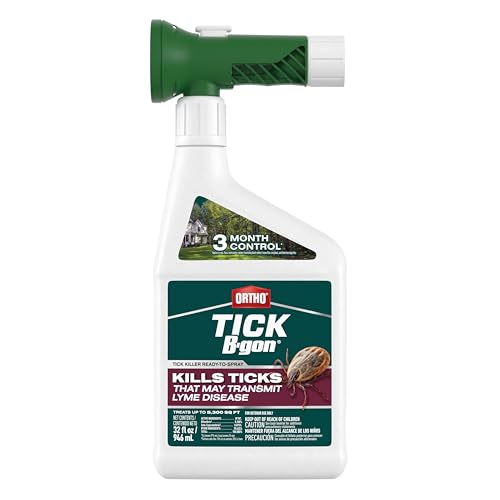
Ortho Tick B-gon Tick Killer Ready-to-Spray 32 oz

Wondercide Flea, Tick & Mosquito Spray Cedarwood 16 oz

Wondercide Flea, Tick & Mosquito Spray Rosemary 16 oz
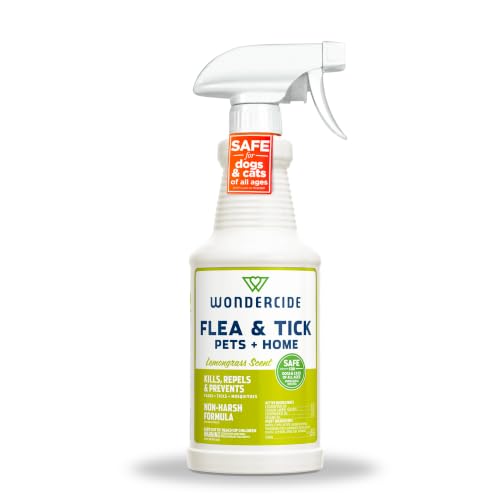
Wondercide Flea, Tick & Mosquito Spray Lemongrass 16 oz
Inside Each Recommended Option
Tempo SC Ultra arrives as a liquid concentrate that mixes into a sprayer rather than the hose-end cans you see on most retail shelves. The format leans toward people comfortable with measuring, diluting, and applying with a pump or backpack sprayer, which suits rural lots where the same routine also covers mosquitoes, spiders, and ants in one pass.
Owners dealing with a tick problem that runs alongside grain-storage pests, ant hills, or aphids on shrubs get more mileage out of this broad-spectrum profile than from a tick-only product. In most yards, the low use rate keeps the amount of active ingredient per acre modest, which helps if you want fewer refill cycles through the season.
Points In Its Favor
- Liquid concentrate mixes easily and stays suspended with minimal agitation.
- Targets ticks plus ants, aphids, spiders, and many grain pests in one application.
- Long residual reduces how often you need to re-treat during peak season.
- Compact 240ml bottle covers several mid-size yards per dilution.
Things To Consider
- Requires a separate pump or backpack sprayer, which adds setup cost.
- Synthetic pyrethroid class requires careful drying time before pets re-enter.
- Strongest benefits show up on larger lots; smaller lawns may feel like overkill.
Key Specs
Who It Suits Best
Rural owners with multi-acre yards who already own a pump sprayer and want a broad-spectrum residual formula.
Where Another Pick Suits Better
Suburban homeowners who just want a hose attachment should look at Ortho Tick B-gon Tick Killer Ready-to-Spray 32 oz instead.
Trifecta’s 16-ounce concentrate takes a botanical route, leaning on essential oils rather than synthetic pyrethroids for the active work. The bottle dilutes into a pump sprayer, which keeps the equipment cost low if you already have a basic model in the garage.
Compared with Tempo SC Ultra, this format trades broad-spectrum knockdown for a softer profile that many households with curious dogs and toddlers find easier to live with. The catch is that re-treatment intervals tend to be shorter, so a monthly rhythm becomes part of the routine.
Everyday Advantages
- Essential-oil base avoids the strongest synthetic actives.
- Liquid concentrate stretches a single bottle across multiple treatments.
- Designed for lawn, patio, and backyard coverage in one product.
- Compatible with standard pump sprayers you may already own.
Worth Noting
- Botanical formulations generally require more frequent re-application than synthetics.
- Scent can linger longer than expected on treated surfaces during humid stretches.
- Not the right tool for severe infestations that demand broad-spectrum knockdown.
Made For
Owners who prefer botanical ingredients and run a steady monthly yard routine rather than a one-shot heavy treatment.
Consider Something Else When
Households fighting a heavy, established tick population should reach for Tempo SC Ultra Insecticide 240ml instead.
This two-pack of Adams spray is designed to land directly on the dog or cat rather than the lawn, with a trigger handle for an even coat. Precor, an insect growth regulator, works alongside the adulticide to interrupt the flea life cycle, which matters in homes where eggs keep hatching weeks after the first round of bites.
The two-bottle format suits a household with both a dog and a cat, or anyone who wants a backup bottle ready when the first runs dry mid-season. Unlike the yard-only concentrates above, this is a hands-on grooming step rather than a perimeter spray.
A Favorable Mix
- Adulticide paired with an insect growth regulator breaks the flea life cycle.
- Trigger sprayer delivers light, even coverage across the coat.
- Listed for canines ten weeks and older and felines twelve weeks and older.
- Two bottles extend coverage across multiple pets or full summer cycles.
Points To Keep In Mind
- Direct application means pets need to stay calm during the full coat spray.
- Does not treat yard perimeter, only the animal’s coat.
- Stronger-smelling than botanical alternatives during initial application.
Feature Snapshot
Best Suited To
Multi-pet homes that want both adult flea knockdown and egg-cycle control from a single on-pet spray.
A Better Fit Elsewhere
Owners whose main concern is the yard perimeter, not the animal itself, should pick the Trifecta Ready-to-Use Flea and Tick Yard Spray 32 oz instead.
The single-bottle Adams Plus is the same dual-action formula as the two-pack, just without the second container. That makes it a natural starting point for someone testing the brand on one pet before committing to a larger purchase.
For households with a small dog and a single cat, the same bottle covers both animals as long as the age guidelines fit. If your dog weighs north of fifty pounds or you maintain a busy multi-pet schedule, the two-pack reviewed above becomes the more practical pick.
Real Benefits
- Combined adulticide and egg-control formula in a single spray.
- Trigger handle supports controlled application along the back and legs.
- Works on both dogs and cats within the listed age ranges.
- Compact bottle stores easily on a laundry shelf between treatments.
Room For Improvement
- Single bottle may run out before peak season ends on multi-pet homes.
- Coat must stay damp long enough for full coverage to set.
- Less efficient value per ounce compared to the two-pack version.
Who Should Grab It
First-time Adams shoppers with one small dog or cat who want to test the formula before scaling up.
Skip It When
Two or more pets in active flea season will burn through this bottle quickly; reach for the Adams Flea & Tick Spray Plus Precor 16 oz (2 Pack) instead.
The ready-to-use 32-ounce bottle skips the measuring cup entirely and hooks straight to a garden hose for broad yard coverage. For households that bounced off the concentrate format above, this is the friendly on-ramp to botanical yard treatment.
You trade a bit of cost efficiency for the convenience factor, and the trade-off pays off in homes where the pump sprayer lives buried in the shed. The catch is that ready-to-use bottles often run dry faster than the concentrates in mid-summer.
Useful Touches
- No mixing required, just attach to a standard garden hose.
- Essential-oil formula aligns with households avoiding stronger synthetics.
- Designed for lawn, patio, and backyard perimeter in one product.
- Lighter bottle weight than a pump sprayer filled with mixed concentrate.
Small Caveats
- Hose-end delivery limits concentration tuning for stubborn zones.
- Refill frequency climbs on larger lots above a half acre.
- Coverage rate depends on water pressure from your outdoor spigot.
Quick Facts
The Right Fit
Suburban households under half an acre who want a low-setup, monthly botanical treatment without buying extra equipment.
Another Choice May Suit
Owners with bigger lots who refill constantly should jump to the Trifecta Flea and Tick Yard Spray 64 oz (2 Pack) for better season coverage.
The bulk two-pack steps up the same botanical concentrate in a larger format aimed at owners covering bigger yards through the full season. Storage becomes the main thing to plan for, since two 64-ounce containers need a dry shelf or garage corner.
Compared with the 16-ounce concentrate reviewed earlier, this format spreads the seasonal cost over more square footage per dollar. For someone running monthly treatments from spring through fall, that math matters more than the upfront price.
Advantages To Know
- Bulk format lowers cost per ounce across the season.
- Essential-oil base suits households avoiding synthetic actives.
- Two-pack keeps a backup ready mid-summer when one bottle empties.
- Same botanical profile as the smaller Trifecta concentrates.
Practical Considerations
- Larger bottles require a cool, dry storage spot out of pet reach.
- Still needs a pump sprayer, which is a separate purchase.
- Bulk purchase only pays off when the full season gets used.
Whose Shelf It Belongs On
Multi-acre homeowners who treat consistently and want enough concentrate on hand to avoid mid-season reorders.
Reach For A Different Pick When
First-time users unsure about the botanical profile should start with the smaller Trifecta Flea and Tick Yard Spray Concentrate 16 oz.
Ortho’s Tick B-gon is the tick-specific answer in a hose-end bottle, aimed at suburban yards where American dog, brown dog, and deer ticks dominate. The product targets ticks first and lists fleas and mosquitoes as additional insects it handles in the same pass.
Where the Trifecta picks lean botanical, this one is built for homeowners who want a tick-focused perimeter spray without buying a separate sprayer. For tall grass, brush edges, and shaded lawn borders, the hose attachment makes the routine more approachable.
Features That Help
- Targeted at the three tick species most common in residential yards.
- No mixing required, hose-end application ready out of the box.
- Also lists fleas and mosquitoes on the treated perimeter.
- Compact 32 oz bottle stores neatly on most garage shelves.
Some Limits To Know
- Drying time matters; keep pets off treated areas until fully dry.
- Hose pressure affects how far the spray reaches into thick brush.
- Works best as part of a routine that includes lawn mowing and tick checks.
Feature Rundown
Perfect Match For
Suburban homeowners with edge-heavy lots and tall grass borders who want a tick-focused routine without extra equipment.
Swap It Out When
Multi-acre properties will empty this 32-ounce bottle quickly; pivot to the Trifecta Flea and Tick Yard Spray 64 oz (2 Pack) for better refill headroom.
Wondercide’s cedarwood spray doubles as a pet and household surface spray, so the same bottle can land on a dog, a sofa, and a baseboard without switching products. The cedarwood scent leans warm and woodsy rather than the sharper citrus notes on the lemongrass variant below.
For indoor-outdoor pets who nap on the couch after a yard session, the dual-use format trims down the number of bottles in the closet. The trade-off is that on-pet coverage alone goes faster than a pure yard spray, so plan to buy two if your dog is on the larger side.
The Value In It
- Works on both the pet’s coat and household surfaces.
- Cedarwood essential oil base avoids the strongest synthetic actives.
- Breaks the flea life cycle by addressing adults, larvae, and eggs.
- Compatible with most dog and cat age ranges when used as directed.
Honest Caveats
- Scent may cling to fabric and upholstery after indoor application.
- Bottle empties faster when treating both pet and home in the same week.
- Re-treatment cadence matters more than with longer-residual synthetics.
Built With In Mind
Owners of indoor-outdoor pets who want one bottle for the dog, the sofa, and the baseboards without switching formulas.
Where A Sibling Pick Shines
Households that prefer citrus over cedarwood will likely enjoy the Wondercide Flea, Tick & Mosquito Spray Lemongrass 16 oz more.
The rosemary version keeps the same dual pet-and-home use as the cedarwood bottle but trades the woodsy note for an herbal, kitchen-garden scent. For homes where cedar feels heavy or smoky, rosemary reads lighter and more familiar.
Functionally, the spray profile matches its siblings, so the choice really comes down to which scent your dog or cat tolerates during application. Scent-anxious pets tend to do better with rosemary than with sharper citrus notes.
What Helps Most
- Rosemary scent reads lighter than woodsy or citrus alternatives.
- Sprays on pet coat and household surfaces from the same bottle.
- Essential-oil base aligns with lower-impact routines.
- Comes in a manageable 16 oz size for shelf storage.
Factors To Consider
- Herbal scent can still feel strong to small cats during application.
- Re-application cadence is shorter than residual synthetics.
- Not formulated as a yard-perimeter spray on its own.
Right Fit For
Scent-sensitive households who want the same dual-use format as the cedarwood spray but with a lighter, herbal aroma.
Look Elsewhere When
Owners who want a yard-perimeter spray alongside the on-pet bottle should pair this with the Ortho Tick B-gon Tick Killer Ready-to-Spray 32 oz.
Lemongrass rounds out the Wondercide trio with a brighter, citrus-leaning scent that doubles as a light room freshener when used indoors. It carries the same pet-and-home dual-use format as the cedarwood and rosemary variants reviewed above.
For households that treat the dogs on the porch and then move inside to sofa cushions and baseboards, this bottle can cover both zones without a second product. The trade-off is that citrus scents tend to fade faster, so re-application timing needs to stay consistent.
Useful Highlights
- Citrus-leaning scent feels lighter than woodsy or herbal variants.
- Functions on pet coat and household surfaces in one bottle.
- Essential-oil formula aligns with lower-impact routines.
- Compact 16 oz size fits a small cleaning caddy.
A Few Limitations
- Lemongrass scent may bother cats with strong scent sensitivity.
- Coverage runs out faster when treating both pet and home in one session.
- Re-treatment cadence is shorter than synthetic residual formulas.
The Right Fit
Owners who prefer a citrus scent and want a single bottle that handles both the dog and the indoor surfaces.
Reach For A Different Pick When
Cats in the household with scent sensitivity often do better with the milder Wondercide Flea, Tick & Mosquito Spray Rosemary 16 oz.
Picking The Right Yard Tick Spray For A Pet Household
The first fork in the road is where the spray needs to land. Yard-perimeter products, including Tempo SC Ultra, the Trifecta concentrates, and Ortho Tick B-gon, treat the lawn, brush, and patio edge where ticks live and travel. On-pet sprays, including the Adams bottles and the Wondercide trio, treat the animal’s coat, where fleas and ticks actually bite. Households with a wooded lot and an active dog usually run both layers.
Active ingredient matters more than the brand label. Synthetic pyrethroids, the class Tempo SC Ultra belongs to, deliver longer residual control but require drying time before pets re-enter. Botanical formulas, the essential-oil category used by Trifecta and Wondercide, typically need more frequent re-treatment but align with households wary of stronger synthetics. Matching the active to your tolerance for re-application cycles keeps the routine realistic.
Application format drives long-term consistency. Concentrates that mix into a pump sprayer stretch the budget further but add a setup step before each treatment. Ready-to-use hose-end bottles trade a higher per-treatment cost for grab-and-go convenience. On-pet trigger sprays work best for calm animals that tolerate a full coat spritz, while dual-use formulas like Wondercide cover the pet and household surfaces from the same bottle.
For multi-pet homes, age guidelines and bottle count matter. Adams sprays list ten weeks for puppies and twelve weeks for kittens, which fits most adopted animals but excludes very young fosters. Two-packs, whether Adams or Trifecta, smooth out the mid-season refill crunch that single bottles tend to hit right when ticks peak.
Smart Choices Across These Picks
Pitfalls Shoppers Hit
The most common slip is treating only the pet and ignoring the perimeter. Ticks ride into the home on shoes, pant legs, and the dog’s coat, but the lawn edge is where the population rebuilds between treatments. Pairing an on-pet spray with a yard product keeps both ends covered without doubling the routine.
Another frequent mistake is underestimating drying time on hose-end products. Pets re-enter treated grass before the surface dries and end up tracking residue indoors or absorbing it through the paws. Keeping animals off the yard until the spray dries fully avoids that exposure window entirely.
Where The Extra Money Goes
Higher-tier sprays often pay for longer residual, broader pest coverage, or a more concentrated format that dilutes further per bottle. Tempo SC Ultra’s broad-spectrum profile, for example, handles ticks alongside ants, aphids, and spiders, which trims the need for separate products. Bulk concentrates like the Trifecta 64-ounce two-pack bring the per-ounce cost down across a full season of monthly treatments.
The upgrade only makes sense when the broader coverage or larger format matches your actual yard size and routine. A suburban quarter-acre does not benefit from a multi-acre concentrate, and a single-cat household rarely needs a two-pack. Matching the format to the property keeps the spend in line with the result.
Frequently Asked Questions
How long before pets can re-enter a treated yard?
Drying time varies by product, but most yard sprays call for the surface to dry fully before pets walk across it. Hot, dry afternoons shorten the window, while humid mornings extend it. Following the label on the bottle you choose keeps the timing accurate for that specific formula.
Can I use a yard spray and an on-pet spray on the same day?
Yes, layering a yard perimeter product with a coat spray is a common approach. The yard spray goes down first and dries, then the pet gets a coat treatment indoors or in an untreated area. Staggering the two routines avoids overloading the animal’s skin.
Are essential-oil formulas strong enough for heavy tick seasons?
Botanical sprays tend to need more frequent re-application than synthetic pyrethroids, so a steady monthly rhythm matters more than a single heavy treatment. In a severe infestation, pairing a botanical spray with a stronger synthetic perimeter product, used carefully and dried before pet re-entry, tends to work better than either alone.
How often should I re-treat the yard during peak season?
Most concentrates and ready-to-use bottles recommend monthly re-treatment during warm months, though shorter intervals show up in heavy tick years. Watching the pet’s coat and the lawn edges between treatments tells you whether the routine is keeping up with local pressure.
Is a hose-end bottle enough for a wooded lot?
For most suburban yards under half an acre, a 32-ounce hose-end bottle handles the routine with refills. Wooded multi-acre properties tend to drain that bottle fast, which makes a concentrate or bulk format the more practical long-term option.
Closing Thoughts
The right pick comes down to where the spray needs to land and how much routine you can realistically maintain through the warm months. Match the product to the property and the pet, and the season becomes far easier to manage. Whatever format fits, staying consistent across the active months is what keeps ticks from getting a foothold in the first place.
