

Growing tomatoes in pots flips the usual rules. The root zone is small, nutrients leach out fast with every watering, and a missed feeding shows up as pale leaves and sad fruit clusters within days. The right fertilizer resets that balance, feeding a contained root system without burning it.
Below are eight container-ready options, from all-purpose liquids to organic granular blends with built-in calcium. Pick based on how often you want to mix, what you’re willing to feed organically, and how long you want to go between applications.
The Choices Worth Comparing
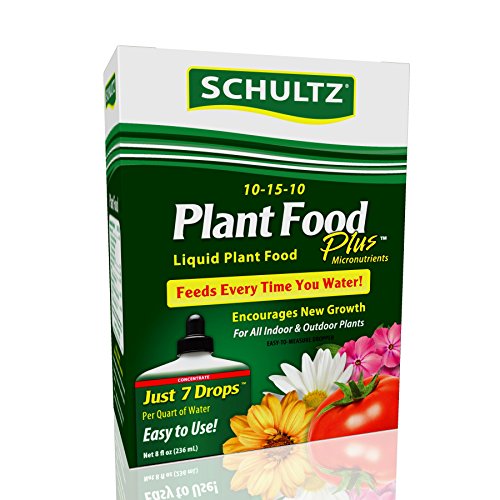
Schultz All Purpose Liquid Plant Food 10-15-10, 8 oz

FoxFarm Grow Big Liquid Plant Food 6-4-4 Quart Concentrate

Dynamite Complete Plant Food Flower & Vegetable 1 lb

Dynamite All Purpose Indoor & Outdoor Plant Food 1 lb

Espoma Organic Tomato-Tone 3-4-6 with 8% Calcium, 4 lb Bag

Dynamite Mater Magic Organic Tomato Fertilizer .675 lb

FoxFarm Happy Frog Tomato & Vegetable Fertilizer 5-7-3, 4 lb

Farmer’s Secret Tomato Booster Fertilizer 3-8-7, 32 oz
The Strengths Of Each Pick
Schultz 10-15-10 is the kind of bottle that quietly does its job without a learning curve. The NPK ratio (Nitrogen-Phosphorus-Potassium, the three numbers that describe a fertilizer’s nutrient balance) leans toward phosphorus, the middle number, which supports flowering and fruit set right when container tomatoes need it. Mix it into your watering can and you’re feeding a five-gallon pot in seconds.
The 8 oz bottle suits a small balcony setup with two or three plants, and you’ll use it across everything from flowers to herbs. It’s a solid starter pick if you haven’t yet figured out what your tomatoes actually crave.
Where It Delivers
- Higher phosphorus ratio nudges flowering along during early fruiting stages
- Liquid format means nutrients reach roots immediately, no waiting for soil breakdown
- Compact bottle fits a kitchen drawer or balcony toolbox without clutter
- Generic enough to feed companion herbs and flowers in the same pot grouping
Things To Weigh Up
- No calcium in the blend, so blossom-end-rot risk on heavy-fruiting varieties stays high without a calcium sidekick
- An 8 oz bottle runs out quickly across a full season of weekly feeding
- Frequent mixing is required since liquid feeds leach through pots faster than granular options
Best Suited To
First-time container gardeners running a couple of patio pots who want one bottle that handles both tomatoes and the basil sitting next to them.
Where Another Pick Suits Better
Container growers chasing organic certification and built-in calcium should reach for Espoma Organic Tomato-Tone 3-4-6 with 8% Calcium, 4 lb Bag instead.
Grow Big earns its place for the early-to-mid-season push when container tomatoes are building leafy framework before flowers appear. The 6-4-4 ratio is nitrogen-forward, the first number, so it pushes green growth that supports later fruit production. Quart-size concentrate stretches across many feedings if you measure carefully.
It’s a working gardener’s bottle: shake, dilute, pour, repeat. Compared with Schultz 10-15-10, this one trades bloom emphasis for steady vegetative mass.
Useful Highlights
- Nitrogen-leaning formula develops stems and foliage that carry heavier fruit loads
- Liquid concentrate absorbs quickly, ideal for pots that dry out between waterings
- Quart bottle covers a full growing season for a modest container collection
- Versatile enough for roses, veggies, and ornamentals sharing the same patio
Trade-Offs
- Lower phosphorus and potassium mean you’ll want a bloom-focused feed once flowering starts
- Concentrate demands accurate measuring, since over-dilution wastes it and under-dilution risks leaf burn
- No calcium included, so a separate calcium source helps prevent blossom end rot in heavy-fruiting types
Feature Snapshot
Right Fit For
Indeterminate tomato growers who want vigorous vines during the leafy growth phase before switching to a bloom fertilizer.
Swap It Out When
Organic-focused gardeners with smaller pots will find FoxFarm Happy Frog Tomato & Vegetable Fertilizer 5-7-3, 4 lb a more balanced fit.
Dynamite Complete takes the “set it and forget it” approach for container tomatoes. The granular formula is engineered for slow, controlled release, so a single application feeds a pot for up to nine months. For gardeners who travel or simply don’t want a weekly mixing routine, that changes everything.
It’s targeted at flowering and fruiting plants, which lines up with what tomatoes need from fruit set onward. Sprinkle once at planting, water as usual, and the nutrients meter out as conditions warm.
Notable Gains
- Up to nine months of continuous feeding from a single application
- Granular format suits gardeners who avoid liquid mixing
- Includes micronutrients for greener foliage and fuller bloom development
- Formulated for both flowers and vegetables in the same bed or pot grouping
Honest Caveats
- Slow-release granules can struggle to keep up with heavy-feeders during peak fruiting months
- Without calcium listed, blossom-end rot prevention requires a separate amendment
- Granules need to be worked into the soil surface, which can disturb shallow container roots
Made For
Traveling professionals and weekend gardeners who want tomato pots to keep producing through the season without scheduled feedings.
Skip It When
Organic-only growers should pick Espoma Organic Tomato-Tone 3-4-6 with 8% Calcium, 4 lb Bag for an organic alternative with bloom-stage calcium.
This is the crossover bottle: tomatoes on the balcony, snake plant in the hallway, fiddle leaf by the window. The slow-release formula runs up to nine months and covers both indoor foliage and outdoor flowers. One container solves two rooms’ worth of feeding.
For container tomato growers with a mixed planter collection, the appeal is consolidating. The all-purpose blend won’t push tomatoes as hard as a dedicated tomato formula, though, especially during fruiting.
Strengths Worth Knowing
- Covers indoor and outdoor plants from the same bottle
- Up to nine months of slow, steady feeding cuts down on repeat applications
- Includes calcium for growth and structural support, helpful for tomato cell walls
- Micronutrient package supports healthy foliage on ornamentals and edibles alike
A Few Limitations
- Balanced NPK doesn’t match the heavy-feeding demand of mature tomato plants in peak fruit
- Granular format requires soil incorporation, awkward in already-planted containers
- For fruiting-heavy tomatoes, supplementing with a tomato-specific feed later in season may be necessary
Quick Facts
Who Will Love This
Apartment dwellers running a balcony tomato pot alongside several indoor plants who want one slow-release feed for the whole collection.
Consider Something Else When
Growers focused on fruit-heavy tomato harvests will get stronger results from FoxFarm Happy Frog Tomato & Vegetable Fertilizer 5-7-3, 4 lb.
Tomato-Tone is the organic container grower’s anchor. The 3-4-6 ratio is intentionally modest on nitrogen to push the plant toward fruit rather than foliage, and the 8% calcium targets the most common container tomato problem: blossom-end rot, the dark sunken patch that ruins fruit on otherwise healthy plants. Bio-tone, Espoma’s proprietary organic blend, rounds out the mix.
It’s a granular feed applied every two weeks around the drip line (the soil area directly under the outermost leaves), with no mixing required. For organic growers running heirlooms or hybrids, this is the right call.
What It Does Well
- 8% calcium reduces blossom-end rot risk without a separate supplement
- Organic ingredient list fits heirloom and hybrid tomatoes alike
- Lower nitrogen ratio channels energy into fruit production rather than leafy growth
- Granular format spreads easily around container drip lines and waters in cleanly
Softer Spots
- Bi-weekly application schedule is more hands-on than slow-release competitors
- Organic ingredients can attract curious pets to the soil surface until watered in
- Potassium at 6% may undersupply very heavy-bearing varieties during peak harvest
Spec Overview
Perfect Match For
Organic gardeners growing heirloom or hybrid tomatoes in five-gallon containers who want built-in calcium and a clean ingredient list.
Reach For A Different Pick When
Gardeners who want to skip bi-weekly feeding should pick Dynamite Complete Plant Food Flower & Vegetable 1 lb for a slow-release alternative.
Mater Magic earns its name by leaning into calcium and a balanced 8-5-5 NPK for container tomatoes specifically. The OMRI listing (Organic Materials Review Institute, which certifies products for organic production) means it clears the bar for organic production, and the shaker lid design makes mid-season top-dressing genuinely simple. No spoon, no measuring cup, no mess.
The .675-pound container is small enough to live on a balcony tool shelf but covers a handful of pots through a season. For gardeners who want a dedicated tomato feed rather than a multi-purpose blend, this is the focused option.
Notable Upsides
- OMRI-listed formula satisfies organic gardening standards
- Shaker lid cuts application time and avoids measuring guesswork
- Calcium-rich blend addresses blossom-end rot before it starts
- Balanced 8-5-5 ratio suits tomatoes from transplant through fruiting
Points To Keep In Mind
- Small .675 lb container runs out fast across a large container collection
- Granular texture benefits from working into the top inch of soil, which can disturb shallow roots
- Limited availability of the brand compared with bigger-name competitors
Who Should Grab It
Organic-focused growers with two or three tomato pots who want a dedicated tomato feed with organic certification and easy shaker application.
Look Elsewhere When
Growers running more than five containers will find Espoma Organic Tomato-Tone 3-4-6 with 8% Calcium, 4 lb Bag a more economical organic option.
Happy Frog is the granular option for container growers who want a tomato-specific blend without the organic-only constraint of Tomato-Tone. The 5-7-3 ratio, the middle number is phosphorus, nudges flowering and fruit set, and the addition of mycorrhizal fungi (beneficial soil organisms that colonize plant roots and extend their nutrient uptake) is what separates this from a generic 5-5-5. In a pot, where root space is limited, that fungal network pays off.
It’s formulated for vigorous feeders, meaning tomatoes, peppers, squash, and berries that pump out heavy crops. For determinate varieties (bush-type tomatoes that fruit in a concentrated flush) in five-gallon pots, this is a smart match.
Positive Takeaways
- Mycorrhizal fungi extend root reach in the tight container environment
- Phosphorus-leaning 5-7-3 ratio supports flower and fruit development
- Includes calcium to reduce blossom-end rot pressure during fruiting
- Suitable for tomatoes, peppers, and other heavy-feeding vegetables
Worth Bearing In Mind
- Granular format demands more frequent reapplication than slow-release competitors
- Higher nutrient density can stress young transplants if applied too early
- 4 lb bag size suits modest container collections but runs short for large setups
Key Product Details
Whose Shelf It Belongs On
Growers cultivating determinate or hybrid tomatoes in five-gallon containers who want a tomato-specific formula without committing to organic-only.
A Better Fit Elsewhere
Strictly organic gardeners will find Espoma Organic Tomato-Tone 3-4-6 with 8% Calcium, 4 lb Bag a better match for their growing approach.
Farmer’s Secret is built for the “a little goes a long way” approach. The 3-8-7 ratio is the most phosphorus-heavy in this lineup, with humic acid, iron, and calcium layered in. Two teaspoons per gallon of water is the working dilution, which means the 32 oz bottle lasts longer than it looks.
For container growers with a packed patio or rooftop setup, weekly applications of a highly concentrated formula hit a sweet spot between feeding intensity and product longevity.
A Favorable Mix
- Phosphorus-rich 3-8-7 ratio targets flowering and fruiting stages specifically
- Humic acid (a soil organic acid) helps roots absorb nutrients in compacted container soil
- Calcium inclusion addresses blossom-end rot before it appears
- Highly concentrated formula extends bottle life across many feedings
Factors To Consider
- Weekly application schedule is more disciplined than slow-release options
- Strong concentration requires accurate measuring to avoid over-application
- Not organic-listed, so strict organic growers will want Espoma Organic Tomato-Tone 3-4-6 with 8% Calcium, 4 lb Bag
Built With In Mind
Container gardeners running five or more tomato pots who don’t mind weekly feeding and want maximum bloom-to-fruit conversion.
Not Your Match When
Growers who forget routine feedings should reach for Dynamite Complete Plant Food Flower & Vegetable 1 lb, a true set-and-forget alternative.
What Matters Most Before Choosing Tomato Fertilizers For Containers
A container restricts roots, so nutrients have nowhere to hide. A tomato in a five-gallon pot pulls from a fraction of the soil volume a garden-bed plant enjoys, and watering flushes those nutrients out the drainage holes faster than you’d expect.
The first call is liquid versus granular. Liquid concentrates like FoxFarm Grow Big Liquid Plant Food 6-4-4 Quart Concentrate absorb instantly and let you adjust feeding by growth stage, but they require weekly discipline. Granular options such as FoxFarm Happy Frog Tomato & Vegetable Fertilizer 5-7-3, 4 lb break down more slowly and reduce hands-on time.
NPK ratio (Nitrogen-Phosphorus-Potassium, the three numbers that describe fertilizer nutrient balance) matters because container tomatoes need different nutrients at different stages. Higher nitrogen fuels leafy growth, which is useful early but counterproductive once flowering starts. Higher phosphorus and potassium support blooms and fruit set, which is what you actually want in a pot. Look for a mid-to-late-season shift toward a bloom-focused formula, or pick a balanced one that runs the whole season.
Calcium is the unsung hero. Blossom-end rot shows up as a dark sunken patch on the bottom of ripening fruit, and it’s caused by inconsistent calcium uptake, not necessarily missing calcium in the soil. Including calcium in the fertilizer, as Espoma Organic Tomato-Tone 3-4-6 with 8% Calcium, 4 lb Bag does, gives the plant a steady supply. If your chosen feed lacks calcium, plan a separate amendment.
Finally, application frequency should match your schedule. Heavy feeders like tomatoes want consistent nutrition, so bi-weekly granular feedings or weekly diluted liquid feedings are realistic baselines. Slow-release granules cut that to once per season, but may undersupply heavy-fruiting varieties at peak.
Key Considerations Across These Picks
Mistakes Worth Dodging
Over-fertilizing in containers is the most common slip. With restricted root space, salt buildup happens quickly, and leaf burn or stunted growth follows. Dilute liquid feeds to the lower end of the recommended range when starting out, and flush pots with plain water monthly to wash accumulated salts out the drainage holes.
The second trap is choosing a high-nitrogen formula and expecting blooms. Nitrogen drives foliage at the expense of fruit, which is the opposite of what a fruiting tomato wants in mid-season. Container tomatoes benefit from a shift toward phosphorus and potassium once flowers appear.
Why Top Tier Costs More
Premium tomato blends, like FoxFarm Happy Frog Tomato & Vegetable Fertilizer 5-7-3, 4 lb, justify their price through added biology, not just nutrient content. Mycorrhizal fungi extend root reach, which matters enormously in a pot where roots can’t spread naturally. Humic acid and chelated minerals (minerals bound to organic compounds for easier root absorption) improve uptake in container soil, where nutrients otherwise wash away fast.
The upgrade is worth it for growers running multiple heavy-fruiting containers. For a single patio pot with one cherry tomato, a balanced all-purpose liquid feed gets the job done without the added cost.
Frequently Asked Questions
How often should container tomatoes be fertilized?
Liquid feeds typically call for weekly application during the growing season, while granular organic options usually run every two weeks. Slow-release formulas can feed up to nine months from a single dose at planting.
Do container tomatoes need extra calcium?
Yes, container-grown tomatoes benefit from calcium to prevent blossom-end rot, the dark sunken spot on ripening fruit. Choose a fertilizer that lists calcium in the analysis, or apply a calcium supplement separately during fruiting.
Is organic fertilizer better for container tomatoes?
Organic fertilizers feed soil biology alongside the plant, which can improve long-term container health, but conventional formulas work just as well for short-season harvests. The deciding factor is usually your gardening approach, not yield differences.
Can one fertilizer work for the entire growing season?
Slow-release granular products are designed for that, but most liquid and organic granular feeds are formulated for either vegetative growth or fruiting. Switching between an early-season nitrogen-leaning feed and a mid-to-late-season phosphorus-leaning feed typically produces the best results.
What’s the difference between NPK ratios for tomatoes?
The first number (nitrogen) supports leaves and stems, the second (phosphorus) supports flowers and roots, and the third (potassium) supports overall plant vigor and fruit quality. For container tomatoes in fruiting stage, ratios leaning toward phosphorus and potassium, like 3-4-6 or 5-7-3, channel energy into the harvest rather than the foliage.
Closing Remarks
Container tomatoes reward consistency more than intensity. Pick a fertilizer that matches how often you actually want to mix or sprinkle, and lean toward bloom-stage ratios once flowers appear. Calcium deserves a permanent spot in the plan, whether it’s built into the feed or added separately. The eight picks above cover the full spectrum, from set-and-forget slow-release granules to weekly-diluted concentrates, so the right choice comes down to your pot count, your feeding habits, and your approach to organic gardening.
