

A yard full of dandelions feels personal. You pull one and three more show up the next week, smiling from the same taproot you missed. The right tool matters less than knowing what you’re fighting: dandelions send a thick, brittle taproot (a single, deep main root) straight down, and any piece left behind regrows. Manual weeders give you the leverage and angle to get the whole thing out, while saving you from chemicals on the lawn where kids and pets play. This list focuses on ten hand tools that actually fit that job, from classic Japanese hori hori knives (a traditional concave-bladed garden knife great for digging and slicing) to long-handled stand-up pullers for folks who’d rather not kneel.
The Main Contenders

Nisaku NJP650 Hori Hori Stainless Weeding Knife

PERWIN Hori Hori Garden Knife with Sheath
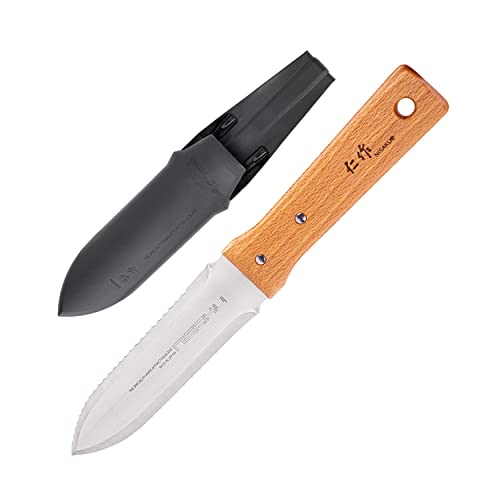
Nisaku NJP6510 Hori Weeding and Digging Knife
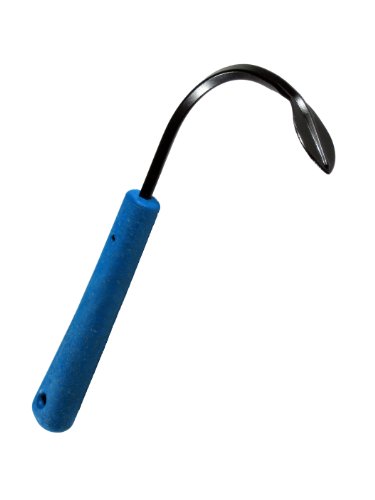
CobraHead Original Weeder and Cultivator

WORKPRO 11.5-Inch Dandelion Weeder Puller

Garden Guru Hand Weeder Trowel

Linatikou Stand-Up Dandelion Weeder Long Handle

WORKPRO 5-in-1 Hand Weeder Puller

WORKPRO Weed Puller with Metal Base

Walensee Weed Puller for Dandelions
Meet The Standout Selections
The Nisaku NJP650 is the knife that started the hori hori trend in Western tool sheds. Its 7.25-inch stainless steel blade carries both a sharp straight edge and a serrated (toothed) edge, so the same tool slices a stem and saws through a thick root without switching implements.
For dandelions, you sink the concave blade into the soil beside the taproot, lever back, and pop the whole thing out. Inch markings etched along the blade double as a planting depth guide, which is handy when you switch from weeding to setting transplants.
Key Advantages
- Dual-edge design handles slicing and root sawing without a tool change
- Concave blade shape gives real leverage when prying taproots loose
- Stainless steel construction holds up to wet soil and quick rinse cleanup
- Built-in depth markings help when you’re setting new bulbs after a weeding pass
- Compact enough to toss in a tote for quick daily rounds around the beds
Points To Keep In Mind
- No sheath ships in the basic version, so you’ll want to add one if you carry it in a deep pocket
- Shorter handle than full-size digging tools, which can feel cramped in larger hands
Right Fit For
Traditional gardeners who want one sharp, well-made blade for weeding, transplanting, and light digging through a typical season.
Look Elsewhere When
You’d rather stay upright, in which case the Linatikou Stand-Up Dandelion Weeder Long Handle saves your knees on bigger lawns.
PERWIN leans into the hori hori format with a 7-inch stainless blade, a full-tang wood handle (the steel runs the full length of the grip for strength), and a sheath that ships in the box. That sheath matters more than it sounds if you carry the knife on a belt loop or toss it in a bucket with other tools.
You get the same core motion as the Nisaku: angle in, pry back, lift the taproot. Compared to the NJP650, PERWIN trades a bit of edge variety for a more traditional wood-handled feel that some hands prefer.
Notable Upsides
- Sheath included, so the knife goes straight to work without buying extras
- Full-tang construction feels solid when prying against tough clay
- Wood handle offers a warm grip that stays comfortable in cool spring mornings
- Hanging hole on the handle keeps the shed tidy after a muddy day
Trade-Offs To Consider
- Wood handle needs an occasional light oil to stay smooth over many seasons
- Blade edge range is narrower than the Nisaku, so tougher sawing jobs take more effort
Made For
All-purpose gardeners who want one mid-weight knife for weeding, transplanting, and a bit of campsite duty on weekends.
Reach For A Different Pick When
You’re clearing a packed lawn full of dandelions, where the CobraHead Original Weeder and Cultivator’s plow-style head moves faster row by row.
The NJP6510 takes the original NJP650 design and adds a 6-inch wood handle along with a hard plastic sheath that shrugs off weather. Gardeners who leave tools on a hook through summer rain and winter snow appreciate the sheath’s weather-resistant shell.
The blade itself mirrors the classic Nisaku shape, so the digging and prying motion feels familiar if you’ve used the NJP650. The longer handle also gives a bit more reach for people who don’t want to crouch quite as low.
What It Does Well
- Weather-resistant sheath protects the edge and your fingers in storage
- Wood handle adds comfort during longer weeding sessions
- Same proven Nisaku blade geometry, so the learning curve stays short
- Stainless steel rinses clean after muddy taproot extractions
Honest Caveats
- Heavier in hand than the bare-bones NJP650, which matters on long weeding rounds
- Wood handle benefits from occasional conditioning to avoid drying out
Who It Suits Best
Year-round gardeners who keep tools outdoors or in an unheated shed and want a sheath that handles real weather.
Skip It When
You’re working in tight raised beds where a shorter, nimbler tool like the Garden Guru Hand Weeder Trowel reaches in without disturbing nearby plants.
The CobraHead Original earned its following because the curved, tempered steel blade (heat-treated for extra hardness and flexibility) acts like a small plow head. You drag it through the soil, and it slices roots just below the surface while loosening the dirt for the next planting.
For dandelions, you push the blade down beside the taproot and lever back. The shape gives a different pulling action than a hori hori: more slicing, less prying. It shines in beds where weeds grow thick between established plants.
Strengths Worth Knowing
- Curved blade cuts at the angle most natural for hand weeding
- Recycled plastic handle fits right or left hands without adjustment
- Works equally well as a cultivator for shallow soil prep between rows
- Built in the USA with materials that hold up through heavy seasonal use
Things To Weigh
- Smaller blade surface means you’ll spend more time on individual taproots than with a hori hori
- Doesn’t carry the same depth scale you’d find on a Nisaku or PERWIN blade
Best Suited To
Vegetable bed gardeners who want one tool that weeds today and preps planting rows tomorrow without a second implement.
Consider Something Else When
Your patch is mostly open lawn, where the WORKPRO 11.5-Inch Dandelion Weeder Puller targets a single taproot per push with less soil disturbance.
WORKPRO’s handheld weeder skips the multi-tool route and focuses on one job: pulling a taproot out by the base. The two-pronged fork slides into soil beside the dandelion, and a lever action lifts the root without yanking the top off.
The 11.5-inch length lands in the sweet spot for ground-level dandelions without forcing you to crouch too low. The PP+TPR handle (a polypropylene core wrapped in thermoplastic rubber) softens each push, which matters when you’re clearing a hundred weeds in one sitting.
Positive Takeaways
- Two-prong design grabs the taproot instead of snapping the top off
- Soft-grip material reduces hand fatigue during bigger weeding sessions
- Compact size stores easily in a small garden tote or apron pocket
- Stainless steel fork holds up against rust when you forget to dry it off
Practical Considerations
- Single-purpose design means you’ll need a separate tool for digging or transplanting
- Works best in loose or loamy soil; very compacted ground may need pre-watering
Feature Snapshot
Perfect Match For
Homeowners dealing with a lawn dotted in dandelions who want a focused puller instead of a multi-tool.
A Better Fit Elsewhere
You want a single tool that handles weeding plus transplanting, which points to the WORKPRO 5-in-1 Hand Weeder Puller.
Garden Guru’s trowel acts more like a transplanting scoop with a forked tip. The two-pronged end digs beside a dandelion, while the broader curved body scoops soil for planting seedlings in the same session.
The ergonomic handle softens the grip pressure during multi-step chores. Compared to the WORKPRO 5-in-1 trowel, this one leans a bit more toward transplanting and a bit less toward serrated cutting, so think of it as a scooping-first tool.
Why It Works Well
- Forked tip handles dandelion taproots without snapping the greens off
- Curved trowel body moves soil efficiently for transplanting annuals
- Ergonomic grip reduces wrist strain on multi-hour gardening days
- Rust-resistant stainless steel tolerates damp spring soil
Some Limits To Know
- Less serrated edge than the WORKPRO 5-in-1, so tough root sawing takes longer
- Slightly heavier than a pure hand fork, which can tire smaller hands
Whose Shelf It Belongs On
Multi-task gardeners who want one trowel that weeds, transplants, and digs small holes without swapping tools.
Swap It Out When
Your weeding sessions lean toward pure taproot removal, where the WORKPRO Weed Puller with Metal Base gives a cleaner extraction angle.
If kneeling on damp grass is the part of weeding you dread, Linatikou’s stand-up design changes the whole routine. The long handle and step-down foot plate let you drive the V-shaped fork into the soil without bending at all.
The 13-inch head focuses on deep-rooted weeds, dandelions included. For folks managing larger lawns, the savings on knees and lower back over a season really add up. For tight flower beds, the head may feel oversized.
Where It Helps
- Stand-up posture keeps knees and lower back off damp or cold ground
- V-shaped fork tip targets the full taproot to discourage regrowth
- Long handle provides leverage for compacted lawn soil
- Stainless steel head holds up to repeated foot pressure
Possible Compromises
- Head size makes it awkward for tight spots between perennials
- Longer storage footprint than a hand tool, so it needs shed room
Built With In Mind
Older gardeners or anyone with knee or back issues who still wants a chemical-free lawn.
Not Your Match When
Your dandelions hide among dense perennials, where the CobraHead Original Weeder and Cultivator threads between plants without trampling leaves.
WORKPRO packs five functions into one compact trowel: forked weeding head, serrated edge, scraping side, depth scale, and a cutting notch for twine or plant ties. For small-space gardeners, that consolidation matters when storage is tight.
The polished stainless steel body resists rust through wet seasons, and the cutting notch doubles as a bottle opener at the end of a long weeding afternoon. It’s a fair bit busier than a pure fork weeder, but the trade-off is versatility.
Everyday Advantages
- Five-tool design replaces a small bucket’s worth of gear for tight gardens
- Built-in depth ruler helps when setting bulbs after clearing weeds
- Serrated edge handles stubborn roots that a flat blade would skip
- Cutting notch tackles twine and plant ties without grabbing pruners
Where It Is Less Suited
- More features can mean more edges to keep clean and rust-free
- Bulkier than a plain hand fork for very precise seedling work
Who Will Love This
Apartment or balcony gardeners who need one tool that handles weeding, planting, and quick cutting without a full shed.
Where Another Pick Suits Better
You mostly clear big open lawn dandelions, where the WORKPRO 11.5-Inch Dandelion Weeder Puller does the taproot job with less head weight.
WORKPRO’s metal-base puller adds a curved foot platform that rests on the soil surface. You press the V-shaped forks into the ground beside the weed, lean on the platform, and pry the root up with the handle’s leverage.
That foot platform matters for compacted or clay-heavy soil where hand pressure alone stalls the forks. Compared to a plain forked weeder, this one trades a lighter build for cleaner extractions in tougher ground.
Everyday Wins
- Metal leverage base makes it easier to push forks into hard-packed soil
- V-shaped fork tip grips the taproot from multiple angles at once
- Polished stainless steel construction resists corrosion over many seasons
- Compact size targets individual weeds without disturbing nearby grass
A Few Limitations
- Foot platform adds weight compared to a fork-only weeder
- Single-purpose design means you’ll want another tool for transplanting
The Right Fit
Suburban lawn keepers who battle dandelions in clay-heavy or compacted soil and want extra leverage per pull.
Wrong Turns To Avoid
You’ll find yourself stooping over many weeds, in which case the Linatikou Stand-Up Dandelion Weeder Long Handle keeps you vertical.
Walensee leans into raw material strength: a 2.5mm manganese steel head (a tough alloy often used in heavy-duty hand tools) with reinforced welding at the stress points. The five-tine design reaches around stubborn roots in a way a two-prong fork can’t always match.
The pitch here is durability for gardeners who really use their tools. Crabgrass and dandelions both test a tool’s geometry, and the wider tooth spread helps when the soil wants to hold onto what it’s growing.
Reasons It Performs
- Five-tine head increases contact with the root mass for cleaner lifts
- Thick manganese steel resists bending during tough extractions
- Reinforced welds target the high-stress junction between head and shaft
- Head geometry handles both dandelions and crabgrass without swapping tools
Potential Sticking Points
- Heavier than typical hand weeders, which can slow quick passes
- Wider head is less precise in closely planted flower beds
Technical Highlights
Right Fit For
Heavy-use gardeners who want one rugged puller that handles multiple stubborn weeds without babying the tool.
Skip It When
Your weed list is mostly dandelions in loose soil, where the lighter WORKPRO 11.5-Inch Dandelion Weeder Puller handles the same job with less arm weight.
Choosing The Right Dandelion Tool For Your Yard
Match The Tool To Your Soil And Lawn Size
Soil type drives most of the decision. Loose, loamy soil gives way easily under any fork, so a hori hori like the Nisaku NJP650 or PERWIN works well for spot weeding. Clay or compacted lawns need more leverage, which points to a metal-base puller like the WORKPRO Weed Puller with Metal Base. Larger open lawns benefit from a stand-up design like the Linatikou Stand-Up Dandelion Weeder Long Handle, which trades precision for speed across hundreds of weeds.
Decide Between Multi-Task And Single-Purpose
Single-purpose tools usually do their one job with less compromise. The CobraHead Original Weeder and Cultivator plows through weeds faster than a trowel because it isn’t trying to also transplant seedlings. Multi-task tools like the WORKPRO 5-in-1 Hand Weeder Puller or Garden Guru Hand Weeder Trowel save storage space and let you switch from weeding to planting without grabbing a second implement. Pick based on whether you value clarity or flexibility in the shed.
Think About Comfort Over A Full Season
A tool you’ll use for a few minutes can be almost anything. A tool you’ll use for an hour every weekend needs a handle that doesn’t punish your grip. Look for cushioned overmolds (soft rubbery coatings molded over a harder plastic core), full-tang construction, and weight balanced near the head. Ergonomic features matter most for older gardeners, anyone with arthritis, or folks clearing large lawns in single sessions. The CobraHead and WORKPRO 5-in-1 both address this with shaped handles that reduce wrist strain during long weeding rounds.
Balance Durability With Storage Space
Manganese steel and reinforced welds (as on the Walensee Weed Puller) last longer but add weight and size. Smaller stainless hand tools store in a tote or bucket, while stand-up tools need shed space leaning against a wall. The honest read is that heavier tools usually outlast lighter ones when used hard, so buy for the worst week of your season, not the easiest one.
What To Know Before You Buy
Pitfalls Shoppers Hit
The most common mistake is buying a short-handled fork for a large lawn, then spending a season with a sore back. Match handle length to the area you plan to clear. Another trap is choosing a wide multi-tine head for tight flower beds, where it tramples neighboring plants while you work. Finally, don’t assume all “stainless steel” tools resist rust equally; thin blades with poor welds can still pit after a wet winter, so check reviews for real long-term feedback.
Why Top Tier Costs More
Premium picks like the Nisaku NJP6510 and Walensee Weed Puller earn their higher cost through thicker steel, better heat treatment (a controlled heating-and-cooling process that hardens the metal), and weather-resistant sheaths that protect the edge in storage. For gardeners who we weekly through spring and fall, those upgrades translate to years of extra service. Casual gardeners who weed a handful of times each season may find a basic WORKPRO or CobraHead gives them all the performance they actually use.
Frequently Asked Questions
What Is The Easiest Way To Remove Dandelions By Hand?
The fastest hand method is sliding a forked weeder down beside the taproot and prying straight up while pulling the greens. Watering the lawn a few hours beforehand softens the soil and reduces snap-offs.
Do Dandelion Puller Tools Really Work?
Yes, when the fork reaches deep enough to grab the entire taproot. Two-prong and V-shaped forks work best in loose or moderately compacted soil, while stand-up models help when the weeds are scattered across a wide lawn.
When Is The Best Time To Pull Dandelions?
Pull dandelions in early spring or fall when the soil is moist and the taproot stores the most energy, making the whole plant easier to lift intact and less likely to regrow from a fragment.
Should I Choose A Hori Hori Or A Fork-Style Weeder?
Choose a hori hori for multi-task gardening that includes transplanting and light digging. Pick a fork-style weeder when your main goal is targeted taproot removal across a lawn with minimal soil disturbance.
How Do I Keep A Weeding Tool From Rusting?
Rinse off soil after each session, dry the head with a rag, and store the tool indoors or in a sheath. A light coat of oil on wood handles and steel heads once a season extends the tool’s working life noticeably.
Closing Remarks
Your lawn, your back, and your weekend all factor into which dandelion tool fits best. Start with the soil and the size of the patch you actually weed, then pick the handle style that keeps you coming back next weekend without dread. The right weeder makes a recurring chore feel like a quick routine, and that’s worth more than any single season’s cleanup.
